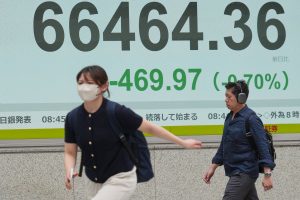

Australian shares experienced a significant downturn on Monday, with the ASX shedding approximately $90 billion in value. This sharp decline was triggered by a substantial surge in oil prices, fuelled by escalating conflict in the Middle East, which has ignited fears of a global inflation breakout.
The benchmark S&P/ASX 200 index closed down by 2.85%, falling below the crucial 8,600-point threshold. This marked the most significant single-day drop since the announcement of former US President Donald Trump’s “liberation day” tariffs last year. The sell-off is directly linked to the disruption of oil supplies, a primary driver of global inflation. Higher oil prices inevitably translate to increased costs for nearly all goods and services, impacting everything from petrol and groceries to utilities and travel expenses.
Global oil prices soared past the US$100 per barrel mark shortly before the Australian share market commenced its trading week, sending shockwaves through the investment community.
Archival Garcia, the chief executive of Melbourne-based freight technology firm Fluent Cargo, observed that the market repercussions of the conflict were extending far beyond the energy sector. He elaborated, “Fuel costs rise, war-risk insurance premiums increase, vessels slow or reroute, and freight rates climb – particularly across energy-dependent supply chains.”
Escalating Conflict and Market Volatility
The energy price shock followed a weekend characterised by escalating violence in the Middle East. This intensification of hostilities amplified concerns about a sustained supply crunch, propelling crude oil prices to their highest level in four years.
On Monday, the ASX presented a grim picture, with a widespread decline across most sectors. Ten out of eleven sectors registered losses, with the mining-heavy materials sector leading the downturn, closing down by over 5%. The energy sector was the sole exception, finishing in positive territory as it benefited from the prevailing market upheaval.
Despite an initial fall of more than 4%, the ASX did manage to stage a partial recovery during afternoon trading.
Shifting Investor Sentiment
Initially, the market fallout from the Middle East conflict was relatively subdued, largely due to the prevailing expectation that the hostilities would be short-lived. However, global market losses have accelerated in recent days as the conflict has expanded across the region, diminishing hopes for a swift resolution.
Tony Sycamore, a market analyst at IG Australia, highlighted this shift in sentiment in a report released shortly before the market opened on Monday. He noted that “local markets are mirroring the intense global risk-off mood.”
Domestic Economic Pressures
Adding to the downward pressure on the markets, Sycamore also pointed to the Reserve Bank of Australia’s (RBA) assertive stance against inflation. The RBA’s anticipated interest rate hikes, often referred to as “hawkish signals,” further contributed to investor unease.
The prospect of the RBA raising rates at its upcoming March meeting presents a challenging scenario for many Australians. Such a move would coincide with rising petrol and other household costs, potentially hampering consumer spending. This comes at a time when many households are already grappling with elevated mortgage repayments.
Traditional Market Downturn Triggers
The current market downturn aligns with traditional factors that can precipitate significant sell-offs in equity markets. These typically include:
- Rising Unemployment: An increase in job losses can reduce consumer confidence and spending power, negatively impacting corporate profits.
- Exogenous Shocks: Unforeseen and significant external events, such as geopolitical conflicts or natural disasters, can disrupt economies and financial markets. The current situation in the Middle East exemplifies this trigger.
- Elevated Interest Rates: As observed with the RBA’s hawkish signals, rising interest rates increase the cost of borrowing for both businesses and consumers. This can dampen investment, slow economic growth, and make equities a less attractive investment compared to fixed-income assets.
The combination of these factors, particularly the exogenous shock of the Middle East conflict and the anticipated monetary tightening by the RBA, has created a potent cocktail for the Australian share market. Investors are closely monitoring developments, seeking clarity on the duration of the conflict and the RBA’s future policy decisions.