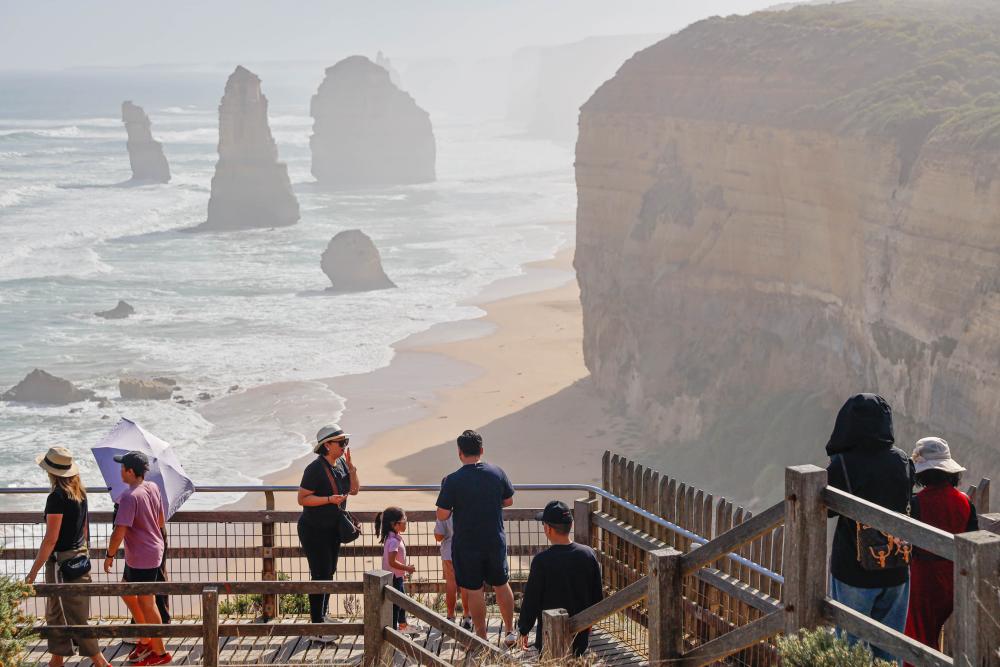
Iconic Twelve Apostles Set for Entry Fee as Victoria Boosts Great Ocean Road Protection
Tourists flocking to Victoria’s world-renowned Great Ocean Road will soon be required to pay an entry fee to experience the majestic Twelve Apostles. This significant policy shift, announced by the Victorian government, aims to ensure the long-term preservation of this natural wonder for future generations.
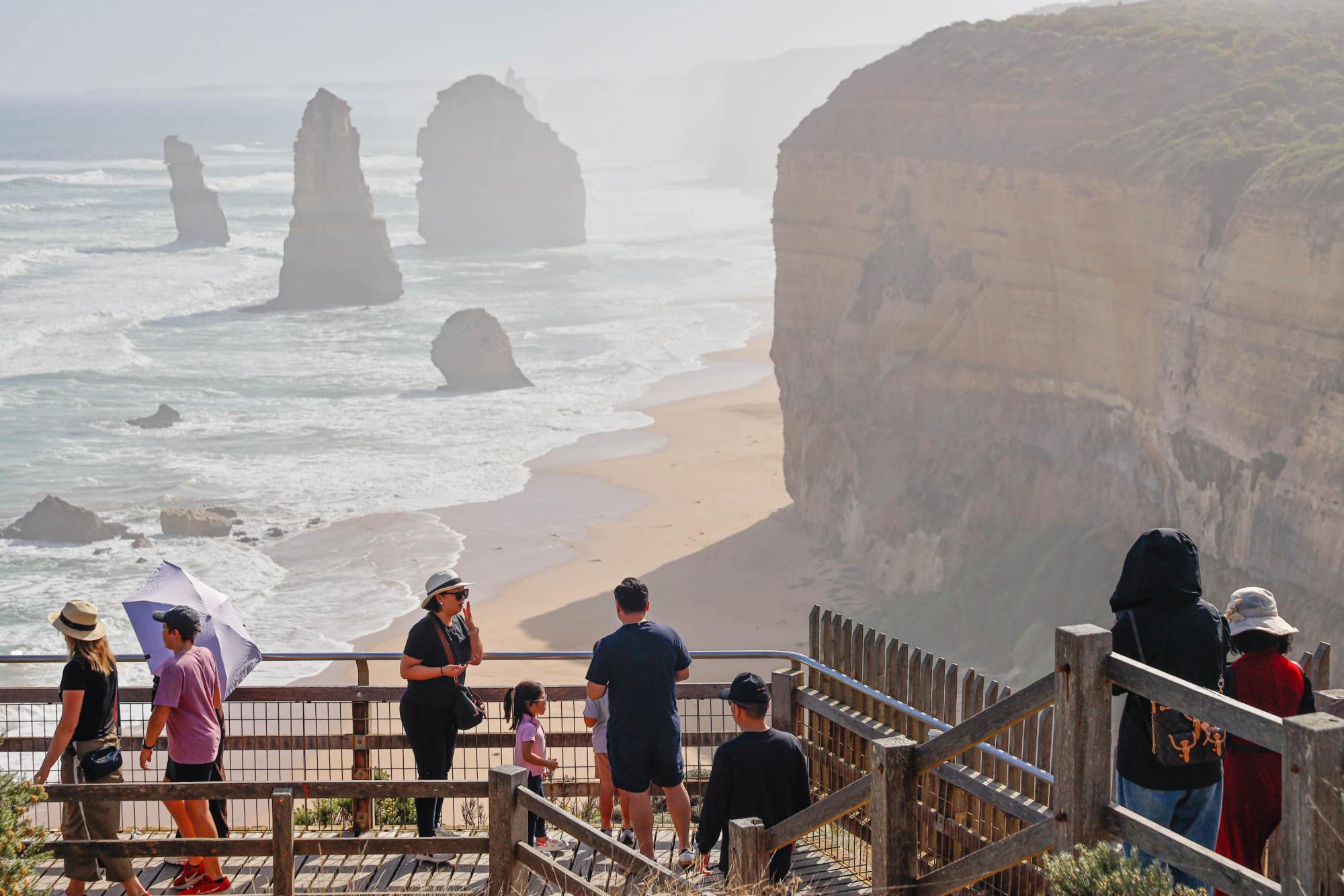
The Victorian Environment Minister, Steve Dimopoulos, confirmed that a fee will be implemented for visitors to the upcoming Twelve Apostles Visitor Experience Centre, a $126 million project slated to open its doors at the close of 2026. Minister Dimopoulos stressed that every dollar collected will be reinvested directly into the Great Ocean Road region. He highlighted the pressing threats facing this iconic 240-kilometre stretch of coastline, including the escalating impacts of climate change, ongoing coastal erosion, and the sheer volume of millions of visitors annually.
“We are committed to ensuring the Great Ocean Road remains a breathtaking destination for the next century,” Dimopoulos stated. “We cannot afford to be the generation that allows this irreplaceable natural asset to deteriorate.” He drew parallels to other renowned Australian tourist destinations, noting that charging entry fees is a common and accepted practice at sites like Uluru, Kakadu and Kosciuszko National Parks, and Tasmania’s Cradle Mountain.
While the name “Twelve Apostles” persists, erosion has significantly altered the landscape. It is believed that only seven of the original limestone stacks currently stand, with several having succumbed to the elements over time. Despite these changes, the site remains an immensely popular attraction. Development Victoria reports that in 2019, the area welcomed 2.8 million visitors, with projections indicating this figure could surge to 4 million in the current year.
Local residents have frequently voiced their concerns about the congestion caused by large groups of tourists arriving simultaneously, leading to significant disruptions. The new entry fee, coupled with an accompanying booking system, is designed to manage visitor flow through a “staged process” that prioritises the protection of the natural environment and the well-being of local communities. Notably, the fee will not apply to residents living in close proximity to the site or to members of the Eastern Maar Indigenous community.
The precise cost of the entry fee will be determined following comprehensive consultations with key stakeholders, including local government representatives, tour operators, and residents. There is a prevailing sentiment within the government that the fee is likely to be set below $20.
The Great Ocean Road Coast and Parks Authority, which will oversee the operations of the new visitor centre, will be responsible for collecting these funds. The authority has outlined a clear plan for the expenditure of these revenues, which will include:
- Repairing and restoring historic landmarks along the Great Ocean Road.
- Upgrading and enhancing existing caravan parks and campgrounds.
- Improving and maintaining walkways, bush walks, and dedicated trails.
- Developing and maintaining lookouts offering panoramic views.
- Enhancing foreshore amenities such as barbecues and picnic tables.
Furthermore, the authority believes the visitor booking system will provide a tangible boost to local businesses by encouraging tourists to extend their stays and explore the wider region.
This initiative has received strong backing from various local bodies. In September, the Corangamite Shire Council and the Great Ocean Road Regional Tourism Board jointly advocated for the implementation of a user-pays model to coincide with the visitor centre’s opening. They suggested a fee range of $10 to $20 would be instrumental in managing crowds and safeguarding the delicate coastal environment.
Lisa Patroni, Chief Executive of the Victoria Tourism Industry Council, has welcomed the confirmation of an entry fee, describing it as “well overdue.” She believes the measure will not only enhance the safety of the attraction but also significantly improve the overall visitor experience.
“This is an incredibly beautiful coastline, but it is also exceptionally fragile,” Patroni commented. “We’ve seen situations where a single-lane road has become congested with vehicles parked on the shoulder, which was never designed for parking. The sheer volume of traffic, the lack of dedicated footpaths, and pedestrians navigating between cars has been a concern. It’s been fortunate, frankly, that we haven’t witnessed more serious incidents.”
Patroni further elaborated that the fee would serve as a crucial tool for controlling visitor numbers. She pointed out that globally, highly sought-after natural attractions commonly manage visitor influx through ticketing, booking systems, or parking charges.
“While this approach might be a new concept for some in Victoria, it’s a well-established practice worldwide,” she added. “Local residents may need time to adjust to the idea, but for international visitors, this will be a minor consideration, as it aligns with their expectations.”
However, the decision has not been universally praised. Opposition Leader Jess Wilson has criticised the move, labelling it as “another example of a government that has run out of money.” She asserted that Victorians will ultimately bear the cost of paying to access an iconic site that should remain freely available.
Minister Dimopoulos countered this criticism by referencing past public statements from three local Liberal MPs – Bev McArthur, Joe McCracken, and Richard Riordan – who had previously expressed support for a visitor contribution to the region.
This article was amended on 9 March 2026. A previous version incorrectly stated there were originally 12 limestone stacks that formed the Twelve Apostles; it is now believed there were nine when the site was named.