
Beyond the Propeller: A Journey Through Aviation’s Most Bizarre Powerplants
The quest for flight has always been a journey of innovation, pushing the boundaries of what’s possible. While the humble propeller and the roar of the jet engine are familiar sounds in the skies, aviation history is dotted with truly peculiar and ingenious attempts to get aircraft off the ground. From engines that spin in unconventional ways to power sources that defy logic, the world of aviation has seen some truly strange and wonderful propulsion systems. Join us as we explore ten of the most unconventional and fascinating ways aircraft have been powered.
10. The Wankel’s Whisper: A Rotary Revolution?
Often labelled a ‘rotary engine’, the Wankel is technically distinct. Instead of pistons oscillating, a triangular rotor spins within a stationary combustion chamber. This design eradicates the vibrations associated with conventional engines, leading to remarkably smooth and quiet operation. This inherent quietness made it an attractive proposition for specialised aircraft.
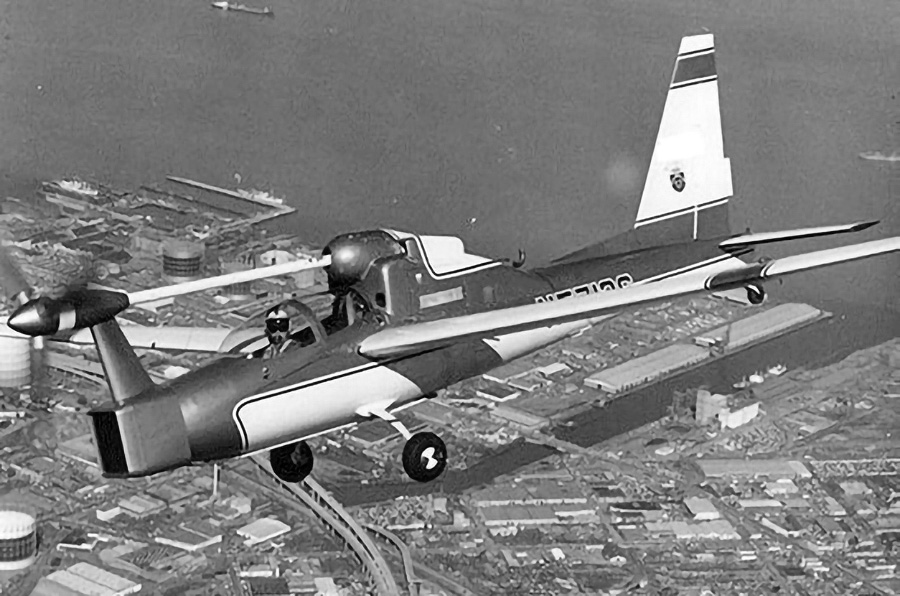
The Wright Aeronautical RC-2-60 Wankel engine found its way into the Lockheed Q-Star prototype in the 1970s. This ultra-quiet surveillance aircraft was designed for the Vietnam War, with the ambitious goal of being inaudible at 1500 feet, allowing it to gather intelligence on Viet Cong activities under the cover of darkness.
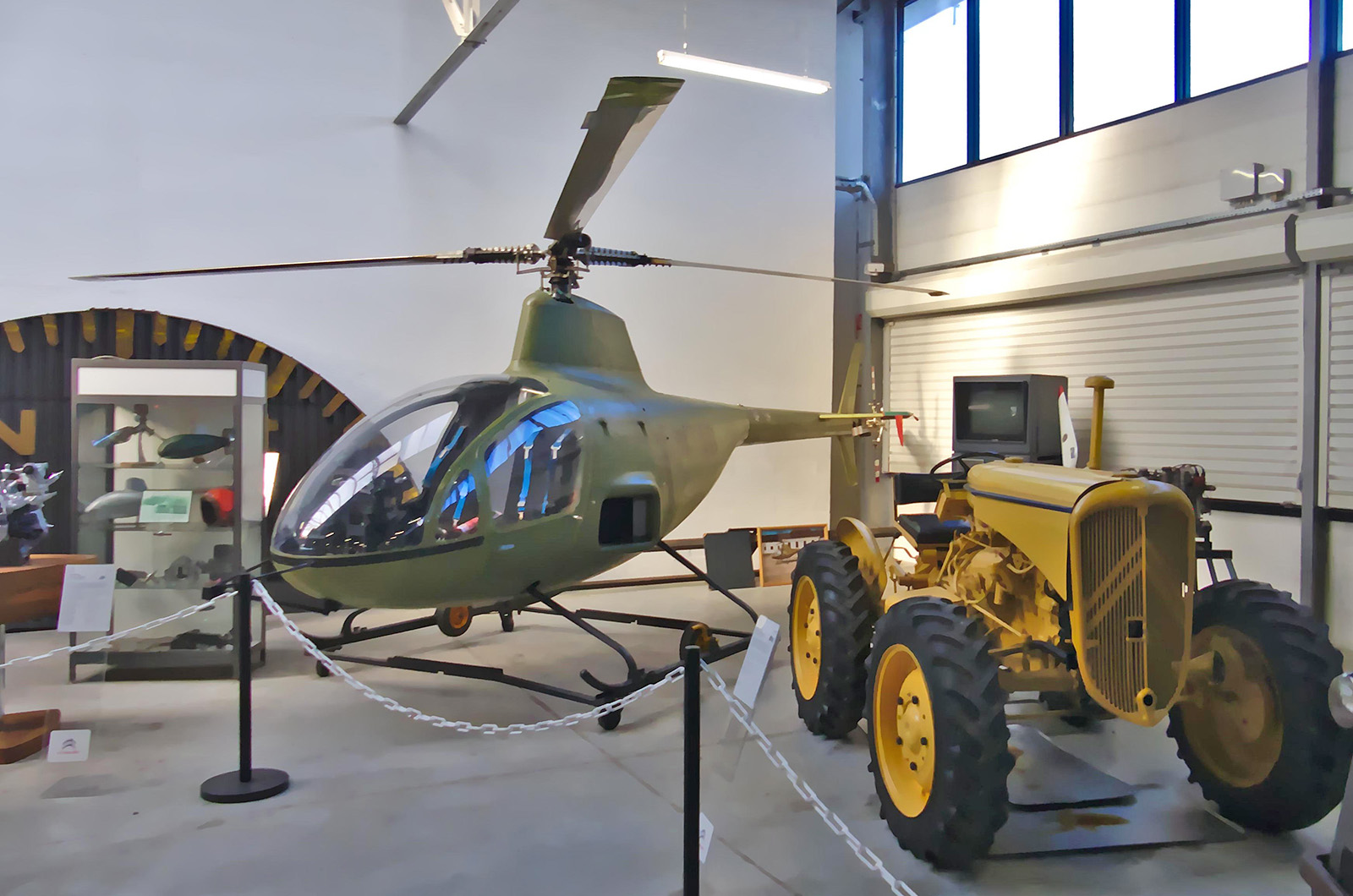
Despite its potential, the Wankel-powered Q-Star never entered production. In a curious twist, French car manufacturer Citroën, having invested heavily in Wankel engine development for their vehicles, decided to explore its aeronautical applications with the RE-2 helicopter. While this Wankel-powered helicopter showed promise in testing, the project was ultimately abandoned. Today, the Wankel engine has found its niche, particularly in drones, where its compact size, low vibration, and quiet operation are highly valued for carrying sensitive sensors.
9. Lift Jets: Defying Gravity Vertically
The need for aircraft to operate without long runways has been a driving force in aviation design. Vulnerability to airfield attacks for land-based military craft and the inherent risks of carrier operations spurred the development of Vertical Take-Off and Landing (VTOL) capabilities. One approach involved the use of small, dedicated ‘lift fans’ or ‘lift jets’. These are compact engines mounted vertically, solely for the purpose of aiding in take-off and landing.
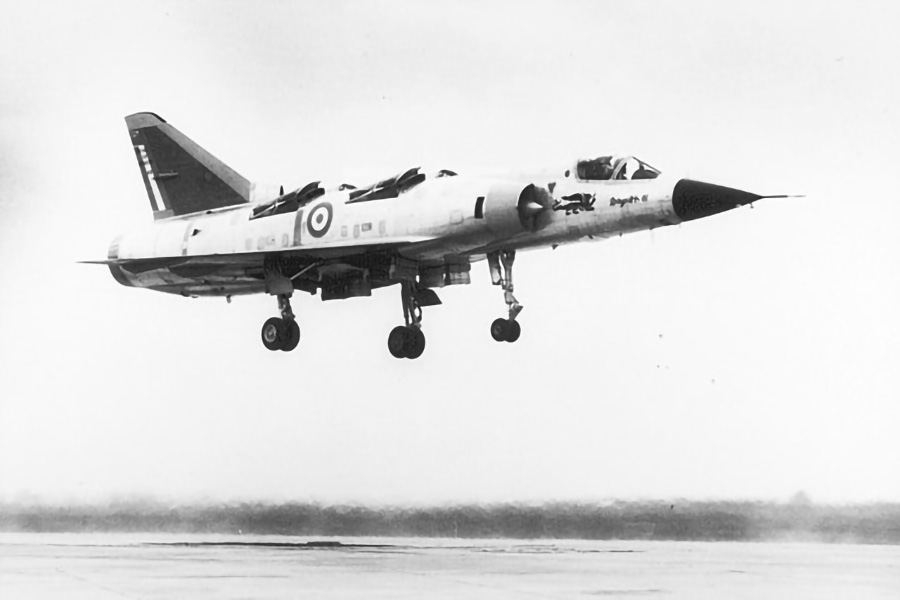
The advantage of this system is its potential to create VTOL aircraft that can still achieve supersonic speeds, as demonstrated by the Mirage IIIV. While lift jets featured in numerous experimental prototypes, the Soviet Yakovlev Yak-38 ‘Forger’ was one of the few to see operational service, albeit as a less capable counterpart to the Harrier. The Dornier Do 31 tactical transport represented an ambitious integration, combining two Harrier-style Pegasus engines with an astounding eight lift jets.
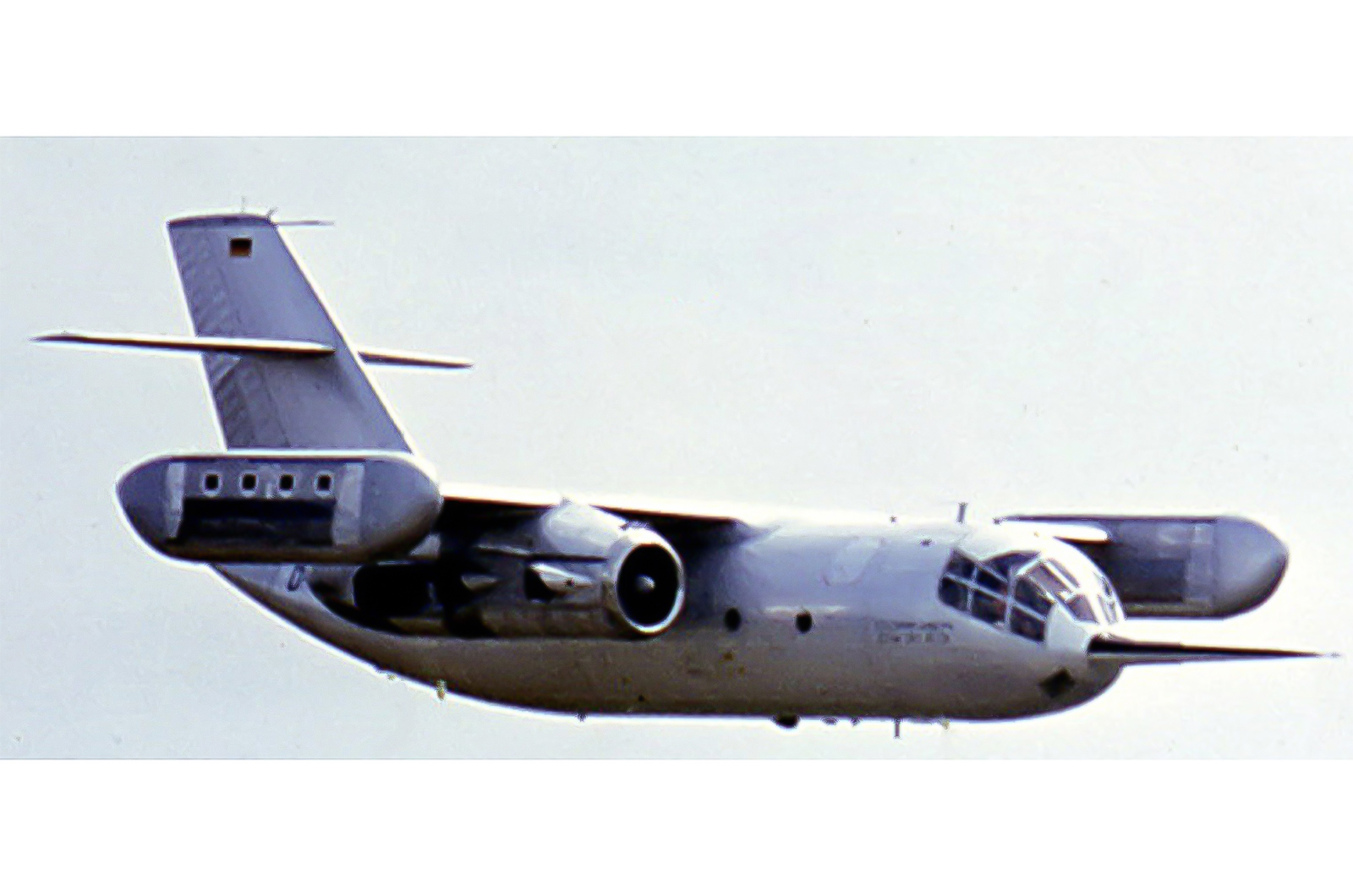
However, the primary drawback of dedicated lift jets is the significant deadweight and loss of internal volume they represent, as they are only active during specific flight phases. This also translates to increased maintenance and parts requirements. Modern solutions, like the lift-fan system in the F-35B Lightning II, integrate this functionality by driving the fan from the main engine, combined with a swivelling rear nozzle.
8. High-Speed Extremes: Ramjets, Scramjets, and Tip Jets
The realm of high-speed flight introduced us to ramjets, scramjets, and innovative uses of jet propulsion for rotorcraft.
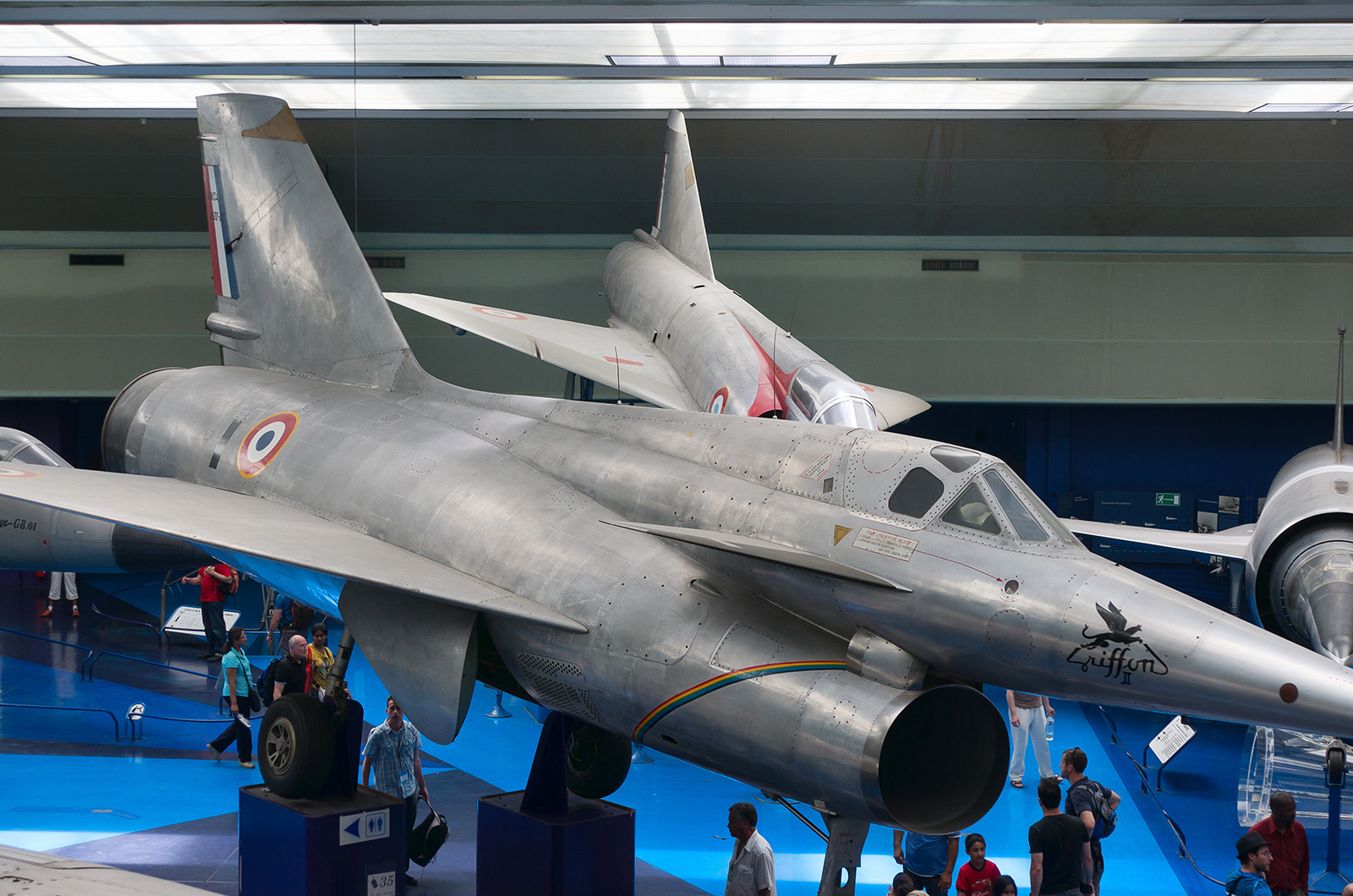
Ramjets: These simple jet engines rely on the forward motion of the aircraft to compress incoming air for combustion. They are highly efficient at high speeds but cannot operate from a standstill. The Nord 1500 Griffon showcased a combination of a ramjet and a turbojet, highlighting its high-speed capabilities.

Scramjets: A leap beyond ramjets, scramjets combust air without slowing it down. They achieve this by eliminating the traditional shock cone, making them incredibly efficient at hypersonic speeds. The Boeing X-51 Waverider is a prime example of an experimental unmanned aircraft designed for extreme velocity flight using scramjet technology.
Tip Jets: In a clever adaptation for helicopters, ramjets were mounted directly onto the rotor tips, replacing complex transmissions and engines. This resulted in a lighter and simpler design. The YH-32 Hornet, for instance, achieved 90 horsepower from two lightweight ramjets on its rotor tips. While incredibly noisy and fuel-hungry, leading to a limited range for the H-32, this innovation was crucial in pioneering US helicopter gunship technology.
7. The Riout 102T Alérion: A Flapping Folly
French engineer René Louis Riout was captivated by the idea of ornithopters – aircraft that mimic the flapping motion of bird wings. His early attempts in 1913 and 1916, while achieving brief liftoff, ended in crashes. Undeterred, he continued to refine his concepts, leading to the development of the Riout 102T Alérion.
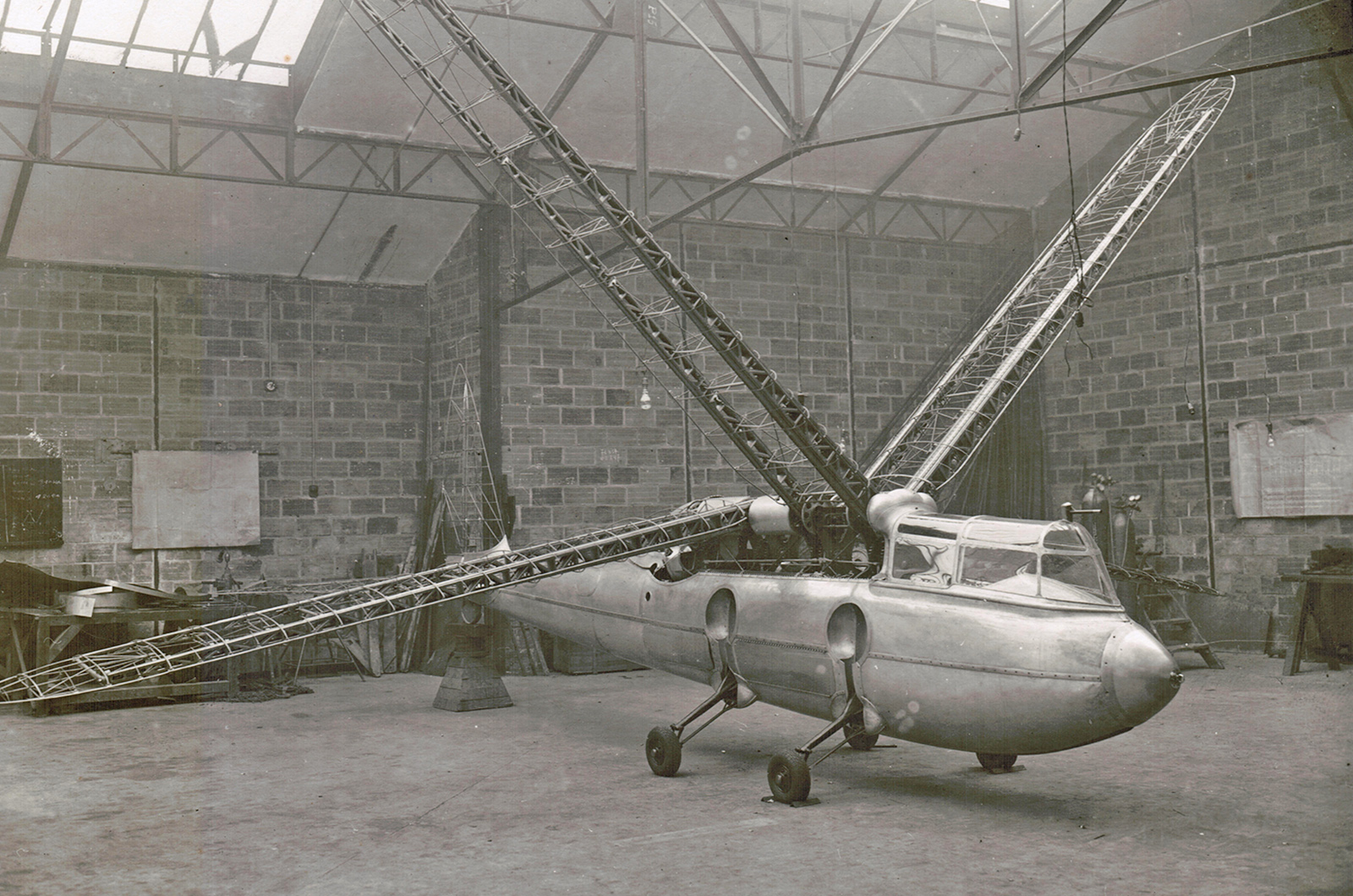
This aircraft featured a tubular steel fuselage covered in aluminium, with the pilot situated in a closed cockpit at the very front. Behind the pilot, the engine was mounted, along with the attachment points for its four flapping wings. The Alérion was equipped with retractable wheels and wings that operated in pairs.
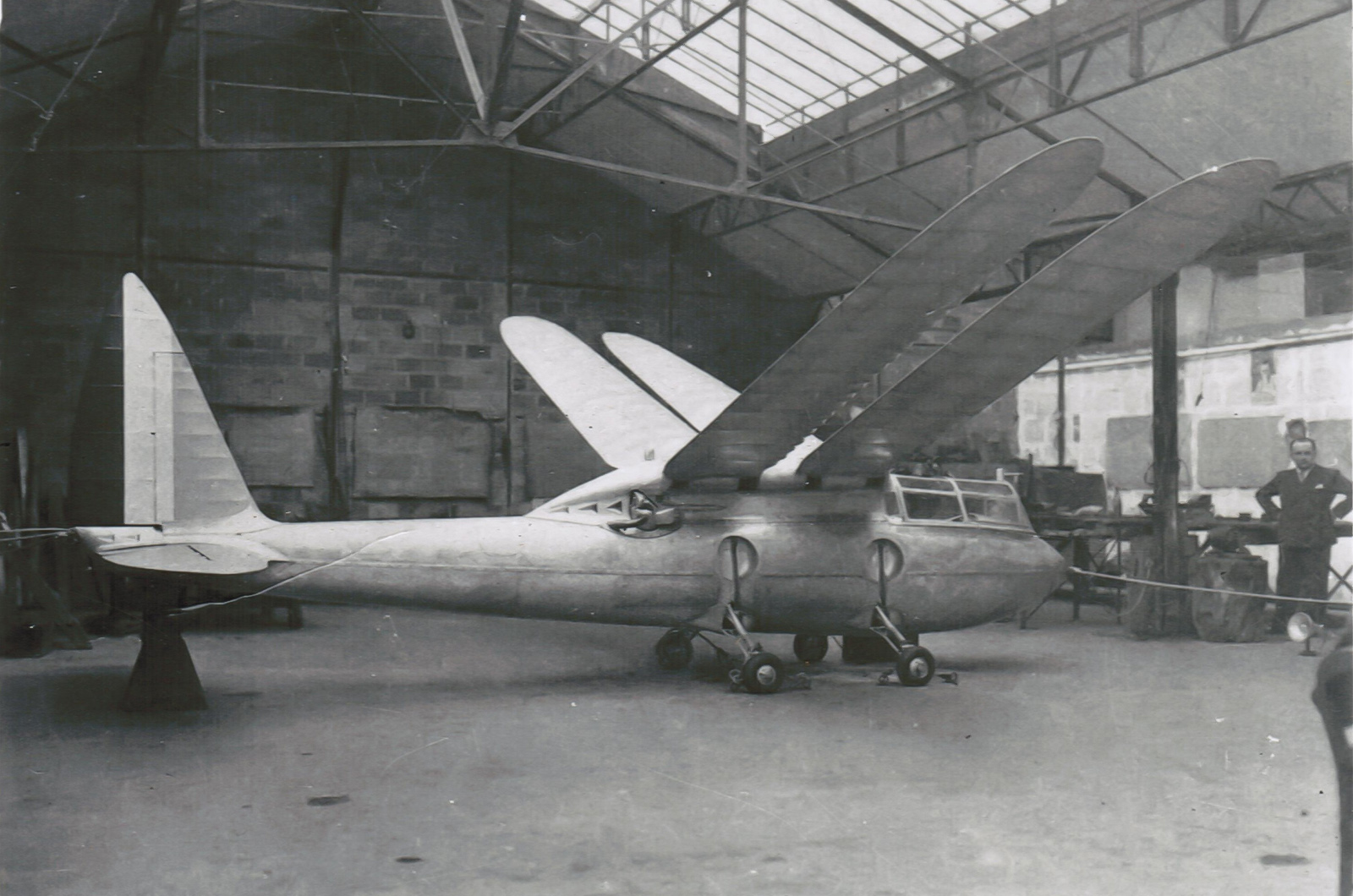
Construction was completed by early 1938, and the aircraft was moved to the Chalais-Meudon aeronautical research centre. Initial wind tunnel tests began with stationary wings, then progressed to flapping, and finally, to testing wing deformation designed to generate thrust. However, the combined stresses of the wind tunnel and the violent flapping motion proved too much for the wings, causing them to fail. The machine was never repaired, and it never took to the skies.
6. Rocket Power: Blazing Trails at Incredible Speeds
Rocket engines offer immense thrust and the ability to achieve astonishing speeds at any altitude, but they come with significant limitations and safety concerns.
Early Rocket Planes: The Opel RAK.1, the world’s first purpose-built rocket plane, took flight on September 30, 1929, reaching a top speed of 150 km/h (93 mph).
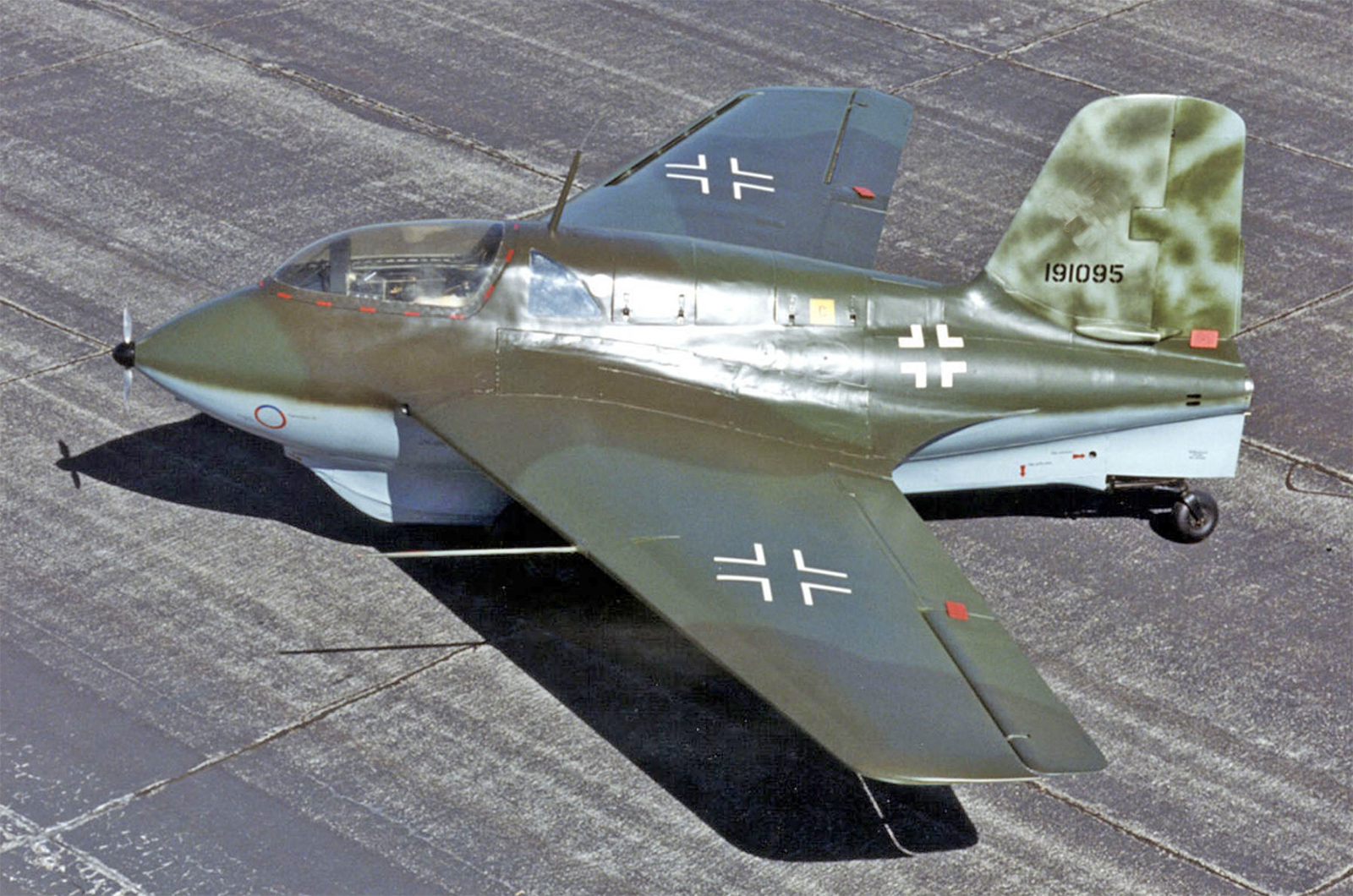
World War II Rocket Interceptors: The Messerschmitt 163 Komet, the fastest aircraft of World War II, was a rocket-powered interceptor that could reach speeds of around 1054 km/h (659 mph), significantly faster than its piston-engined contemporaries. However, its operational endurance was measured in mere minutes, and it landed on skids.
Astonishing Climb Rates: While conventional fighters of the era climbed at around 3000 feet per minute, the Me 163 could ascend at an incredible 16,000 feet per minute. Pilots were ill-prepared for the physiological effects of such extreme acceleration.
The Bachem Ba 349 Natter: Developed as a desperate measure against Allied bombing raids, the Natter was essentially a manned, rocket-powered surface-to-air missile. Its first manned flight in March 1945 ended tragically within a minute, killing the pilot.
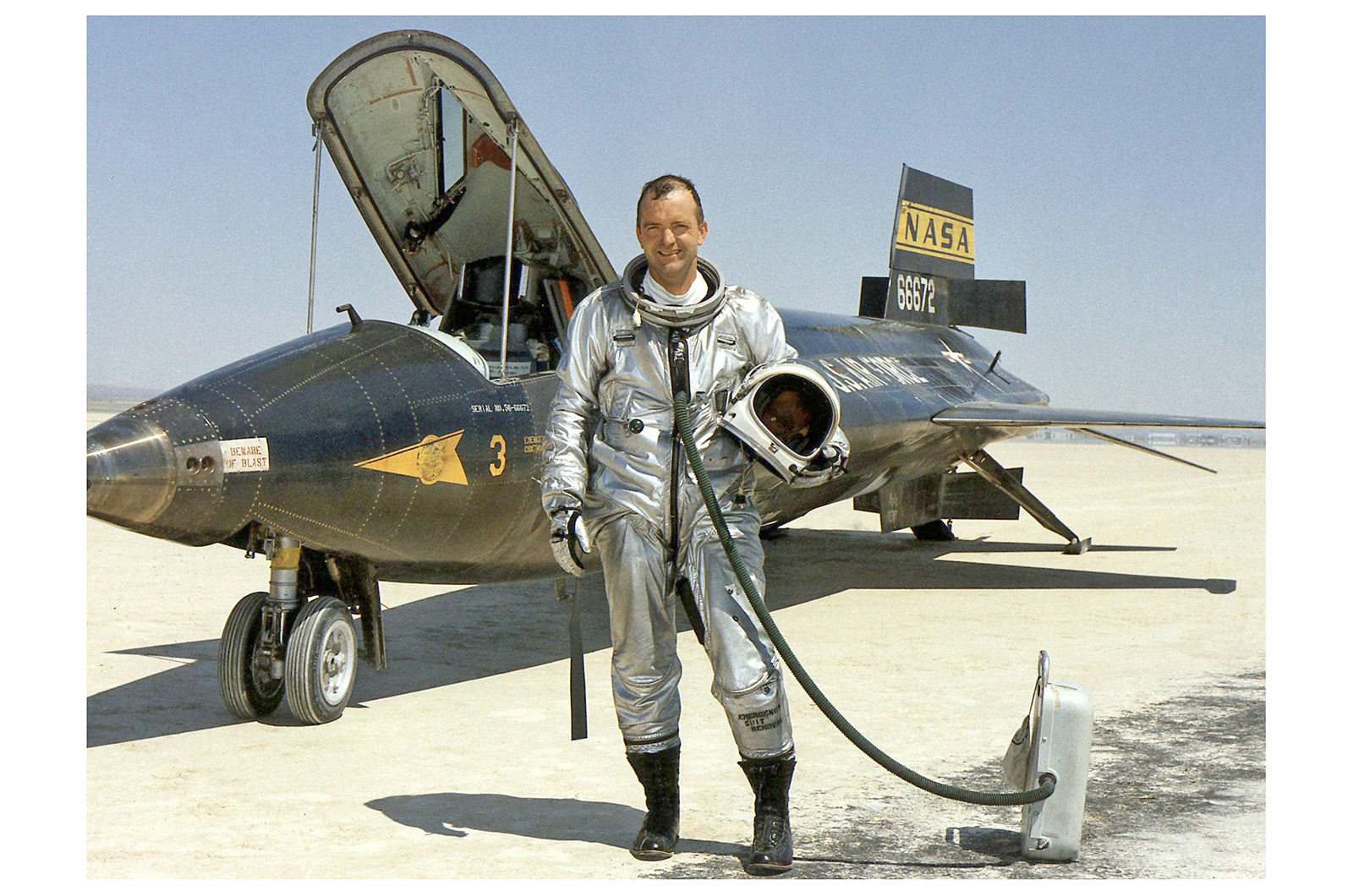
Auxiliary Rockets: In the early days of jet aviation, auxiliary rockets were sometimes fitted to jet aircraft to boost their climb rate. However, the logistical and safety challenges associated with rocket fuel meant that designers were eager to transition to pure jet propulsion as engine power increased. Rockets continued to be employed in high-performance experimental aircraft like the North American X-15.
5. Pulsejets: The Buzzing Behemoths
Pulsejets represent one of the simplest forms of jet propulsion. Air enters through a one-way valve, combusts in rapid pulses, and is expelled through a nozzle. The resulting low pressure draws in more air, creating a continuous cycle. This pulsing action gives them a distinctive, often unsettling, buzzing sound.
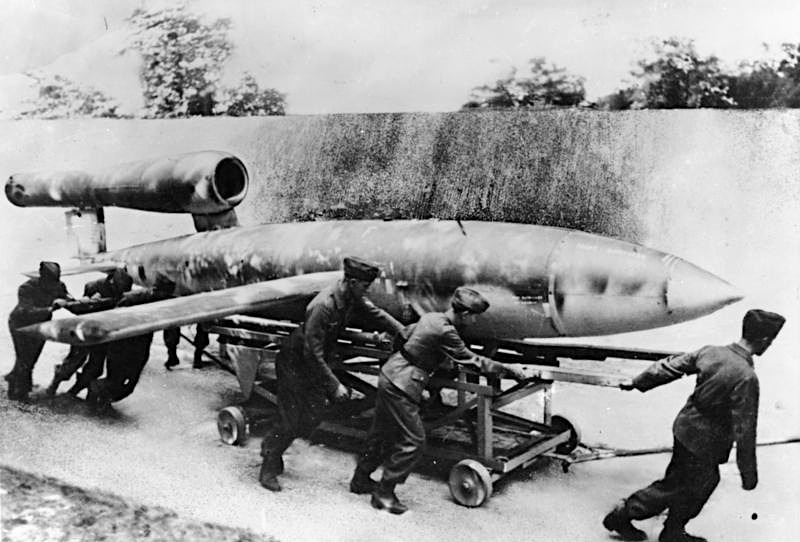
Despite their simplicity and ability to achieve high speeds, pulsejets are notoriously loud and generate significant vibration. American engineer Robert Goddard experimented with pulsejet engines in 1931, famously powering a bicycle. However, the most well-known application was the Argus As 109-014, which powered Nazi Germany’s Fiesler Fi 103 cruise missile, commonly known as the V-1.
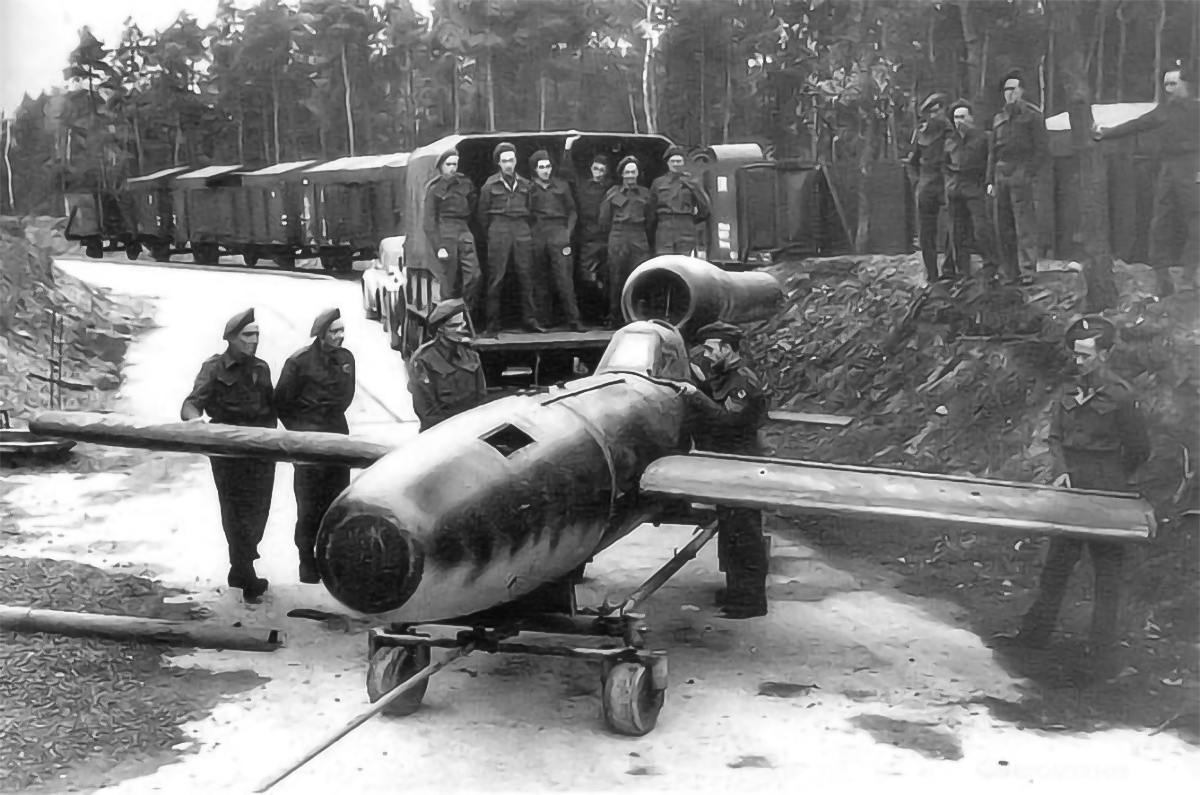
The Fieseler Fi 103R Reichenberg was a crewed version of the V-1, intended as a human-guided missile for attacks against advancing Allied forces. However, these missions were deemed contrary to German military tradition and the unit was disbanded. Germany also explored pulsejet fighters, but the engine proved unsuitable. Pulsejets were also used for target drones, to boost the performance of piston-engined fighters like the Soviet Lavochkin La-9RD, and even for an experimental helicopter, the XH-26 Jet Jeep. With renewed interest in low-cost engines for decoys and one-way attack drones, the pulsejet may yet see a resurgence.
4. Human and Pedal Power: Cycling Through the Sky
The earliest attempts at human flight involved daring individuals leaping from heights, often with rudimentary wings. While these endeavours were largely unsuccessful, the dream of human-powered flight persisted. Pedalling, rather than flapping, proved to be a more viable, albeit slow, approach.
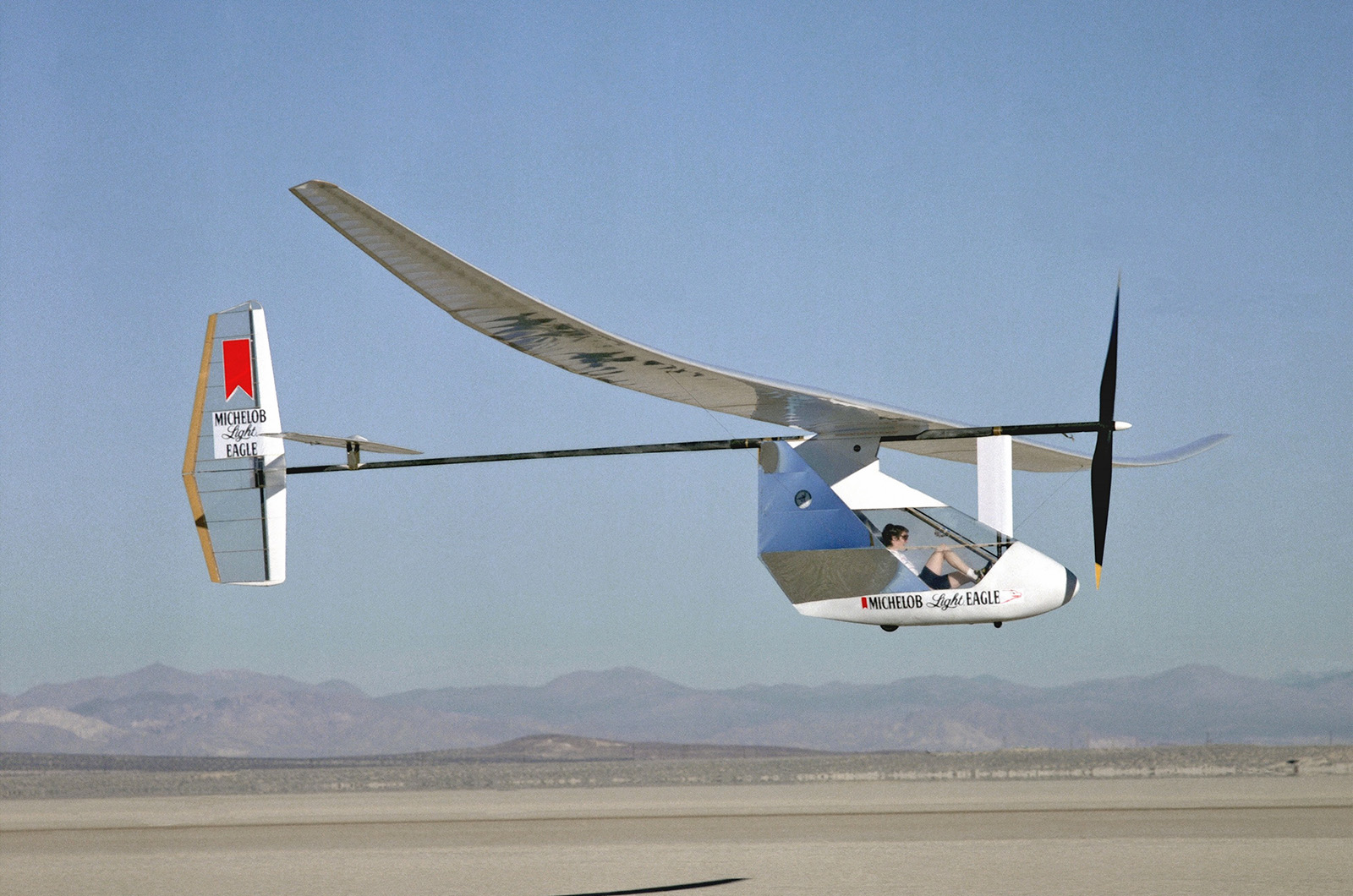
Several determined individuals have sought to liberate themselves from the confines of terrestrial travel by pedalling their way into the sky. The results have been varied, typically marked by brief flights and decidedly modest speeds.
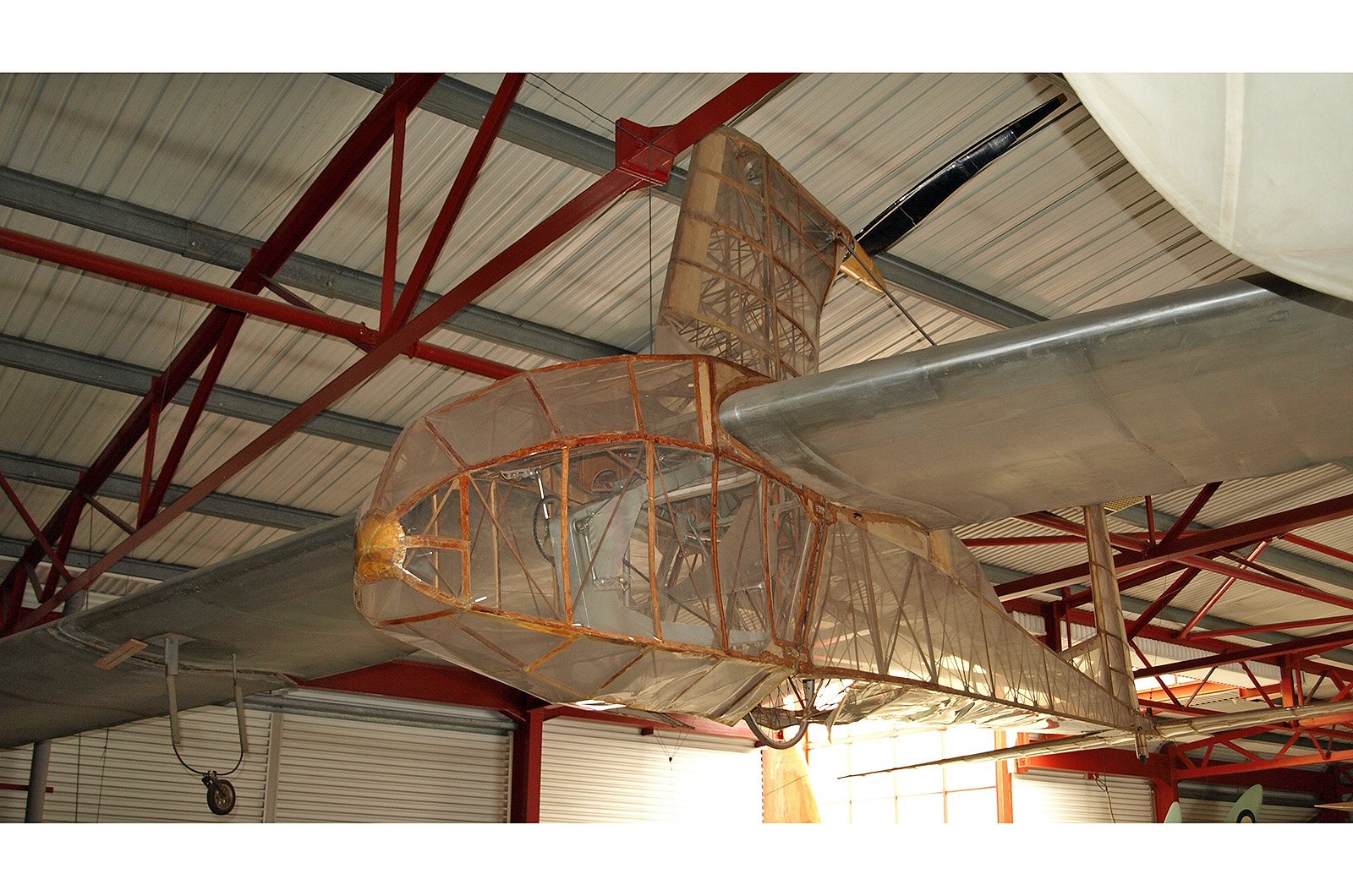
- SUMPAC’s Historic Flight: The first officially witnessed and accredited human-powered flight was achieved by the Southampton University Man Powered Aircraft (SUMPAC) in England, built by students in the early 1960s. The original plan was for a professional cyclist to pilot the craft, trained by the skilled aviator Derek Piggott. However, the cyclist proved untrainable, and Piggott himself gamely pedalled SUMPAC into the air, securing a place in aviation history.
3. The Stipa-Caproni: A Barrel of an Idea
Italian engineer Luigi Stipa theorised that by “intubing” the propeller within a duct, he could harness the principles of fluid dynamics to create a more efficient aircraft. This led to the creation of the Stipa-Caproni, an aircraft with a distinctly barrel-like appearance.
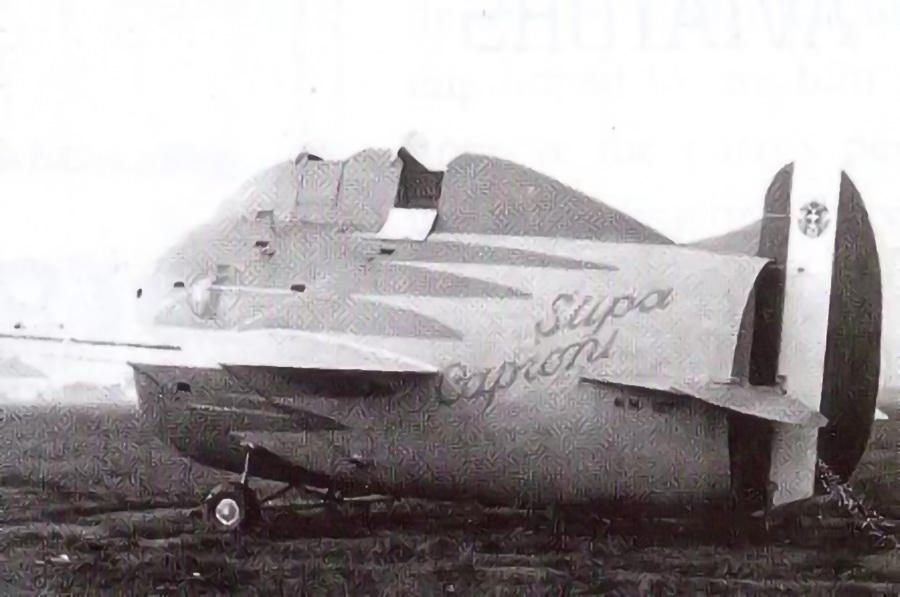
Flown in 1932, the Stipa-Caproni exhibited excellent low-speed handling, was remarkably quiet, and achieved a respectable rate of climb for its power. However, the aerodynamic drag generated by its unconventional shape largely negated these benefits, and the concept was not pursued further.
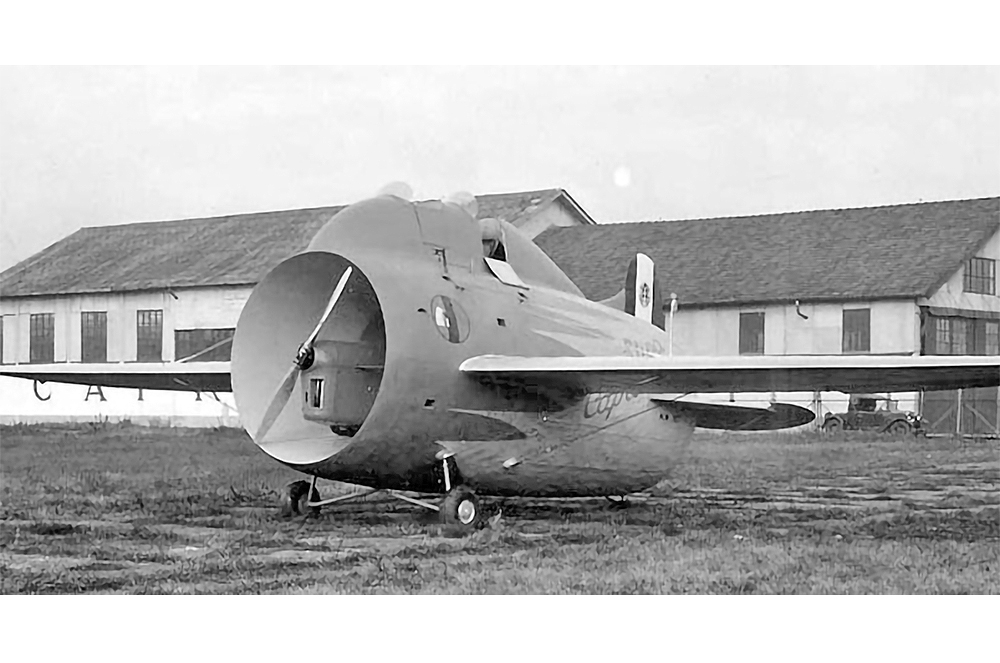
While not a direct success, Stipa’s work influenced later designs, including the “motor-jet” powered Caproni Campini N.1, an early jet aircraft that first flew in 1940. A motorjet is a precursor to the jet engine, utilising a piston engine to drive its compressor. The Stipa-Caproni’s peculiar, almost comical, appearance belied the innovative thinking behind it. Ducted fan technology, however, continued to evolve and found applications in airships, drones, hovercraft, and other experimental aircraft.
2. Nuclear Propulsion: The Ultimate Range
The prospect of nuclear power for aircraft offered the tantalising possibility of virtually unlimited range, making it an attractive option for developing long-endurance, nuclear-armed bombers for deterrence. Both the US and the USSR explored this technology, resulting in a variety of experimental aircraft.
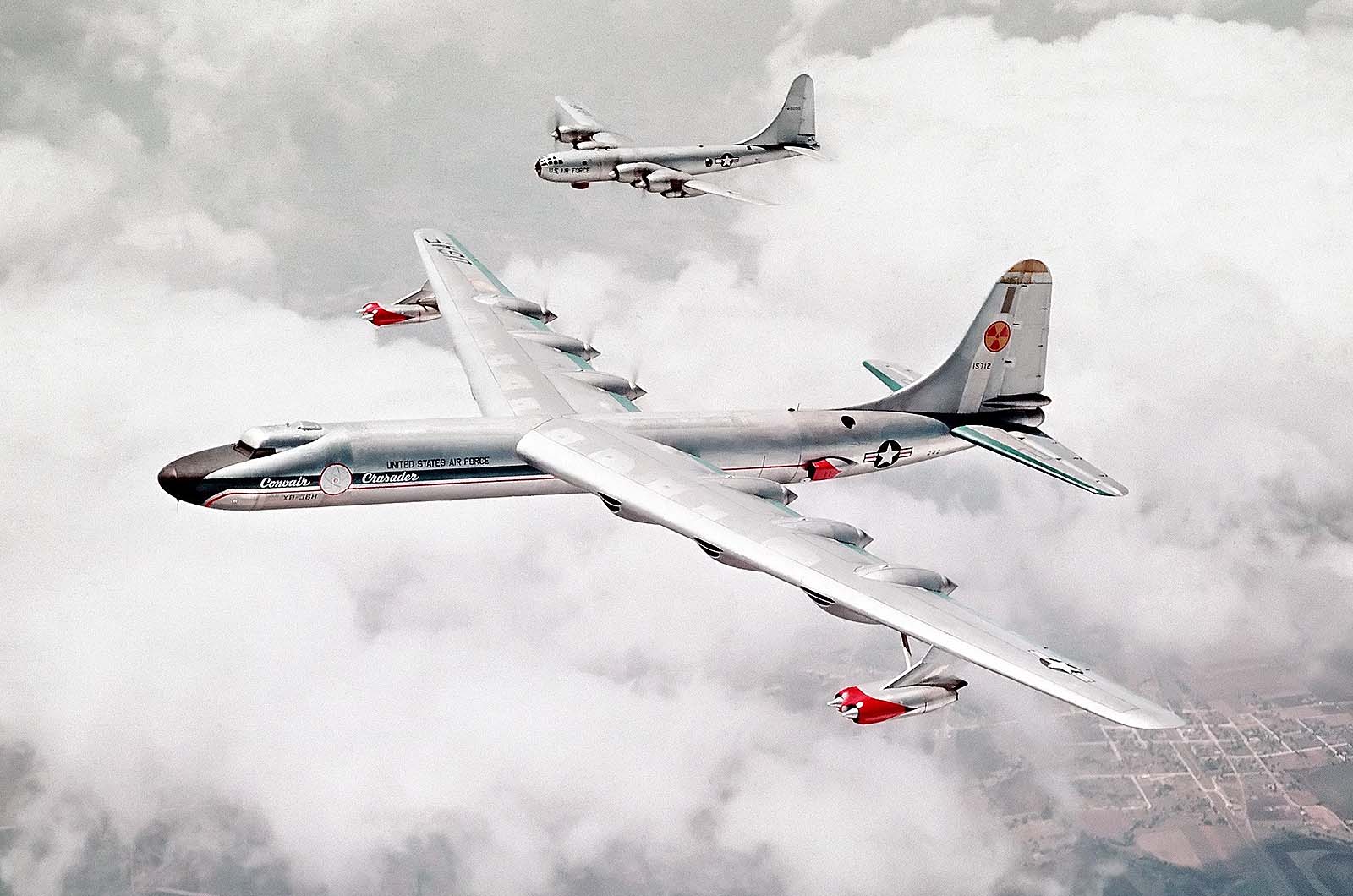
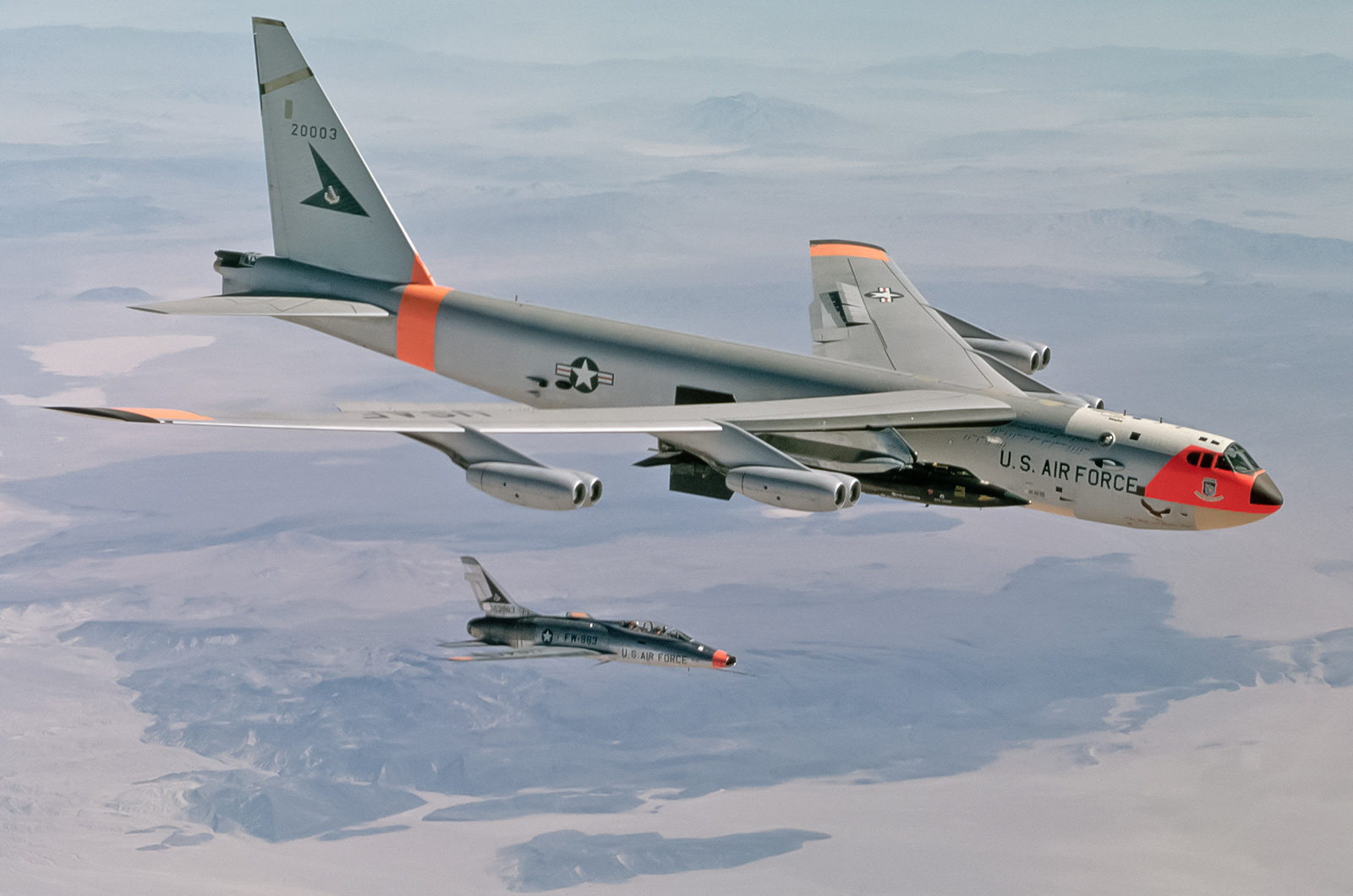
The NB-36H flew with an active nuclear reactor, not for propulsion, but to test crew shielding from radiation. The standard aircrew, along with two nuclear technicians, were housed in a heavily shielded section of the aircraft. A monitoring system, codenamed “Project Halitosis,” tracked the emission of radioactive gases.
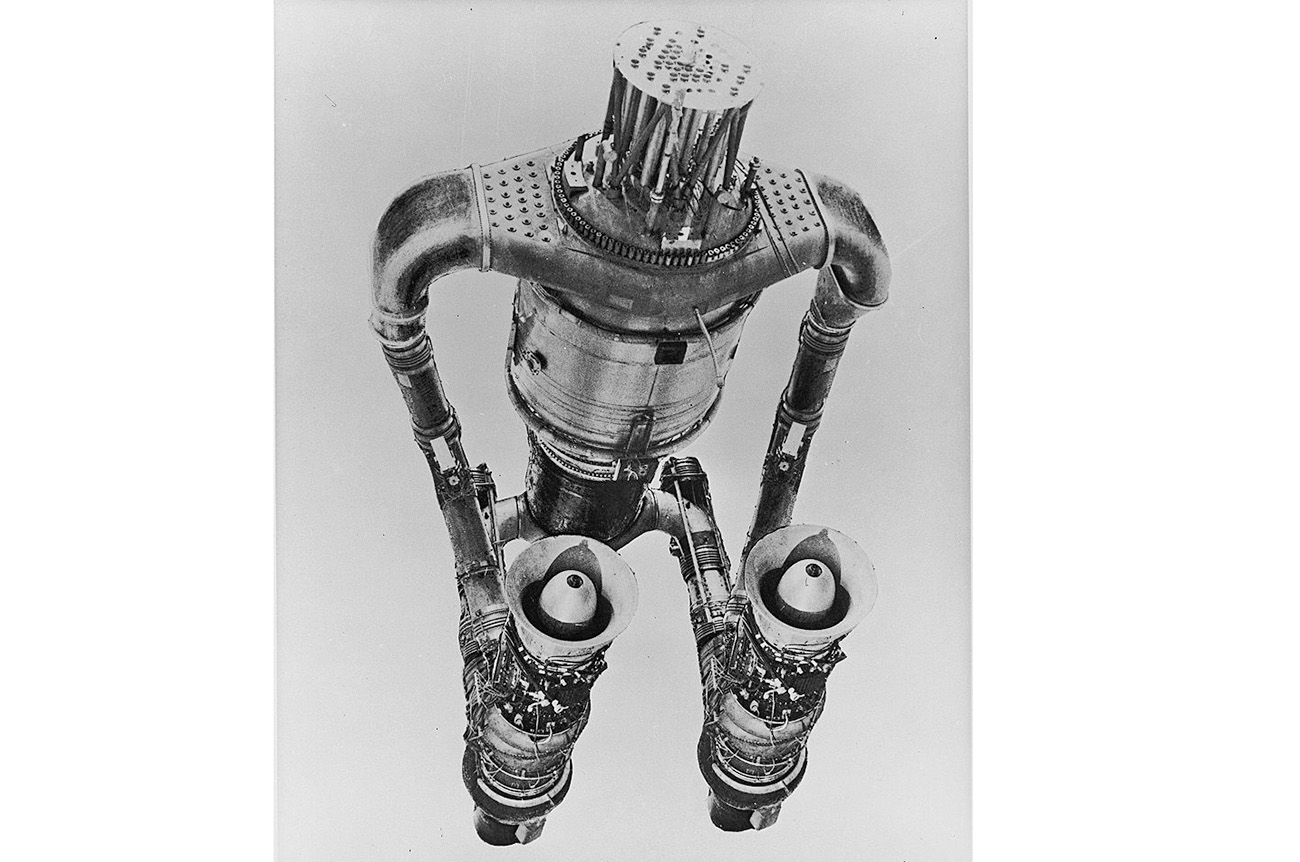
A significant challenge, never fully resolved, was effectively shielding the crew from radiation sickness. The potential implications of a nuclear-powered aircraft crashing were also a major concern. The advent of intercontinental ballistic missiles (ICBMs) reduced the perceived need for such long-range bombers. US research alone reportedly cost a staggering $1 billion, equivalent to over $10 billion today. Project Pluto envisioned a nuclear ramjet for cruise missiles, known as SLAM (Supersonic Low-Altitude Missile). While this ambitious project was cancelled, similar concepts may still be under development in Russia today.
1. The Coal-Powered Ramjet: A Desperate Measure
In the twilight of World War II, with Germany facing defeat and severe fuel shortages, aircraft designers resorted to increasingly unconventional ideas. Alexander Lippisch, a pioneer in rocket propulsion and supersonic aerodynamics, proposed a radical solution: a coal-powered ramjet for a supersonic fighter.
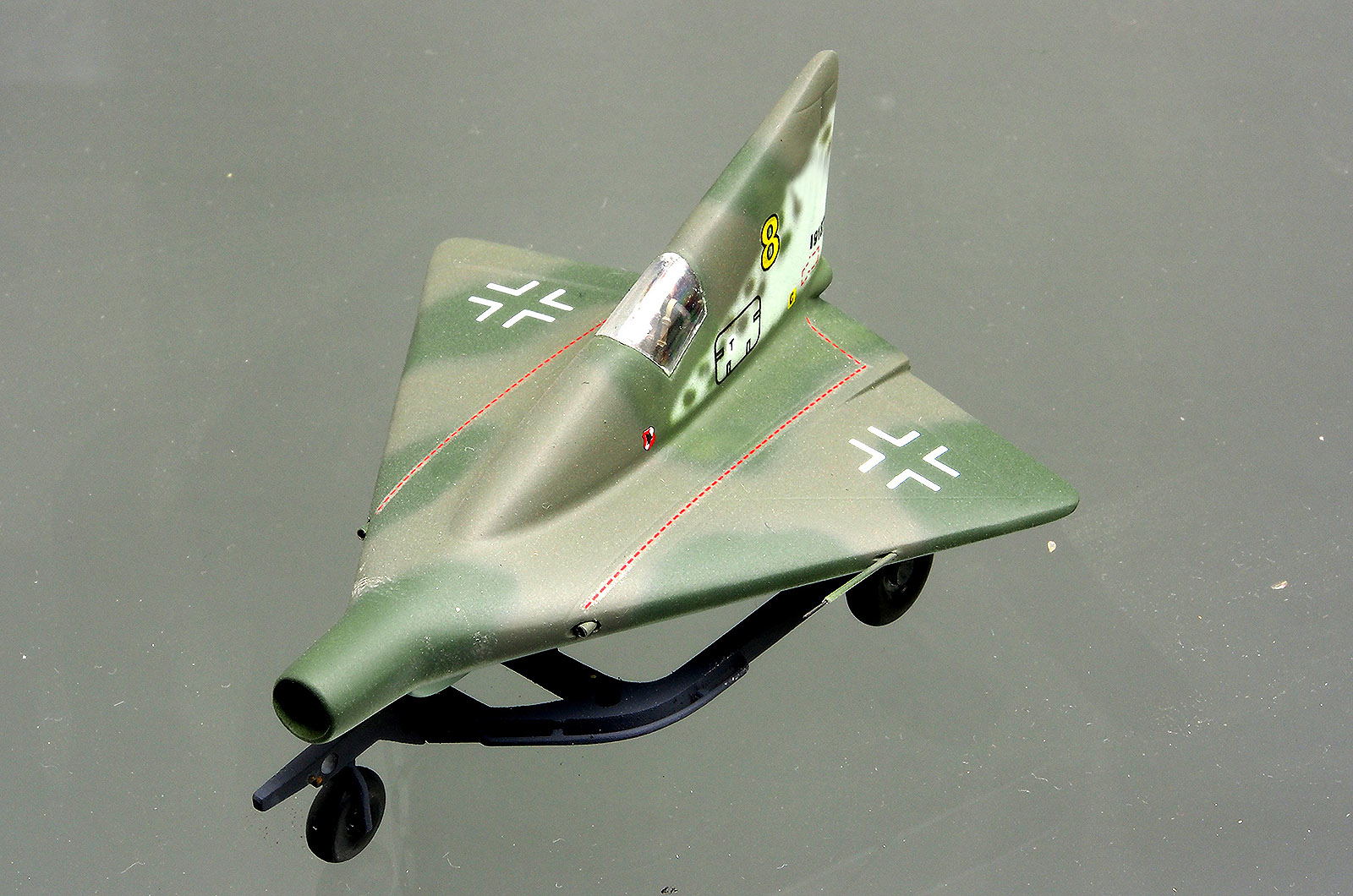
The Lippisch P.13 was envisioned as a supersonic interceptor designed to operate despite a lack of conventional fuels. The proposed propulsion system involved a ramjet that would burn small granules of coal, fed from a rotating basket. The Kronach Lorin ramjet was tested on the ground, intended for use in the Lippisch P.13a and P.13b interceptors. However, the P.13 never flew before Soviet forces arrived in Vienna.
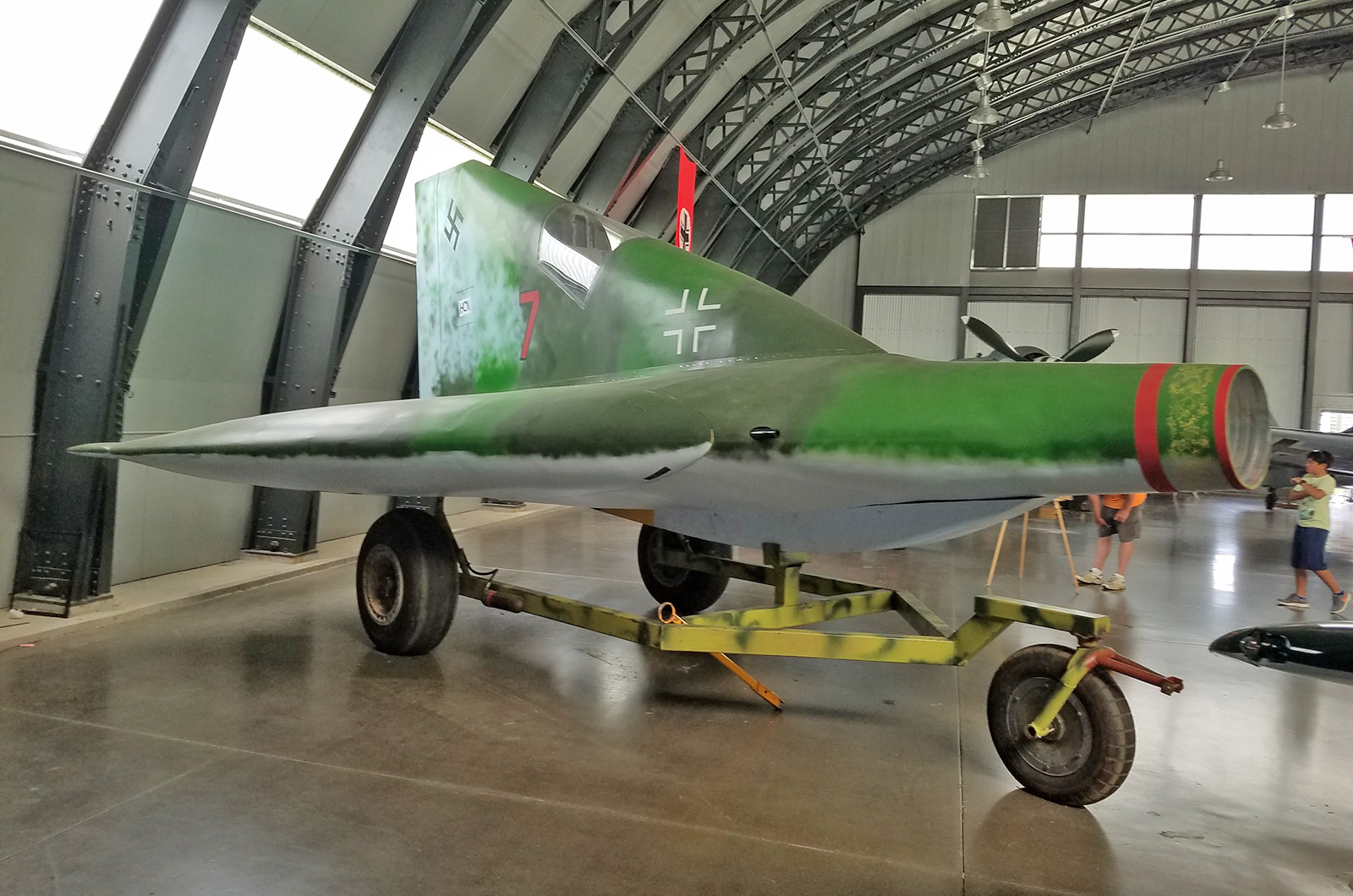
This concept, born out of desperation, represents one of the most outlandish yet fascinating ideas to emerge from the annals of aviation history, showcasing the lengths to which engineers would go in their pursuit of flight and innovation.


