
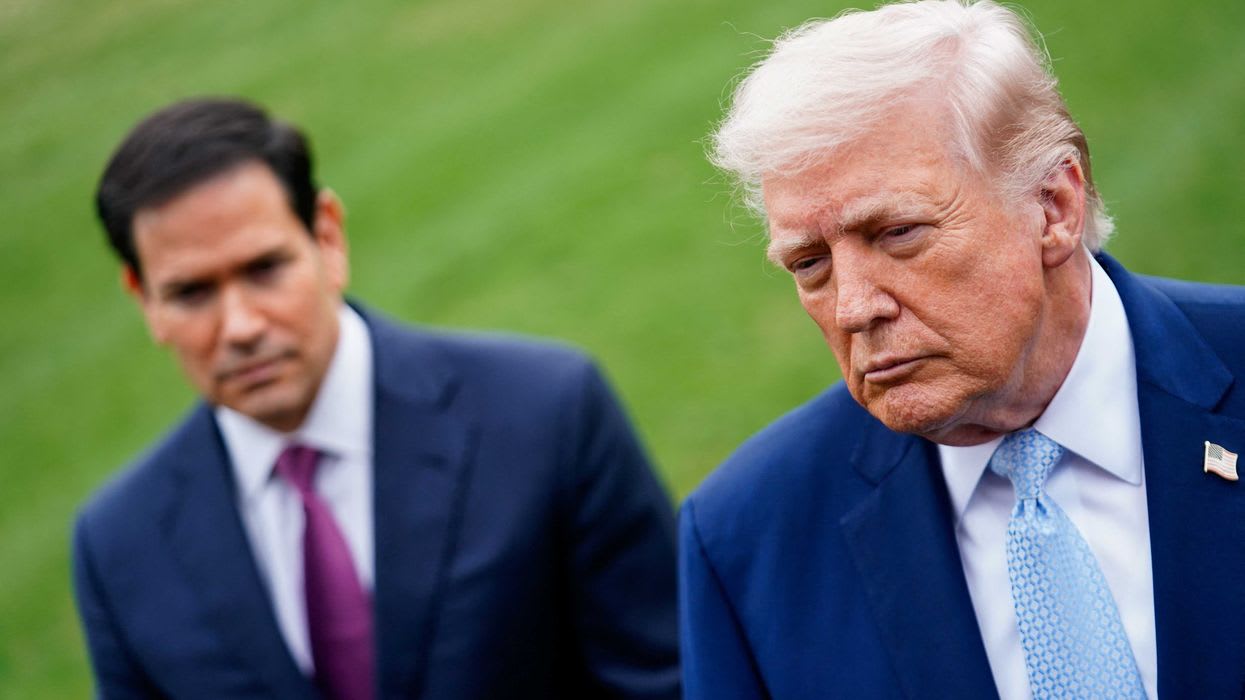
President Donald Trump has expressed confidence that the United States is nearing its goals in the Middle East concerning Iran, suggesting a possible reduction in military activities. This statement highlights a shift in focus, potentially signaling the end of an extended campaign.
On his Truth Social platform, Trump outlined five main objectives for the ongoing efforts:
Completely degrading Iranian Missile Capability, Launchers, and everything else pertaining to them. This goal emphasizes the need to weaken Iran’s ability to launch missiles, which is seen as a critical component of their military strategy.
Destroying Iran’s Defense Industrial Base. By targeting the infrastructure that supports Iran’s defense sector, the U.S. aims to limit the country’s capacity to produce weapons and other military equipment.
Eliminating their Navy and Air Force, including Anti Aircraft Weaponry. This objective focuses on neutralizing Iran’s naval and air forces, which are considered a threat to regional stability.
Never allowing Iran to get even close to Nuclear Capability, and always being in a position where the U.S.A. can quickly and powerfully react to such a situation, should it take place. This goal underscores the importance of preventing Iran from developing nuclear weapons, which could have far-reaching consequences for global security.
Protecting, at the highest level, our Middle Eastern Allies, including Israel, Saudi Arabia, Qatar, the United Arab Emirates, Bahrain, Kuwait, and others. The U.S. aims to ensure the safety and security of its allies in the region, reinforcing its commitment to regional stability.
Trump also addressed the strategic Hormuz Strait, emphasizing that the responsibility for its security should fall to other nations that rely on it. “The United States does not!” he stated, while adding that America would assist if requested. This suggests a potential realignment of responsibilities in the region.
The president characterized the operation as straightforward for allied nations, calling it “an easy Military Operation for them.” This implies that the U.S. believes its partners in the region are capable of handling the security challenges without significant American involvement.
While the specific details of how these goals will be achieved remain unclear, the overall message is one of confidence and a desire to reduce the U.S. footprint in the Middle East. This shift could have significant implications for the region’s dynamics and the future of U.S. foreign policy.


