A New Perspective on the Battle of Hastings
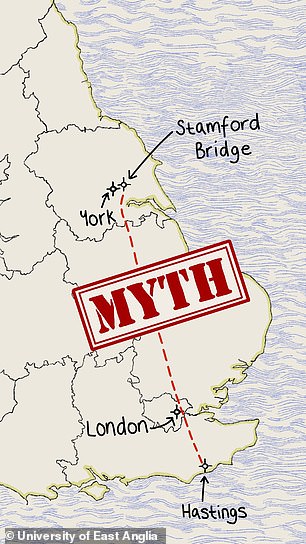
For centuries, the story of King Harold II’s 200-mile march to the Battle of Hastings in 1066 has been a cornerstone of English history. However, recent research from the University of East Anglia challenges this long-held belief, suggesting that the legendary march was nothing more than a myth.
According to the study, Harold’s journey to Hastings was not a desperate overland trek but a carefully orchestrated land and sea operation. The findings have sparked a reevaluation of one of the most iconic events in English history.
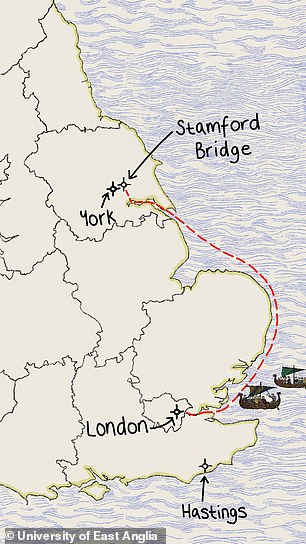
The Anglo-Saxon Chronicle, an essential historical record compiled from the late 9th century until the 12th century, has been at the center of this debate. Historians have traditionally interpreted references to Harold’s fleet as indicating that he had disbanded his navy before the battle. This interpretation led to the belief that Harold was forced to march south from Yorkshire on foot after defeating Harald Hardrada at the Battle of Stamford Bridge.
However, Professor Tom Licence, who led the study, argues that this view is based on a misunderstanding. He explains that the phrase “came home” in the Chronicle likely refers to the fleet returning to its base in London rather than being disbanded. This new interpretation suggests that Harold maintained control of his naval forces throughout the year.
Key Findings of the Study
- The famous 200-mile march is a Victorian invention
- Harold never disbanded his fleet
- He used the fleet against Harald Hardrada
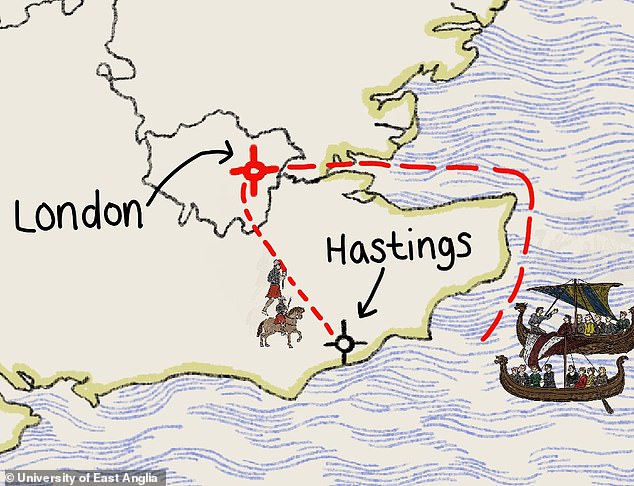
- He attempted a naval pincer movement against Duke William
- Evidence suggests a naval battle in early October 1066
Professor Licence notes that contemporary sources mention Harold sending hundreds of ships to block Duke William after the Norman landing. These references have caused confusion, as it was assumed that Harold no longer had a fleet. However, the study reveals that the fleet was used for multiple purposes, including defending the south coast, supporting campaigns against Harald Hardrada, and later rushing back to face William.
This new understanding reframes the events of 1066, highlighting Harold’s strategic use of England’s naval assets. Rather than being a reactive and exhausted commander, Harold appears to have been a skilled strategist leveraging both land and sea resources.

Implications for Historical Understanding
Roy Porter, English Heritage Senior Curator of Properties, acknowledges that the findings are sure to spark debate among historians. He states that the evidence aligns with the idea that Harold used naval forces to transport soldiers and threaten William. Additionally, accounts of the Norman invasion provide further support for this possibility.
Porter adds that considering Harold’s response as more sophisticated than previously understood could change how historians view the events leading up to the Battle of Hastings. It also raises questions about whether William’s decision to fight was influenced by his awareness of Harold’s naval capabilities.
Timeline of the Norman Conquest
- January 1066 – Edward the Confessor dies. Harold Godwinson becomes king.
- 20 September 1066 – Harold defeats the army of Tostig and Harald Hardrada at Fulford.
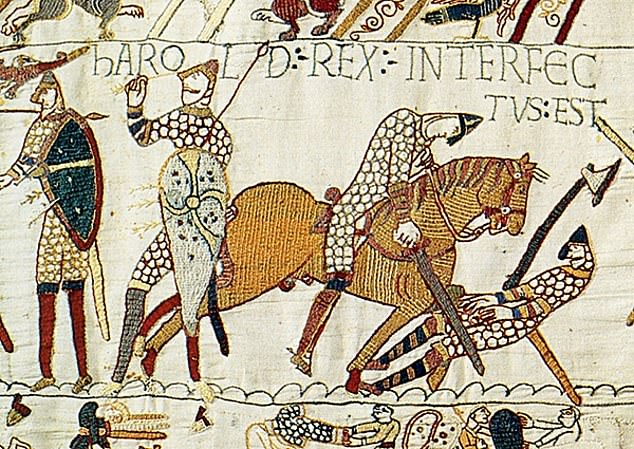
- 14 October 1066 – William of Normandy lands and meets Harold at Hastings. Harold is killed.
- October to December 1066 – A state of war continues until a deal is struck between William and the English magnates.
- 25 December 1066 – William is crowned King of England in London.
- 1067 – Harold’s mother fortifies Exeter while William returns to Normandy.
- Summer 1068 – Harold’s sons attempt to take Bristol but are driven back.
- 1069 – Godwine and Edmund return to England with new forces but are eventually defeated.
Posting terkait:

Chord dan Lirik Lagu Everything U Are – Hindia: Cerita Kita Sama
Online dating has become an increasingly popular way to meet new people, and for those interested in Latin women dating, the options have never been more abundant. Connecting with Slavic penpal women online starts with choosing where to look. The digital world offers countless opportunities to connect with latina singles from various backgrounds, but knowing when to transition from online chats to an actual meeting is crucial for building meaningful relationships. Many people find themselves wondering how long they should communicate online before meeting in person, and this decision can significantly impact the success of their connection. While some platforms specialize in helping you meet single latin ladies online, the real journey begins when you decide to take your virtual interaction to the next level.