
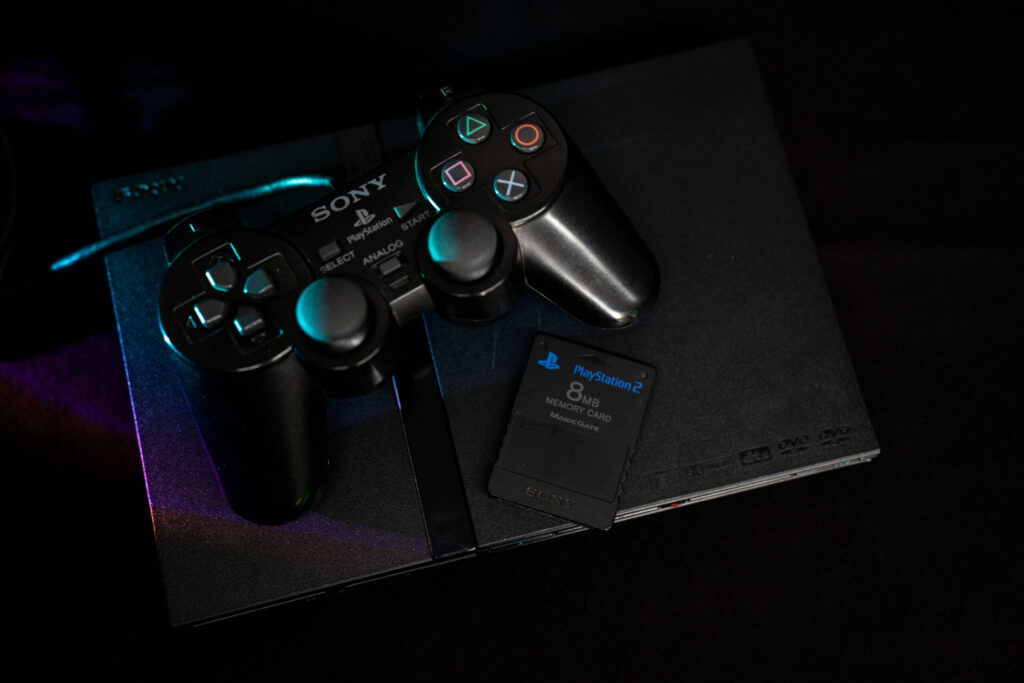
The PlayStation 2 (PS2) era was a fascinating period for Japanese Role-Playing Games (JRPGs). It marked a shift from the more universally appealing titles of the original PlayStation, venturing into experimental territories. However, as the industry evolved with the advent of the PlayStation 3 (PS3) and its escalating development costs, publishers often opted for safer, more commercially viable projects. This meant that many of the ambitious and unique PS2 JRPGs, which dared to tread unconventional paths, were subsequently left behind.
While some beloved PS2 JRPGs have seen a welcome resurgence through modern remasters and ports, such as Final Fantasy X HD Remaster and Persona 3 Portable, a significant number remain inaccessible on current gaming platforms. The reasons for their continued absence are varied, ranging from complex licensing agreements and the unfortunate loss of original source code to a perceived lack of commercial appeal in today’s market.
This leaves a treasure trove of distinctive PS2 JRPGs, ten of which are highlighted here, effectively “stuck” on their original hardware, yearning for a revival that may never come.
Shadow Hearts: A Horror-Infused RPG
Developed by Sacnoth, Shadow Hearts carved a unique niche for itself within the JRPG landscape. It boldly embraced a horror theme, a departure from the genre’s typical fantasy or sci-fi settings. The game’s combat system was equally innovative, featuring a time-based mechanic known as the Judgement Ring. This system rewarded players for precisely timed button presses, offering critical hits and bonus damage for those who mastered its rhythm.
The narrative centres on Yuri, a “Harmonixer” with the extraordinary ability to transform into various monsters. His journey involves protecting a young girl named Alice from a host of supernatural threats. The blend of psychological horror, a compelling story, and its unique combat system made Shadow Hearts a standout title of its generation.
Steambot Chronicles: Forge Your Own Path in a Steampunk World
Steambot Chronicles offered a refreshing take on the open-ended RPG experience, immersing players in a richly realised steampunk world. At its core, the game allowed players to pilot and customise their own mechs, affectionately known as Trotmobiles. These versatile machines were central to navigating the game’s expansive towns and engaging in a variety of jobs.
What set Steambot Chronicles apart was its non-linear approach to storytelling. Instead of a predetermined plot, players were presented with multiple choices that genuinely influenced the unfolding events and the overall narrative. Beyond the core gameplay loop of combat and exploration, the game encouraged players to engage in a diverse range of side activities, from performing music to participating in trade, creating a truly dynamic and personalised gaming experience.
Xenosaga Episode III: Also sprach Zarathustra: Philosophical Depths in Space
Developed by Monolith Soft, Xenosaga Episode III: Also sprach Zarathustra served as the spiritual successor to the critically acclaimed Xenogears. While familiar characters like KOS-MOS and Shion Uzuki remained integral to the plot, the narrative delved into significantly heavier and more philosophical themes. The game masterfully wove together complex ideas from philosophy and religion with intricate space politics, creating a narrative tapestry that was both thought-provoking and engaging. The combat system adhered to the traditional turn-based JRPG formula, allowing for strategic planning and execution of attacks.
Front Mission 4: Tactical Mech Combat on a Global Scale
Front Mission 4 is a prime example of a tactical JRPG that excelled in its strategic depth. The game featured a turn-based, grid-based combat system that demanded careful positioning and unit management. The story unfolded through the perspectives of two distinct protagonists: Elsa, operating in Europe, and Darril, based in South America. Players were tasked with controlling customizable mechs, known as Wanzers, engaging in intense, strategic battles. While the fifth instalment in the Front Mission series is often lauded as the franchise’s pinnacle, Front Mission 4 remains a captivating and exclusive PS2 experience.
Radiata Stories: A World Teeming with Life and Conflict
Developed by tri-Ace, Radiata Stories invited players into the vibrant kingdom of Radiata, following the journey of Jack Russell, a young knight. The game’s world was designed to feel alive, with NPCs engaging in fascinating daily routines that gradually drew players into its intricate tapestry. However, this seemingly peaceful world is soon plunged into a major conflict between humans and a diverse array of other creatures, including dwarves and fairies.
A key feature of Radiata Stories was its impressive roster of over 170 recruitable characters. While not all of them were directly controllable in combat, their presence and unique abilities added significant depth to the gameplay and the overall world-building.
Valkyrie Profile 2: Silmeria: Visual Prowess and Real-Time Combat
tri-Ace truly pushed the boundaries of visual presentation with Valkyrie Profile 2: Silmeria. The game showcased stunning 3D environments, a significant leap forward for its time, while retaining the engaging side-scrolling exploration that fans had come to expect. The familiar Norse mythology setting was present, but the combat system was where the game truly shone. It featured real-time action, granting players a more direct and visceral control over their characters’ attacks and movements, making each encounter feel dynamic and exciting.
Grandia III: Soaring Adventures and Fast-Paced Battles
Developed by Game Arts, Grandia III offered a grand adventure centred on Yuki, a 16-year-old aspiring pilot with dreams of circumnavigating the globe. Joined by Alfina, a “Communicator” who could commune with guardian beasts, their quest led them on a search for Alfina’s missing brother, Emelious. The game’s combat system was a highlight, boasting a fast-paced, real-time design. This system allowed players to not only execute their own attacks swiftly but also to strategically cancel out enemy actions, adding a layer of tactical urgency to every battle.
Arc the Lad: Twilight of the Spirits: A Tale of Two Worlds
The central theme of Arc the Lad: Twilight of the Spirits revolved around the deep-seated conflict between humans and the Deimos, a race of supernatural beings. This conflict was compellingly explored through the dual perspectives of Kharg and Darc, characters who found themselves on opposing sides of the war. As their individual storylines progressed, the true nature and underlying causes of the conflict were gradually revealed. The game employed a grid-based combat system, emphasizing the importance of strategic positioning and precise timing over simple action selection. The intersecting narratives of Kharg and Darc brought the escalating tensions and the dire consequences of the war into stark relief.
Breath of Fire: Dragon Quarter: Survival in a Dystopian Depths
Breath of Fire: Dragon Quarter transported players to a grim, dystopian world governed by a rigid caste system known as the D-Ratio. Players assumed the role of Ryu, a low-class ranger thrust into a dungeon-crawling, survival-horror experience. His mission was to aid a young woman named Nina in her escape from the oppressive underground world and her quest to reach the surface, a daunting task given that their reality lay 1000 metres below ground. The game featured an innovative Positive Encounter and Tactics System, designed to prevent players from engaging in unnecessary battles, thus preserving precious resources and enhancing the survival aspect of the gameplay.
Eternal Poison: A Descent into Darkness and Demonology
In Eternal Poison, multiple factions converge upon the cursed realm of Besek, each driven by their own distinct motivations – be it the pursuit of power, the thirst for revenge, or the primal instinct for survival. The game unfolds through the journeys of various protagonists, each with their own unique storyline and objectives. As their paths intertwine and their personal quests progress, the deeper, pervasive corruption at the heart of Besek is gradually brought to light. The game featured a tactical grid-based combat system, but its unique selling point was the emphasis on capturing demons. These captured demons could then be utilised as valuable resources or even recruited as allies. The narrative consistently painted a darker, more unsettling picture of the world as the player delved deeper into its mysteries.
Until publishers recognise the enduring appeal and potential of these forgotten gems, and see a viable reason to invest in their revival, most of these exceptional PS2 JRPGs will remain tantalisingly out of reach on modern gaming platforms, confined to the nostalgic glow of their original hardware.


