
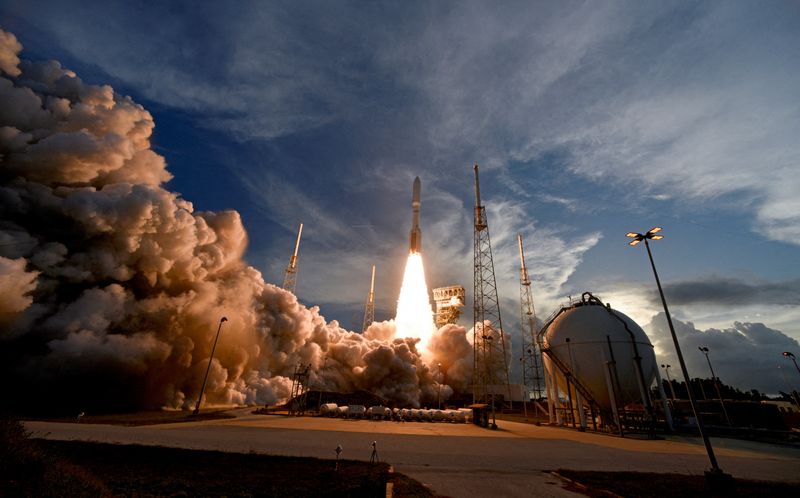
The race to the moon is heating up, with U.S. billionaires Elon Musk and Jeff Bezos spearheading ambitious new lunar programs. Both SpaceX and Blue Origin are vying to establish a human presence on the lunar surface, setting the stage for a new era of space exploration and potentially beating China’s 2030 target for an astronaut landing.
Musk’s Lunar Ambitions: “Moonbase Alpha” and AI Satellites
Elon Musk, the driving force behind SpaceX, has signalled a significant shift in the company’s strategic focus, moving away from his long-held aspiration of Mars colonisation. In recent public statements and internal discussions, Musk has articulated a vision for “Moonbase Alpha,” a lunar settlement designed to support a vast AI-computing network of up to one million satellites. This ambitious project would involve deploying a satellite-slinging launch device on the Moon’s surface, transforming it into a crucial hub for SpaceX’s future space-based operations.
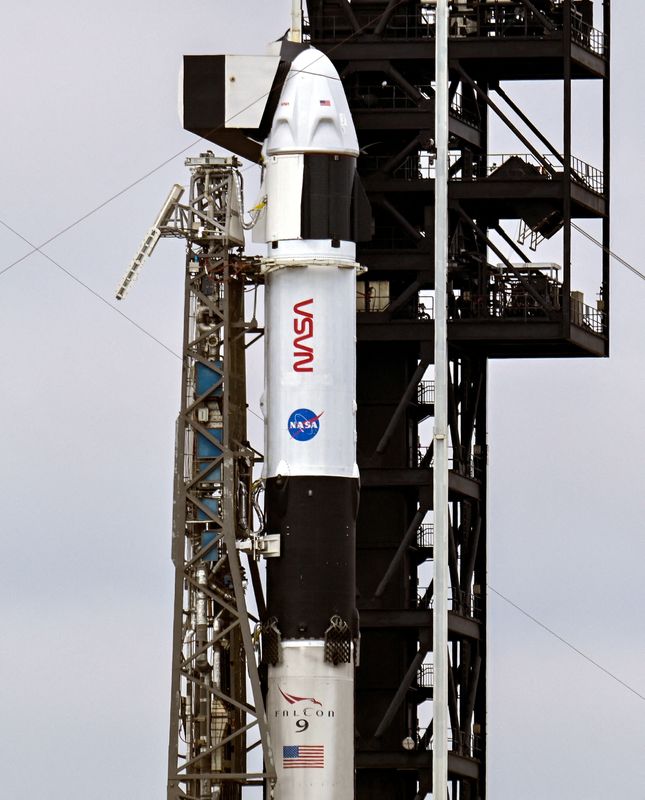
This intensified focus on the Moon marks a notable departure from Musk’s previous pronouncements. As recently as last summer, he had described the Moon as a “distraction,” prioritising uncrewed Starship missions to the Red Planet. However, the prospect of establishing a lunar base appears to have captured his imagination and strategic planning, particularly as SpaceX prepares for a potential Initial Public Offering (IPO) later this year, which could see the company valued at over $1 trillion. The company’s ongoing commitment to NASA’s space endeavours was recently highlighted by the successful launch of an astronaut mission to the International Space Station.
Bezos’ Steady Approach: “Gradatim Ferociter”
Jeff Bezos, the founder of Blue Origin, has also ramped up his company’s lunar ambitions. In a strategic move, Blue Origin has recently redirected resources from its suborbital space tourism business to bolster its Blue Moon lunar lander program. This renewed focus is in preparation for an uncrewed mission to the lunar surface planned for this year.
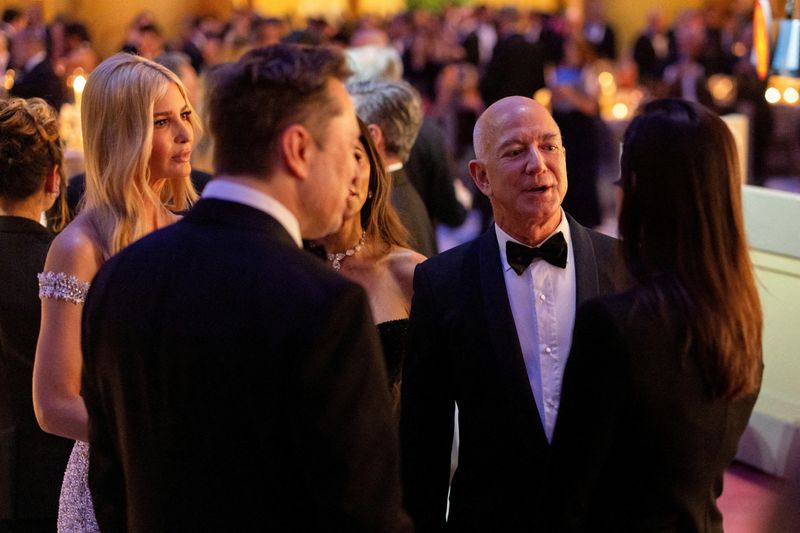
The rivalry between Musk and Bezos has become increasingly visible. Following a series of posts by Musk on X (formerly Twitter) hinting at a “pivot” to the Moon, Bezos responded with a black-and-white image of a tortoise. This imagery clearly evokes Aesop’s fable of the tortoise and the hare, symbolising Blue Origin’s methodical and persistent approach to space exploration, encapsulated in their motto “Gradatim Ferociter” – Latin for “step by step, ferociously.”
NASA’s Role and the Geopolitical Race
NASA views a return to the Moon as a critical stepping stone for future crewed missions to Mars. The agency is actively encouraging both SpaceX and Blue Origin to accelerate their lunar lander development, recognising the urgency to outpace China’s own ambitious plans for an astronaut landing by 2030. This competitive pressure from China is a significant motivator for the U.S. space program.
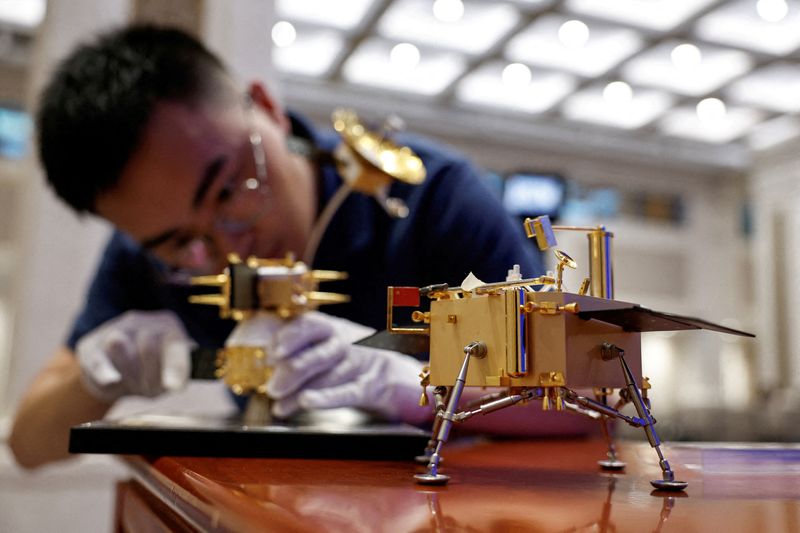
The U.S. government and its primary space contractors are expected to significantly increase spending on lunar initiatives, benefiting numerous companies within the burgeoning space sector. Blue Origin’s uncrewed lunar mission this year is a vital precursor to astronaut landings, forming a key component of NASA’s Artemis program. This program also heavily relies on SpaceX’s Starship for its lunar ambitions.
Technological Advancements and Development
Blue Origin’s lunar lander, developed at their Seattle-based facilities, recently underwent crucial thermal and vacuum testing at NASA’s Johnson Space Center in Texas, marking a significant milestone in its development. Both Blue Origin and SpaceX are receiving billions of dollars in funding from NASA to develop their respective lunar landers. These vehicles are intended to facilitate a series of astronaut moon landings, commencing with SpaceX’s Starship. This marks a return to lunar exploration for NASA, which first landed humans on the Moon in 1969 as part of the Apollo program, with a total of 12 U.S. astronauts walking on the lunar surface before the program concluded in 1972.
Musk’s vision extends beyond mere landings. He has spoken of establishing a “self-growing city” on the Moon and utilising the lunar surface as a launchpad for AI satellites. This aligns with his broader objective of expanding AI computing capabilities into space, a move further bolstered by SpaceX’s recent acquisition of Musk’s AI venture, xAI.
Investment and Industry Impact
The increased activity and competition in the lunar space are generating significant interest from investors. Andrew Chanin, CEO of ProcureAM, a firm specialising in space investments, noted that if SpaceX can establish a strategic presence and infrastructure on the Moon early on, they could exert considerable influence over its future utilisation.
While SpaceX’s Starship rocket has yet to deploy anything into orbit, it has undergone 11 test launches since 2023, with an upgraded test anticipated within the next month. The upper stage of Starship, designed to function as the lunar lander, is currently targeted for a crewed lunar landing by 2028. However, many within the industry consider this timeline to be exceptionally challenging.
SpaceX faces numerous developmental hurdles for Starship to function effectively as a lunar lander. These include mastering in-orbit refueling with a dedicated “tanker” Starship and ensuring reliable landings on the Moon’s challenging terrain before it can safely carry astronauts.
Kathy Lueders, who previously headed NASA’s human spaceflight operations and now oversees SpaceX’s Starship development site in Texas, believes that the heightened urgency driven by the SpaceX-Blue Origin rivalry, particularly with Musk’s renewed focus on the Moon, is beneficial for NASA’s competitive stance against China. She stated that Musk’s pronouncements have galvanised SpaceX, making the company intensely focused on returning to the Moon.
The competition between Musk and Bezos is creating a ripple effect across the nascent U.S. lunar industry. Justin Cyrus, CEO of Lunar Outpost, a company that has already deployed a lunar rover and plans to develop lunar infrastructure, reported a surge in investor interest. He observed a palpable shift in the investment community’s perception of the lunar surface’s potential over the past two years, with Musk’s recent announcements further intensifying this momentum.


