Exmouth Devastated: Cyclone Narelle Leaves Trail of Destruction
Western Australia’s rugged coastline is grappling with the aftermath of ex-Tropical Cyclone Narelle, a fierce storm that has left a significant swathe of destruction in its wake. The popular tourist destination of Exmouth, situated on the North West Cape, bore the brunt of the system, enduring a weekend of relentless winds and torrential rain that have crippled essential services and left communities facing an arduous clean-up.
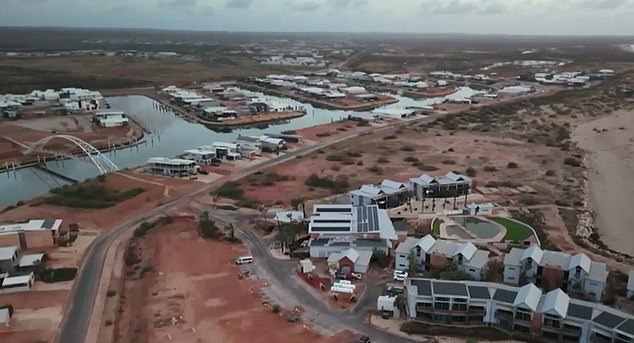
The cyclone, which had previously crossed the coast in Queensland over a week prior, intensified into a Category Four system at its peak before unleashing its fury on Exmouth. Located approximately 1,250 kilometres north of Perth, the town is now largely isolated. Power and water supplies remain completely cut off, and the main access road has been closed due to widespread flooding, severing vital links to the outside world.
A Town in Ruins
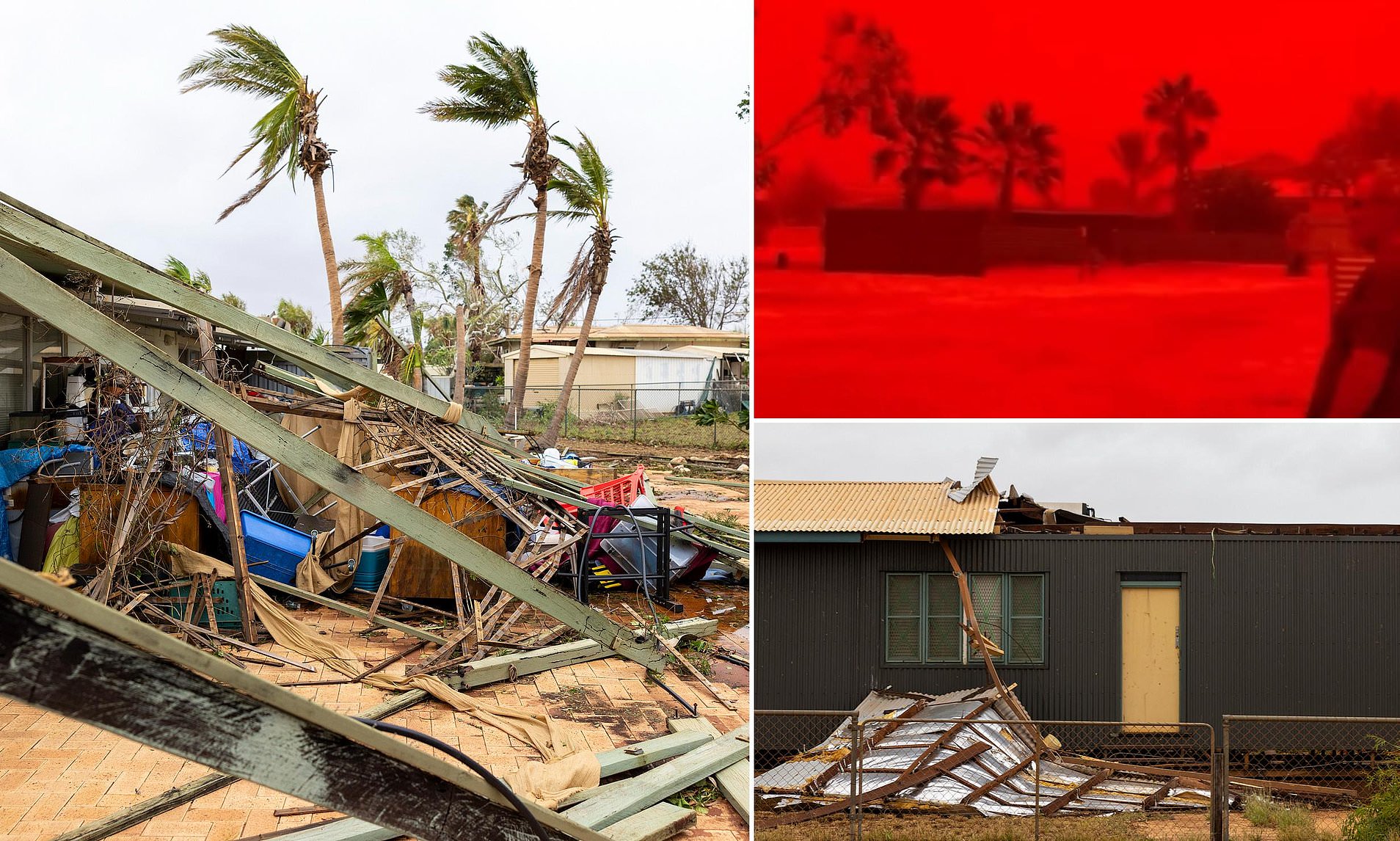
The impact of Narelle on Exmouth has been catastrophic. Wind gusts reaching up to an astonishing 250km/h tore roofs from buildings, uprooted established trees, and inundated homes with floodwaters. The sheer force of the cyclone led to the evacuation of 50 individuals from a local evacuation centre after the facility itself sustained significant wind damage. The local airport also suffered extensive damage, rendering it inoperable.
Shire president Matthew Nikkula described the scene as resembling “a war zone,” highlighting the profound disruption. “There is no current plan to get in and out,” he stated, underscoring the town’s isolation. The damage to the runways and terminals at Exmouth Airport has halted all air travel, preventing any immediate aerial assessment or relief efforts.
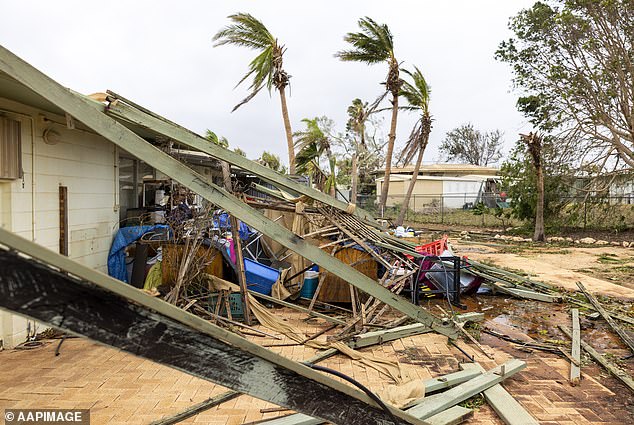
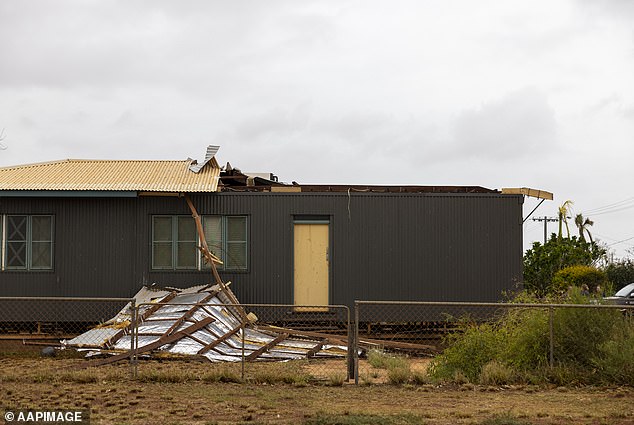
Local resident Craig Kitson, while counting himself among the fortunate, recounted a harrowing night spent sheltering under a leaking roof. He described the widespread devastation, noting that “some people’s lives have been drastically changed.” The sentiment of widespread destruction was echoed by many, with the visible impact being one of “devastation everywhere you look.”
Restoration Efforts Underway Amidst Ongoing Challenges
Authorities and the regional energy provider are working tirelessly to restore essential services to Exmouth and the nearby coastal town of Carnarvon, which is also experiencing power outages. Additional crews have been mobilised to assist local teams in what is expected to be a prolonged restoration effort. Simultaneously, significant work is being undertaken to repair damaged water infrastructure, a critical step in returning normalcy to the affected communities.
The ex-tropical cyclone, now a subtropical low, has moved offshore after its destructive passage through the northern parts of Western Australia. However, the heavy rainfall it generated has led to minor to moderate flooding in the Lyons and Gascoyne river catchments. Water levels in these areas are expected to continue rising, posing ongoing challenges for residents and emergency services.
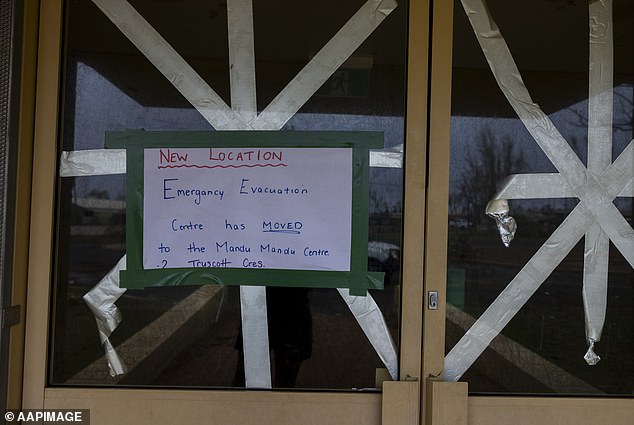
Emergency Services Commissioner Darren Klemm confirmed on Sunday that the recovery and clean-up operations following the storm are likely to span several weeks. This extensive timeline underscores the scale of the damage and the magnitude of the task ahead.
A Dust Storm Prelude to the Cyclone’s Fury
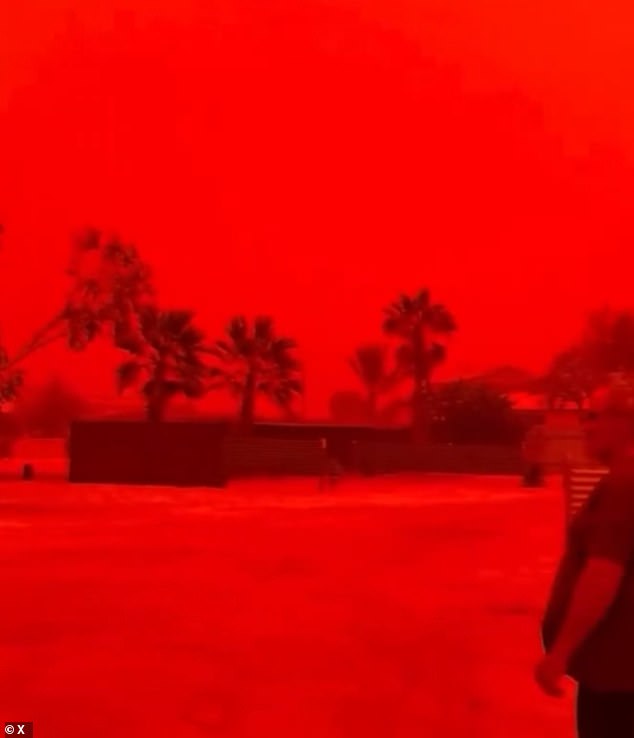
Adding to the dramatic events, incredible images emerged on social media depicting a massive wall of red dust engulfing Exmouth and its surroundings in the hours preceding Narelle’s landfall. Described as “incredibly eerie,” the dust storm coated everything in sight, creating an almost apocalyptic atmosphere. One post from Shark Bay Caravan Park in Exmouth vividly captured the scene, noting that “You can feel the dust in your eyes and mouth.”
Comments on social media likened the phenomenon to “Armageddon” and being “dropped onto Mars.” Despite the dramatic visual, the Shark Bay Caravan Park later reported emerging largely unscathed, requiring only minor cleaning to prepare for the upcoming Easter holidays. “The dust storm has left a layer of dust everywhere that we will be cleaning over the next few days,” a Facebook post stated. The park’s swimming pool was identified as the most affected area, necessitating temporary closure until it could be restored to its usual pristine condition.
Government Support and Relief Measures
In response to the devastation, the Western Australian government has made relief payments of up to $4,000 available to residents to address immediate needs. These funds are intended to cover essential expenses such as temporary accommodation, emergency transport, food, and clothing. Furthermore, eligible households that have suffered major damage to their homes can apply for a one-off payment of $2,000.
These relief measures will be administered by the Department of Fire and Emergency Services’ State Recovery team. Information regarding eligibility criteria and the application process is being made available to affected residents. The road to recovery for Exmouth and its surrounding communities will undoubtedly be long and challenging, but the immediate focus remains on providing essential support and beginning the monumental task of rebuilding.