The Ambitious Vision of SpaceX’s IPO
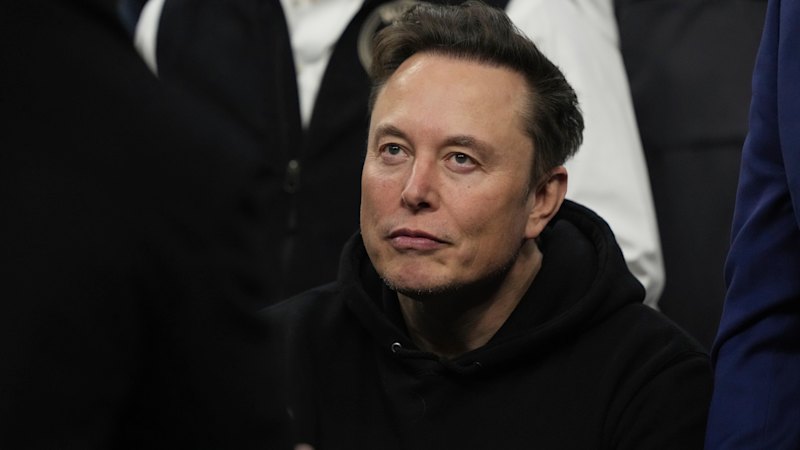
Elon Musk has initiated the process for what could be the largest initial public offering (IPO) in history, but is SpaceX truly worth $2.5 trillion? A confidential filing for the float of Musk’s rocket company, which also includes his xAI artificial intelligence start-up and the X social media platform, was submitted to the US Securities and Exchange Commission last week.
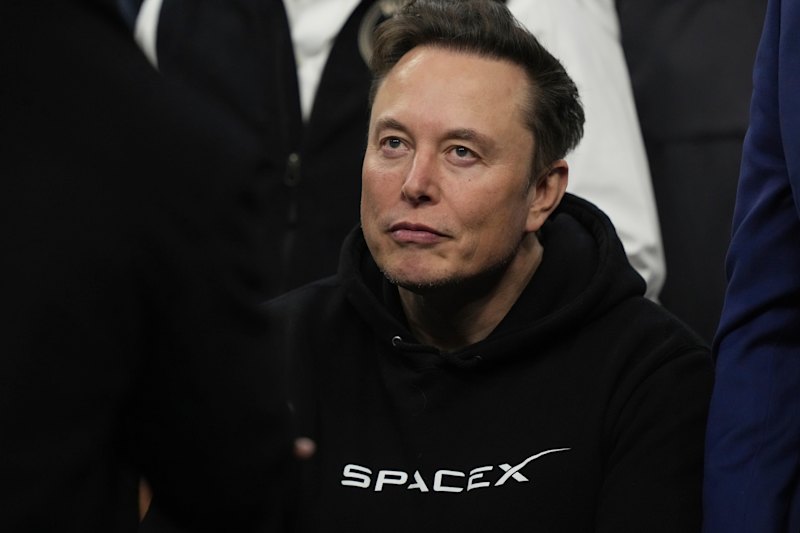
Although specific financial details will only be revealed when a public prospectus is released, likely mid-year, there are reports that Musk is aiming to raise $75 billion at a valuation of $1.75 trillion, with speculation that it could reach $2 trillion. This would surpass Tesla, valued at around $1.32 trillion, and Meta Platforms (Facebook’s parent), valued at about $1.45 trillion, making SpaceX the sixth-largest US company by market value, behind Amazon ($2.3 trillion).
A $75 billion fundraising would also outstrip the previous record set by Saudi Aramco, which raised $29 billion in 2019. Even at $1.75 trillion, the valuation of SpaceX seems to be rising at an astonishing rate. Just over a year ago, the company raised funds at a valuation of just over $350 billion. In December last year, a secondary sale of its shares valued it at about $800 billion, with reports that it would float this year with a similar valuation.
Last month, Musk merged xAI, which had previously merged with his social media entity, X, with SpaceX. The merger of xAI and X (valued at $230 billion in a $20 billion equity-raising in January) with SpaceX gave the combined businesses a value, on paper, of $1.25 trillion. Now, apparently, they are worth $1.75 trillion or more.
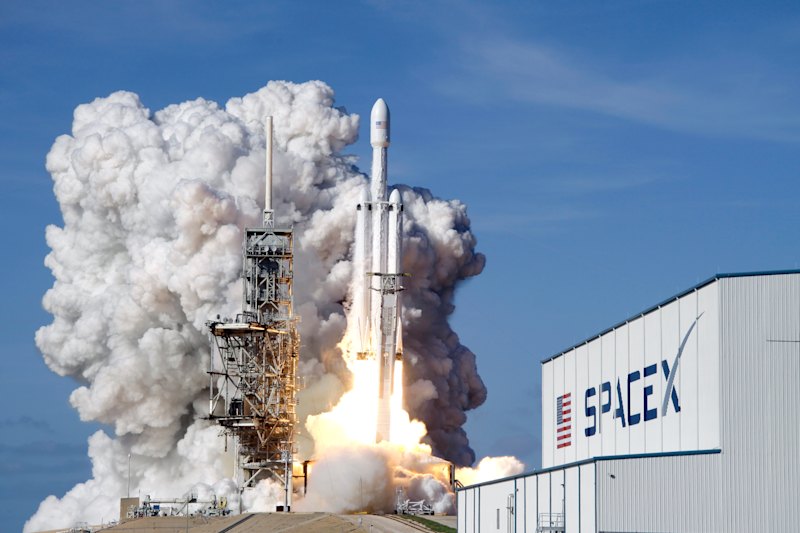
SpaceX’s financials remain unknown, although it is believed that its Starlink satellite business generated more than $2 billion in positive cashflow last year from estimated sales of about $15 billion. It is a profitable business growing at a rapid rate.
However, xAI, like most artificial intelligence start-ups, is burning cash at a rate of more than $1 billion a month, and X is unlikely to contribute anything materially positive to SpaceX’s finances.
Combining SpaceX with the other two Musk businesses (Tesla might eventually follow) has created a conglomerate out of what was a rational combination of satellites and rockets to deliver them into space. Whether this combination makes sense, at either an operational or financial level, depends on whether investors buy into Musk’s vision for what they might become.
He refers to a “the most ambitious, vertically integrated innovative engine on (and off) Earth” that will see SpaceX facilitating the delivery and building of data centres in space, powered by the sun or, as he put it, “scaling to make a sentient sun to understand the universe and extend the light of consciousness to the stars.” Whatever that might mean.
He envisions thousands of data centres in space, with humans working in SpaceX-established facilities on the moon and Mars to construct the centres and satellites. As yet, he has provided no detail, assuming there is any, of the formidable logistics and costs of realising his vision for space-based data centres, although that vision is critical to the stated logic of merging SpaceX with its cash-devouring siblings and to the question of whether SpaceX is worth anything remotely close to $1.75 trillion, let alone $2 trillion.
At those levels, investors would not only be capitalising the vision, but effectively investing many hundreds of billions as an act of faith in Musk himself. That may explain why the IPO is thought to be targeting a much higher proportion of retail investors, who have shown considerable faith in Musk, than has been the norm for big tech-oriented IPOs.
To put SpaceX’s valuation and the $75 billion it plans to raise through the IPO into perspective, Meta – valued at $300 billion to $550 billion less than the valuation range Musk is seeking for SpaceX – had capital expenditures of about $72 billion last year, mostly on AI infrastructure. This year, it plans to spend up to $135 billion. It has revenue of more than $200 billion and profits of more than $60 billion. It is valued at about 7.25 times its sales.
SpaceX had estimated revenue of just over $20 billion last year, xAI about $500 million and X about $2.25 billion. While SpaceX and xAI are growing their revenues rapidly, they are a very long way short of where Meta is today and the valuation of the Musk companies only makes sense if the eventual sales and earnings from Musk’s extraordinary ambition are extraordinary enough to be discounted back to a trillion or so of dollars of value today.
The equations become more challenging when it is recognised that, to realise his ambition, Musk is going to have to raise a lot more than $75 billion of new capital. Indeed, it would see that the motivation for going public and disclosing the finance of SpaceX that have previously been kept confidential is to create a much larger market for SpaceX’s equity.
There’s a risk that Musk could undermine what seems to be a great business – SpaceX – by pouring the capital it raises and the cash it generates into xAI, which is an AI business competing with companies with far, far deeper pockets in what is an increasingly crowded field.
There are already signs that AI investors are becoming more discriminating. There are two other big AI companies that have been considering their own IPOs for later this year – OpenAI (which started the AI frenzy when it released ChatGPT in late 2022) and Anthropic.
OpenAI raised $122 billion last week, at a valuation of $852 billion. Anthropic’s most recent capital raising was $30 billion, at a valuation of $380 billion, in February. According to Bloomberg, institutions that took up shares in OpenAI but are seeking to sell down some of their exposures are struggling to find buyers in the secondary market because Anthropic is now seen as having better value and more upside – despite the stoush the company is having with the Trump administration over its insistence that its AI tools shouldn’t be used in warfare without human supervision, nor used for mass surveillance.
That differentiation between two of the leading independent AI companies is occurring even as scepticism that the amounts being expended on AI, and the valuations afforded companies like OpenAI and Anthropic will ever generate a commercial return commensurate with the risks. Not every one of the companies chasing their visions for an AI future will survive, given how voraciously the sector is devouring capital and, to date, how significantly the rate of growth in AI investment has been relative to the growth in AI-related revenues.
Elon does talk a good vision and, while it’s not clear how much he owns of SpaceX today, it seems likely that a successful float of the entity containing his boldest vision yet could help make him, on paper at least, the world’s first trillionaire.
Author Michael Lewis, of The Big Short fame, once wrote, during the dot-com era of the late 1990s, of the “state of pure possibility” inherent in the inflated value of the stocks, saying a company had to be “every so slightly unknowable” to be desirable, in the midst of the frenzy in what turned out to be a financial bubble.
There’s a lot of pure “possibility” in Musk’s vision for SpaceX, and a lot that is, today, unknowable. For investors, that appears to be desirable. It will only be if or when Musk tries to transform that possibility into reality that they’ll know whether their judgment was sound.