Prime Minister Travels to Singapore for Fuel Security
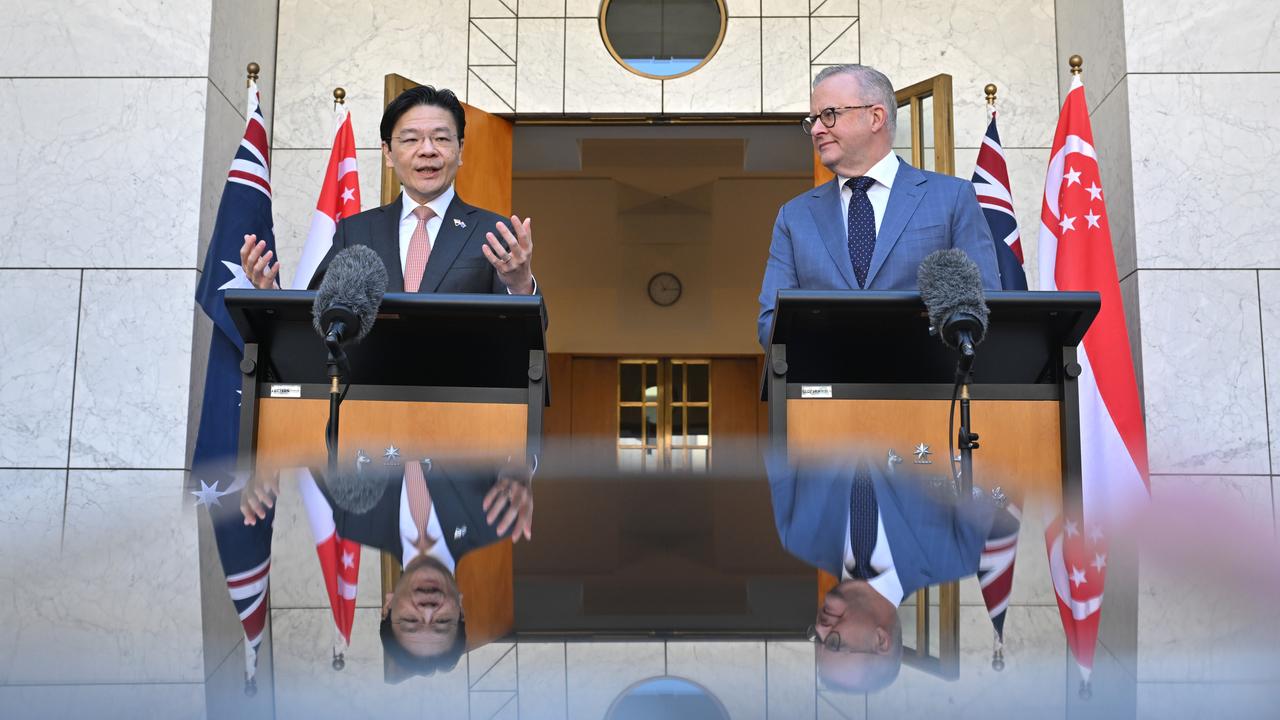
Prime Minister Anthony Albanese is set to travel to Singapore to ensure continued fuel supply for Australia. The visit, scheduled for Friday, comes as the government seeks to secure additional fuel supplies amid ongoing uncertainty regarding the conflict in the Middle East.
Speaking to reporters in Canberra on Tuesday, Albanese mentioned that the trip was arranged earlier than planned and would have been combined with another visit. He highlighted his conversation with Singaporean Prime Minister Lawrence Wong, emphasizing their shared concerns over the situation in the Middle East and its impact on both nations.
“The truth is that it’s happening earlier than was intended and would have been combined with another visit,” he said. “When I spoke with Prime Minister Wong, we agreed it would be good for us to have a discussion. He’s a leader of the region as well.”
Fuel Supply Concerns and Current Status
Australia relies heavily on Asian refineries for its fuel, and the government is working closely with partners to secure supply guarantees. Despite these efforts, experts warn that higher fuel prices at the pump and increased food costs at the checkout may persist for consumers even if the Middle East conflict ends soon.
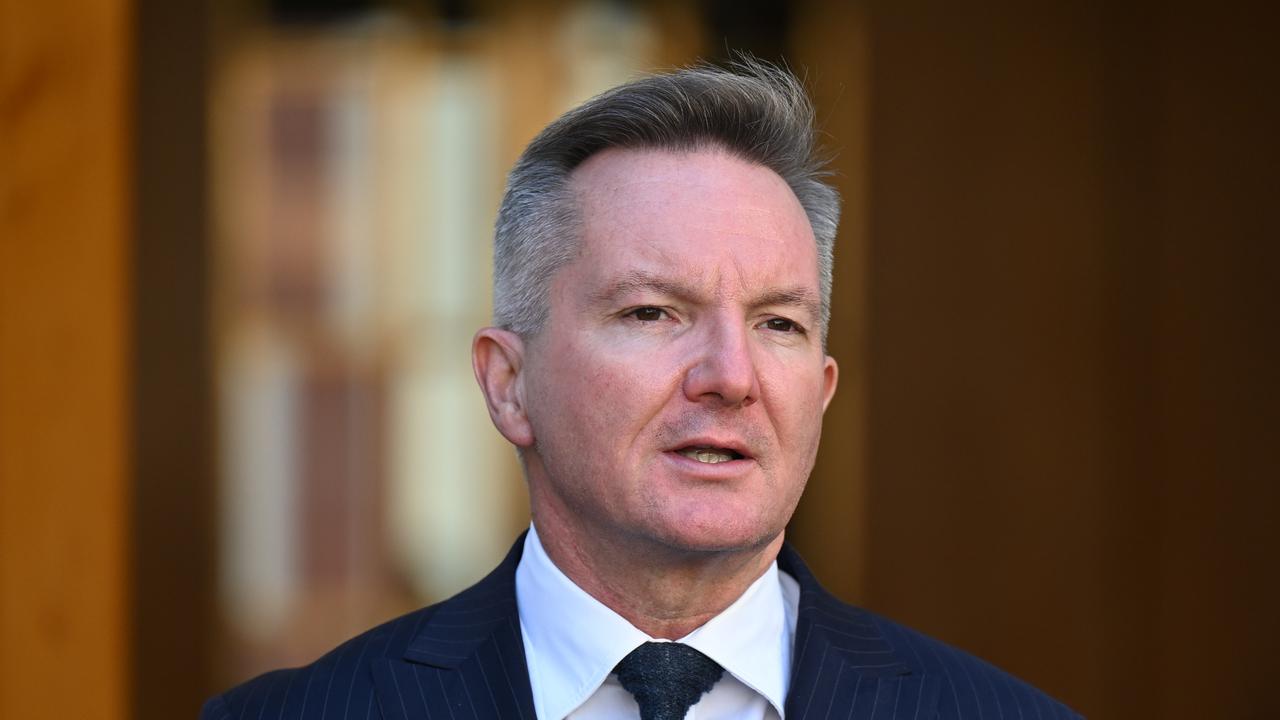
Energy Minister Chris Bowen confirmed that the government has secured fuel supplies well into May, with contracts already locked in for mid-April. He noted that the number of service stations without fuel continues to decrease.
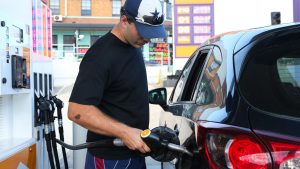
In New South Wales, 125 service stations are currently without diesel, a reduction of 17 from Monday. There are also 34 retailers without petrol, down five from the previous day. In Victoria, 40 service stations lack diesel, down 11, and 29 have no unleaded petrol. Queensland reports 34 stations without diesel and 30 without petrol.
Global Developments and Consumer Behavior
Meanwhile, US President Donald Trump has suggested that potential strikes on Iran could conclude within weeks, stating that core objectives are nearing completion. This development adds to the global uncertainty surrounding fuel supply chains.
As fuel prices continue to rise, Australians are turning to alternative transportation methods. Sales of electric bikes and cars have surged, driven by the need for more affordable commuting options.
Bicycle Industries Australia’s general manager, Peter Bourke, noted a significant increase in interest in e-bikes in recent weeks. He attributed this trend to growing concerns about long-term fuel price shocks linked to global supply challenges.
Rise in Electric Vehicle Adoption
The shift towards electric vehicles (EVs) has also gained momentum. Australian sales of electric cars nearly doubled in March, setting a national record. According to figures from the Federal Chamber of Automotive Industries, more than 15,800 new electric cars were purchased during the month. This marked a significant increase from the 7.5 per cent share of all new-car sales in March 2025, with pure electric cars now accounting for 14.6 per cent of total sales.
This trend reflects a broader movement among Australians seeking sustainable and cost-effective alternatives to traditional fuel-powered vehicles. As fuel prices remain volatile, the demand for electric vehicles is expected to continue growing.