Experiencing difficulty standing up after sitting can be a common issue, but if it happens regularly, it’s important to consult a doctor. While this problem may often be attributed to physical factors such as muscle stiffness, joint pressure, or poor circulation, medical professionals warn that recurring issues could indicate a rare and severe neurological condition known as locked-in syndrome (LiS). This condition can lead to complete paralysis while leaving the individual fully conscious.
Experts explain that those with locked-in syndrome are unable to move their bodies at all, yet they remain aware and capable of communication through eye movements. They can also use assistive technologies to express themselves.
Locked-in syndrome is caused by damage to a specific area of the brainstem called the pons. This region plays a crucial role in connecting the lower part of the brainstem to the cerebellum, which is responsible for coordinating most physical movements. The condition primarily affects individuals between the ages of 30 and 50. However, due to limited awareness, small daily challenges like difficulty standing up are often overlooked, leading to misdiagnosis or under-recognition of LiS.

Why Women Feel Colder Than Men: Doctors Reveal the Surprising Reason

Travel Influencer Ignored Fatigue Symptoms; Had a Heart Attack at Just 24
What causes locked-in syndrome?
According to medical experts, locked-in syndrome results from damage to the pons, a broad horseshoe-shaped structure made up of nerve fibres. This area connects the lowest portion of the brainstem to the cerebellum. The pons contains essential neuronal pathways that link the brain to the spinal cord, playing a vital role in movement and coordination.
When the pons is damaged, it disrupts the nerves that travel from the brain through the spinal cord to the body’s muscles, resulting in total body paralysis. Additionally, damage to the pons affects the brainstem areas responsible for facial control and speech, making it difficult for individuals to make facial expressions, chew, swallow, or speak.
Why Chia Seeds May Be Dangerous If You’re on Blood Thinners
Several conditions and situations can cause damage to the pons, including:
- Ischemic or hemorrhagic stroke affecting the corticospinal, corticopontine, and corticobulbar tracts in the brainstem
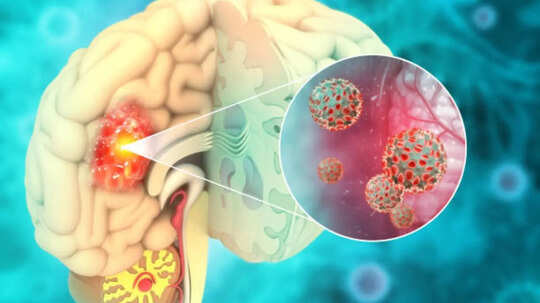
- Infections in parts of the brain
- Tumours located on the pons or brainstem
- Demyelination, which involves the loss of the protective insulation around nerve cells
- Conditions such as ALS and Guillain-Barré syndrome
- Trauma or injury
- Substance abuse
Also read: How Reading Strengthens Your Brain: The Surprising Benefits for Memory, Focus, and Mental Health
Signs and symptoms of locked-in syndrome
Doctors note that the effects of locked-in syndrome can vary depending on the severity of the condition. Initially, individuals with LiS may be mistaken for being in a coma before their consciousness is recognized. Most people with locked-in syndrome are unable to:
- Chew or swallow
- Speak
- Make facial expressions
- Move any part of their body below their eyes
However, they are often able to:
- See or blink
- Hear
- Understand what others are saying or reading to them
- Think and reason as they did before the condition
- Maintain sleep-wake cycles
Stay updated with the latest and breaking news on Times Now. Get latest India News, World News, Business News, Sports News, Viral News and Education News also explore Entertainment News and Lifestyle Tips.