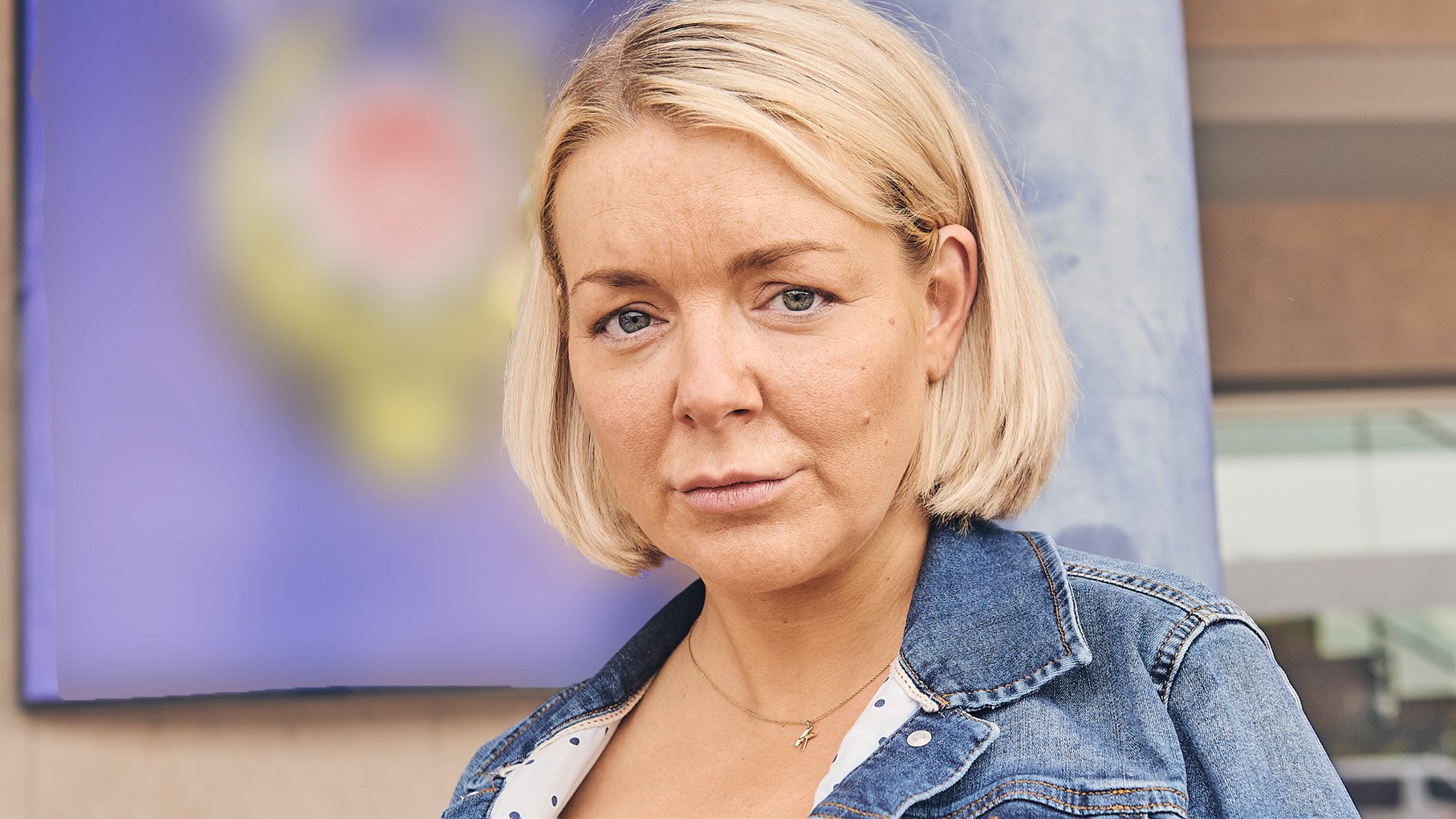
Sheridan Smith Reflects on “Double-Grieving” and Public “Meltdown”
Sheridan Smith, the acclaimed 44-year-old actress known for her roles in “The Black Work” and “Two Pints of Lager and a Packet of Crisps,” has candidly spoken about a challenging period in her life, which she describes as a “meltdown.” This intense experience, she reveals, stemmed from a profound sense of “double-grieving” that impacted her deeply.
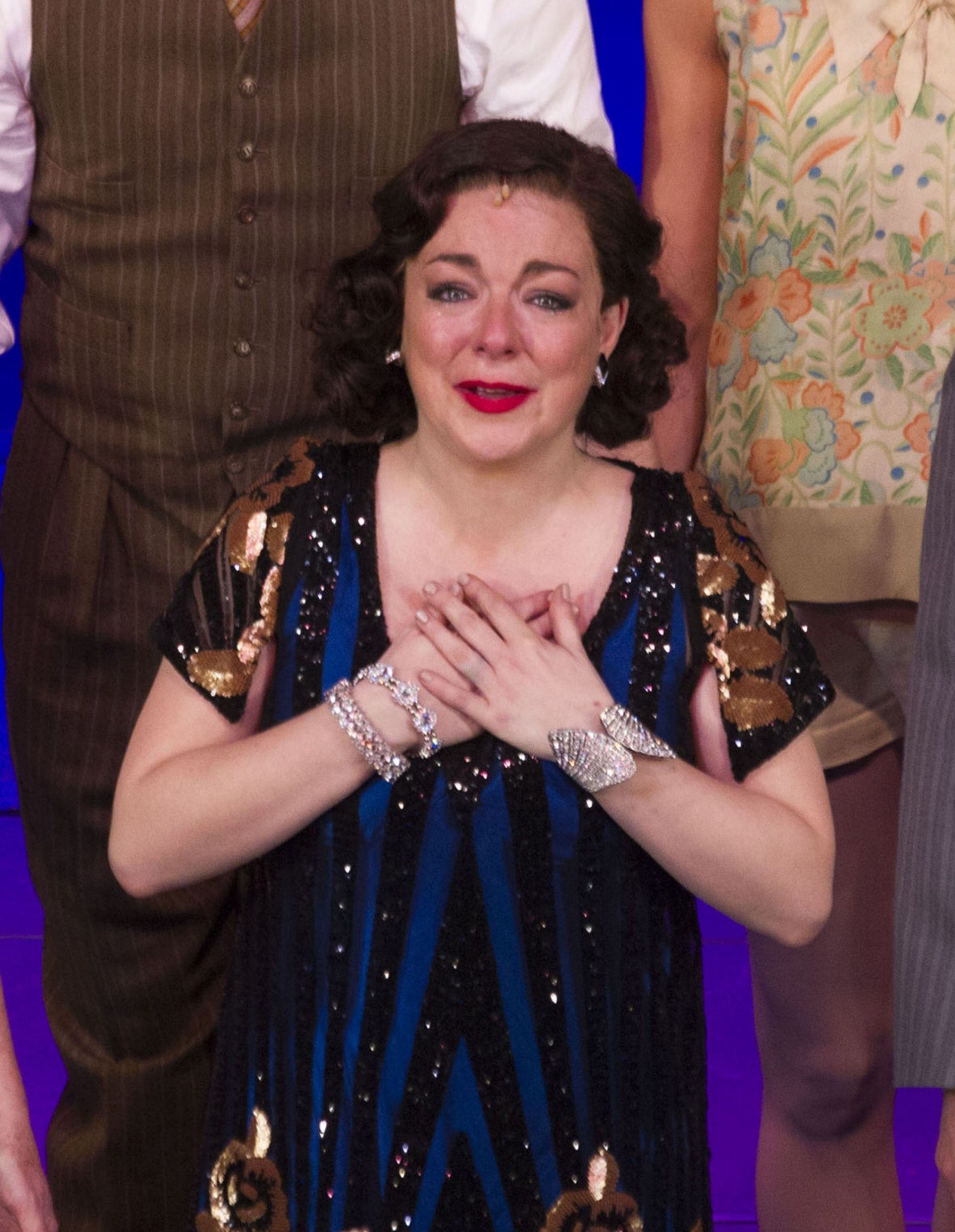
The public scrutiny surrounding Smith intensified in 2016 when she took on the lead role in the West End production of “Funny Girl.” During a performance, the show was infamously cancelled after a mere fifteen minutes. Reports at the time indicated that Smith was exhibiting slurred speech and balance issues on stage, which were officially attributed to “technical difficulties” by the production. This incident was compounded by media headlines concerning her alleged missed curtain calls and accusations of alcohol abuse. Ultimately, Smith took a leave of absence from the demanding show, citing “stress and exhaustion.”
Nearly a decade later, Smith is revisiting this tumultuous chapter, offering a more profound understanding of the grief that underpinned her struggles.
The Weight of Double-Grieving
In a recent interview with The Times, Smith shed light on the concept of “double-grieving” that she was experiencing at that time. The immediate trigger was the recent cancer diagnosis of her father, Colin Smith. This diagnosis brought back the raw pain of losing her 18-year-old brother, Julian, to the same disease when Smith herself was just eight years old. Her father sadly passed away at the close of 2016, with Smith by his side during his final days.

Finding Solace and Reclamation on Stage
Smith has since returned to the spotlight, currently captivating audiences with her leading role in the play “Woman In Mind.” In this production, she portrays a woman experiencing a mental breakdown following a head injury. Smith has expressed a deliberate choice to engage with challenging roles.
“I don’t ever want to do an easy part or something safe,” Smith remarked about her portrayal of the character Susan. “And I can relate to it — because I’ve been there myself, I guess. It’s nice, when you’re out the other side, that you can bring all those elements that you felt at the time.”
Reflecting on the 2016 “Funny Girl” incident, Smith views her current performance as a form of reclamation. “It’s reclaiming it because after what happened… I didn’t ever want it to get out so publicly,” she explained. “You’re embarrassed. I felt ashamed, and I still sometimes feel it, like, ‘Oh, I wish that part of my life hadn’t happened.’ But it did. It’s like my tattoos. Oh, God, I wish I didn’t have them, but I’ve got them now.”

The Bafta Incident and its Aftermath
A particularly painful moment for Smith occurred at the 2016 TV Baftas, following the “Funny Girl” difficulties. She became the target of a joke by host Graham Norton, who quipped: “The sooner we begin, the sooner we can have a couple of drinks. Or, as they say in theatrical circles, a couple of glasses of technical difficulties.”
This remark deeply affected Smith, leading her to make the dangerous decision to stop taking her anti-anxiety medication that same night, without fully understanding the perilous consequences.

“I was so humiliated,” Smith recalled in the 2020 documentary “Sheridan Smith: Becoming Mum.” “It’s a room full of your peers, people you want to work with or have worked with. That night, for me, was like the final straw before my brain totally went off the deep end.” This decision led to multiple seizures, and she was subsequently rushed to the hospital.
“It’s a miracle she did (come),” Smith said of the friend who assisted her that night. “It’s like someone was looking out for me because what I didn’t realise is that if you stop these tablets abruptly, you seizure.”

Smith elaborated on this incident to The Times, stating that the Bafta joke and her subsequent seizure were “no one’s fault. That was just on me. I was in a bad state at the time. But I think you’re right, it maybe wouldn’t happen now. It is a bit kinder now.”
Following these events, Smith retreated to the countryside to focus on her recovery. It was during this period of healing that her father, Colin, passed away.
A Newfound Sense of Well-being
In another interview with The Times last year, Smith expressed a profound sense of peace: “I feel the best I’ve ever felt right now. I’m playing someone having a breakdown, and I’m managing it. I’m leaving it all on the stage and not actually having one in real life so I’m happy.” This statement highlights her remarkable resilience and her ability to channel her past experiences into powerful artistic expression.