Hollywood Grapples with AI’s Disruptive Potential as Viral Star-Studded Clip Sparks Fears
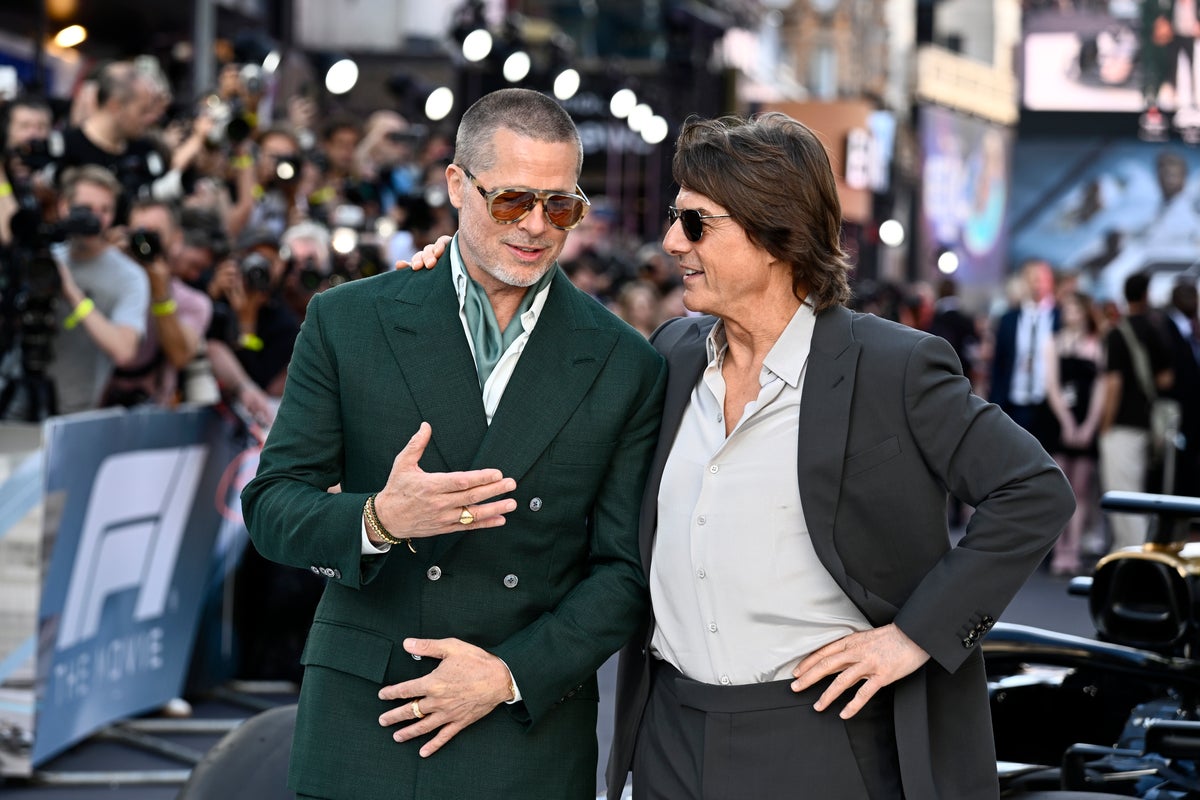
A highly realistic, AI-generated video featuring Hollywood heavyweights Tom Cruise and Brad Pitt engaged in a dramatic fight scene has sent shockwaves through the film industry, prompting a prominent screenwriter to declare, “it’s likely over for us.” The 15-second clip, which has garnered over 1.5 million views on X (formerly Twitter), was reportedly created with minimal effort, requiring only a simple two-line prompt fed into an artificial intelligence tool.
The creator of the video, Irish filmmaker Ruairi Robinson, shared the clip, sparking a fervent discussion among industry professionals and film enthusiasts alike. Rhett Reese, known for his work on the “Deadpool” and “Wolverine” franchises, was among the first to voice his profound concerns. “I hate to say it. It’s likely over for us,” Reese stated in a candid post, reflecting a growing apprehension about the encroaching capabilities of AI in creative fields.
He elaborated on his fears in a subsequent post, suggesting that the barrier to entry for filmmaking could soon be dramatically lowered. “In next to no time, one person is going to be able to sit at a computer and create a movie indistinguishable from what Hollywood now releases,” Reese predicted. While acknowledging that a lack of talent would still result in poor output, he posited that individuals with exceptional creative vision, akin to Christopher Nolan, could soon leverage these tools to produce “tremendous” works.
Reese’s sentiment is far from a casual observation; he expressed genuine terror at the prospect of AI encroaching upon creative endeavours. “To the contrary, I’m terrified,” he admitted. “So many people I love are facing the loss of careers they love. I myself am at risk.” He clarified that his earlier statement was not meant to be flippant, but rather a reflection of his astonishment at the professional quality of the Pitt-Cruise video. “That’s exactly why I’m scared,” he reiterated. “My glass half empty view is that Hollywood is about to be revolutionised/decimated. If you truly think the Pitt v Cruise video is unimpressive slop, you’ve got nothing to worry about. But I’m shook.”
The Technology Behind the Fear: Seedance 2.0 and Industry Backlash
The AI video creation tool implicated in the viral clip is Seedance 2.0, a service launched by TikTok’s parent company, ByteDance. Its debut on Thursday, February 12th, was met with immediate condemnation from the Motion Picture Association (MPA). The MPA accused ByteDance of engaging in “unauthorised use of US copyrighted works on a massive scale.”
A spokesperson for the MPA issued a strong statement: “By launching a service that operates without meaningful safeguards against infringement, ByteDance is disregarding well-established copyright law that protects the rights of creators and underpins millions of American jobs. ByteDance should immediately cease its infringing activity.” The Independent has reached out to ByteDance for comment on these allegations.
In their own blog post announcing Seedance 2.0, ByteDance highlighted the tool’s capacity to “achieve extremely realistic audiovisual effects.” They further stated that when combined with reference and editing capabilities, it “can significantly reduce content production costs in scenarios such as film, advertising, e-commerce, and games.”
A Growing Trend of AI Integration and Concern
The rapid advancements in AI technology have been a source of mounting concern across the entertainment sector. Last year, the industry buzzed with interest surrounding an AI-generated actor, known as “Tilly Norwood,” who reportedly attracted attention from talent agencies.
In a significant move, the UK’s actors’ union overwhelmingly voted in December to refuse digital scanning for artificial intelligence purposes. This proactive stance signals a potential for industrial action and highlights a growing desire among performers to protect their likeness and livelihoods from AI exploitation.
Despite this widespread apprehension and resistance, some major studios are forging ahead with AI integration. Amazon, for instance, has established a new team dedicated to developing AI tools aimed at reducing costs and optimising the creative process in filmmaking and television production. This dichotomy between industry-wide caution and studio-led adoption underscores the complex and evolving landscape of AI’s impact on the future of entertainment.