
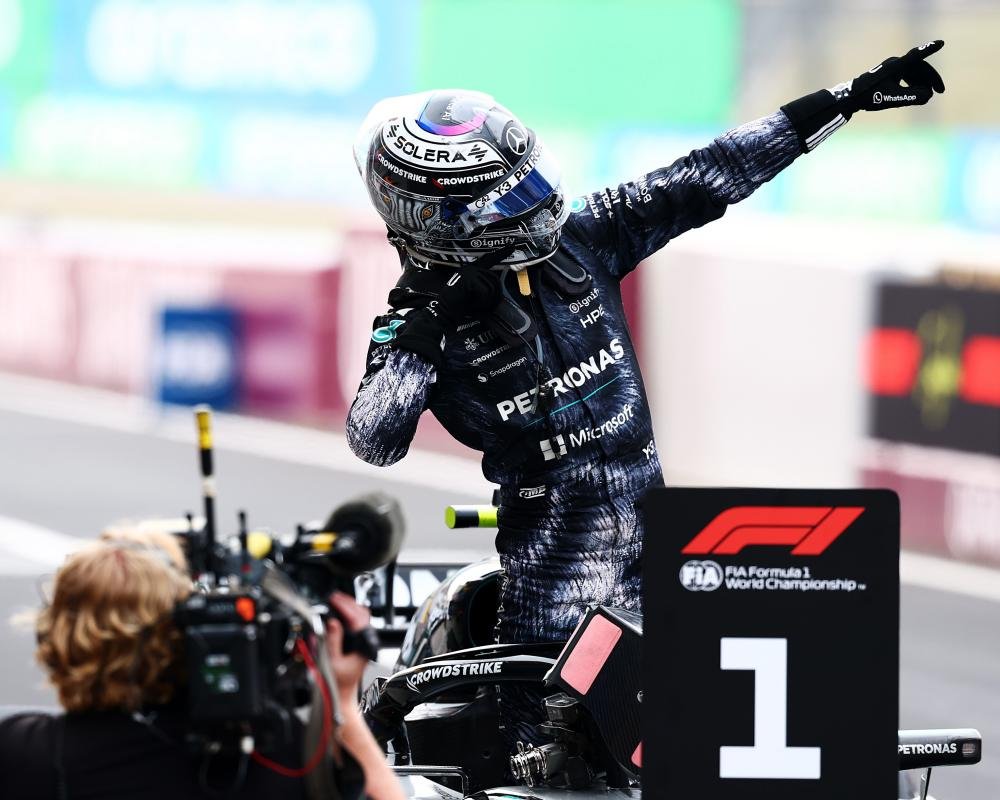
Antonelli Claims Historic Japanese Grand Prix Victory, Becomes Youngest Championship Leader
Kimi Antonelli has etched his name in the Formula 1 record books, clinching a dominant victory at the Japanese Grand Prix. The 19-year-old sensation not only secured his second consecutive win but also became the youngest driver in history to lead the Formula 1 World Championship. His commanding performance saw him finish ahead of McLaren’s Oscar Piastri in second, with Charles Leclerc rounding out the podium for Ferrari in third. However, the day was not without its challenges for George Russell, whose own championship aspirations suffered a slight setback as he finished fourth.
The race saw Lando Norris secure fifth place for McLaren, while Lewis Hamilton finished sixth for Ferrari. Max Verstappen, who experienced a challenging weekend with a difficult car, could only manage an eighth-place finish.
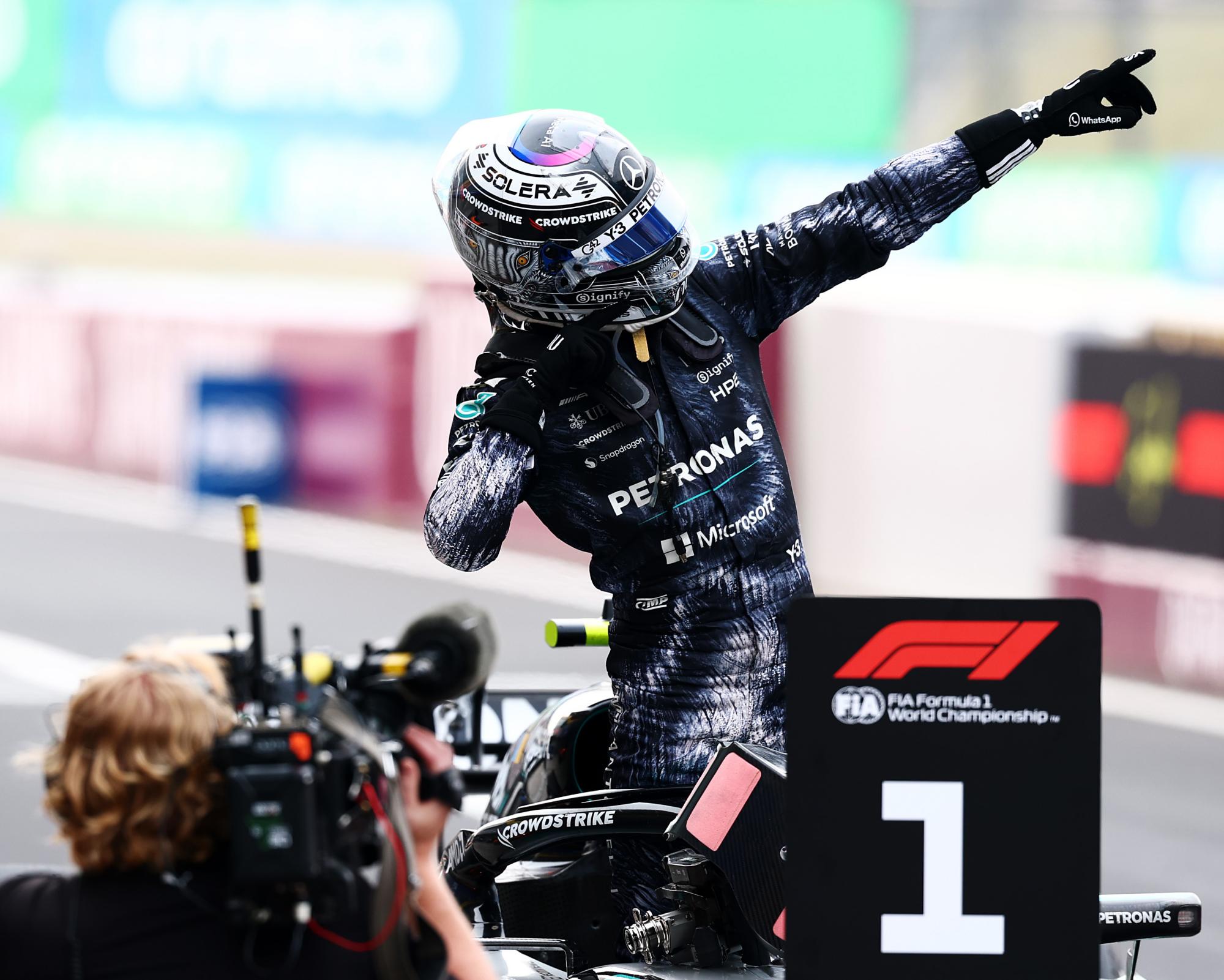
Antonelli’s path to victory was significantly aided by fortunate timing. A safety car period, deployed after Oliver Bearman’s substantial crash in his Haas, allowed Antonelli to make a “free” pit stop. This proved to be a pivotal moment in the race. Despite an initial setback that saw him drop from pole position to sixth place at the lights, Antonelli demonstrated remarkable resilience. Once he regained the lead under the safety car, he was virtually untouchable, completing a near-flawless performance and securing his second win in as many races.
With this victory, Antonelli now holds a nine-point lead over his teammate George Russell in the championship standings. At 19 years, six months, and 28 days old, he has surpassed Lewis Hamilton’s 2007 record as the youngest driver to achieve this milestone.
McLaren will undoubtedly be encouraged by the strong showing from both their cars, marking their most competitive performance of the season to date. In the opening half of the race, Piastri, who was starting from the front row for the first time this season, had looked poised for victory. However, Antonelli’s strategic pit stop under the safety car allowed him to leapfrog the Australian and seize control of the race.
This remarkable start to the season, with two wins from the opening three races, underscores Antonelli’s prodigious talent in only his second Formula 1 season.
A Thrilling Start and Early Battles
The Japanese Grand Prix kicked off with a blistering start from Piastri and Leclerc, who surged into first and second place respectively in the short dash to Turn 1. Lando Norris also made significant progress, moving up from fifth to third. In contrast, Antonelli, starting from pole, experienced a sluggish getaway and dropped to sixth. George Russell also found himself relegated, falling to fourth, highlighting ongoing issues for Mercedes with their race starts.
Antonelli quickly began to recover lost ground, with the Mercedes demonstrating strong race pace. Russell too made swift progress, overtaking Norris for third place on lap three and then dispatching Leclerc for second position a lap later.
Piastri, meanwhile, had established a lead of just over a second on Russell. However, the British driver began to close the gap. A daring move up the inside into the chicane saw Russell briefly take the lead, but Piastri swiftly countered on the straight to reclaim the top spot. The McLaren proved to be the most formidable challenger Mercedes had encountered this season, with Piastri maintaining a strong pace, holding a one-second advantage.
Safety Car Drama and Strategic Gambles
The race’s only pit stops proved to be a crucial turning point. Piastri began to extend his lead before pitting on lap 18, a move designed to counter any potential undercut from Russell. Following a swift and clean stop, Mercedes opted to keep both their cars on track. Russell pitted on lap 21, but Piastri managed to maintain track position.
However, disaster struck just a lap later when Oliver Bearman suffered a significant impact at high speed. The Haas driver was forced to take evasive action to avoid Franco Colapinto, a situation drivers had repeatedly warned about due to varying closing speeds. Bearman’s evasive manoeuvre sent him onto the grass, leaving him unable to prevent a forceful collision with the barriers, which his team later described as a 50G impact. While Bearman thankfully emerged from the car, he required assistance from marshals and was taken to the medical centre. He was conscious and communicating, with no fractures reported, though he sustained a contusion to his right knee.
The subsequent safety car deployment proved to be a stroke of luck for Antonelli, gifting him a “free” pit stop. A frustrated Russell was heard to exclaim, “Unbelievable,” as the safety car ensured Antonelli inherited the lead over Piastri.
Antonelli’s Dominance and Russell’s Struggles
On the restart six laps later, Antonelli maintained his lead. However, Russell found himself on the back foot, losing a position to Lewis Hamilton, who had also benefited from pitting under the safety car.
With clear air ahead, Antonelli rapidly extended his advantage over Piastri, building a four-second lead. Russell’s struggles continued, as he lost another place to Leclerc on lap 37, his pace evidently dropping as he attempted to manage energy on the run to Spoon.
The battle between Leclerc and Hamilton provided a thrilling spectacle, with Leclerc ultimately emerging victorious. Russell managed to regain a position, passing Hamilton on lap 43.
Out front, Antonelli, able to optimise his energy deployment and run in clear air, proved uncatchable. He crossed the finish line with an impressive 13-second lead, showcasing the Mercedes’ dominance when allowed to run its own race. Russell’s subsequent struggles, however, highlighted the car’s reduced effectiveness when caught in close-quarters racing.
The remaining points finishers included Pierre Gasly in seventh for Alpine, Liam Lawson in ninth for Racing Bulls, and Esteban Ocon in tenth for Haas.


