LA Council President’s Racial Profiling Claims Contradicted by School Police
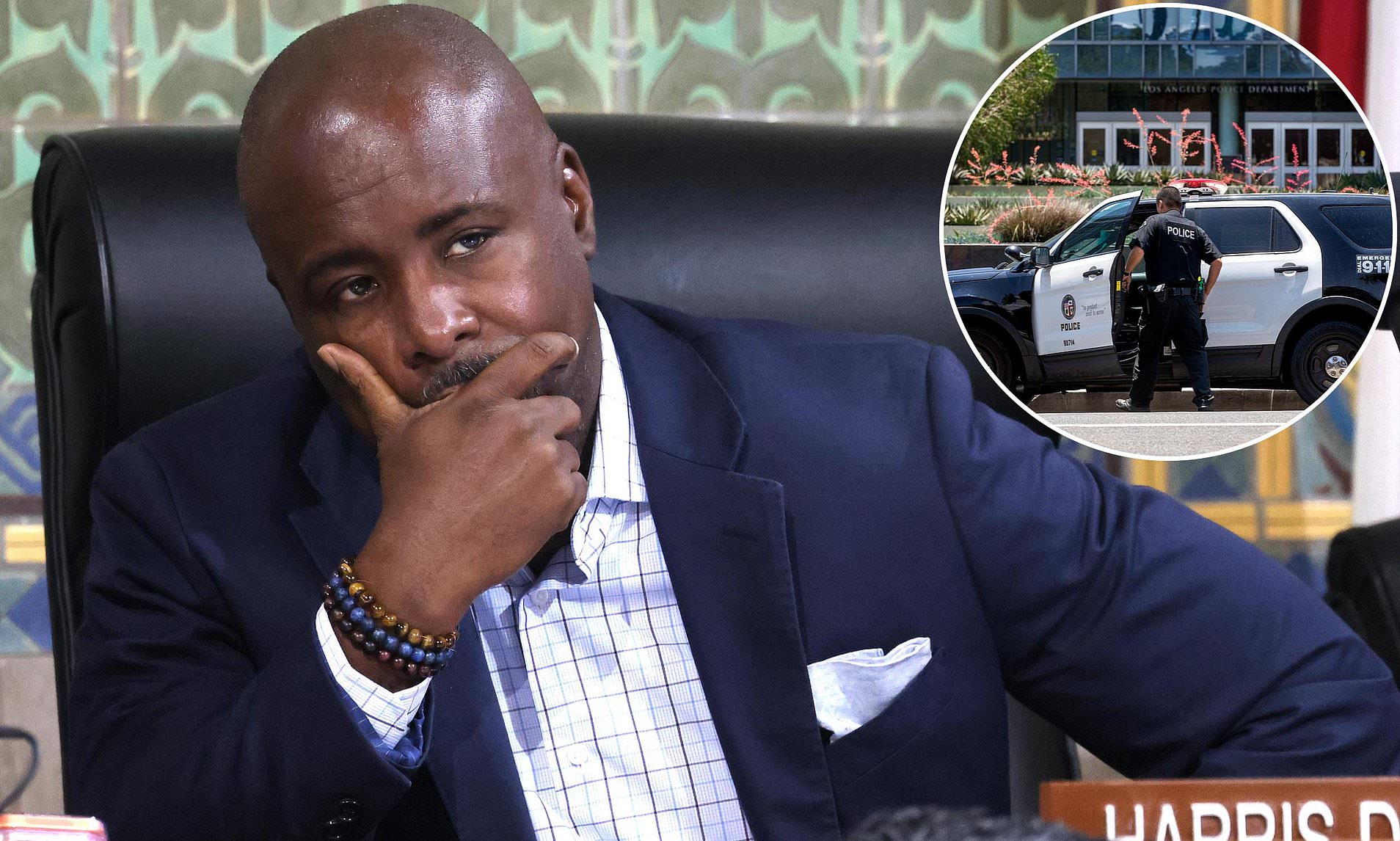
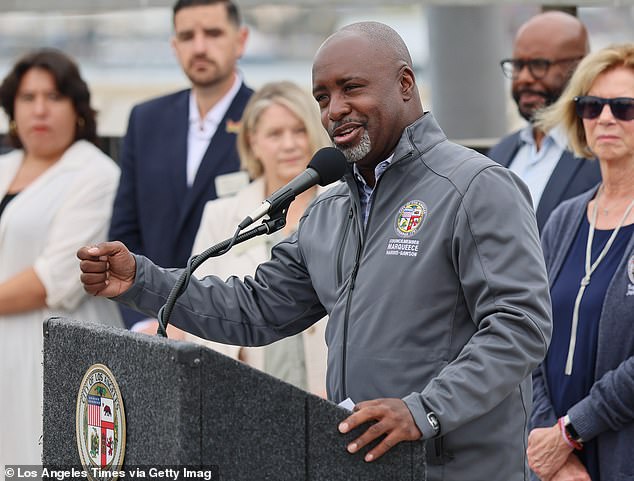
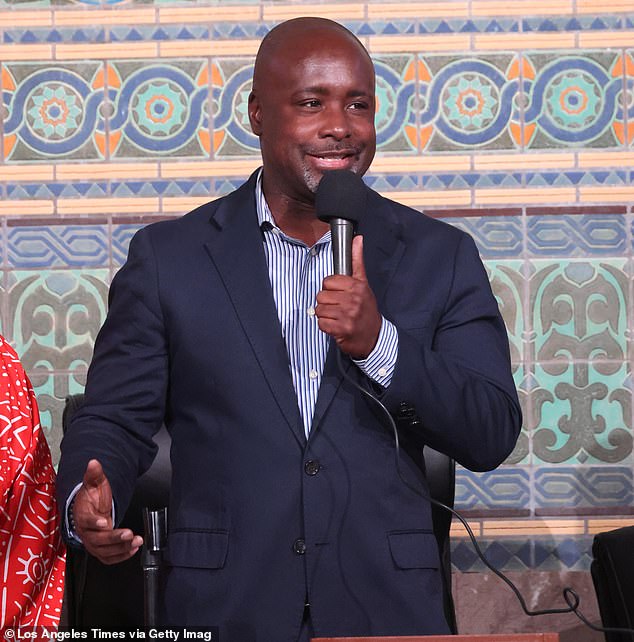
A prominent figure in Los Angeles politics, Marqueece Harris-Dawson, who also serves as the President of the Los Angeles City Council, has had his account of a recent traffic stop challenged by authorities. Harris-Dawson had claimed he was racially profiled by police due to his ethnicity during the incident. However, official statements suggest the stop was initiated for a legitimate traffic violation occurring in a school zone, not as a discriminatory act.
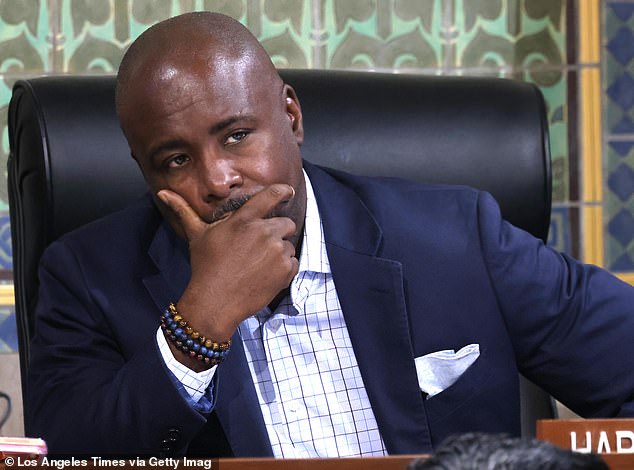
The controversy unfolded during a city council meeting where pretextual traffic stops were being discussed. Harris-Dawson, a Black man, recounted his experience, stating that officers had stopped him without apparent cause and proceeded to question him about his ownership of the vehicle and his profession. He described the encounter as “traumatic,” likening the fear he felt to when he was a teenager.
“It was traumatic on Wednesday as when I was 16,” Harris-Dawson shared with the council, his voice reportedly becoming emotional.
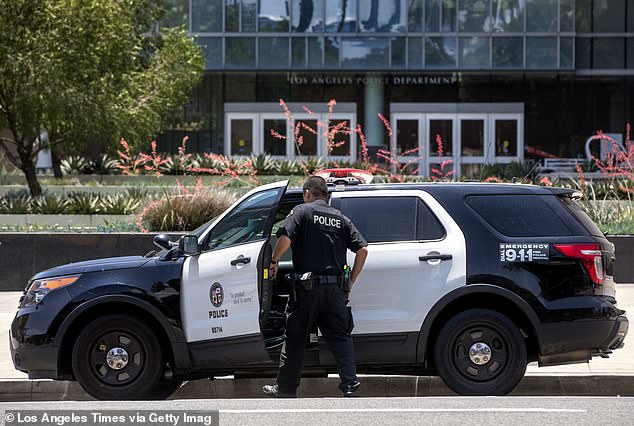
However, spokespeople for the relevant law enforcement agencies have presented a different narrative. They clarified that the stop was conducted by the Los Angeles School Police Department (LASPD), not the Los Angeles Police Department (LAPD) as initially suggested, and was based on a moving traffic violation observed near a high school during morning drop-off hours.
A spokesperson for the LASPD stated, “During our morning school drop-off, a Los Angeles School Police Department officer conducted a traffic stop based on an observed moving traffic violation in the vicinity of one of our high schools and issued the driver a citation.”
The timing of Harris-Dawson’s allegations is significant, as the city council was actively debating the practice of pretextual traffic stops. This tactic involves officers pulling drivers over for minor infractions, such as a broken taillight or a slightly exceeding the speed limit, with the underlying intention of investigating potential more serious crimes. While legal under federal law, these stops are frequently criticised for their potential to be used as a tool for racial profiling, disproportionately affecting minority drivers.
During his testimony, Harris-Dawson strongly asserted that such stops are often rooted in racial bias and are deeply distressing for those subjected to them. He declared, “In Los Angeles, every single time data is collected on pretextual traffic stops, they are grossly racially biased.” He further supported this claim by noting that approximately 85 percent of these stops in the city involve drivers identified as “black and brown.”
Harris-Dawson provided a detailed account of his recent traffic stop to the council. He described the sequence of events: “The first question was, ‘roll down your windows’. The second question was, ‘how do you have this vehicle?’” He continued, “The third question was, ‘well, you work for the city. What job do you do for the city?’”
His response, he stated, was to identify himself: “In fact, I’m the president of the council.” He recounted the experience of having to explain this “on the corner of Main and 25th Street, while I was trying to get to the committee just two days ago.”
The council president reportedly paused during his testimony, visibly affected, drawing parallels between the fear he experienced as a young man and the anxieties he felt during this recent encounter with law enforcement.
Despite the LASPD’s clarification, Harris-Dawson remained steadfast in his claims and elaborated further on social media. In a Facebook post accompanying a video of his testimony, he wrote, “As a Member of the Council, driving in a government-issued vehicle with an E-plate, I have been stopped four times. Four times.”
His post garnered a significant number of comments, with many users questioning the discrepancies in his narrative. Notably, some pointed out that he had not mentioned being issued a citation in his most recent encounter, a detail that the LASPD statement confirmed.
“I agree if you didn’t do anything wrong and you get pulled over but traumatic? Answer the questions, go to council, talk to police chief, simple,” one comment read, reflecting a common sentiment among those questioning the severity of the experience.
Another user critiqued his description of the interaction, stating, “Roll down your windows isn’t a question.” Several others echoed the sentiment that the reason for the initial stop was missing from his account. “You forgot to tell us why you were pulled over in the first place,” wrote one user. “Why did they pull you over, what was your infraction? I think you forgot to say that part,” another added.
However, a substantial number of comments also expressed support for Harris-Dawson, with many individuals sharing their own experiences of being stopped by law enforcement. One user, identifying as “a brown 100 percent Native American,” shared, “I ALWAYS get randomly stopped in almost every state. I also ALWAYS get patted down, singled out at the airports.”
Another individual recounted a similar experience: “Yes. It can be traumatic. I too in North Carolina was pulled over several times in a state vehicle. Without any violations or probable cause.” This user also suggested, “There needs to be more intense background check and training. When hiring for law enforcement, that’s crazy.” The exchange highlights the ongoing debate and personal experiences surrounding law enforcement interactions and the perception of profiling.