The Rise of the Self-Serve Checkout: A New Era for Australian Grocery Shopping
Once a novelty, self-service checkouts have rapidly become the dominant way Australians do their grocery shopping. From the aisles of Woolworths, Coles, and Aldi, the familiar beep of scanners and the self-directed bagging process now account for the majority of transactions. While the convenience is often touted, many shoppers find themselves performing the tasks of a cashier for free, all while facing escalating grocery prices. This shift, driven by technological advancement and business strategy, appears to be an irreversible change in the Australian retail landscape.
The journey of the self-service checkout in Australia began with a cautious trial. Woolworths launched the first-ever supermarket self-checkout at its Northbridge store in New South Wales back in 2008. This initial foray was designed to test consumer appetite for this new technology. By the end of that same year, Woolworths had already rolled out the option to over 70 locations nationwide, signalling a swift commitment to the concept.
Coles wasn’t far behind, introducing their own self-service options in 2008 at select stores before a broader national rollout. For a period, Australian shoppers were slow to fully embrace these machines. Many expressed a preference for the personal interaction of a staffed checkout, and online forums and social media buzzed with complaints and frustrations regarding the new technology.
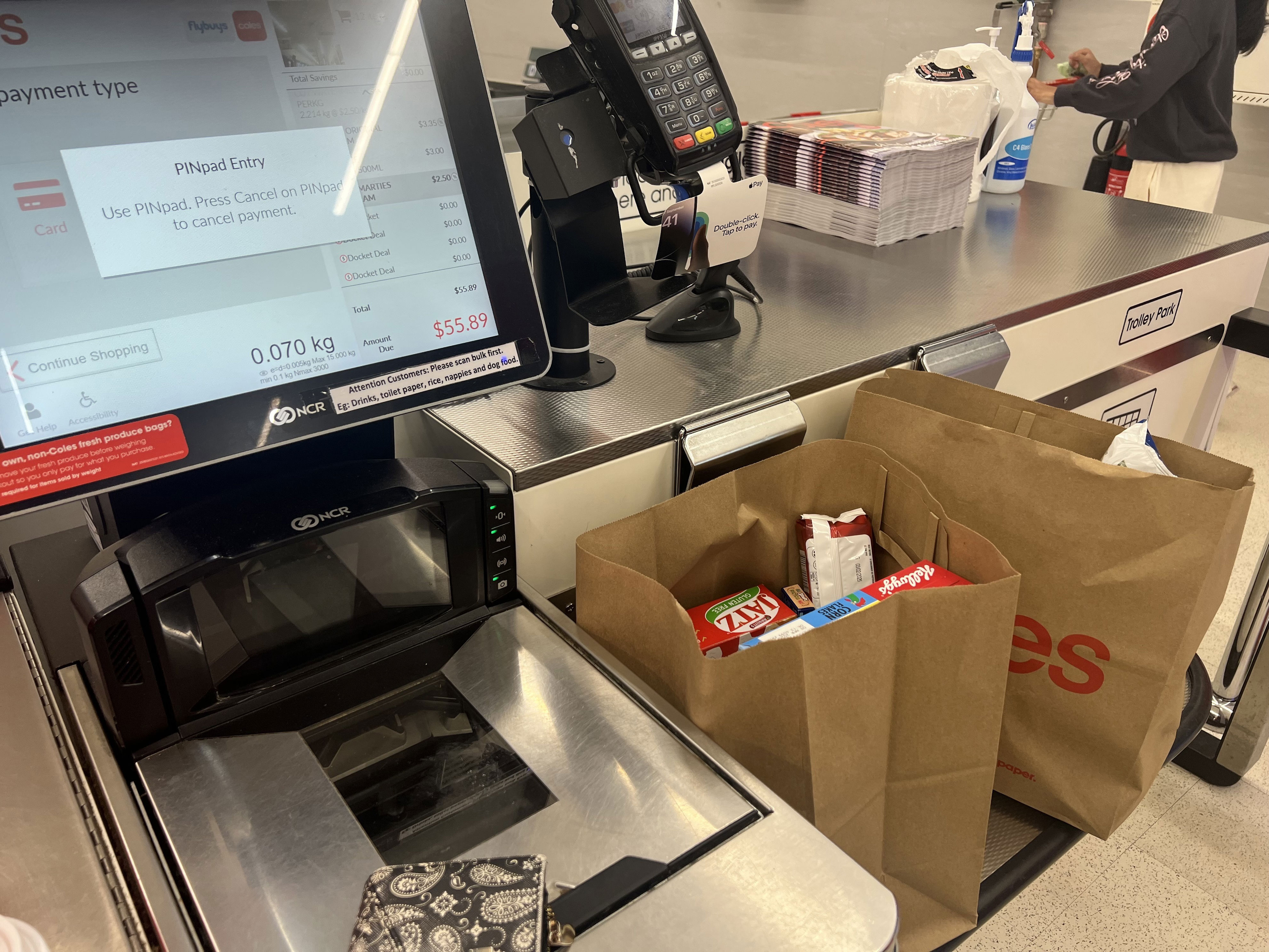
The landscape continued to evolve. ALDI Australia officially integrated self-service checkouts in June 2021, while Costco Australia followed suit in August 2023. The clear business advantages, primarily centred around reduced labour costs and increased efficiency, prompted supermarkets to aggressively expand their self-service offerings. This rapid deployment has, for many shoppers, effectively eliminated the choice, leaving staffed checkouts as the less common option.
As of 2026, self-service checkouts are not just commonplace; they are the norm. But the question remains: are they truly liked, or simply accepted as an unavoidable part of the modern grocery experience?
The Common Gripes: Unpaid Labour and Frustration
Consumer psychology experts highlight a prevailing sentiment among shoppers regarding self-service checkouts. According to Associate Professor Gavin Northey from Griffith University’s Department of Marketing, a significant body of research indicates that “consumers typically dislike self checkouts.”
The most frequently cited complaint is the perception of performing “unpaid labour.” This phenomenon, sometimes referred to as ‘coproduction resentment’, arises when consumers feel they are being asked to undertake tasks previously handled by paid employees. This feeling is exacerbated when issues arise, such as an “unexpected item in the bagging area” alert, forcing shoppers to wait for staff assistance, thereby increasing their frustration.
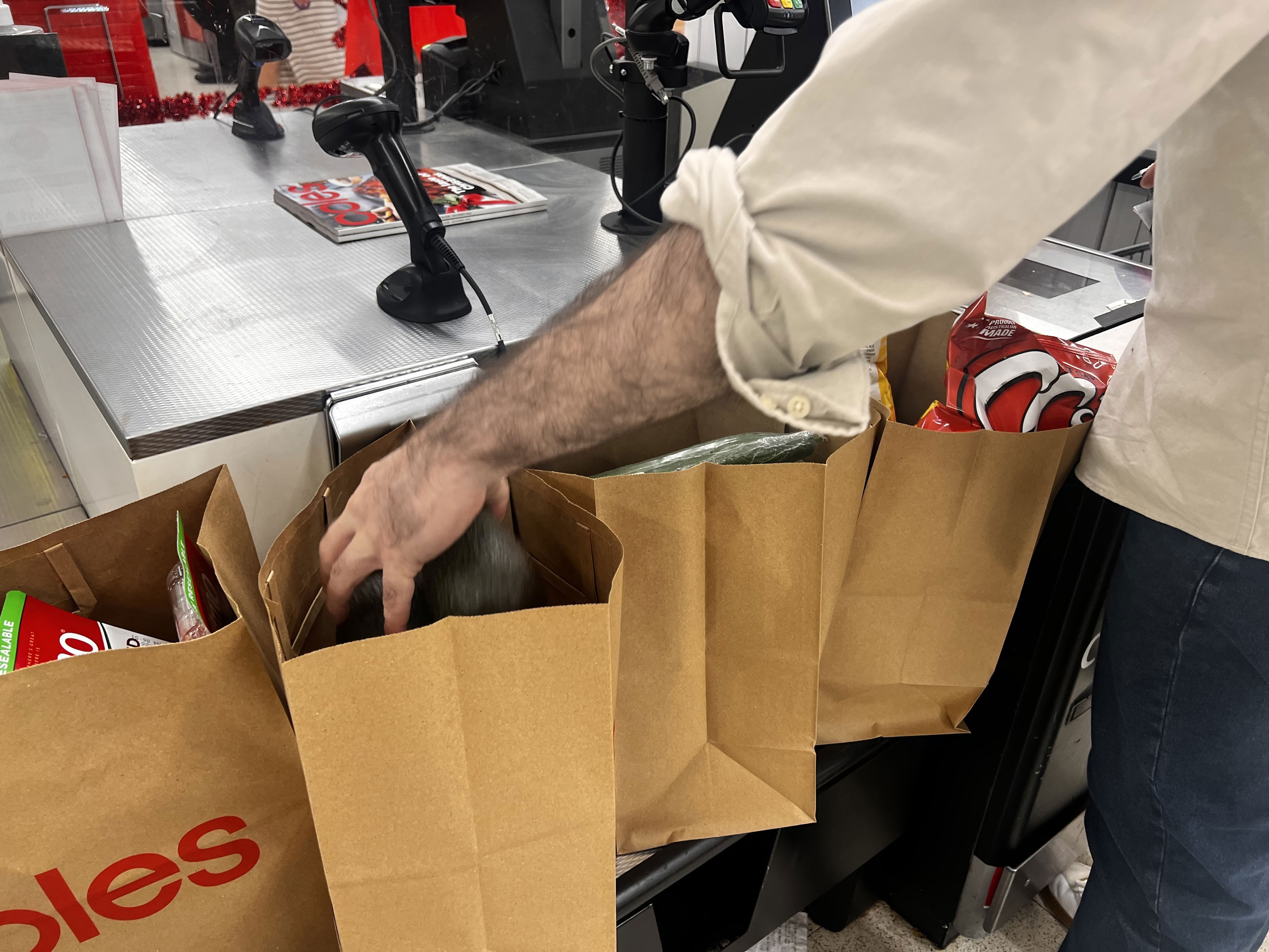
Despite this general dislike, Professor Northey notes that self-service checkouts have become an “accepted part of the retail landscape.” He observes that some consumers, particularly younger demographics, view them as a more efficient method for smaller purchases.
Who is Embracing the Technology?
While many may grudgingly accept self-service, a segment of Australian shoppers actively embraces the technology. For these individuals, the primary drivers are speed and efficiency. The COVID-19 pandemic also played a role, increasing general acceptance of checkout options that minimise human interaction.
However, the experience is not universally positive. Older shoppers, and those with accessibility challenges, often find self-service checkouts to be a “functional obstacle rather than a convenience.” The process can be particularly tedious for those undertaking large weekly or fortnightly shops, involving the scanning, weighing, and bagging of numerous items.
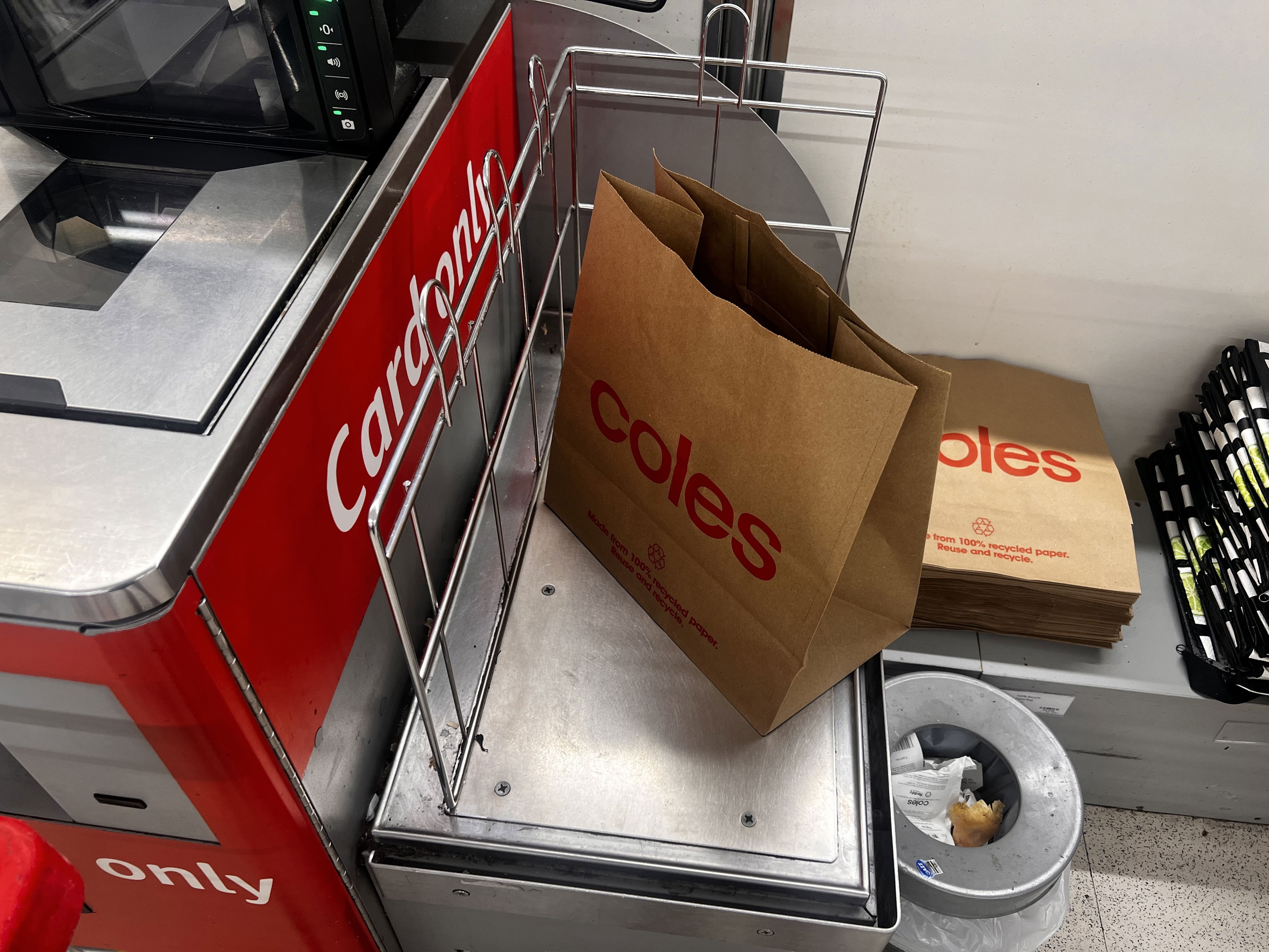
Professor Northey categorises consumers into two main groups: those who genuinely appreciate the self-checkout system and those who don’t necessarily love it but accept it as part of the contemporary shopping experience. The “lovers” are motivated by speed and efficiency, while the latter group sees it as an unavoidable “social obligation” of grocery shopping, with which they are content.
The Future of Checkout: Efficiency Over Interaction?
The data paints a clear picture of the self-service checkout’s dominance. By 2022, nearly 60 per cent of grocery transactions were conducted via self-service, a figure that has now climbed to approximately 69 per cent.
Retailers are heavily incentivised by the significant savings on staffing costs, which represent a major variable expense. Professor Northey explains that this economic reality has driven supermarkets globally to “alter their service delivery by limiting availability of staffed checkout lanes and increasing the number of self-checkout terminals.” This strategy aims to boost efficiency and manage in-store traffic flow, especially during peak hours.
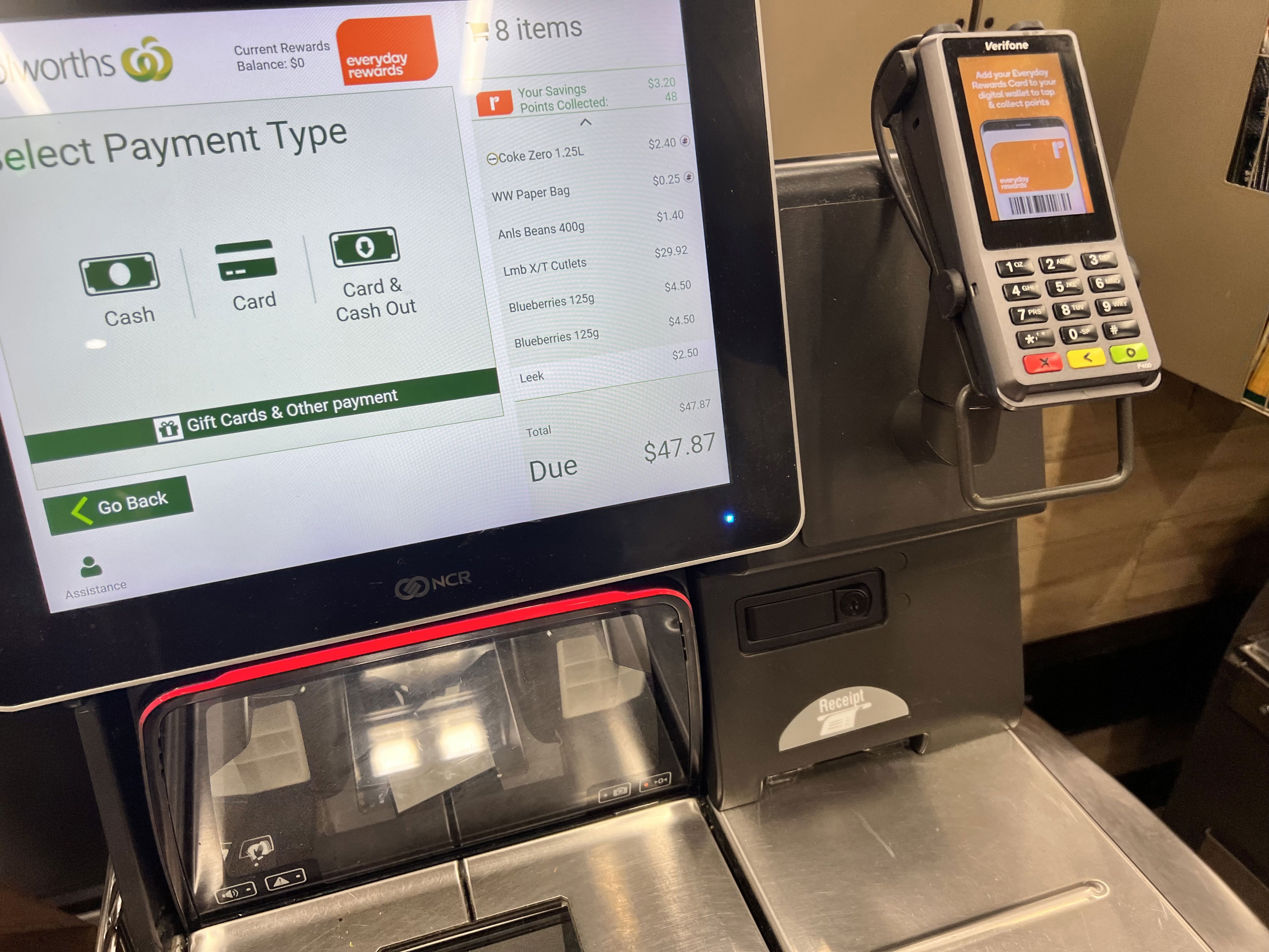
While Professor Northey acknowledges that a segment of consumers will always prefer human interaction, and others will require assistance, he is confident in the future of self-checkout technology. He predicts its continued expansion, not just within supermarkets but across a “broad group of retailers outside the supermarket environment.” The trend towards automation and efficiency in retail appears to be firmly entrenched, with self-service checkouts leading the charge in how Australians purchase their groceries.