UK Manufacturers Grapple with Soaring Costs Amidst Middle Eastern Tensions
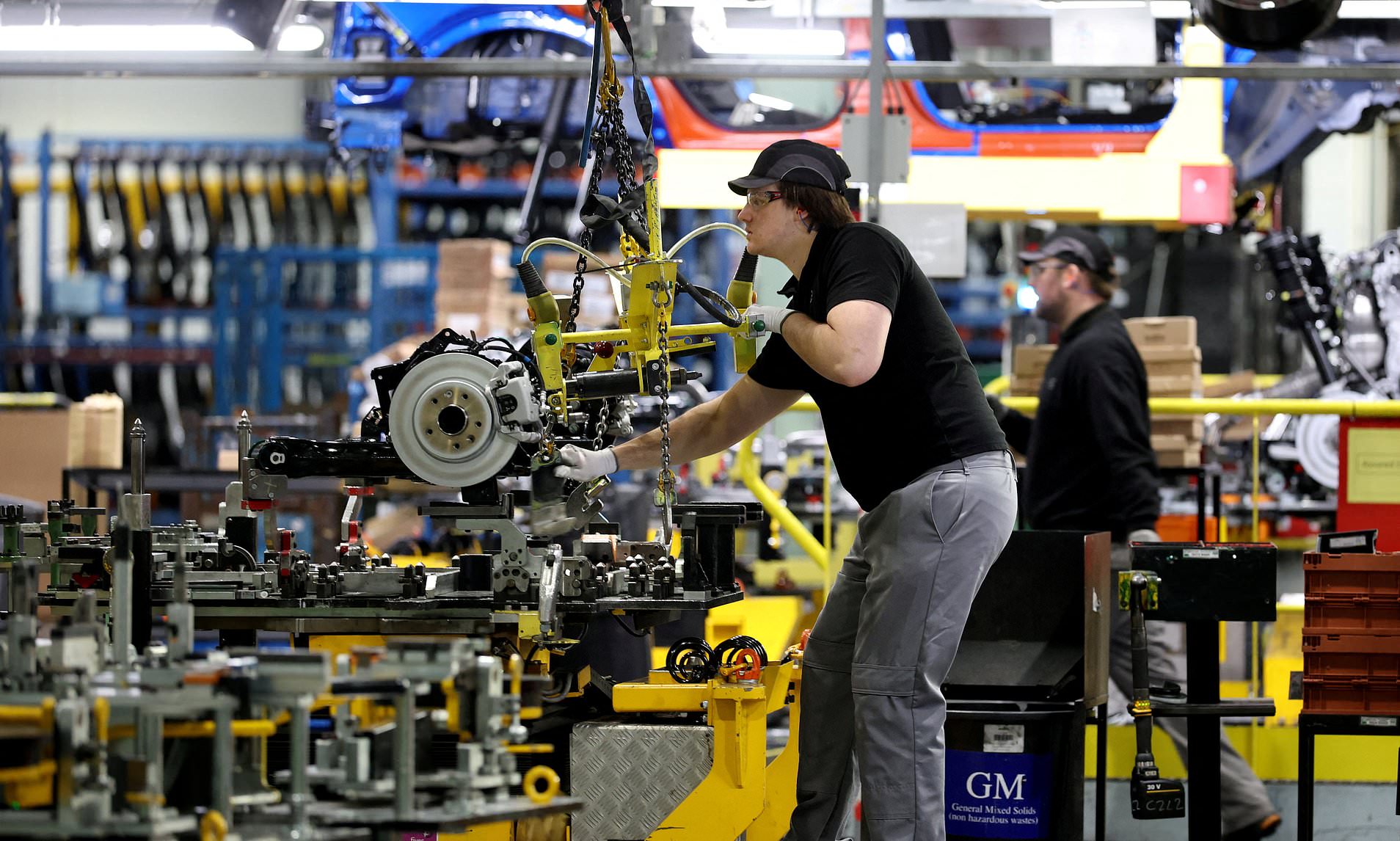
British manufacturers are experiencing the most significant price hikes in almost four years, as escalating conflict in the Middle East and subsequent supply chain disruptions send production costs spiralling. A recent report from S&P Global has revealed that the average selling price of goods produced in UK factories surged to its highest level since July 2022 last month, signalling a challenging economic climate for the sector.
Manufacturers have directly attributed this sharp increase in selling prices to the ongoing upward trend in their input costs. The report highlighted that the conflict in the Middle East, particularly disruptions to vital shipping routes like the Strait of Hormuz, has triggered a dramatic surge in energy prices. This, in turn, has created an inflationary shockwave, making a wide array of goods, from everyday foodstuffs to essential fuels, considerably more expensive.
Beyond energy, the repercussions have been far-reaching, wreaking havoc on global supply chains and intensifying pressure on manufacturers both within the UK and internationally. The S&P report underscored the substantial strain UK manufacturers faced in May, with significant pressures reported on both their input prices and their established supply chains.
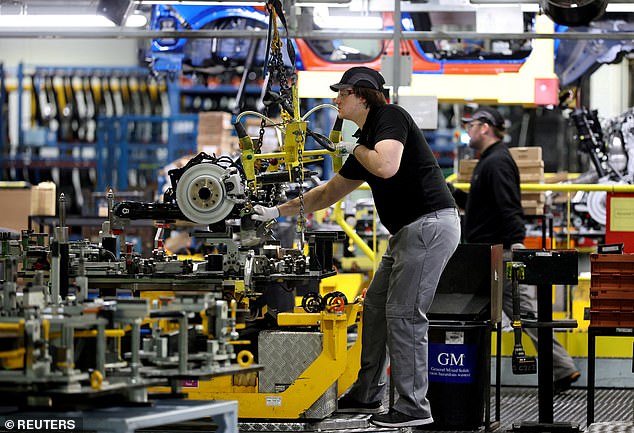
The rate at which manufacturers are seeing their purchasing costs increase has accelerated to a near four-year high. This surge is a direct consequence of rising prices across a broad spectrum of materials and commodities. Key contributors to this inflationary pressure include:
- Raw Materials: Increased costs for chemicals, metals, plastics, and timber have significantly impacted production budgets.
- Energy: Soaring energy prices, driven by geopolitical instability, are a major factor.
- Manufactured Components: Higher prices for electronics and paper products are also being felt.
- Consumer Staples: Even the cost of foodstuffs has seen a notable rise.
- Packaging: The expense of packaging materials has also contributed to the overall increase.
Several interconnected factors were cited by manufacturers as contributing to this challenging environment:
- Middle Eastern Conflict: The ongoing war in the Middle East remains a primary driver of instability.
- Commodity Market Volatility: Fluctuations in global commodity markets are creating unpredictable cost structures.
- Geopolitical Strife: Broader geopolitical tensions contribute to uncertainty and supply chain disruptions.
- Supply Chain Issues: Persistent problems within global supply chains are hindering the timely and cost-effective procurement of necessary goods.
- Material Shortages: Limited availability of certain materials is driving up prices.
- Tariffs and Trade Barriers: Existing and potential tariffs can add to the cost of imported components.
- Rising Labour Costs: Increases in wages and associated employment costs are also a factor.
- Higher Taxes: Changes in tax policies can also influence the overall cost of doing business.
Despite these considerable headwinds, the headline manufacturing activity index, a key indicator of the sector’s health, has risen to its highest point since May 2022, reaching 53.9. It is important to note that this index can sometimes be distorted by supply chain disruptions, meaning that while activity might appear to be increasing, the underlying pressures remain significant.
The Bank of England is closely monitoring the situation, particularly the extent to which elevated energy prices, exacerbated by the closure of crucial shipping lanes, will permeate the wider economy. However, for the time being, the central bank has maintained its current interest rate policy, opting to observe the unfolding economic landscape before making any adjustments. The coming months will be crucial in determining whether manufacturers can navigate these inflationary pressures and if the Bank of England will need to intervene to stabilise the economy.