Food Giants Tap into Weight-Loss Drug Craze with “GLP-1 Friendly” Labels
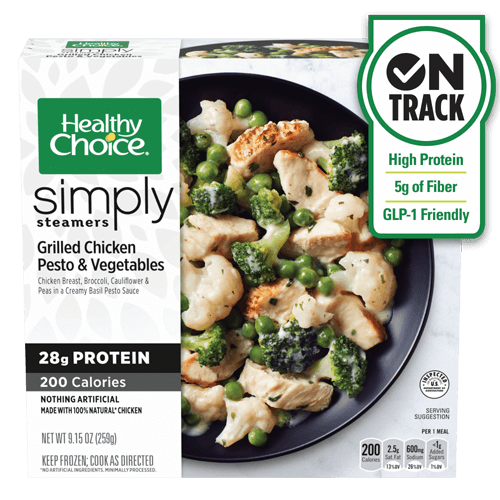
The booming popularity of weight-loss medications like Ozempic and Mounjaro has sparked a new trend in the food industry: “GLP-1 friendly” labelled products. Manufacturers are rushing to capitalise on this burgeoning market by offering an array of convenient, ready-to-eat meals and snacks marketed with this new designation. These labels often highlight attributes such as higher protein and fibre content, or simply present smaller portion sizes compared to traditional offerings. However, health experts are urging consumers to approach these claims with a healthy dose of scepticism.
Dr. Zaid Fadul, a physician and former U.S. Air Force flight surgeon, expressed his reservations, stating, “A GLP-1 friendly label is good in theory, but it’s bulls***. There’s no real science behind it.” His sentiment is echoed by others who point out the lack of stringent regulation surrounding this emerging food marketing tactic.
The impact of GLP-1 medications on consumer spending is significant. With nearly one in five American adults having used these drugs, households see a noticeable reduction in grocery bills – approximately 5 percent less on average within six months of starting treatment. This financial shift has prompted food manufacturers to actively seek ways to retain their market share and sales.
“The companies are definitely hip to what we would recommend somebody to focus on eating on a GLP-1 diet, basically prioritizing protein, produce, fruits and vegetables,” commented Dr. Ethan Balk, a clinical associate professor at NYU who specialises in medical nutrition for bariatric surgery and metabolic weight loss.
New Products Hit the Shelves
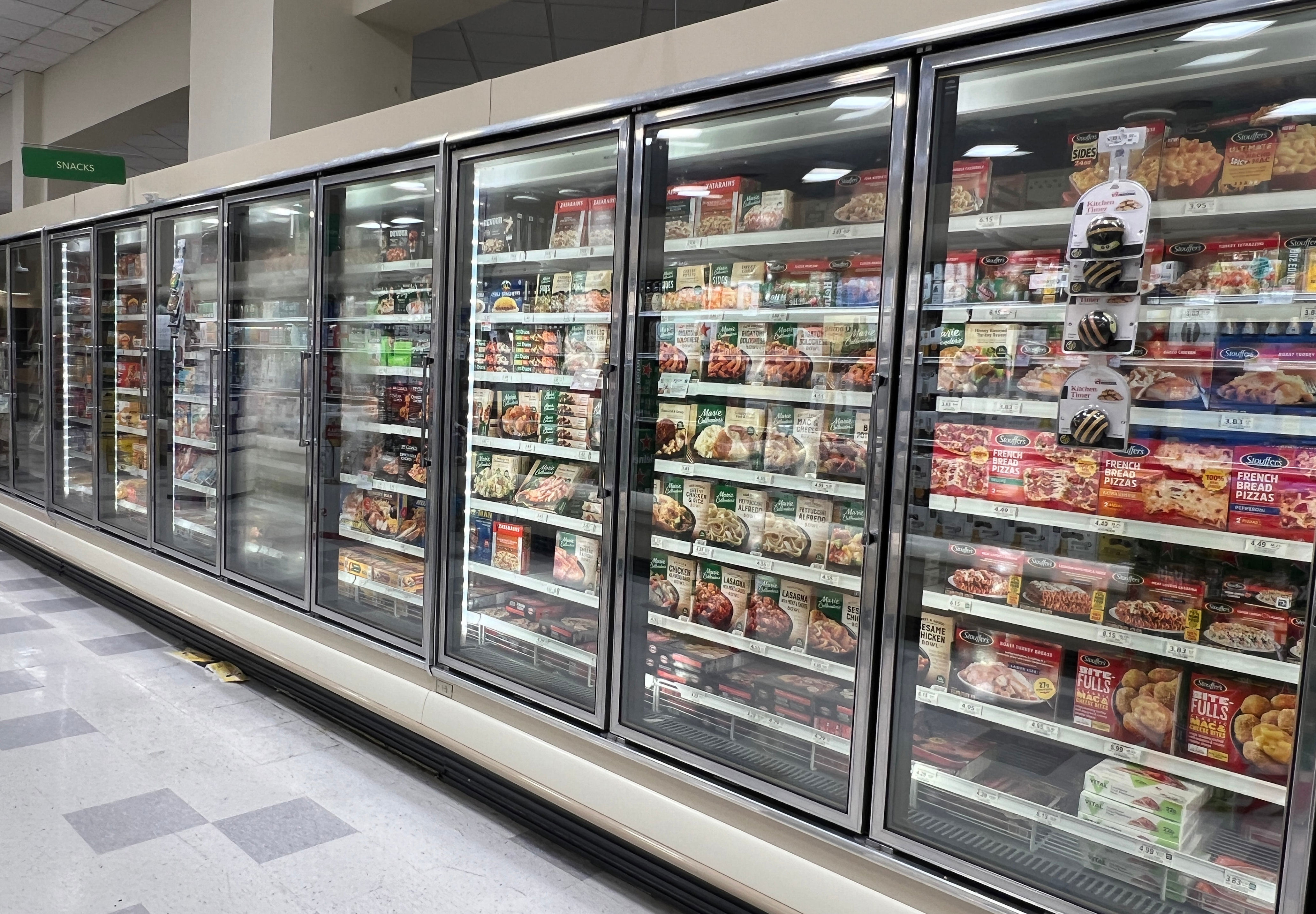
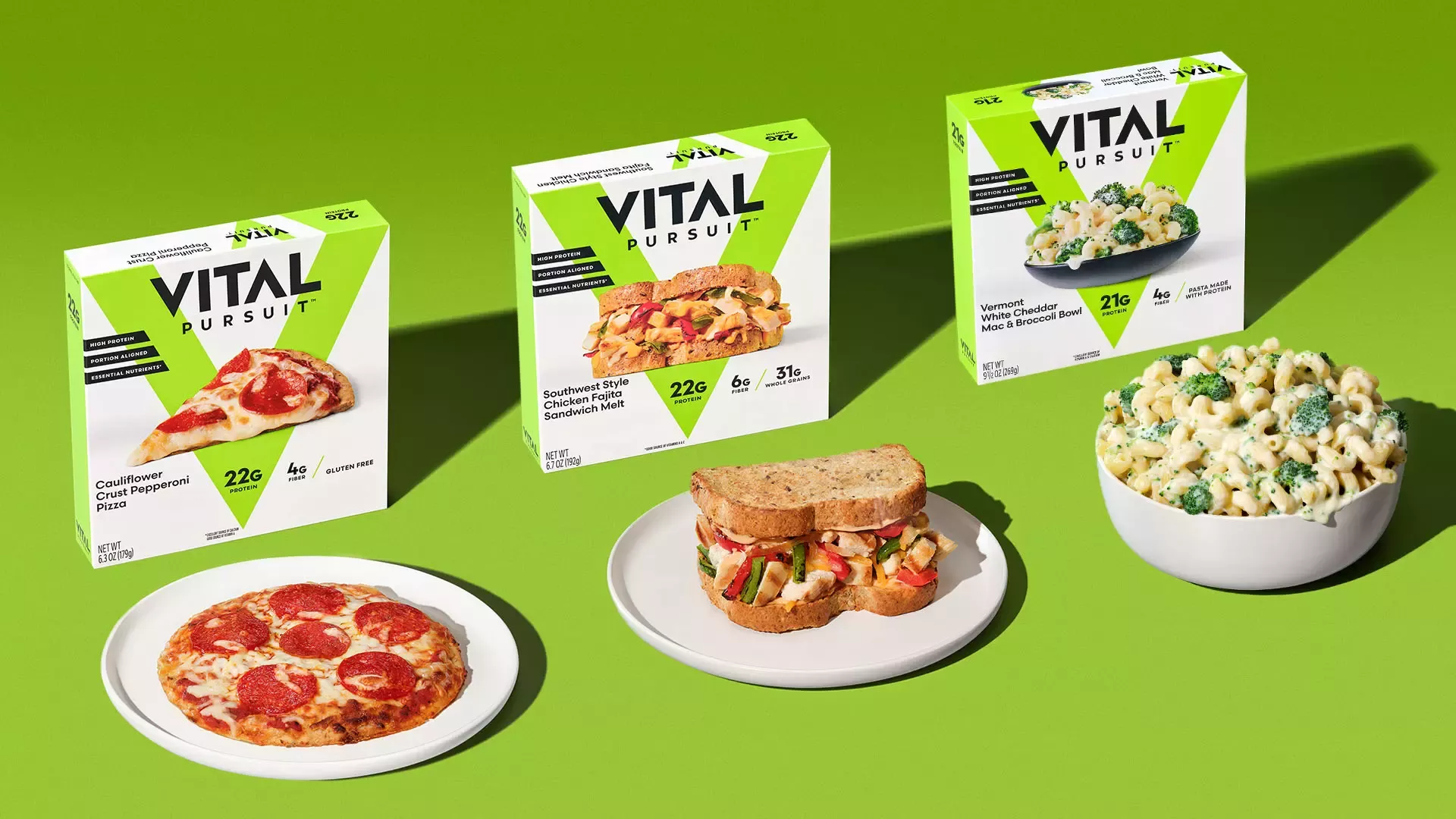
Several major food corporations have already introduced products bearing the “GLP-1 friendly” moniker. Nestlé, for instance, launched its Vital Pursuit brand, featuring frozen meals such as a white cheddar mac and broccoli bowl boasting 21 grams of protein, and a meat lover’s pizza with 32 grams of protein. Conagra Brands has also joined the trend, applying the label to 26 of its Healthy Choice frozen meals, including a beef merlot that contains 13 grams of protein.
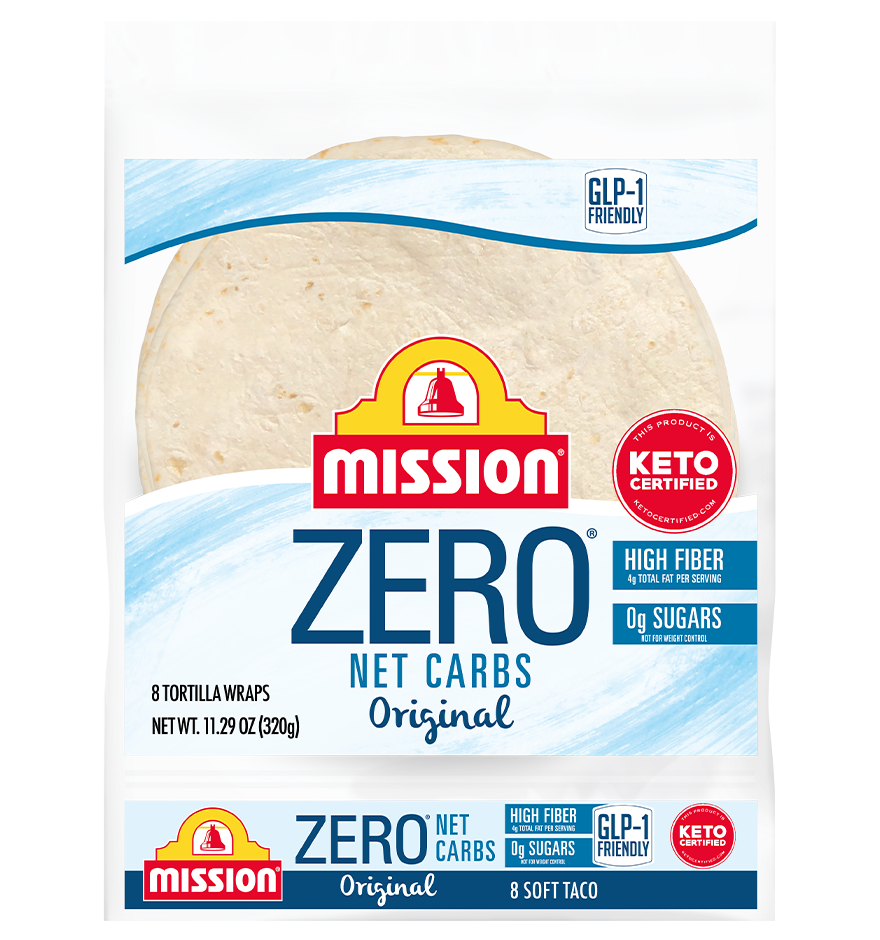
Even popular tortilla manufacturer Mission has begun labelling select tortillas as “GLP-1 friendly,” often in conjunction with claims of high fibre and zero net carbohydrates.
A Lack of Regulation
Unlike established food descriptors such as “heart healthy” or “organic,” which are subject to strict guidelines and regulatory oversight, the “GLP-1 friendly” label currently operates in a largely unregulated space. Despite this, both Nestlé and Conagra have reportedly received approval from the U.S. Department of Agriculture’s Food Safety and Inspection Service to use the label, with the stipulation that their products must not mislead consumers and must include accurate statements regarding protein and fibre content.
Experts suggest that companies are strategically highlighting certain aspects of their products that align with dietary recommendations for individuals on GLP-1 medications. Dr. Balk explained that these companies are “cherry picking some pieces of the product to highlight that they are in the realm of what we recommend for somebody on a GLP-1.” The rationale behind this is that with a suppressed appetite, users of these drugs consume fewer calories, making nutrient-dense meals particularly important.
Key Nutritional Considerations for GLP-1 Users
For individuals taking GLP-1 medications, specific nutritional factors are paramount:
- Protein: This is frequently emphasised as crucial for preventing muscle mass loss, a common concern during weight loss.
- Hydration: Adequate water intake is advised, as the medication can diminish the sensation of thirst.
- Fibre: Essential for managing the slowed digestion that can lead to constipation, a potential side effect of the medication.
Expert Opinions: Marketing Gimmick or Genuine Help?
While the arbitrary nature of these labels is apparent, some healthcare providers believe they might inadvertently encourage greater consumer mindfulness about food choices. Dr. Fadul noted, “All of us could benefit from a lot more fiber intake, and so now you have patients who are being a little more mindful of their food choices, that’s a net win for society.” He believes that even pre-packaged meals, while not as nutritious as whole foods, can be a better option than inadequate nutrition for those on GLP-1 medication who are struggling or experiencing cravings.
However, Dr. Balk draws a parallel between this trend and the proliferation of low-calorie snack packs in the early 2000s, which he describes as part of a “horrific diet culture.” He views the current “GLP-1 friendly” labelling as “a total marketing, money-grab by companies.”
He further elaborated, “Companies are freaking out because people are eating less on these drugs. This is just the newest iteration of marketing that is out there to try and maintain profit.” A GLP-1 friendly pepperoni pizza, for example, might contain more protein than a standard frozen pizza, but likely offers “zero nutrient value,” according to Dr. Balk.
A Warning for Consumers
Experts are urging consumers to remain vigilant. “It’s a matter of time before it gets abused,” warned Dr. Fadul. “If you don’t have regulation coming in, they’ll stick a GLP-1 friendly label on celery.” The lack of a regulatory framework means the term “GLP-1 friendly” could eventually be applied to products with little to no genuine benefit, making it difficult for consumers to discern truly helpful options from mere marketing ploys.