Hidden Coastal Danger: Quicksand Traps Beachgoers on Adelaide Shore
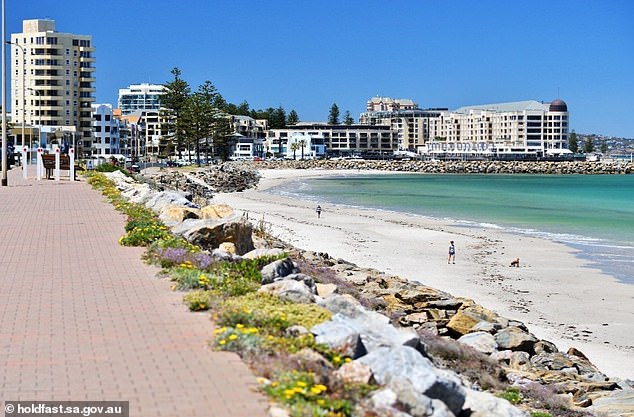
Popular beaches along the South Australian coast are facing a new, insidious threat: quicksand. Recent harrowing incidents at Glenelg North have prompted authorities to erect warning signs, urging beachgoers to exercise extreme caution on what many consider a familiar and safe stretch of sand. Two women have recently found themselves unexpectedly trapped in the treacherous, waist-deep mire, highlighting a danger that can lurk beneath the surface of seemingly solid ground.
A Shocking Encounter with Sinking Sands
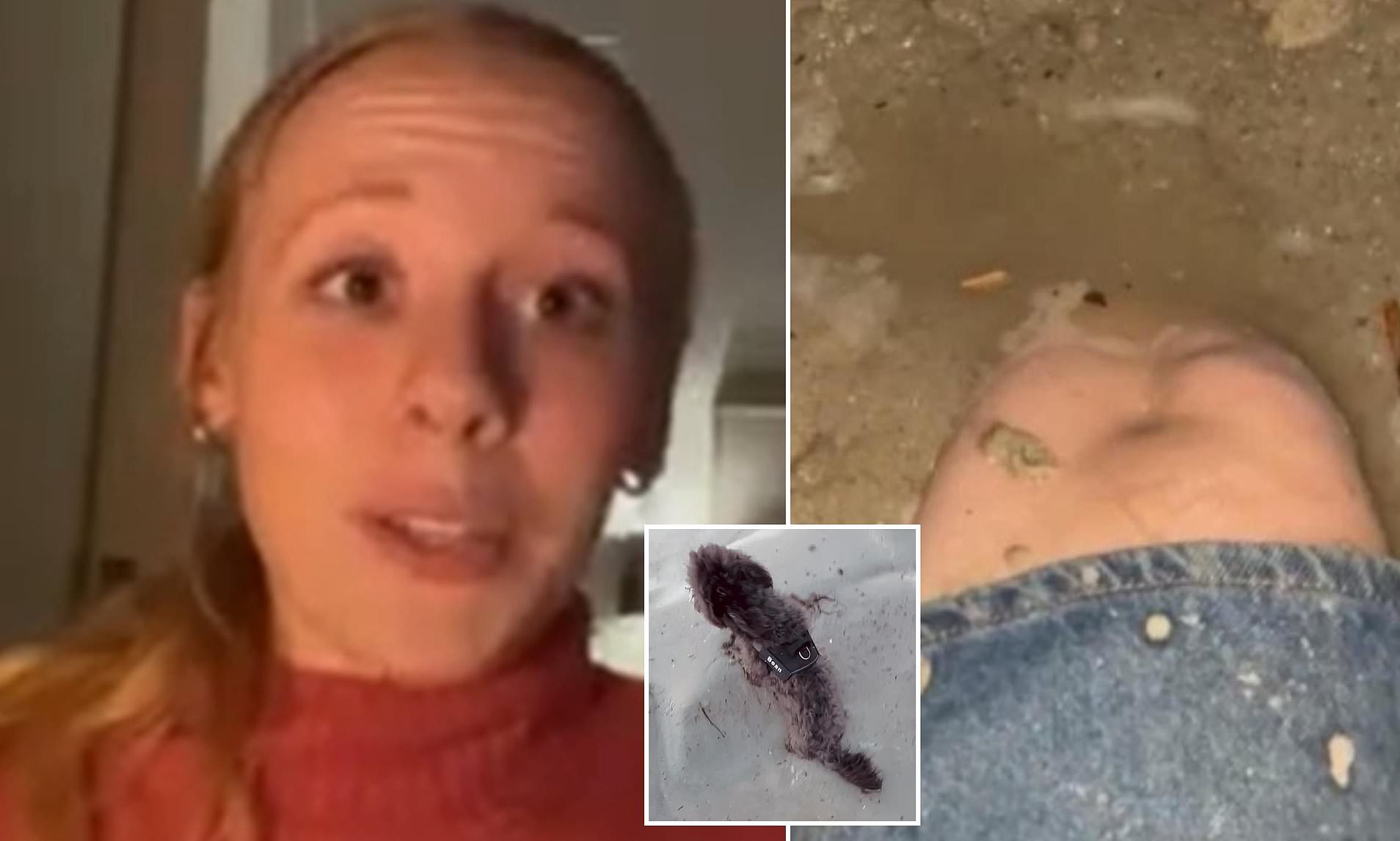
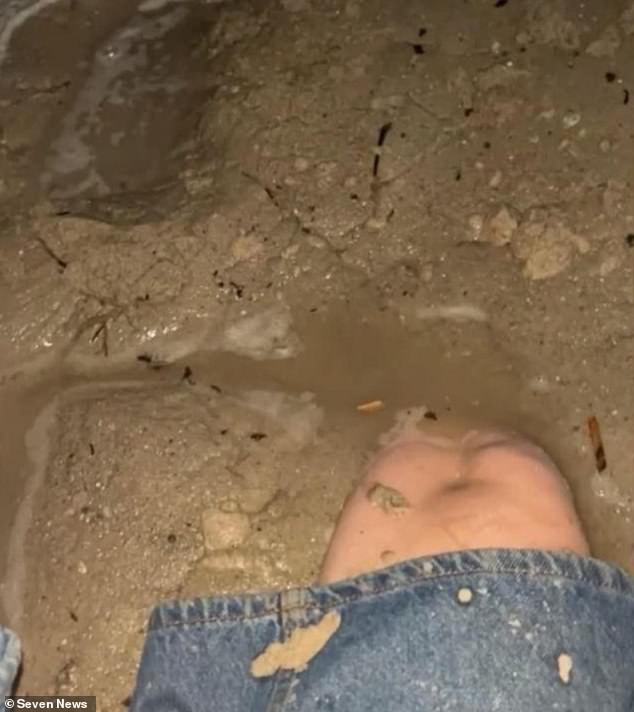
TAFE student Madz June, 20, recounted a terrifying experience during a sunset walk with a friend on May 19th. As she hopped down from some rocks onto the beach, her legs immediately plunged through the sand. Initially finding the situation amusing, the mood quickly shifted to panic when she realised she was unable to free herself.
“I just hopped down from the rocks. When doing that my legs fell straight through the sand,” she told Seven News. “At first I thought it was hilarious… however once I tried to get back out and it was stuck, the panic started to set in.”
For a full hour, Ms. June remained immobilised, her situation only resolved when emergency responders arrived. They managed to extract her from the sinking sand, wrapping her in a thermal blanket to combat the shock and cold. The ordeal left a lasting impression. “I was shaking. I never thought something like that would ever happen to me. It’s something that’s always going to play on my mind and I definitely won’t be jumping from rocks onto sand anymore,” she stated, a stark warning to others.

Another Close Call at Glenelg North
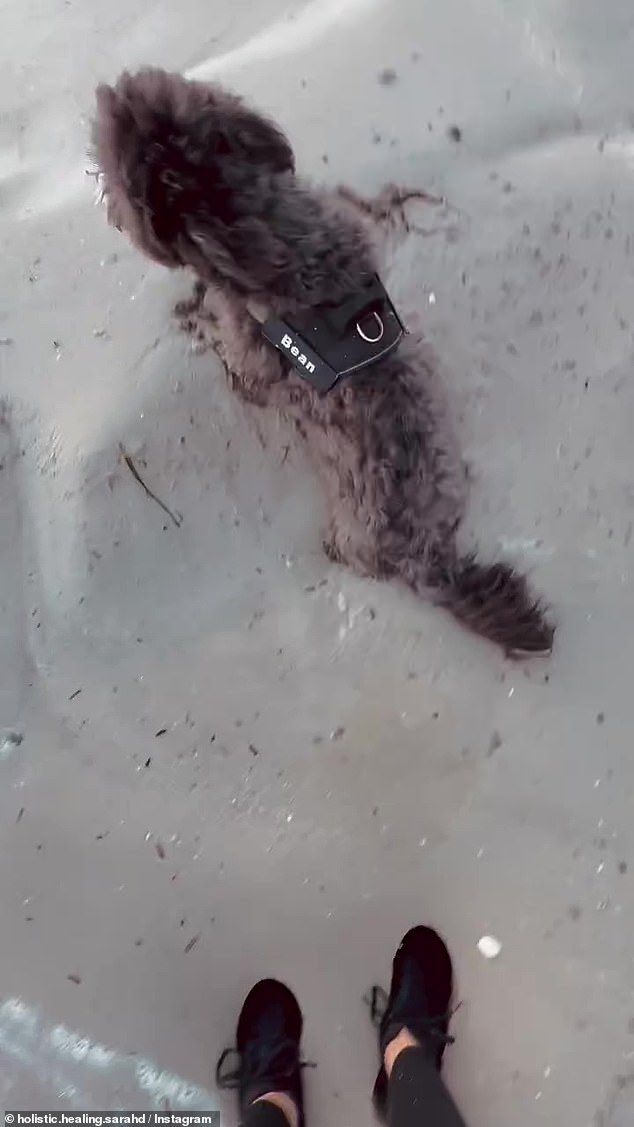
Just a week later, on Saturday, mum-of-two Sarah Darbyshire and her dog, Bean, experienced a similarly frightening ordeal at the same location. Describing the event with a mix of humour and dread, Ms. Darbyshire painted a vivid picture of the danger.
“Bean and I went for a beach walk and somehow ended up in sinking sand. And when I say sinking sand, I mean SINKING, you’re going to f***ing die today sand,” she recounted. The immediate concern was for her dog. “Bean almost disappeared first, so I rescued him, launched him onto solid ground, threw the poo bag, shoved my phone in my pocket and then realised I was sinking too. Up to my waist.”
The gravity of the situation quickly dawned on her. “At that point, I genuinely thought, ‘Well what a way to go’.” Fortunately, a surge of adrenaline allowed Ms. Darbyshire to muster the strength to pull herself free.
Reflecting on the experience, she shared a profound perspective: “Life can be beautiful, ridiculous, terrifying and hilarious all in the same day. Sometimes all you can do is keep moving forward, shake off the sand, and enjoy the ride. Me and Mr Bean certainly are.”
Understanding and Avoiding the Quicksand Hazard
In response to these alarming incidents, Holdfast Bay Council has taken action, installing new warning signs along the Glenelg North shoreline. These signs are intended to alert beachgoers to the presence of quicksand and the potential dangers it poses.
The recent relocation of sand at Glenelg North, aimed at raising the beach and bolstering coastal infrastructure against winter storms, is believed to be a contributing factor to the formation of these quicksand patches.
What is Quicksand and Where Does it Occur?
Quicksand isn’t a specific type of sand, but rather a condition where sand is saturated with water, reducing its ability to support weight. It typically forms in areas where water sources, such as creeks and rivers, meet the sea. This can happen at low tide on beaches, along riverbanks, or in rivers with sandy bottoms. The constant flow of water through the sand grains creates a fluid-like state, making it unstable and prone to swallowing anything that stands on it.
Survival Tips: What to Do If You Get Stuck
Survival experts offer crucial advice for anyone unfortunate enough to find themselves caught in quicksand. The most important rule, according to survivalist Bear Grylls, is not to panic.
“Disturb it more violently and it becomes more viscous, more difficult to escape. That means that the more you fight it, the more it resists you,” Grylls wrote in his book How to Stay Alive. “Each time you pull up your leg, you’ll find that suction drags it back down again. You won’t drown, but you will be stuck.”
Key Survival Strategies:
- Stay Calm: Panicking will only make you struggle more, increasing the suction and making escape harder.
- Don’t Grab for Help from a Companion: If a friend or bystander attempts to pull you out by the hand, do not accept their help.
- This not only puts the rescuer at risk of falling into the quicksand themselves, but it can also lead to serious injury. The opposing forces of the quicksand pulling you down and your companion pulling you up can easily dislocate a shoulder.
- Gentle Movements are Key: Instead of thrashing, try to wiggle your legs gently. This action helps to loosen the sand around your limbs, gradually allowing you to rise to the surface.
- Slowly Make Your Way Out: Once you begin to float or rise, slowly and deliberately move yourself towards solid ground.
- Clean Off Thoroughly: As soon as you are free, it’s important to clean yourself off as much as possible. This is to prevent any residual sand from being drawn back into the quicksand if you happen to step near it again.
The incidents at Glenelg North serve as a potent reminder that even familiar environments can harbour hidden dangers. By heeding the warnings and understanding the nature of quicksand, beachgoers can significantly reduce their risk and ensure their coastal excursions remain safe and enjoyable.