
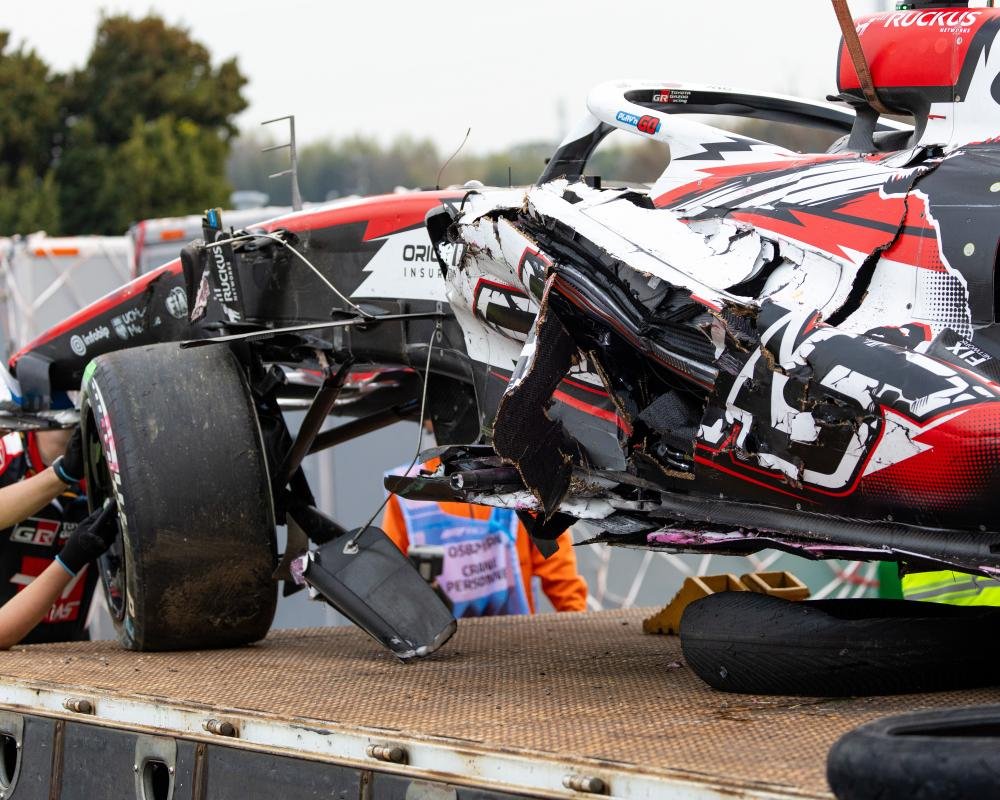
Urgent Safety Review Demanded After High-Speed F1 Scare
Formula 1 is facing calls for immediate safety improvements following a harrowing incident at the Japanese Grand Prix that saw young driver Oliver Bearman narrowly escape serious injury. The near-miss, described by Bearman himself as “scary,” has ignited widespread concern among drivers and team principals about the inherent dangers of the sport under current regulations.
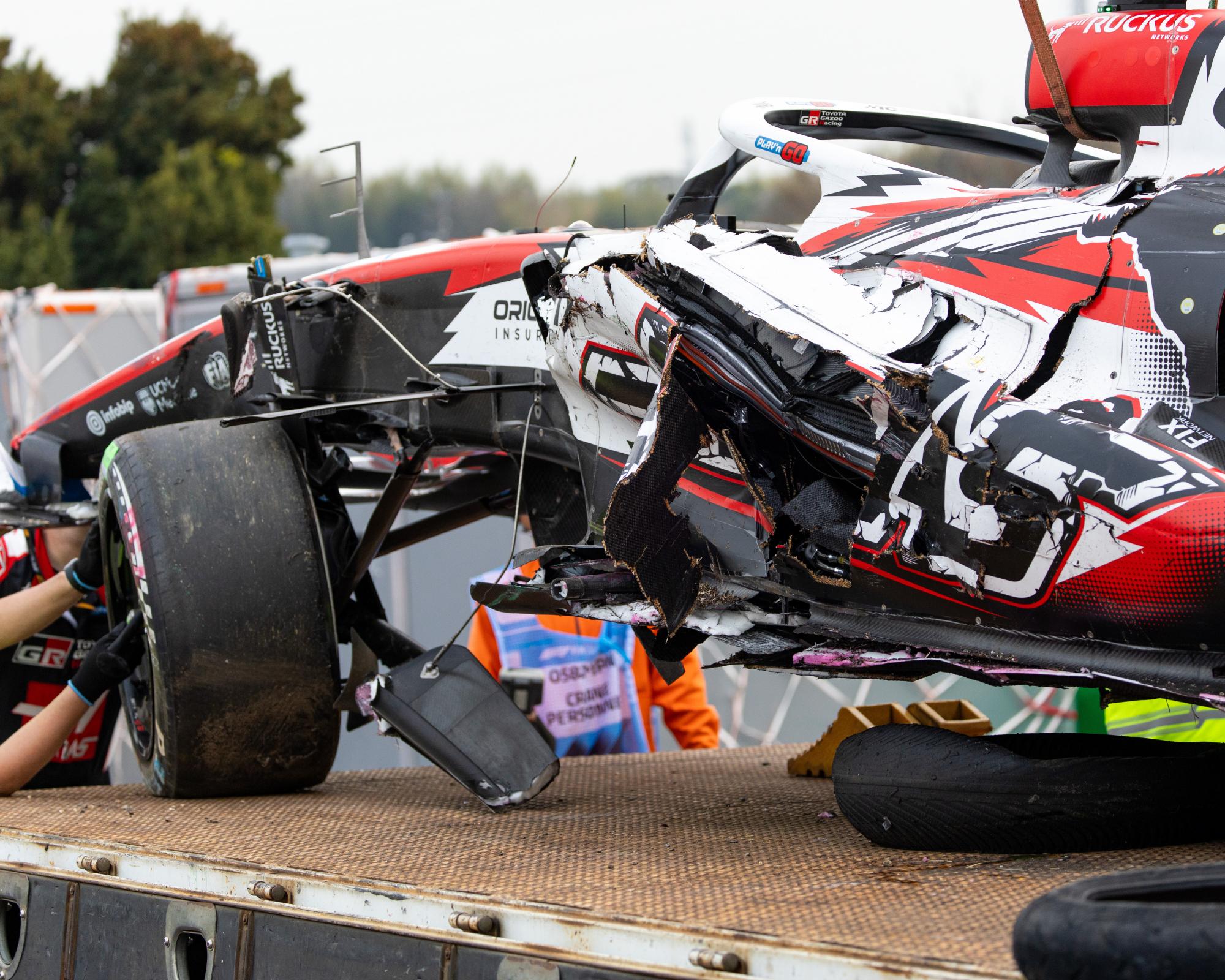
The incident occurred when Bearman, travelling at a significantly higher speed due to deploying extra electrical power (boost mode), had to swerve to avoid colliding with Franco Colapinto, who was travelling much slower due to depleted energy reserves. The substantial speed differential, estimated at 50 kph, highlighted a scenario many had predicted would become a significant risk with the integration of electrical energy management into racing strategy.
Bearman, who fortunately escaped the 190 mph incident with only bruising after a 50G impact with the barriers, expressed his relief. “It was a scary moment out there but everything is OK, which is the main thing,” he stated. “The adrenaline is wearing off a bit so it’s going to be a long trip home, but I’m absolutely fine.”
His Haas team principal, Ayao Komatsu, was unequivocal about the severity of the situation. “Yes. It could have been a lot worse,” Komatsu admitted when asked if Bearman had experienced a lucky escape. “I am just glad he did not break anything. We have been talking about closing speeds, and this accident has now happened so we cannot ignore it. Safety should always be top of the list.”
A Foreseeable Danger
The concerns raised by the Suzuka incident are not new. World Champion Lando Norris had voiced similar warnings at the season’s opening round in Australia, and McLaren team principal Andrea Stella had flagged the potential dangers of differing energy usage before the season even commenced during testing.
Carlos Sainz, driving for Williams, was particularly blunt in his assessment following the accident. “We’ve been warning them about this happening,” Sainz declared. “This kind of closing speed and these kind of accidents were always going to happen and I’m not very happy with what we’ve had up until now. Hopefully we come up with a better solution that doesn’t create these massive closing speeds and a safer way of going racing.”
Sainz underscored the potential for even more catastrophic outcomes at circuits with unforgiving trackside barriers. “We were lucky there was an escape road. Now imagine going to Baku or Singapore or Vegas and having this kind of closing speed and crashes next to the walls. We’ve warned the FIA [the governing body] these accidents are going to happen a lot with this set of regulations and we need to change something soon if we don’t want them to happen.”
Pushing Safety to the Forefront
Andrea Stella echoed the sentiment that this incident demands immediate attention. “This should jump to the top of the agenda,” he urged. “We don’t want to wait for things to happen to put actions in place. Today something happened. Oliver, luckily, got out of it with just some bruises but nothing too major. We have a responsibility to put in place the actions that, especially from a safety point of view, should be implemented.”
FIA Response and Upcoming Review
In response to the growing pressure, the FIA has confirmed that the current regulations will undergo a thorough review in the lead-up to the next Grand Prix in Miami, scheduled in five weeks.
- Review Schedule: A series of meetings are planned for April.
- Objective: To assess the performance of the new regulations and identify any necessary refinements.
- Collaboration: The FIA has committed to working closely with all stakeholders.
- Core Principle: Safety will remain a paramount consideration throughout the process.
“A number of meetings are scheduled in April to assess the operation of the new regulations and to determine whether any refinements are required,” the FIA stated. “The FIA will continue to work in close and constructive collaboration with all stakeholders to ensure the best possible outcome for the sport and safety will always remain a core element of the FIA’s mission.”
Antonelli’s Triumph Amidst Concerns
The Japanese Grand Prix itself saw a remarkable victory for Mercedes driver Kimi Antonelli, who secured his second consecutive win. Antonelli, the 19-year-old prodigy, also became the youngest driver to lead the world championship. He managed to recover from dropping to sixth place at the start to clinch the win. Oscar Piastri finished in second place, with Charles Leclerc rounding out the podium in third. While Antonelli’s performance was a highlight, the looming safety concerns cast a significant shadow over the event.


