Rethinking Mortality: Why Nobody Dies of “Old Age”
The long-held belief that “old age” is a direct cause of death is being challenged by new scientific research. For generations, the prevailing notion has been that as individuals grow older, their bodily systems inevitably decline, leading to a natural end. However, a groundbreaking study from the German Center for Neurodegenerative Diseases suggests a more nuanced reality: old age is not a cause of death in itself, but rather a biological stage where specific diseases are more likely to take hold and prove fatal.
This perspective reframes the commonly discussed “Hallmarks of Aging”—such as the accumulation of senescent (lingering dead) cells, DNA damage, and the shortening of chromosome caps—not as direct killers, but as indicators of a compromised biological state. These hallmarks, according to the research, signify an increased vulnerability to life-limiting pathologies like cardiovascular failure.
The Circulatory System: The Primary Point of Failure
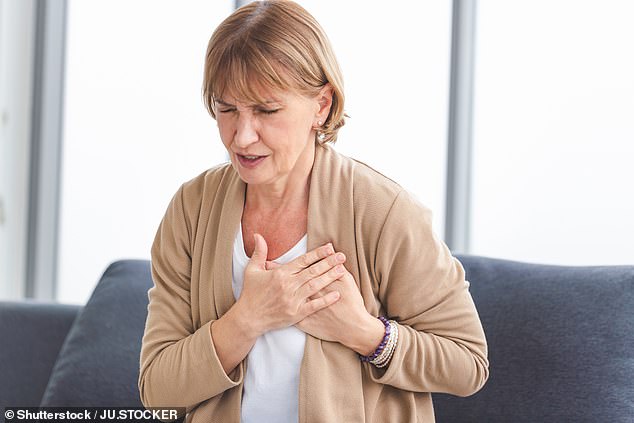
An extensive analysis of 2,410 human autopsy reports has pinpointed the circulatory system as the body’s most frequent site of failure. Cardiovascular diseases, particularly heart attacks, emerged as the overwhelming cause of mortality, accounting for a staggering 39 percent of all examined cases. These fatal events were often undetected until post-mortem examination.
The study’s findings extend even to centenarians, individuals aged 100 and above, who are often perceived as remarkably healthy. Autopsies of this age group revealed that their deaths were not attributable to a generalized “old age.” Instead, cardiovascular causes were responsible for nearly 70 percent of deaths, with respiratory failure contributing to a quarter, and other specific organ failures accounting for smaller percentages.
Challenging the Longevity Industry
This new understanding poses a significant challenge to the burgeoning longevity industry. The research implies that many popular “anti-aging” interventions and drugs may not genuinely slow the aging process itself. Instead, they might primarily serve to delay the onset or impact of specific age-related diseases.
The data paints a clear picture of mortality drivers:
- Cardiovascular Disease: Heart attacks alone accounted for 39 percent of deaths.
- General Organ Failure: Combined heart or lung failure contributed to 38 percent of fatalities.
- Stroke: This neurological event was responsible for nearly 18 percent of deaths.
- Pulmonary Embolism: Blood clots in the lungs caused 10 percent of deaths.
- Artery Rupture: Major arterial ruptures were implicated in just under 10 percent of deaths.
It is important to note that these percentages often exceed 100 percent because many individuals succumbed to a combination of conditions. For example, a heart attack could lead to subsequent heart failure, contributing to multiple causes of death. The research concludes that for humans, the critical vulnerability is not aging per se, but the susceptibility of the circulatory system to failure.
Hallmarks of Aging: Symptoms, Not Causes
The study emphasizes that the recognized “hallmarks of aging” should not be listed as direct causes of death on death certificates. Rather, they are tell-tale signs of a body in a weakened state, making it more susceptible to succumbing to a clearly diagnosable fatal disease such as a heart attack, stroke, or organ failure.
The researchers articulate this point, stating: “Aging research has long been shaped by assumptions that may not fully account for the complexity… of the aging process. One of the most persistent assumptions is that extending lifespan equates to slowing aging. However… age-related mortality is often determined by a narrow set of life-limiting pathologies rather than by a generalized, systemic aging process. As a result, lifespan extension frequently reflects the delayed onset of specific diseases rather than a slowing of aging per se.”
Flawed Foundations of Anti-Aging Science
The research team critically examined the foundational studies underpinning anti-aging science, particularly those validating the “Hallmarks of Aging.” Their review revealed a significant methodological gap: between 57 percent and 100 percent of these experiments were conducted exclusively on already-aged animals. This leaves a crucial question unanswered: can targeting these hallmarks truly slow down aging from its inception?
Scientists, the researchers argue, face a challenge in differentiating between interventions that slow aging and those that merely treat the symptoms in elderly subjects. Most studies focus on older animals, blurring the lines between disease treatment and actual aging modification. In the limited number of studies that included younger animals, treatments benefited both young and old subjects equally 72 percent of the time. This suggests that such interventions may provide a general health boost rather than altering the fundamental rate of aging.
The “Zombie Cell” Debate and Beyond
A prominent example of an aging hallmark is the presence of “zombie cells,” also known as senescent cells. These are damaged cells that cease dividing but do not die. Instead, they persist in the body, releasing inflammatory chemicals that contribute to aging and a host of diseases, including Alzheimer’s, arthritis, cancer, and diabetes. The claim has been that these cells are a primary driver of aging itself. However, if this were unequivocally true, removing them should not only alleviate sickness in older bodies but fundamentally decelerate the rate of organ deterioration over time.
To rigorously assess the efficacy of interventions in slowing systemic decline that leads to disease-related deaths, the researchers advocate for a shift in experimental design. They propose that treatments should be administered to animals in middle age, allowing researchers to meticulously track their decline as they age, rather than solely observing them when they are already old and frail.
Biological Clocks: Tracking Markers, Not Mechanisms
The field of “biological clocks” has emerged with the promise of predicting an individual’s biological age and mortality risk based on various data patterns, such as DNA methylation changes that influence gene expression. These clocks correlate with chronological age. However, the current research suggests that these clocks primarily track biomarkers that change alongside aging, rather than necessarily identifying the underlying processes that drive aging. Altering a biological clock score might indicate a modification of an aging marker, but not necessarily a fundamental change in the aging process itself.