
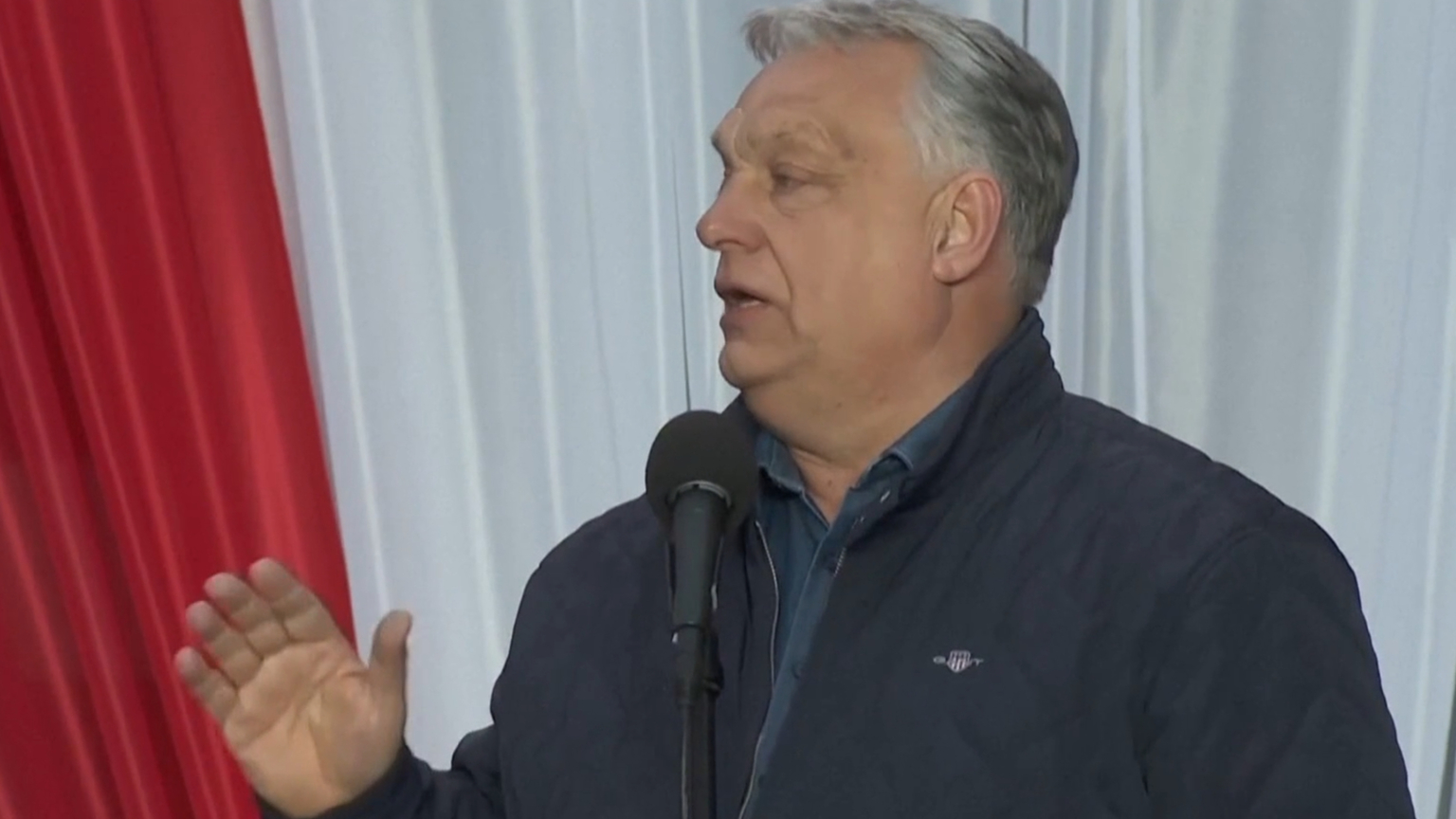
The political landscape of Hungary has undergone a dramatic shift following the election victory of Peter Magyar, a former loyalist of the ousted Prime Minister Viktor Orban. This unexpected win marks a significant turning point for the country and has sent ripples through Europe, signaling a potential realignment in Hungary’s relationships with key international institutions such as the European Union (EU) and NATO.
Magyar, who ran on a platform focused on anti-corruption, healthcare, and public transport reforms, has positioned himself as a reformer aiming to restore trust in democratic institutions. His Tisza party secured over 53% of the vote, compared to Orban’s Fidesz party at 38%, according to preliminary results. This is a major setback for Orban, who had ruled Hungary for 16 years and was known for his strong ties with both Donald Trump and Vladimir Putin.
In his victory speech, Magyar drew inspiration from historical moments in Hungarian history, comparing his win to the 1848 revolution and the 1956 uprising against Soviet rule. He also echoed the words of President John F. Kennedy, emphasizing the spirit of collective responsibility rather than individual gain.
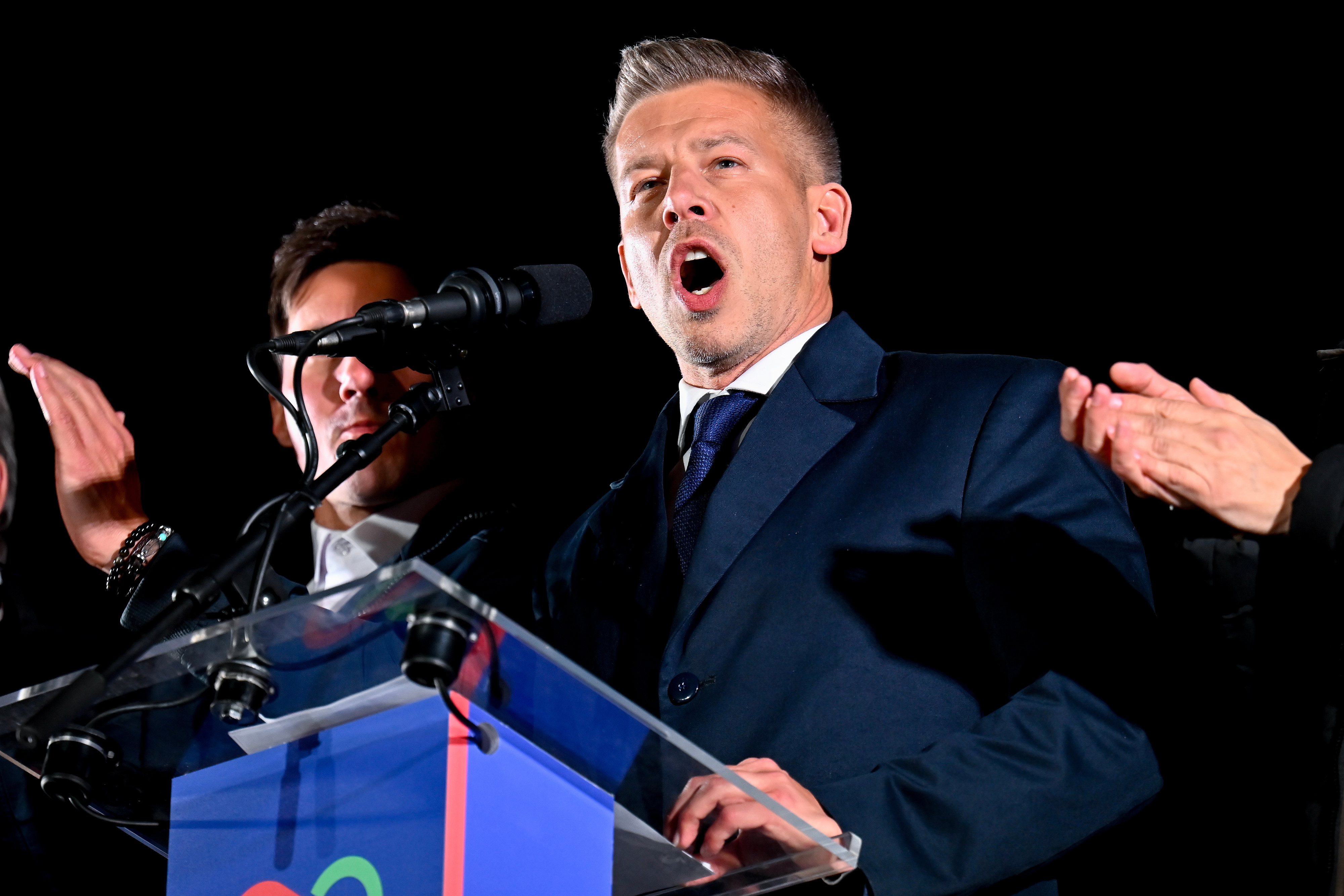
One of the first to acknowledge Magyar’s win was Ukrainian President Volodymyr Zelenskyy, who praised the shift in Hungary’s political direction. Zelenskyy highlighted the importance of cooperation and stability in Europe, expressing readiness for joint efforts between Ukraine and Hungary.
Orban, who had long been a thorn in the side of European unity, particularly regarding Ukraine’s war with Russia, conceded defeat after a “painful” election result. He pledged to serve the nation from the opposition, while acknowledging the need for Hungary to strengthen its ties with the EU and NATO.
The high voter turnout, exceeding 77%, marked a record in Hungary’s post-communist history. However, both parties have reported allegations of electoral violations, suggesting that the final results may be subject to dispute.
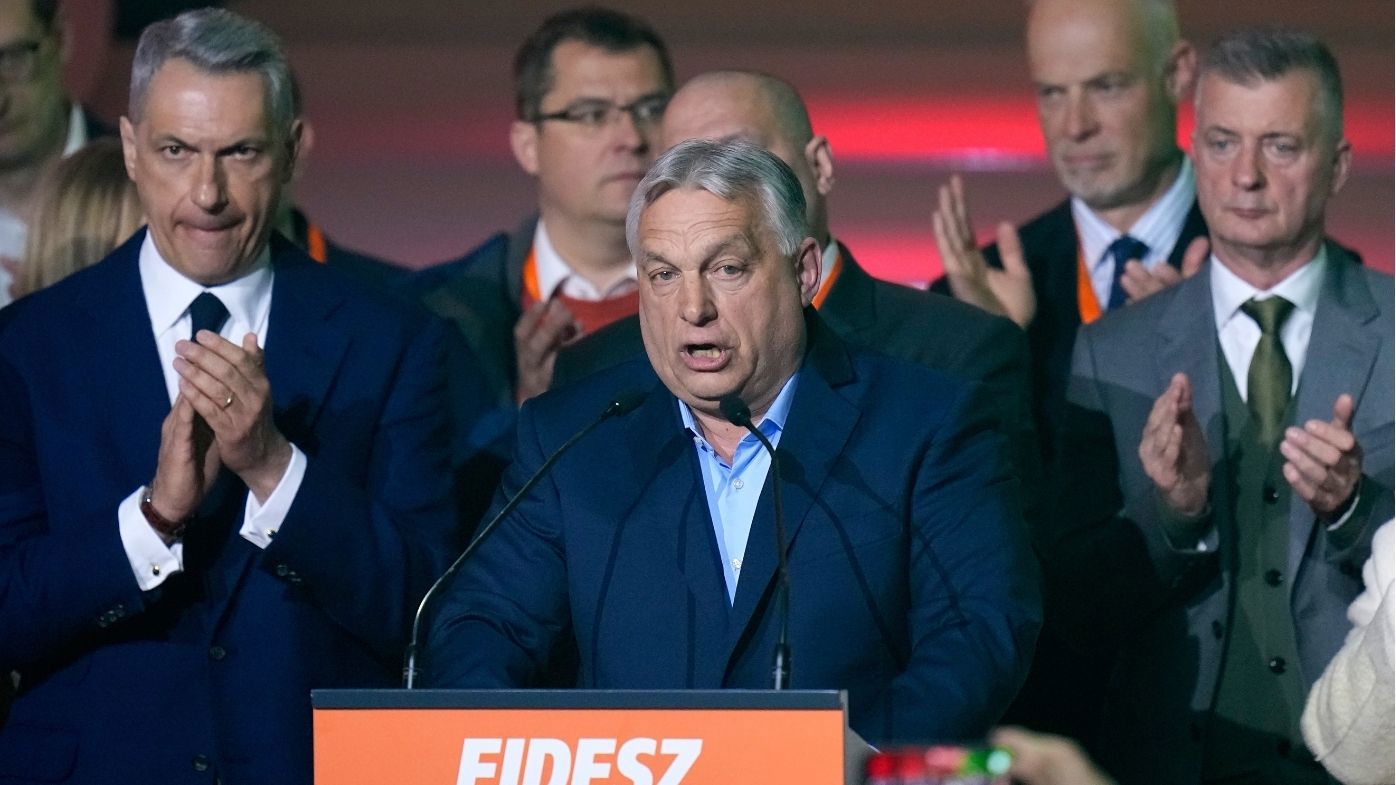
Despite the overwhelming support for Magyar, it remains uncertain whether his Tisza party will secure the two-thirds majority needed for major legislative changes. The current lead of over 53% suggests a strong possibility, but the outcome could still be influenced by the remaining votes.
Magyar’s campaign emphasized reconciliation and unity, urging supporters to remain peaceful and celebrate the new era. His vice president, Mark Radnai, called for healing and reconnection among Hungarians, highlighting the importance of community and mutual respect.
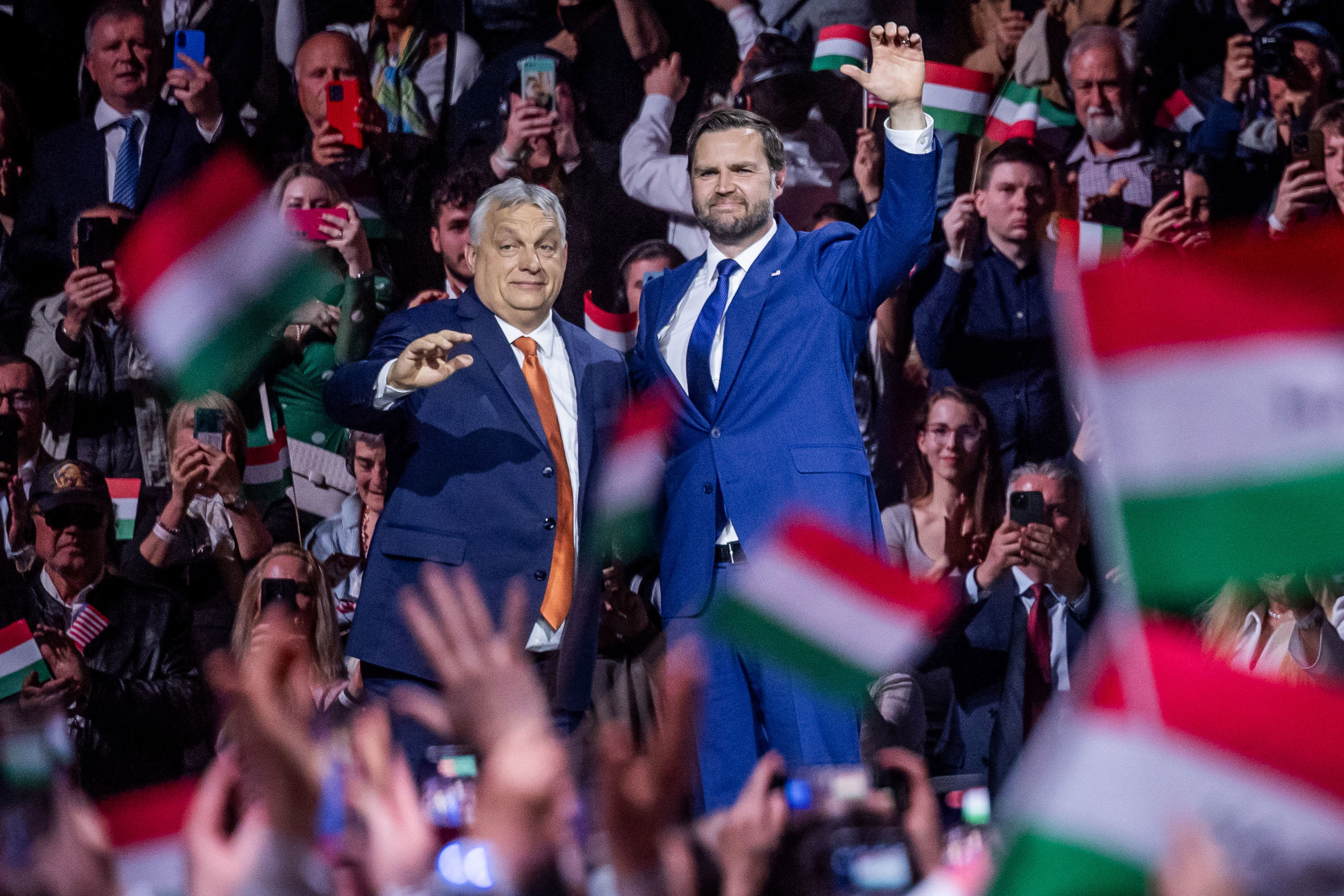
The election has raised questions about Hungary’s future direction, particularly in relation to its relationship with the EU. Orban’s policies, including his resistance to EU initiatives on Ukraine and his close ties with Russia, have strained these relations. Recent revelations of internal leaks within Orban’s government have further fueled concerns about Hungary’s role in the bloc.
Magyar, on the other hand, has positioned himself as a pro-European leader, aiming to reverse the drift towards Russia. His Tisza party is part of the European People’s Party, aligning with mainstream conservative values across the continent.
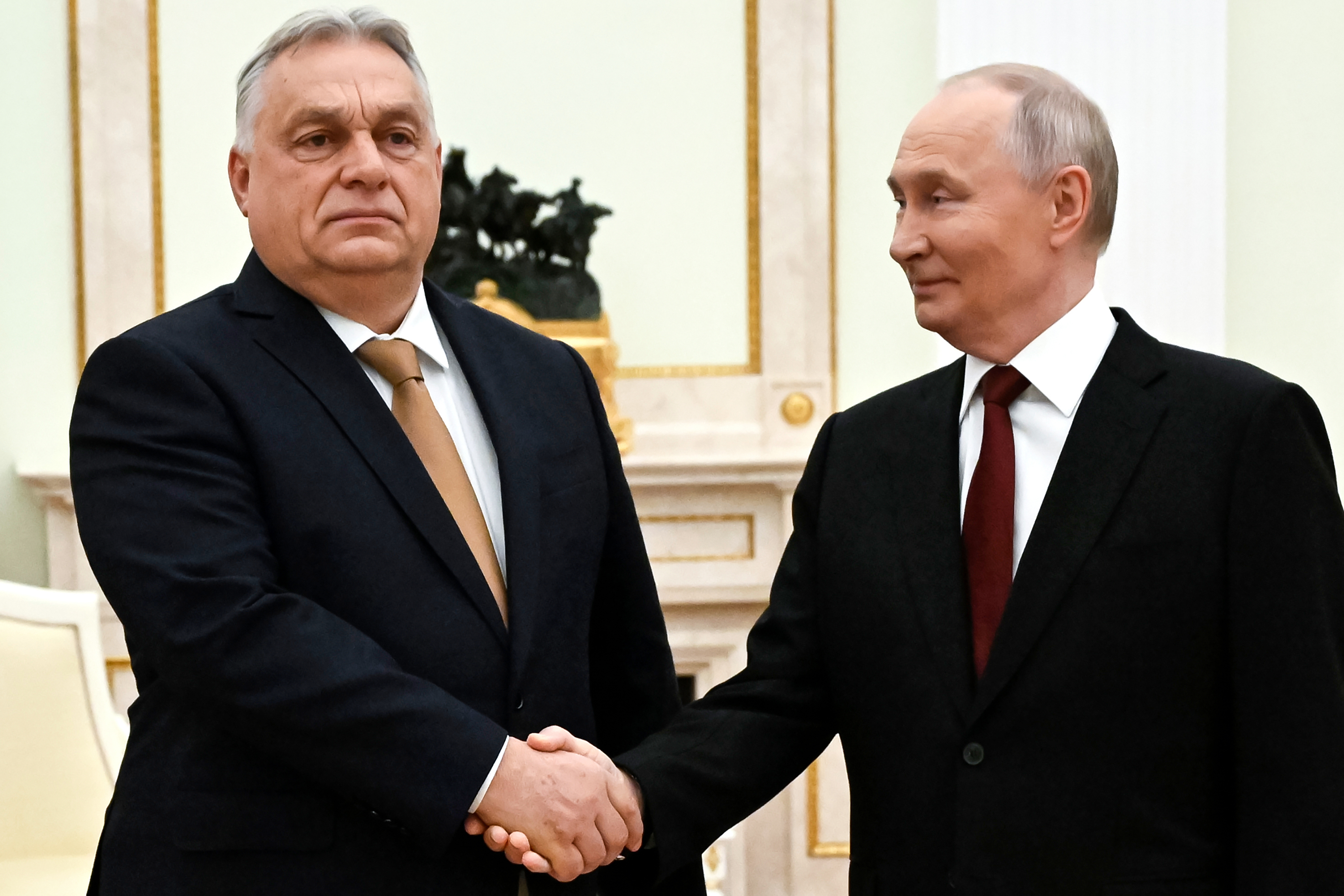
Magyar’s rise as a challenger to Orban was not without challenges. Orban’s control over media and the electoral system posed significant obstacles. Despite this, Magyar managed to build a broad coalition, appealing to voters across the country.
His campaign focused on grassroots engagement, with rallies held in towns and villages throughout Hungary. This approach helped him connect with voters who felt disconnected from the political establishment.
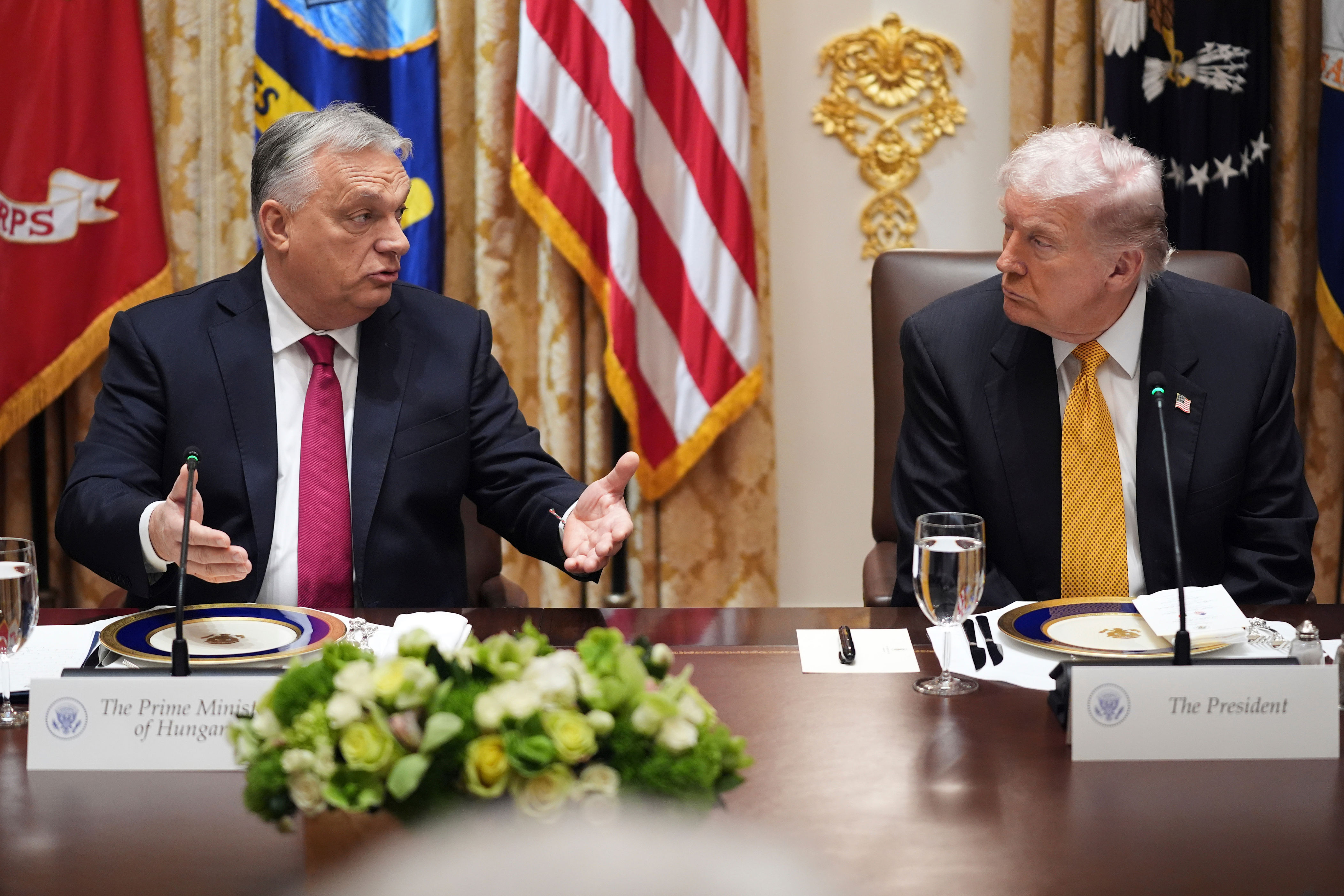
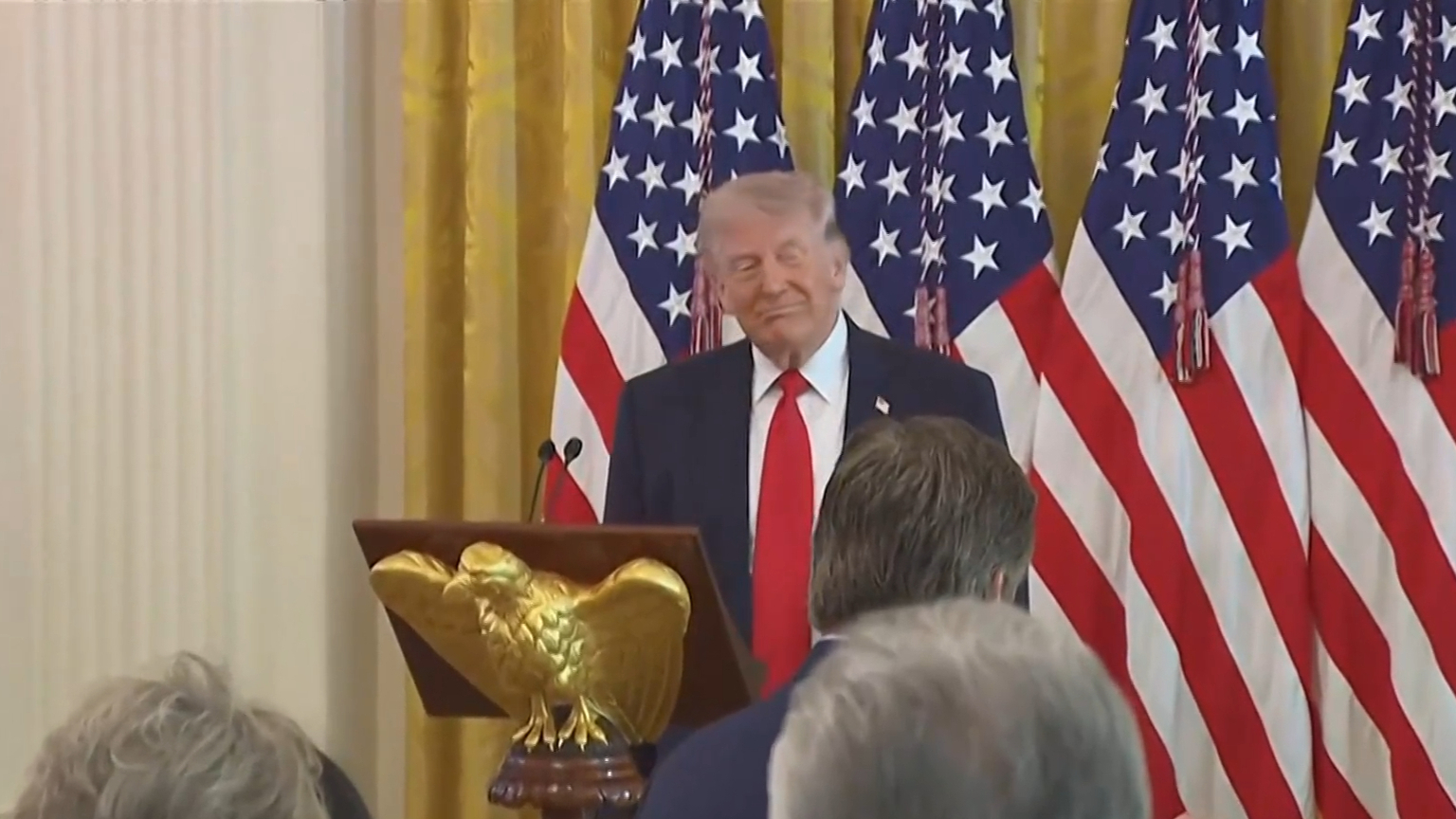
The election also attracted international attention, with reports of Russian interference and support for Orban from figures like Donald Trump. However, Magyar’s victory has been seen as a rejection of these influences, signaling a desire for a more democratic and European-oriented Hungary.
As Hungary moves forward under Magyar’s leadership, the focus will be on rebuilding trust, strengthening democratic institutions, and re-establishing meaningful relationships with the EU and NATO. The coming months will be crucial in determining the direction of this new era for the country.


