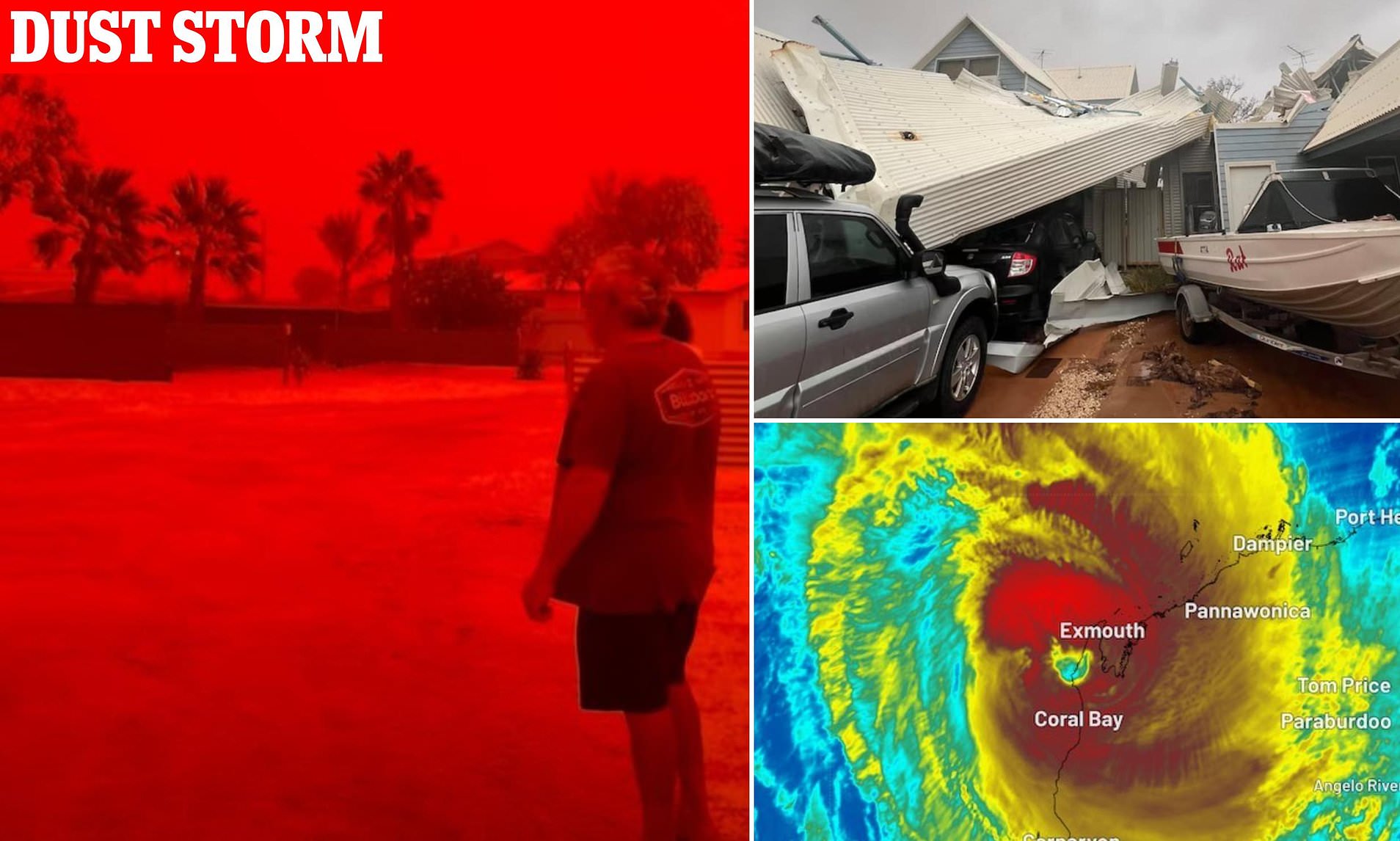
Cyclone Narelle Batters Western Australia, Leaving Coastal Towns Engulfed in Red Dust and Devastation
Isolated coastal communities in Western Australia have been subjected to a dramatic and destructive onslaught as Tropical Cyclone Narelle, initially a formidable Category 4 system, made landfall. While the cyclone has since been downgraded, its passage left a significant trail of damage, particularly in the Pilbara and North West Cape regions, before continuing its destructive path towards Carnarvon.
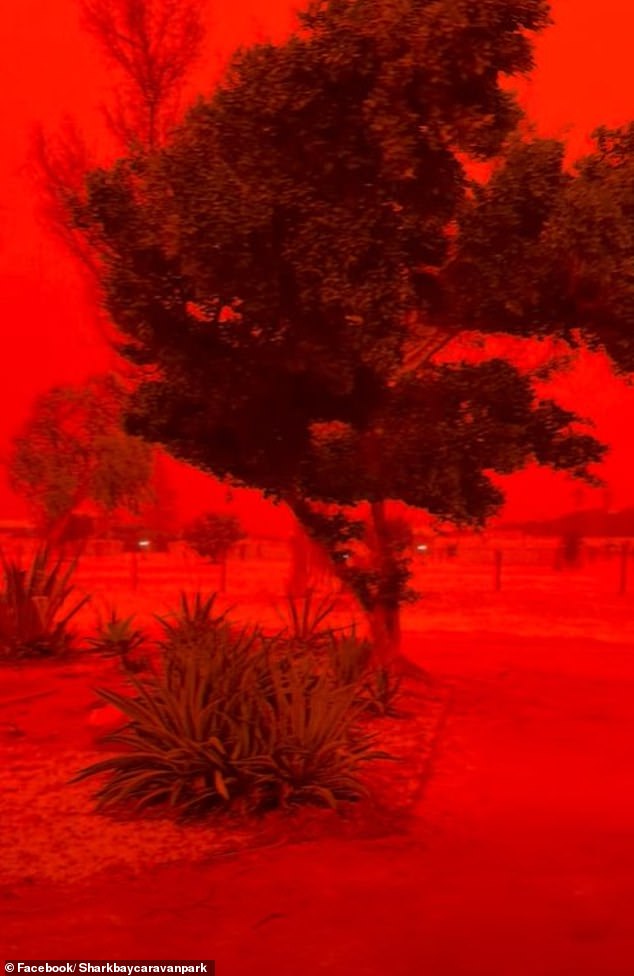
The impact on towns like Exmouth and Carnarvon has been severe, with residents experiencing not only high winds and heavy rain but also an unusual and pervasive red dust storm. In Carnarvon, Shire president Eddie Smith reported that the town was blanketed by a thick layer of red dust for approximately two hours, accompanied by wind gusts exceeding 100 km/h. This phenomenon was vividly captured by the Shark Bay Caravan Park in Exmouth, which shared footage of the eerie, dust-filled conditions.
“Incredibly eerie outside and everything is covered in dust. Not a lot of wind yet,” a spokesperson from the caravan park described the situation, noting that the dust was palpable, even felt within the nose and mouth. They expressed a hope for sufficient rainfall to cleanse the pervasive dust, emphasizing that it was an “inside day” for them.
Exmouth Bears the Brunt of Narelle’s Fury
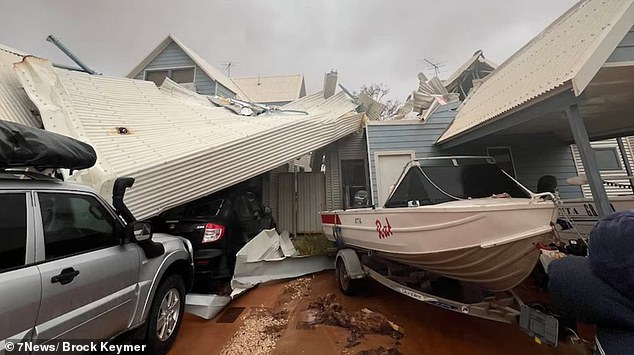
Holiday town Exmouth, located approximately 1,250 km north of Perth, bore the full brunt of Cyclone Narelle’s initial ferocity. As a Category 4 storm, it unleashed winds in excess of 250 km/h. The consequences were catastrophic: roofs were torn from buildings, widespread power outages occurred, and homes were inundated with floodwaters. The situation became so dire that approximately 50 individuals were forced to evacuate the town’s designated evacuation centre after it sustained significant wind damage.
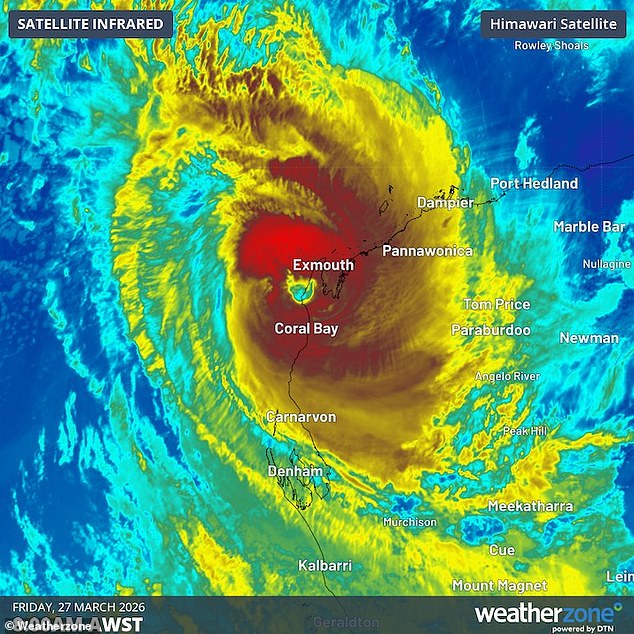
Following its impact on Exmouth, Narelle tracked southward, reaching Coral Bay. It made landfall just south of this small community before weakening to a Category 3 system. The cyclone continued its journey eastward of Carnarvon on Friday afternoon, still classified as a Category 3. By the time it moved northeast of Kalbarri and Geraldton, it had further weakened into a Category 2 system.
Assessing the Widespread Damage and Future Threats
The Department and Fire and Emergency Services Commissioner, Darren Klemm, conveyed a somber outlook on Friday, stating, “We’re expecting some pretty significant damage.” He assured that emergency services would collaborate with local governments and affected communities to assess the full extent of the destruction and provide necessary support for the ongoing impacts. Commissioner Klemm specifically highlighted Exmouth as a location expected to have suffered severe consequences.
He further elaborated on the complex nature of Cyclone Narelle, describing it as an “incredibly complex cyclone” due to its trajectory from the Kimberley region down the Pilbara coastline. “It was always going to have multiple impacts into multiple towns as it came down the coast,” he explained, underscoring the cyclone’s widespread and multifaceted nature.
Continuing Threat to Inland Regions
The cyclone’s destructive journey was not expected to conclude with its coastal impact. Narelle was forecast to maintain its southeast trajectory, heading towards the northern Wheatbelt region on Saturday. Authorities warned of the potential for damaging winds and heavy rainfall in southeast Western Australia as the system traversed the Wheatbelt before eventually moving off the south coast and into the Southern Ocean. This continued threat highlighted the need for ongoing vigilance and preparedness across a broader geographical area.