Navigating the Annual Clock Change: What Australians Need to Know About Daylight Saving in 2026
The rhythmic shift of clocks, a practice embraced by millions globally, is a familiar, albeit sometimes divisive, part of life in Australia. Known colloquially as Daylight Saving Time (DST), this annual adjustment to our timekeeping during the warmer months aims to harness more of the evening’s natural light. While the core concept is simple – moving clocks forward an hour – its implementation and perceived benefits have been the subject of considerable debate for decades. As certain regions prepare to revert to standard time, understanding the nuances of DST across the nation is crucial.

The fundamental idea behind DST is to maximise daylight hours in the evening, particularly during spring and summer. Proponents often highlight potential energy savings, as well as the encouragement of outdoor activities and a boost to local economies through extended daylight for leisure. Conversely, a vocal contingent argues that DST disrupts natural sleep patterns, leading to health concerns, and that its purported energy-saving benefits are often overstated or negligible in modern society. Regardless of where one stands on the issue, the upcoming end of DST in several Australian states warrants a clear understanding of the dates and the regions involved.
Key Dates for Daylight Saving in 2026
For those states and territories that observe Daylight Saving Time, the transition back to standard time is a significant event. In 2026, Daylight Saving Time will conclude on Sunday, 5 April. At precisely 3:00 AM Australian Eastern Daylight Time (AEDT), clocks will be turned back one hour to 2:00 AM Australian Eastern Standard Time (AEST). This marks the end of the period where we “spring forward.”
The cycle then reverses as the warmer months approach once more. Daylight Saving Time is scheduled to recommence on Sunday, 4 October 2026. At 2:00 AM AEST, clocks will be advanced by one hour to 3:00 AM AEDT, signalling the return of longer evenings.
A helpful mnemonic, often borrowed from the United States where autumn is referred to as “fall,” is to remember: “Spring forward, fall back.” This simple phrase serves as a useful reminder for when to adjust your clocks in the respective seasons.
Which Parts of Australia Observe Daylight Saving?
It’s a common misconception that all of Australia participates in Daylight Saving Time. In reality, the practice is observed only in a select group of states and territories. The following regions adhere to the DST schedule:
- Australian Capital Territory (ACT)
- New South Wales (NSW)
- South Australia (SA)
- Tasmania (TAS)
- Victoria (VIC)
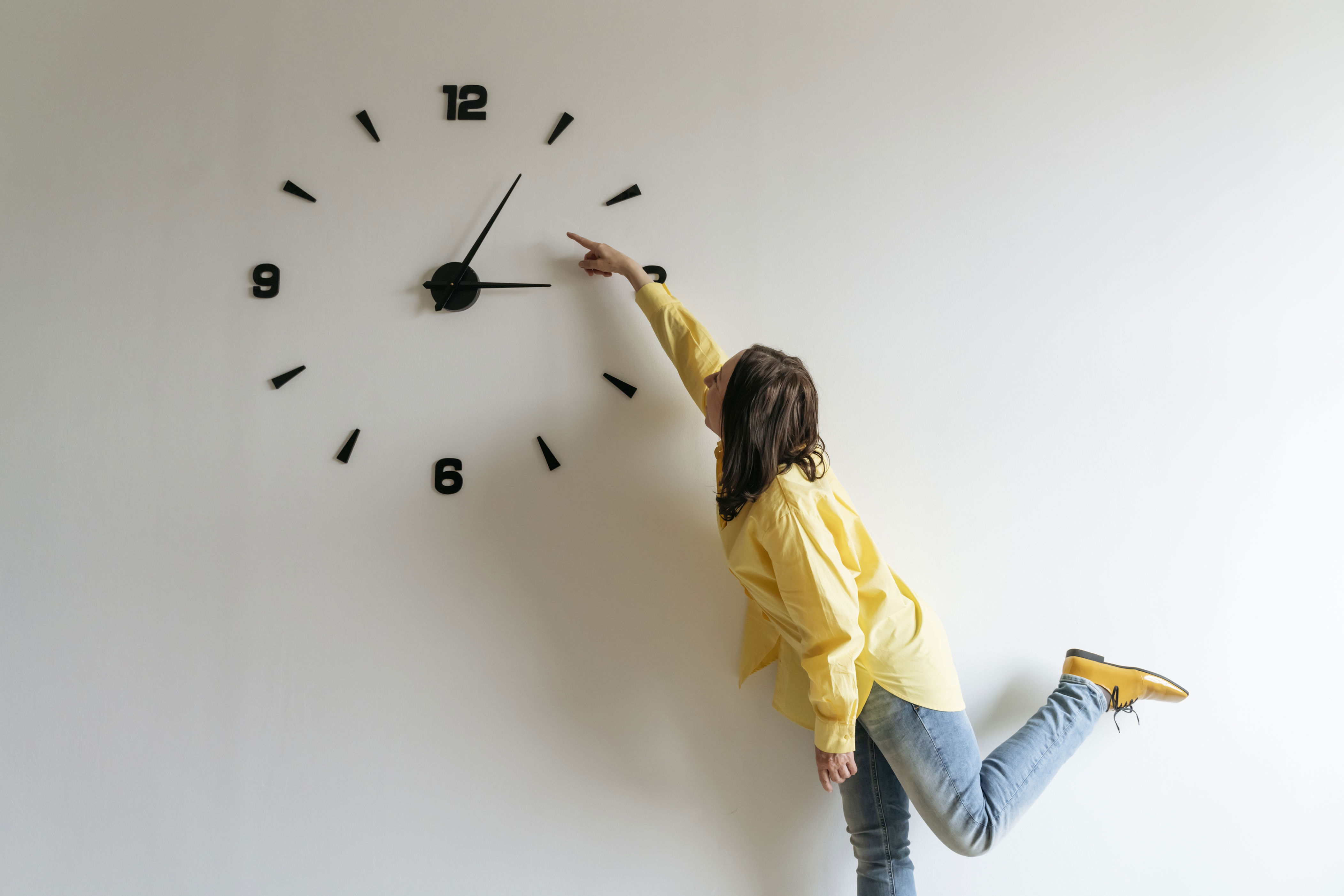
Conversely, several states and territories opt out of Daylight Saving Time altogether. These regions maintain a consistent standard time throughout the year, unaffected by the biannual clock adjustments:
- Queensland (QLD)
- Northern Territory (NT)
- Western Australia (WA)
This geographical divide means that communication and travel across state lines can sometimes require a mental adjustment to account for the time difference, particularly during the DST period.
The Origins and Purpose of Daylight Saving Time
The concept of adjusting clocks to better align with daylight hours isn’t a new phenomenon. Daylight Saving Time, or DST, fundamentally involves moving clocks forward by an hour during the warmer months. This practice was first introduced on a wider scale during World War I as a measure to conserve energy. While its implementation was sporadic in the intervening years, DST gained more consistent traction in the 1970s, largely driven by the need for energy conservation during the global oil crisis. The idea was that by extending daylight into the evening, households would rely less on artificial lighting, thereby reducing electricity consumption. Modern discussions, however, often question the efficacy of these savings in the face of increased reliance on electronic devices and the complexities of a 24-hour society. The ongoing debate highlights the evolving perspectives on how best to manage our time and resources in the modern era.