Brace Yourselves: Damaging Winds and Widespread Showers Lashing Southern Australia Today
Southern Australia is in for a rough ride today as a significant low-pressure system continues to batter the region. Meteorologists are warning of the persistent threat of damaging winds, widespread showers, and the potential for thunderstorms, urging residents in elevated and exposed areas to exercise extreme caution.
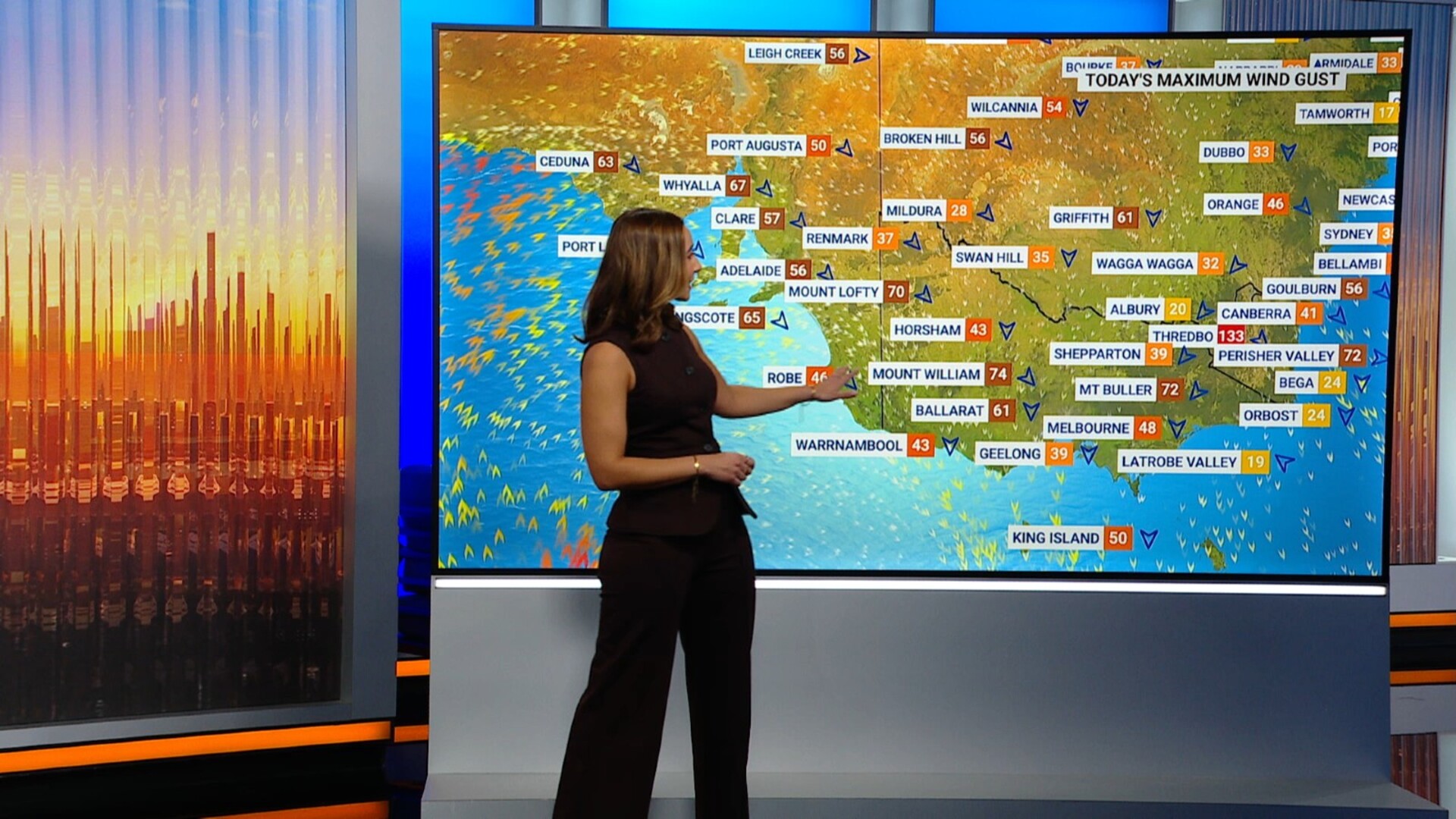
Sky News Meteorologist Tamsin Green has been closely monitoring the developing weather pattern, highlighting the intensity of the conditions expected. “We’ve got this deep area of low pressure sat across the south,” Green explained, “and it is continuing to drive in those strong winds, widespread showers, and thunderstorms as well.”
The primary concern for many is the risk of damaging winds. These gusts are not just a nuisance; they have the potential to cause significant disruption and damage to property. “Now, we are still looking at that damaging wind threat,” Green emphasised, “particularly so for those elevated and exposed regions.” This means that areas on higher ground, or those with less natural shelter, will bear the brunt of the strongest and most destructive winds.
What to Expect: A Breakdown of the Forecast
The current weather setup is characterised by a potent low-pressure system firmly entrenched over the southern parts of the continent. This system acts like a powerful engine, drawing in moisture and generating a range of volatile weather phenomena.
- Strong Winds: Residents can anticipate sustained strong winds throughout the day. These will not be isolated gusts but rather a persistent feature of the weather. The intensity will be amplified in exposed locations.
- Widespread Showers: The low-pressure system is also a harbinger of significant rainfall. Showers are expected to be widespread, meaning they will cover large geographical areas rather than being confined to small pockets. This could lead to localised flooding in some areas, especially in low-lying regions.
- Thunderstorm Activity: Alongside the wind and rain, there is a significant chance of thunderstorms developing. These storms can bring sudden downpours, lightning, and further gusty winds, adding another layer of unpredictability to the day’s weather.
Areas Most at Risk: Elevated and Exposed Regions
The advisory for elevated and exposed regions cannot be stressed enough. These areas are inherently more vulnerable to the impacts of strong winds due to their geographical positioning.
- Hills and Mountainous Areas: Locations situated on hills or in mountainous terrain will experience higher wind speeds as the air is forced to flow over these elevated landforms. This can lead to wind tunnelling effects, further intensifying the gusts.
- Coastal Areas: Coastal communities are also at heightened risk. Open expanses of water offer little resistance to wind, allowing it to build momentum before reaching the shore. Furthermore, coastal areas are often more exposed to the direct path of weather systems moving in from the sea.
- Open Plains and Farmland: Even seemingly flat areas can be considered exposed if they lack significant tree cover or other natural windbreaks. Large, open plains and agricultural land can allow winds to sweep across unimpeded.
Safety Precautions: Staying Prepared
With the threat of damaging winds and severe weather, it’s crucial for residents to take proactive steps to ensure their safety and minimise potential damage.
- Secure Outdoor Items: Anything that can be blown around by the wind, such as outdoor furniture, trampolines, gardening tools, and bins, should be secured or brought indoors. Loose items can become dangerous projectiles during strong winds.
- Check Your Property: Inspect your home for any potential weaknesses, such as loose roof tiles or damaged gutters, that could be exacerbated by the strong winds.
- Stay Informed: Continuously monitor weather updates from reliable sources. This will help you stay aware of any changes in the forecast or immediate warnings.
- Avoid Travel if Possible: If you are in an area forecast to experience severe conditions, consider postponing non-essential travel. Driving in strong winds, especially with reduced visibility due to rain, can be hazardous.
- Be Aware of Power Outages: Strong winds can cause damage to power lines, leading to potential outages. Ensure you have essentials like torches and extra batteries on hand.
- Listen to Emergency Services: In the event of an emergency, always follow the advice and instructions of local emergency services.
The current weather situation demands vigilance. By understanding the forecast and taking appropriate precautions, residents across southern Australia can better navigate the challenges posed by this active weather system.