Spring Smashes Records: England and Wales Experience Hottest Spring Since Records Began
The recent spell of scorching temperatures at the close of May has etched this year’s spring into the annals of meteorological history, officially marking it as the warmest spring recorded in England and Wales since data collection commenced. Provisional statistics reveal that the mean temperature for the season in these regions has reached unprecedented levels, also placing it as the third warmest spring for the United Kingdom as a whole.
The unseasonable heat saw some areas endure a remarkable six consecutive days where temperatures soared above 30°C (86°F). The mercury peaked at a sweltering 35.1°C (95.2°F) in Kew Gardens, West London, last Tuesday, a stark indicator of the extreme conditions experienced.
England’s average spring temperature of 10.41°C (50.7°F) has now eclipsed the previous record of 10.23°C (50.4°F) set last year. This remarkable trend means that the three warmest springs on record for England are now 2026, 2025, and 2024, underscoring a significant shift in climatic patterns. Furthermore, a staggering nine out of the ten warmest springs recorded in England since records began in 1884 have occurred in the 21st century, with the majority since 2007.
Dr. Emily Carlisle, a scientist with the Meteorological Office, highlighted the significance of these findings. “All three months that constitute meteorological spring,” she explained, “recorded mean temperatures within the UK’s top ten warmest on record.” Dr. Carlisle further elaborated on the implications of these shifts: “While we expect fluctuations from year to year, this spring shows some of the changes we’re seeing in our weather patterns, with more extreme conditions becoming more frequent. The fact that nine of the ten warmest springs in England have occurred since 2007 illustrates this ongoing shift in the UK’s climate.”
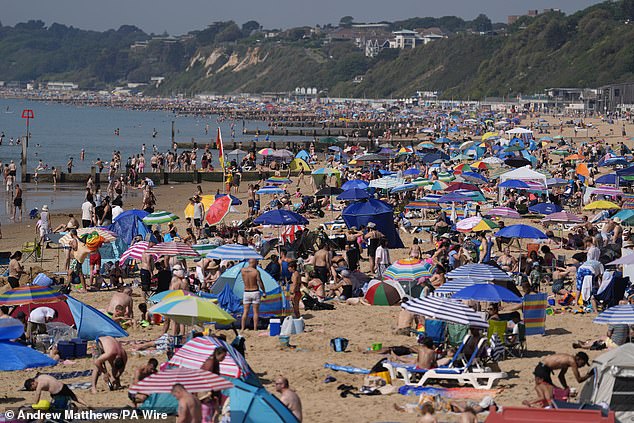
Earlier in the season, March was jointly the tenth warmest on record for the UK, while April secured the seventh warmest spot.
A Tale of Two Climates: Rainfall Patterns Across the UK
While the overall rainfall figures for the spring period across the UK indicated a deficit of 14% below the average, a distinct north-south divide emerged. Southern England experienced significantly drier conditions, receiving only half of its usual rainfall, whereas northern areas fared better, recording approximately 90% of their average precipitation.
Specific counties in the east and southeast, including Suffolk, Kent, and Essex, bore the brunt of the dry spell, receiving as little as a third of their typical rainfall for the season.
Helen Wakeham, Environment Agency Director of Water and Chair of the National Drought Group, expressed concerns about the lingering dry conditions. “No parts of England are currently in drought,” she stated, “but the risk increases the longer it remains hot and dry.” The impact of these dry spells was evident in agricultural sectors, with soil moisture remaining low in many fields. The recent heatwave exacerbated stress on crops, leading to visible signs of distress such as leaf rolling in wheat fields. Scotland stood out as the only nation within the UK to experience a wetter-than-average spring.
Sunshine Abounds Amidst Record Heat
Despite the record-breaking temperatures in England and Wales, the spring of 2025 also boasted more hours of sunshine and warmer temperatures for the UK as a whole. England basked in approximately 229 hours of sunshine this spring, a remarkable doubling of the average of 115 hours recorded since the 1980s.

A Welcome Change: Cooler Air Arrives
Following the intense heatwave, a welcome shift in weather patterns has brought cooler and fresher air across the country. The Met Office chief forecaster, Chris Bulmer, confirmed the change: “We’re now starting to see this spell of very hot weather break down.”
Tragic Consequences of Extreme Heat
The prolonged period of hot weather, while breaking temperature records, also led to a tragic increase in open-water swimming fatalities. At least 15 deaths were reported around the country, a stark reminder of the dangers associated with swimming in open water during such extreme conditions. Among the heart-wrenching incidents was the death of a 15-year-old girl who passed away in hospital after getting into difficulties while swimming at Formby beach on Merseyside during the Bank Holiday Monday.
The extreme heat also placed a strain on essential services, affecting drinking water supplies for approximately 15,500 people in several areas of Kent, including Coxheath, Loose, Headcorn, Ulcombe, Benenden, and Kemsing.
Looking ahead, forecasters anticipate further heavy showers and thunderstorms across the south and east of the country, accompanied by gusty winds. However, this will be followed by drier and sunnier weather moving in from the west. Maximum temperatures are expected to reach around 21°C (70°F) in the south, with cooler conditions in Cumbria, reaching only 16°C (59°F). The remainder of the week is forecast to bring a mix of showers and longer spells of rain, interspersed with periods of sunshine.