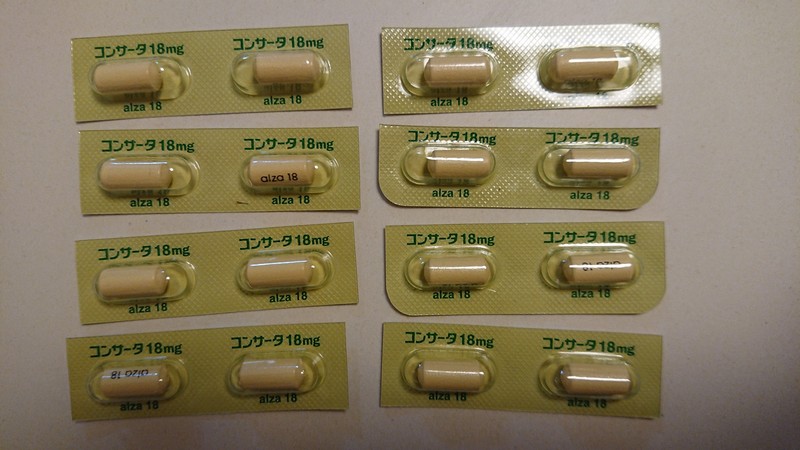
The Crisis of Concerta Shortage in Japan
Tokyo has been facing a critical shortage of Concerta, a widely used medication for attention-deficit/hyperactivity disorder (ADHD). This shortage has forced doctors to temporarily stop prescribing the drug, leaving many patients without the necessary treatment. Haruhisa Ota, head of Showa Medical University Medical Institute of Developmental Disabilities Research, highlights several factors contributing to this crisis.
Supply-Demand Imbalance
Concerta, known as methylphenidate hydrochloride, is designed to enhance dopamine activity in the brain, which helps reduce inattention and impulsivity. It has been available for pediatric patients since 2007 and was later expanded to adults over 18 in 2011. In Japan, it remains the only central nervous system stimulant approved for adult ADHD, with no generic alternatives currently available.
According to Japan’s health ministry, the main ingredient of Concerta is classified as a Schedule I psychotropic substance. Due to its potential for dependency and abuse, the ADHD appropriate distribution management system is used to register doctors, pharmacists, and patients, managing prescription data and monitoring duplicate consultations in real time.
However, Janssen Pharmaceutical K.K., the manufacturer of Concerta, announced that it would limit supply to pharmacies from late September 2025. In a statement released in October to healthcare professionals, the company projected improvement “within approximately two months.” Yet limited shipments continued past November, and a January 2026 update extended the outlook to “several months or more.” The company continues to advise against prescriptions for new patients and dosage changes for existing patients through the management system.
A ministry official told the Mainichi Shimbun, “The reality is that supply cannot meet demand, and new patients cannot be prescribed Concerta.”
Pharmacies Report ‘Out of Stock’
A man in his 20s from Kanagawa Prefecture, diagnosed with ADHD two years ago, has been taking Concerta. In March, he was informed by his pharmacy that it was “out of stock.” Having already exhausted his supply, he has begun experiencing basic errors, such as sending emails to the wrong recipients, which did not occur while medicated.
The rising number of ADHD patients is causing the supply shortage. Ota identifies the increased awareness of adult ADHD among the public and medical professionals as the largest factor. A large-scale study by a research group at Shinshu University using national medical databases found that the rate of people aged 20 and older newly diagnosed with ADHD in fiscal 2019 was 21.1 times higher than in fiscal 2010.
According to Ota, workplace mistakes and inattention used to be often dismissed as “laziness” or “personality issues.” As awareness grew, more individuals struggling at work began to suspect ADHD and sought medical advice. “Those who were struggling have now connected with appropriate medical care,” Ota observes.
When Will Supply Recover?
Ota also points to supply challenges with Concerta itself. As awareness of adult ADHD increased and more people sought treatment, trace amounts of potentially carcinogenic impurities were found in another ADHD medication in 2024. Its production was temporarily halted, leading many patients to switch to Concerta, further driving demand.
At the clinic where Ota works part-time, patients still face difficulties obtaining their medication promptly even after doctors write them prescriptions. A health ministry official explains that Janssen Pharmaceutical is a global company, with production plans determined on a worldwide scale. “We are currently asking the company to increase Japan’s share of Concerta within the global supply,” the official states, noting the challenges of increasing production or securing stock based on a single country’s needs.
In response to inquiries, Janssen Pharmaceutical stated in a document, “We cannot predict when supply will recover,” but advised patients unable to obtain the drug to “consult health care providers for interim treatment plans.”
Ota emphasizes, “The situation is already affecting many individuals, and time is of the essence. We urge the government and the pharmaceutical company to respond swiftly to resolve this issue.”