Australia’s Electric Freight Milestone: Unshackling from Diesel Dependency
In a significant development for Australian logistics, a pioneering electric freight delivery has successfully completed a landmark 460km journey, signalling a potential future where the nation can break free from its reliance on diesel. This “end-to-end” transport of goods, the first of its kind in Australia, saw an all-electric prime mover haul products from a Sydney warehouse to multiple delivery points across Canberra.
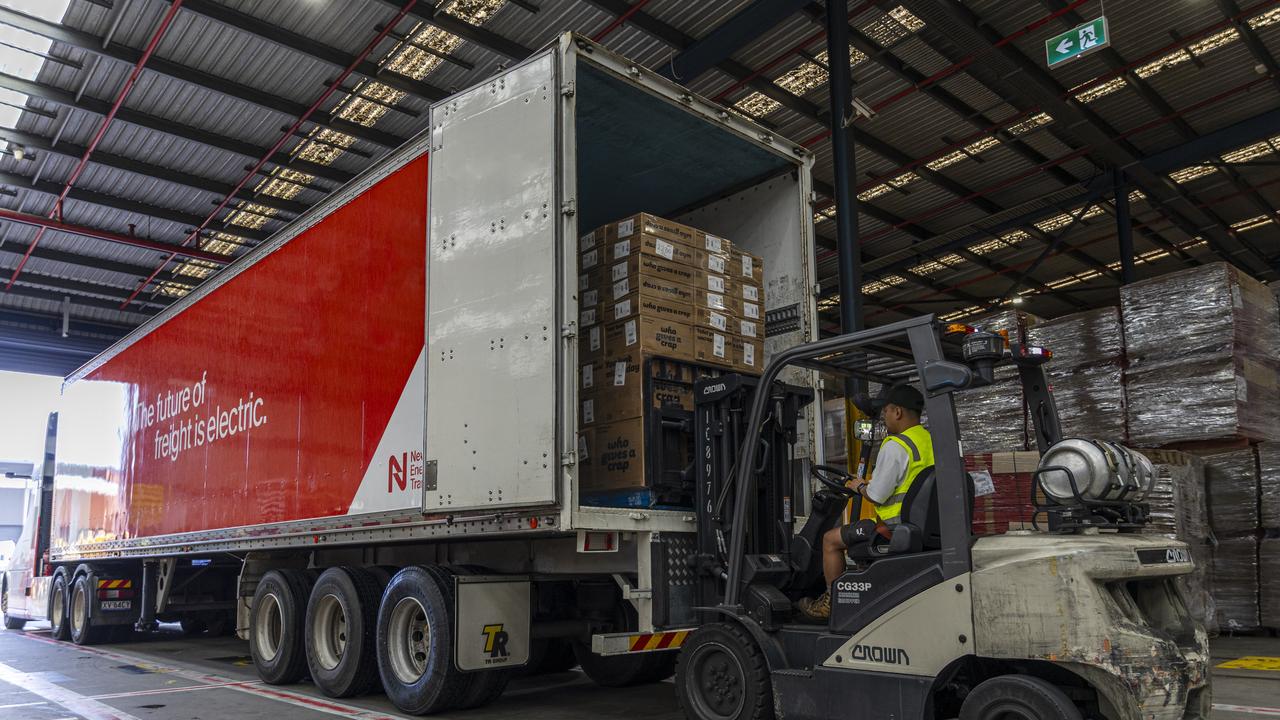
The cutting-edge prime mover, a testament to advancing electric vehicle technology, recently demonstrated its capabilities with a single-charge trip from Sydney’s outer southwest to the Hunter Valley and back. This latest venture saw the electric truck loaded with a substantial consignment of goods from Who Gives a Crap, a company committed to sustainable toilet paper production. The prime mover arrived in Canberra on a single charge, marking a crucial step in proving the viability of long-haul electric freight.
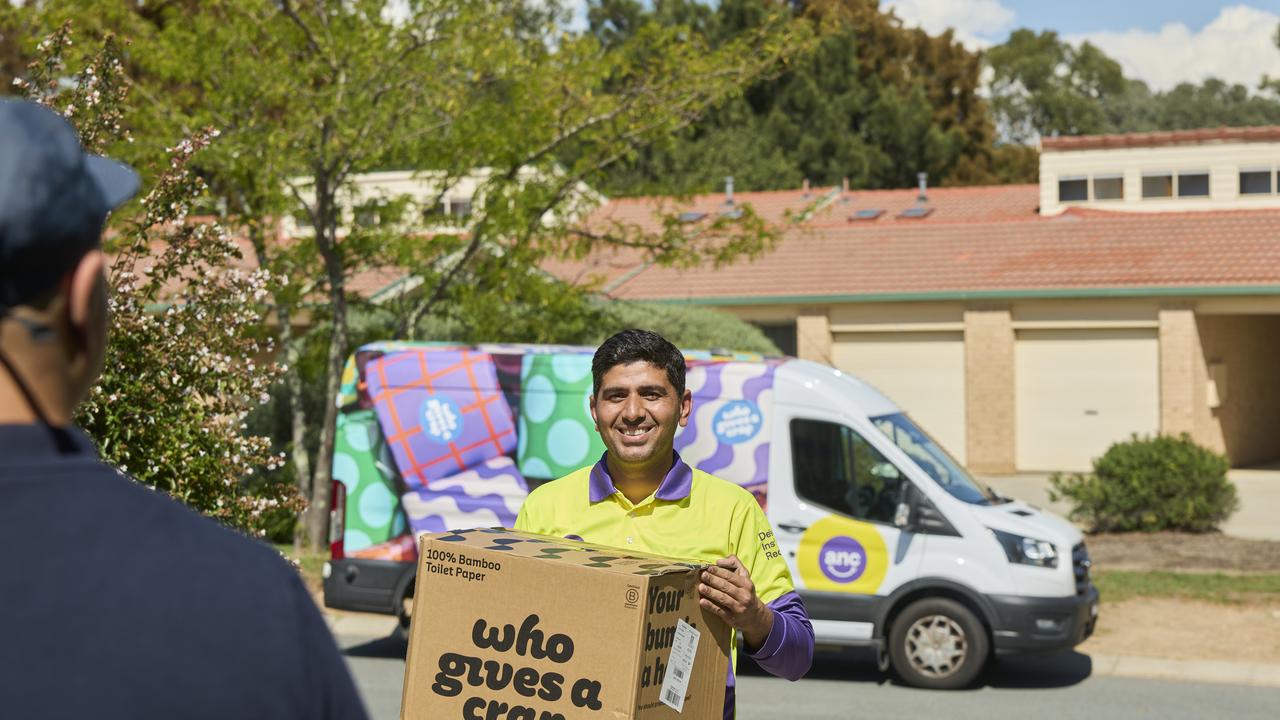
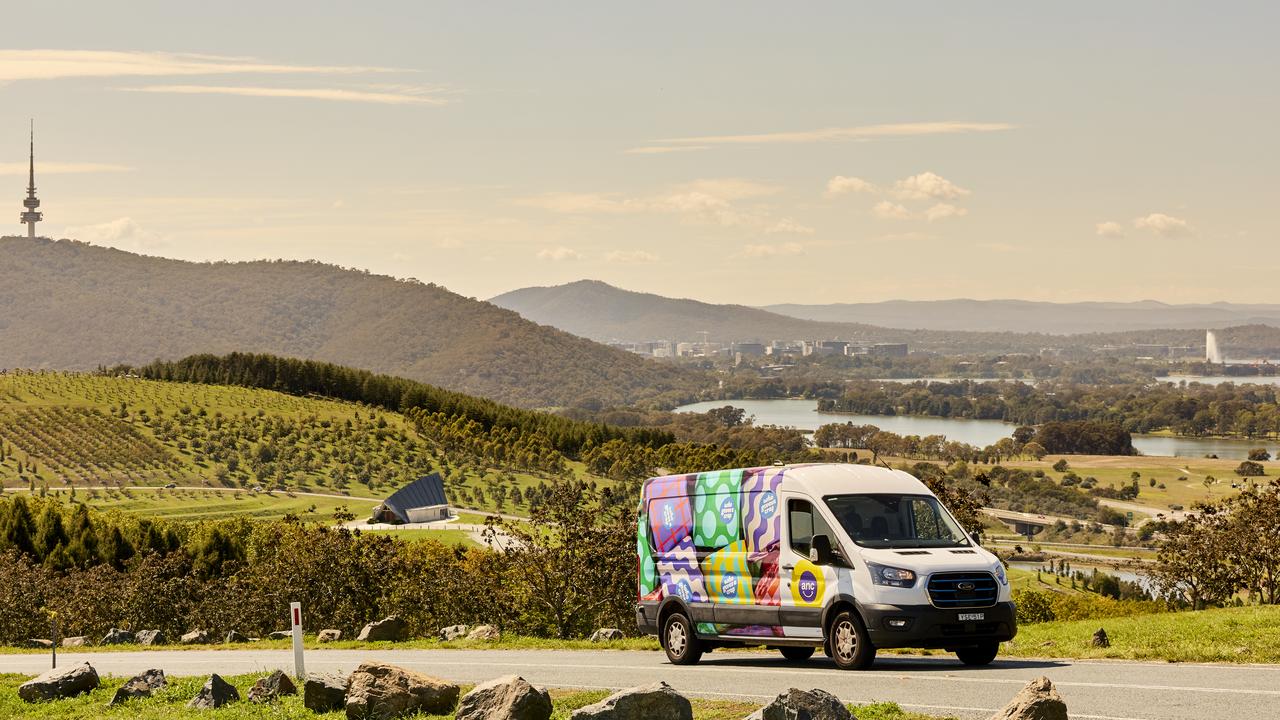
Upon reaching the nation’s capital, the products were then transferred to a fleet of fully electric ANC delivery vans. These vans handled the crucial “last-leg” deliveries, ensuring the goods reached their final destinations within Canberra efficiently and emission-free.
A New Era for Australian Road Freight
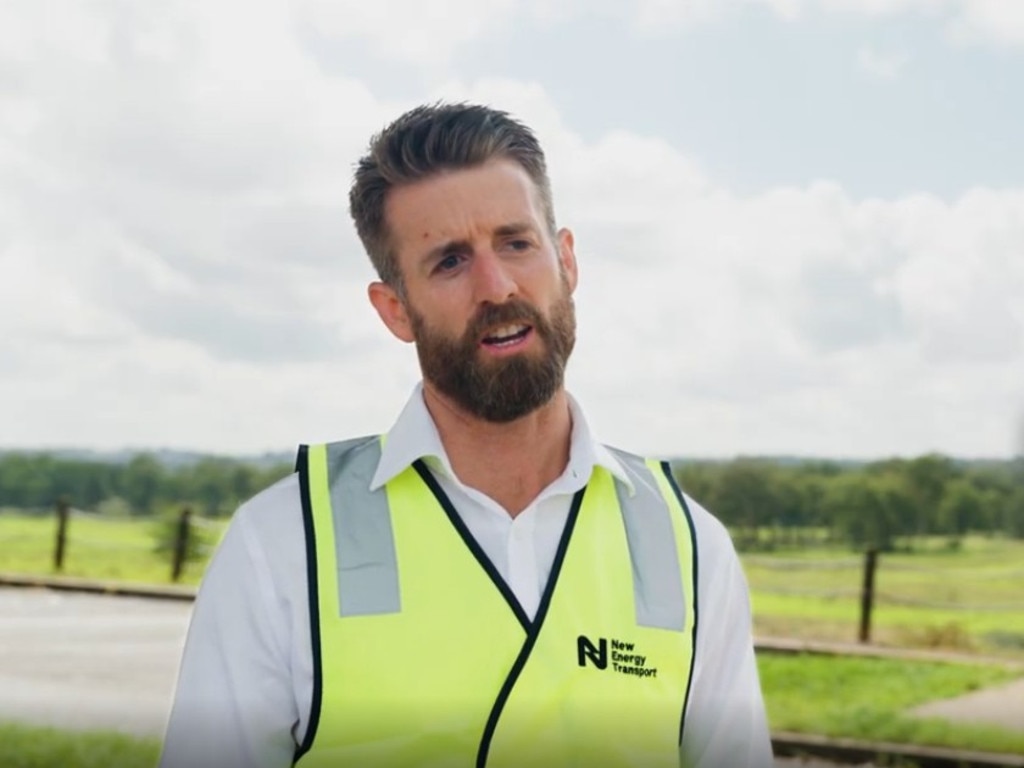
New Energy Transport (NET), the company behind this groundbreaking initiative, believes this achievement heralds a transformative period for Australian road freight. Daniel Bleakley, co-CEO of NET, stated that electric heavy trucks offer more than just cost and speed advantages.
“Electric heavy trucks are not just cheaper and faster, they unshackle Australia from volatile global oil markets, dramatically strengthening our supply chain resistance,” Mr Bleakley explained. He emphasised the urgency for Australia to transition away from diesel, highlighting the economic and security benefits of decoupling from fossil fuels.
Mr Bleakley stressed the responsibility of major transport buyers, including Australia’s supermarket chains, in accelerating this shift. These chains rely heavily on diesel-powered trucking to distribute food to millions of Australians, making the transition to resilient road freight a critical imperative.
Furthermore, governments at all levels are urged to play an active role. “Governments at all levels also have a major role to play,” Mr Bleakley added. “By co-investing in charging infrastructure and making electric prime movers more affordable through targeted subsidies and incentives, they can catalyse industry adoption and unlock long-term economic, productivity, and energy security benefits for Australia.”
Enhancing Energy Resilience and Security
Joe Sofra, CEO of ANC, expressed pride in the company’s partnership with NET. He noted that the initiative, driven by a shared commitment to accelerating zero-emissions transport, also underscores the potential for enhanced energy resilience amidst ongoing fuel price volatility and supply chain uncertainties.
Josh Grimes, CEO of the Smart Energy Council, echoed these sentiments, underscoring the importance of diversifying Australia’s transport supply to keep pace with global changes. “Australia runs on road freight, so if diesel stops, we stop and starve,” Grimes stated. “Electrifying trucking strengthens our energy security, and we’re ready. We already build electric trucks and charging infrastructure, and can power it all with sun and wind.”
He further elaborated on the tangible benefits of this transition, noting that “Every litre of diesel we save on highways by electrifying trucks, is one we keep for farmers,” highlighting the broader economic and strategic advantages for the nation.
Future Expansion and Infrastructure Development
NET is actively working on establishing a new trucking depot near Wilton, located on the outskirts of southwest Sydney. This facility is slated to house a fleet of up to 50 electric prime movers, with the ambitious goal of servicing key freight corridors connecting Sydney, Wollongong, and Canberra. This strategic development signifies a commitment to building the necessary infrastructure to support a broader adoption of electric heavy vehicles across the country.