The distressing moment a young student, Henry Nowak, succumbed to stab wounds while being apprehended by police has been revealed in released footage. Despite repeatedly telling officers, “I’ve been stabbed, I can’t breathe,” the 18-year-old was handcuffed. An officer’s dismissive response, “I don’t think you have, mate,” has drawn significant criticism.
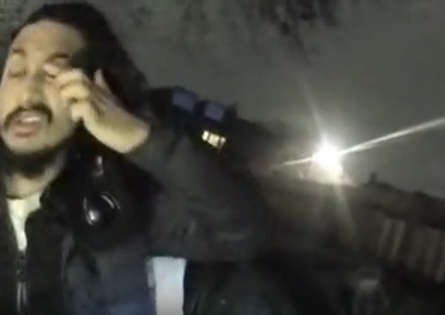
The individual responsible for Nowak’s death, 23-year-old Vickrum Digwa, falsely claimed to be the victim. He asserted to officers that his eye was swollen and denied that Nowak had been stabbed. Digwa was eventually pulled from a tight space between a car and a wall before being taken into custody. As police assessed his condition, placing him on his side and checking for injuries, the initial suspicion was assault. However, the gravity of the situation quickly became apparent, with one officer noting, “He’s going to be sick I think.” A female officer was heard urgently requesting an ambulance, while another observed, “His pupils aren’t even reacting” to her torchlight, indicating a critical medical state.
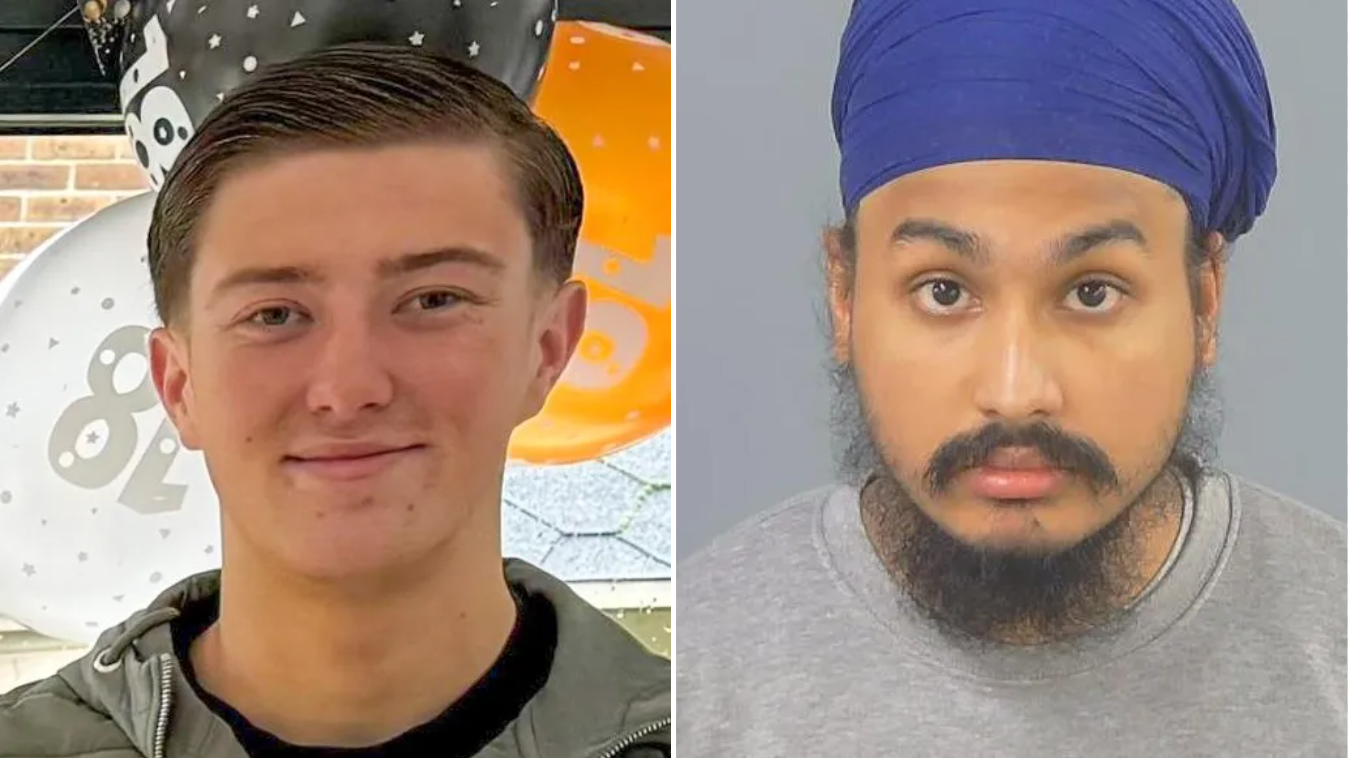
Digwa has since been sentenced to life imprisonment, with a minimum term of 21 years, for the murder of the University of Southampton student.
A Web of Deception and a Fatal Confrontation
The court heard how Digwa fabricated a narrative, claiming he was the one attacked after being subjected to racial slurs and having his turban forcibly removed near his residence. This “wicked lie,” as described by the prosecution, led to Henry Nowak dying alone, humiliated, and handcuffed, bleeding from a devastating 8cm chest wound inflicted by a ceremonial dagger. Digwa was also convicted of carrying a ceremonial knife with a 21cm blade in a public place, a weapon he used to inflict not only the fatal chest wound but also two stab wounds to the back of Nowak’s legs.
Disturbingly, Digwa himself filmed his victim. Moments before the fatal attack, he recorded Nowak saying, “I am a bad man.” The footage also captured Henry desperately attempting to escape, scaling a fence and a communal bin before landing on a car. Digwa’s continued dishonesty extended to telling officers he had not stabbed Nowak, despite the student’s fading pleas for help and his struggle to breathe.
Nicholas Lobbenberg KC, prosecuting, emphasised the devastating impact of Digwa’s deceit. “Henry Nowak dying alone, humiliated and handcuffed was a direct consequence of Vickrum Digwa’s dishonesty,” he stated. The prosecution highlighted Digwa’s decision to record two videos: one of Henry fleeing and another of him dying, with close-ups of his face, deeming these actions both intrusive and humiliating. The defence’s portrayal of Henry as a “violent drunk racist aggressor” further compounded the family’s grief.
A Life Cut Short and a Family’s Anguish
In sentencing Digwa, Judge William Mousley KC conveyed the profound loss inflicted by the murder. “You, Vickrum Digwa, murdered him, by doing so you robbed him of all those he loved, all the things he cared about and liked to do,” the judge stated. He acknowledged that Henry would have been expected to live a long, happy, and fulfilling life, a future Digwa had irrevocably destroyed, bringing “misery and a lifetime of loss” to his family and friends.
The judge directly addressed claims that Nowak had used racist language. He was “sure that Henry said nothing racist,” noting that Digwa was the sole individual making this assertion, which was “completely at odds with his previous character.”
Henry’s mother, Lucy, shared her profound grief in a statement read to the court. She described Henry as “ambitious, determined and full of life,” a “messy sod and always hungry,” whose entire future had been “cruelly taken away.” The impact of his loss has been “devastating” for the entire family, who are learning to navigate “unimaginable grief” with constant pain. She expressed that the family will “never be the same” and that Henry will be “loved beyond words,” acknowledging that no sentence could bring him back. Lucy also fondly recalled the moment Henry shared his acceptance into the University of Southampton, a memory she treasures as one of her “proudest moments.”
Olivia, Henry’s sister, addressed Digwa directly, stating, “If you had known him, you would never have hurt him.” She described her brother as her “first best friend,” sharing an “unbreakable bond.” Henry “lit up every room that he walked into,” and his absence has made “the world become less valuable.” She remembered him as “funny, handsome, precious and kind,” lamenting that her brother “should not be forever 18” and deserved to “grow old and start a family of his own.”
A Call for Action on Knife Crime
Outside Southampton Crown Court, Henry Nowak’s father, Mark, declared that while “justice in the eyes of the law has been served,” it is “not enough.” The family is now urging the government to treat knife crime as the “national emergency that it is.” He stressed that this case was “not about Sikhism” or “racism,” but fundamentally “about murder.”
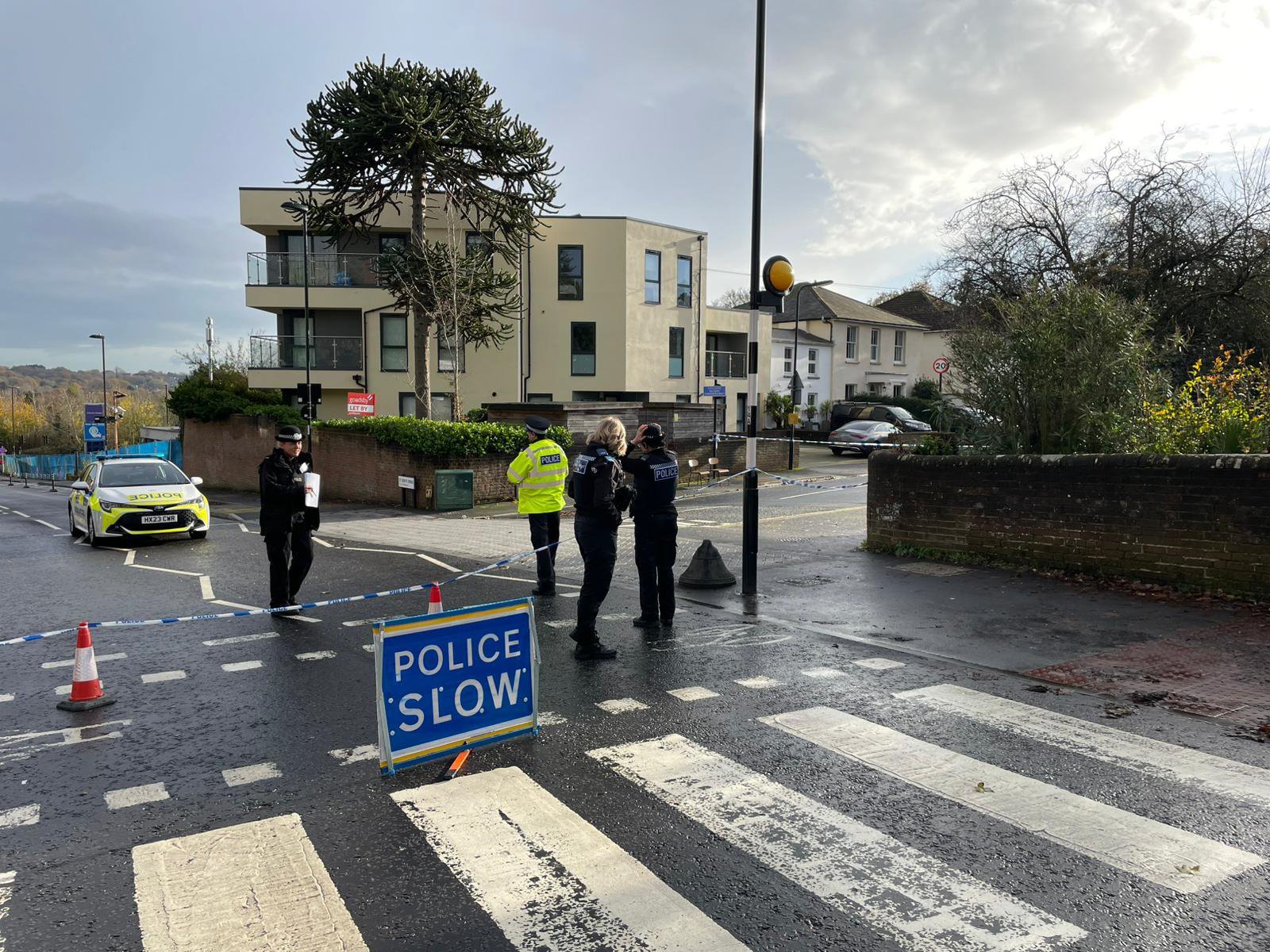
Mark Nowak questioned the legality of individuals carrying 21cm blades openly on the streets of Britain. He vowed that his family would “not let this go” and implored that “no other family should experience the heartbreak and horror of losing a child to knife crime.” He acknowledged that the family would “carry this grief every single day for the rest of our lives,” but expressed solace that “today Henry was believed. The truth was recognised.”
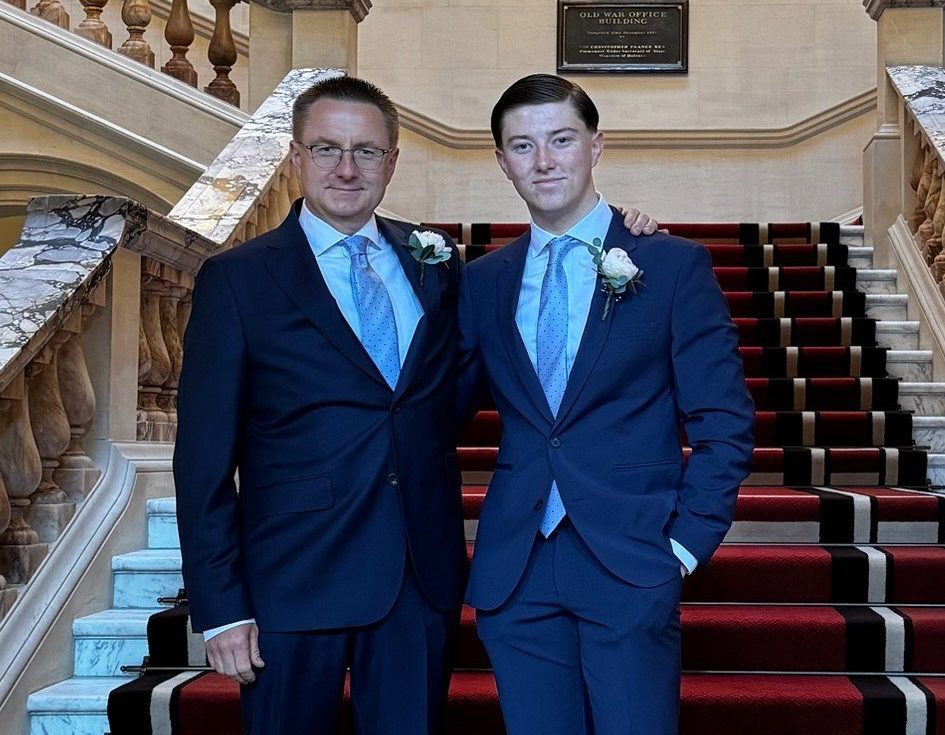
Sir Keir Starmer commented on the case, describing it as “awful, shocking.” He noted the trauma Henry’s loved ones endured during a lengthy trial, particularly having to confront “appalling claims” made by the killer about their “thoughtful, kind and deeply loved” son. Starmer affirmed the importance of the Independent Office for Police Conduct’s investigation into the police response and reiterated the urgent need to “end the cycle of tragedy by tackling the horror of knife crime.” He concluded by stating that Henry’s loss would continue to be felt by his family, friends, university, and the city of Southampton, and that their thoughts would remain with them.