
Japan’s Rising Political Star: A Global Spotlight on Sanae Takaichi
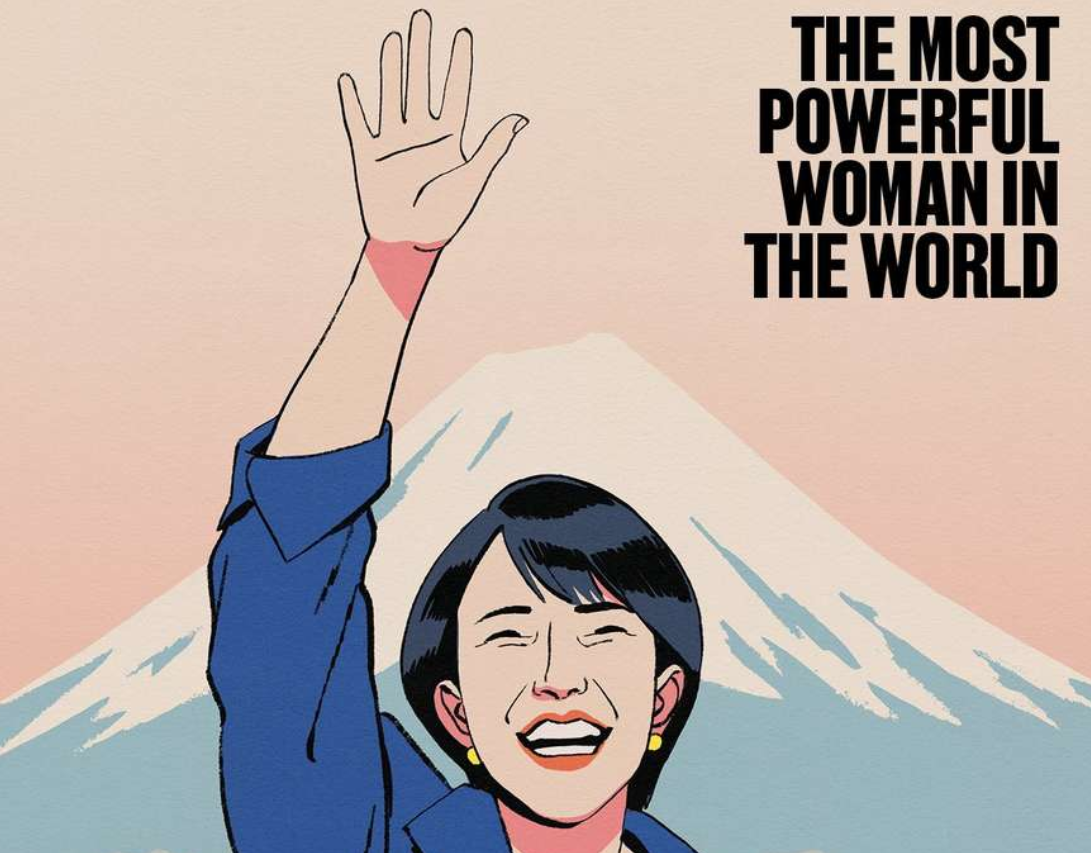
The international stage is increasingly turning its attention to Japan’s political landscape, with a prominent feature in a leading global publication highlighting Prime Minister Sanae Takaichi. The latest edition of The Economist dedicates significant coverage to Takaichi, dubbing her “the world’s most powerful woman.” This accolade arrives on the heels of her resounding victory in the recent House of Representatives election, a triumph that has placed her in a position of considerable influence.
The influential British magazine posits that Takaichi now holds a “historic chance to transform her country.” However, this opportunity comes with a profound responsibility. The Economist emphasizes that her leadership must extend beyond her dedicated right-wing base, urging her to become “a leader for all of Japan.” This call for inclusive governance underscores the critical juncture at which Japan finds itself, necessitating a unifying figure at its helm. The magazine’s visual representation of this sentiment features an illustration of Takaichi in a confident pose, with the iconic Mount Fuji serving as a majestic backdrop, symbolizing her national stature and the challenges and opportunities that lie ahead.
Strengthening Defenses and Revitalizing Industry
A significant portion of The Economist‘s analysis focuses on Takaichi’s strategic approach to national security and economic resilience. The article commends her proactive measures aimed at bolstering Japan’s defense capabilities. This includes an examination of her policies designed to invigorate the nation’s defense industry, a sector crucial for both self-sufficiency and technological advancement. By prioritizing these areas, Takaichi is signaling a commitment to a robust and secure future for Japan in an increasingly unpredictable global environment.
Navigating International Relations and Global Responsibility
Beyond domestic policy, The Economist also acknowledges Takaichi’s adept handling of international diplomacy. The magazine specifically praises the relationship she has cultivated with U.S. President Donald Trump, describing her efforts in this regard as an “admirable job.” This recognition highlights the importance of strong bilateral ties in maintaining regional stability.
However, the publication also issues a clear directive for Takaichi’s broader foreign policy engagement. It strongly advocates for Japan to embrace its role as a “stabilising force in a turbulent world.” This suggests an expectation that Japan, under Takaichi’s leadership, will play a more active and constructive part in addressing global challenges, from economic instability to geopolitical tensions.
A Call for Visionary Leadership
Despite the praise for her accomplishments and potential, The Economist issues a pointed warning. The magazine cautions against the temptation to leverage her substantial support for narrow ideological agendas. Instead, it implores Takaichi to adopt a more expansive vision. The article concludes with a powerful exhortation: Takaichi “needs to think bigger and broader.” This sentiment encapsulates the hope that her leadership will be characterized by a forward-looking perspective, one that prioritizes the long-term well-being and global standing of Japan above partisan interests. The coming months will undoubtedly reveal the extent to which Prime Minister Takaichi embraces this call for transformative and inclusive leadership on both the domestic and international fronts.


