

Farmers Brace for Climate Whiplash as El Niño Looms
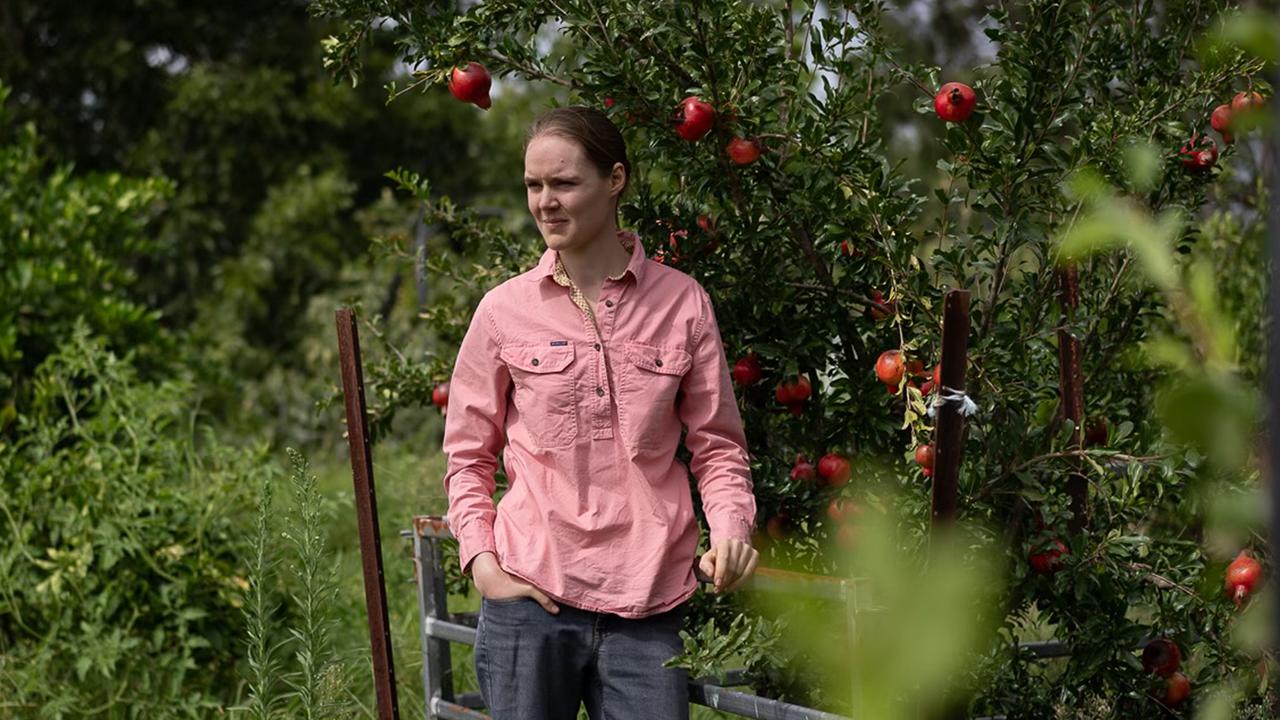
For fourth-generation farmer Sophie Nichols, late autumn usually signals a well-deserved break. This year, however, the typically temperate season was dominated by an anxious vigil, constantly monitoring flood risks. “I can’t really leave the farm when there’s that sort of risk,” she confided, her concern amplified by the recent heavy rainfall warnings.
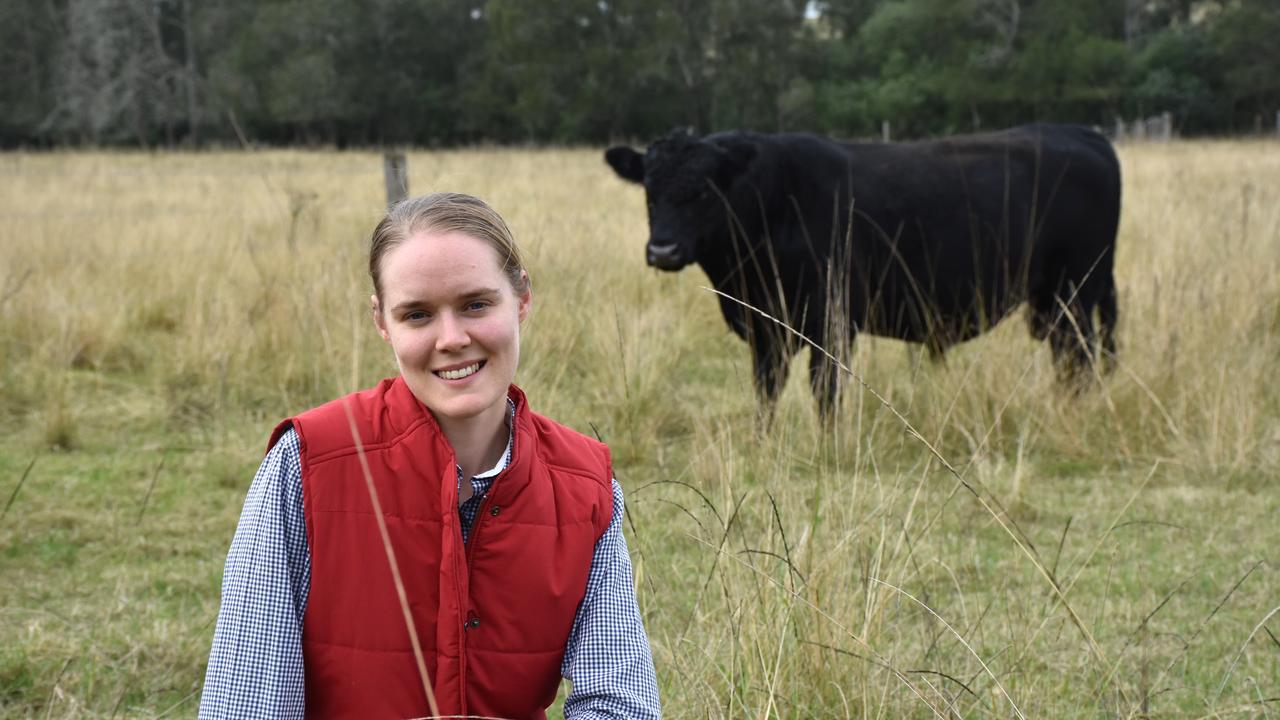
These warnings came after a prolonged dry spell had left her Singleton property in NSW’s Hunter Valley particularly vulnerable to inundation. While her farm, boasting an organic orchard and herds of beef cattle and sheep, ultimately escaped the worst of the deluge, Ms Nichols is now steeling herself for a starkly different climatic outlook.
The Shift to Drier Conditions
The potential arrival of a formal El Niño declaration in the coming weeks could dramatically shift the region’s weather patterns, ushering in a period of significant dryness. Australia’s climate is a complex tapestry, woven from more than just the cyclical El Niño-Southern Oscillation (ENSO) patterns that dominate the Pacific Ocean.
While the ENSO status for the latter half of the year remains unconfirmed, El Niño events are historically linked to reduced rainfall across much of eastern Australia, coupled with warmer-than-average temperatures in the south. The Bureau of Meteorology (BoM) has indicated that warming oceans in the Pacific are showing signs consistent with El Niño development.
However, other crucial atmospheric indicators, including trade winds, pressure systems, and cloud formations in the tropical Pacific, are currently aligned with an ENSO-neutral pattern. Furthermore, the Indian Ocean Dipole, another significant driver of Australian weather, is also neutral at present.
Escalating Risks of Drought and Bushfires
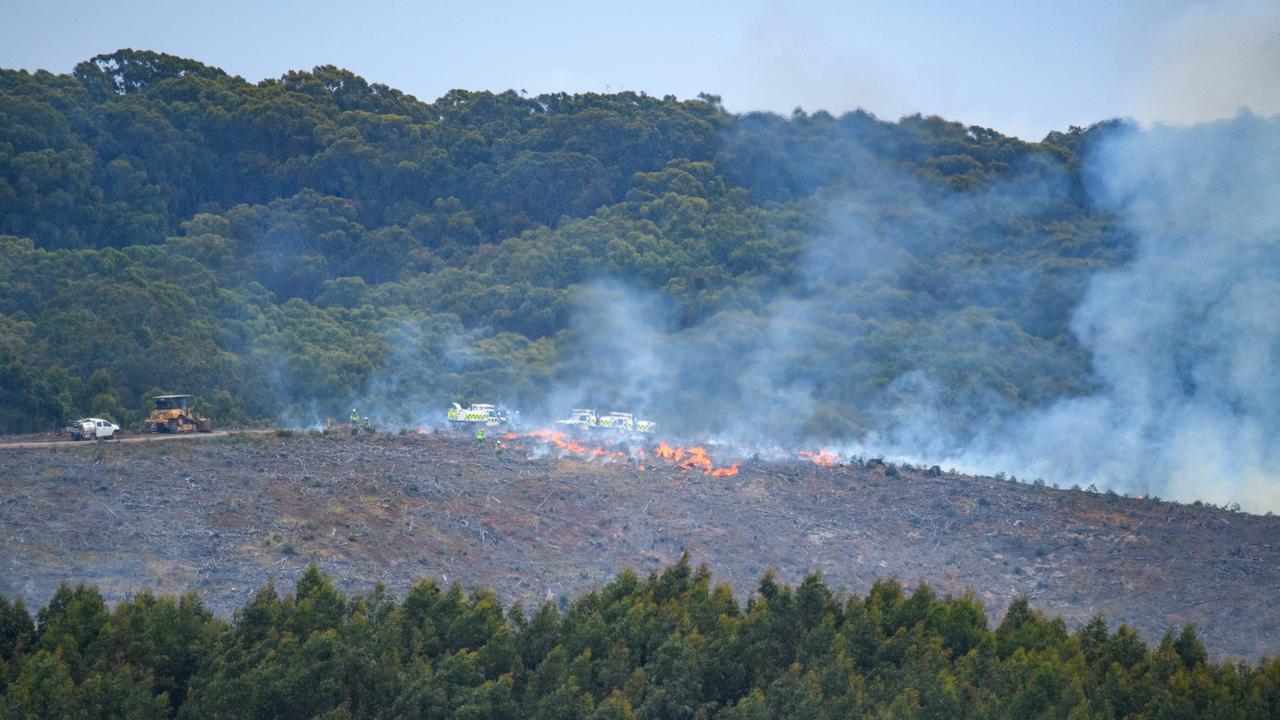
Should an El Niño eventuate and deliver its characteristic drier and warmer conditions, Ms Nichols’ most pressing concerns revolve around the escalating risks of drought and bushfires. “Like a lot of regional towns, Singleton is about half national park,” she pointed out, highlighting the inherent vulnerability of the area.
The recent decision to destock her farm ahead of the rains, in an effort to allow pastures to recover, now complicates restocking plans. This is further compounded by elevated cattle prices, creating a difficult financial balancing act.
Ms Nichols observes a significant shift compared to her grandfather’s era. She believes the swings between extreme dry and wet periods are far more pronounced now, a consequence of climate change that leaves farmers with less time to prepare. “There would have been a few seasons that he could have built up a bit more of a buffer between these kind of extreme weather events,” she reflected.
This phenomenon, known as climate whiplash – the rapid oscillation between climatic extremes – is accelerating due to increased concentrations of greenhouse gases in the atmosphere, according to the Climate Council.
The Confluence of Climate Change and El Niño
Dr. Andrew Watkins, a Climate Councillor and former senior figure at the Australian Climate Service and the BoM, views the combination of a warming climate and a potential El Niño as a particularly concerning prospect. “Climate change has already loaded the dice,” he stated.
The existing warming trend is already predisposing the climate towards increased fire, drought, and heatwave activity. An El Niño event has the potential to significantly intensify these impacts, pushing already stressed systems to their limits.
Implications for Australian Agriculture:
- Water Scarcity: Reduced rainfall associated with El Niño can lead to severe water shortages, impacting irrigation, livestock, and crop yields.
- Increased Bushfire Risk: Drier conditions and higher temperatures create a tinderbox environment, elevating the likelihood and intensity of bushfires.
- Economic Uncertainty: The unpredictable nature of these climate extremes creates significant economic challenges for farmers, affecting everything from planting decisions and livestock management to market prices.
- Ecosystem Stress: Both prolonged dry spells and intense rainfall events can place immense pressure on natural ecosystems, affecting biodiversity and land health.
Farmers across the country are increasingly adopting adaptive strategies to cope with these volatile conditions. This includes investing in water-efficient technologies, diversifying crops and livestock, and implementing robust land management practices that build resilience. The upcoming months will be a critical period for monitoring climatic indicators and navigating the increasingly unpredictable Australian weather.