Elon Musk Offers to Pay TSA Workers’ Salaries Amid Government Shutdown
Elon Musk, the richest person in the world, has proposed to cover the salaries of Transportation Security Administration (TSA) workers during the ongoing partial government shutdown. This move comes as the situation continues to cause significant disruptions across the United States.
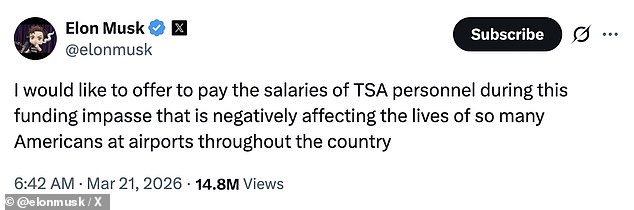
Musk made the offer on X, stating, “I would like to offer to pay the salaries of TSA personnel during this funding impasse that is negatively affecting the lives of so many Americans at airports throughout the country.” His statement highlights the growing concerns over the impact of the shutdown on both travelers and TSA staff.
Travel Chaos and Long Wait Times
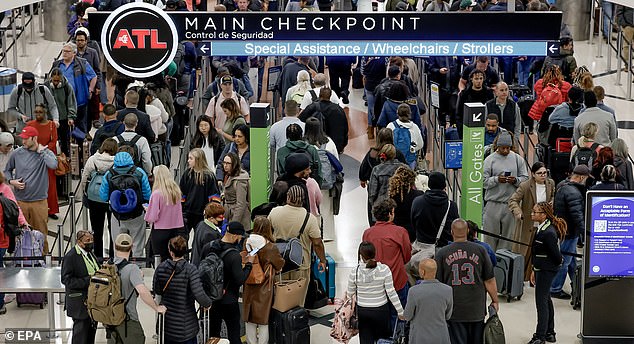
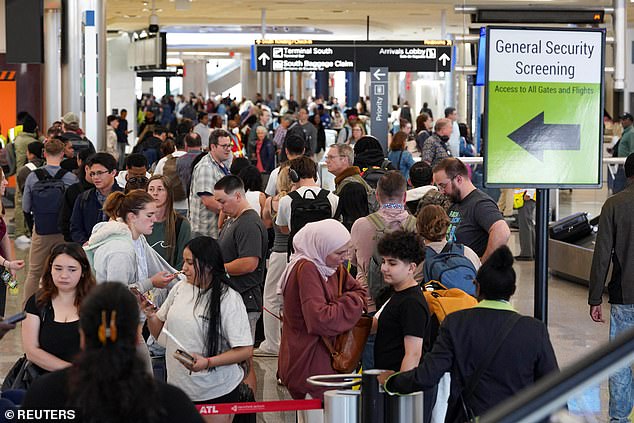
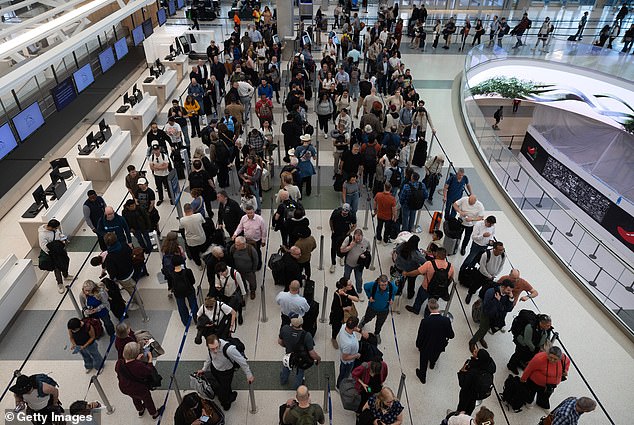
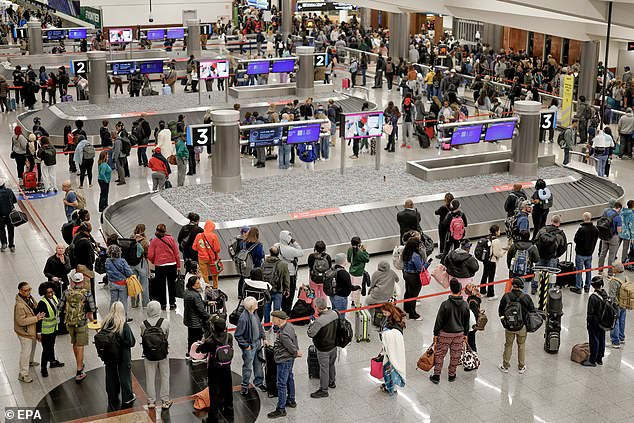
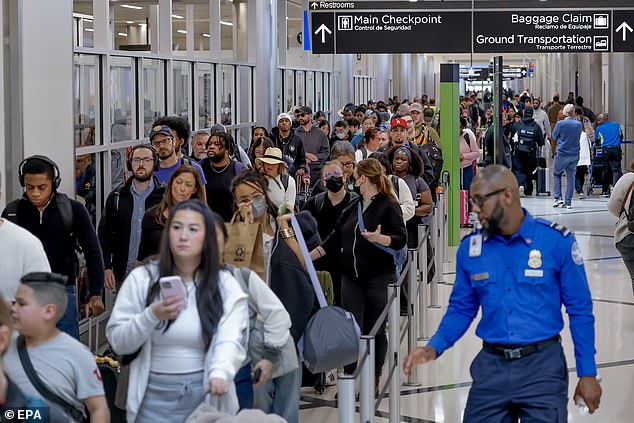
The partial government shutdown has led to long wait times at airports nationwide. At Hartsfield-Jackson Atlanta International Airport, the busiest airport in the world, lines stretched up to 125 minutes on Saturday morning. Similarly, George Bush Intercontinental Airport in Houston saw delays of up to 150 minutes, while John F Kennedy International Airport in New York experienced wait times of more than 30 minutes.
These delays are a direct result of staffing shortages caused by the lack of payment for TSA workers. The average salary for a TSA officer is around $50,000 per year, according to The New York Times. Meanwhile, Musk’s net worth is estimated at $814.3 billion.
Causes of the Shutdown and Impact on Workers
The current government shutdown stems from a deadlock between Congress and the Department of Homeland Security (DHS), which oversees the TSA. As of Saturday morning, over 1,300 flight delays and 79 cancellations had been reported across the country, according to FlightAware.
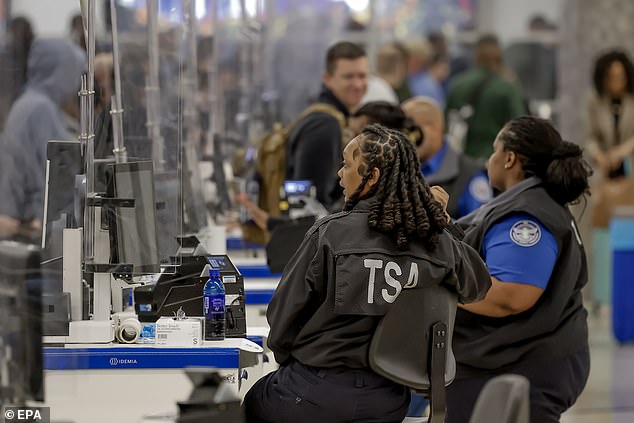
Approximately 50,000 TSA workers have been working without pay since February 14. According to the agency, at least 366 agents have quit their jobs. Some workers are struggling to afford basic necessities such as rent, gas, and food. In some cases, TSA officers have even been forced to sleep at airports due to the financial strain.
Worsening Conditions and Calls for Action
The situation is expected to worsen unless a resolution is reached. Transportation Secretary Sean Duffy warned that the current delays are just the beginning. “This is gonna look like child’s play, what’s happening right now,” he said on CNBC. He also warned that small airports could shut down if lawmakers fail to reach a compromise.
Adam Stahl, acting deputy administrator of the TSA, echoed these concerns, stating that entire airports may need to be shut down if call-out rates continue to rise. “It’s not hyperbole to suggest that we may have to quite literally shut down airports, particularly smaller ones, if call-out rates go up,” Stahl said.
Worker Testimonies and Public Response
A longtime TSA worker shared the struggles faced by many officers. “Whether it’s ‘I can’t put gas in my car,’ ‘I have to take care of my children,’ ‘I have to pay my light bill so that my lights won’t get cut off,’ … those are the reasons that officers are not showing up,” said Aaron Barker, president of American Federation of Government Employees Local 554 in Atlanta.
Barker added, “Officers are scared. They don’t know what to do.”

Political Developments and Future Outlook
The situation has prompted political action. A bill to fund the DHS failed to advance in the Senate on Friday. However, Senate Democratic leader Chuck Schumer announced plans to propose an alternative measure on Saturday to fund only the TSA during the weekend session.
Despite these efforts, the future remains uncertain. The travel chaos is expected to continue until TSA workers receive their payments. Travelers are encouraged to check airport websites for real-time updates on wait times.
Broader Impacts and Regional Disruptions
Disruptions have been reported in several major cities, including Charlotte, Chicago, Dallas, Orlando, Minneapolis, Miami, Salt Lake City, and others on both coasts. These issues highlight the widespread impact of the shutdown on air travel.
As the situation unfolds, the pressure on lawmakers to resolve the funding crisis grows. With no immediate solution in sight, the challenges faced by TSA workers and travelers are likely to persist.