
The Unexpected Israeli Roots of HBO’s Euphoria and its Poignant Finale
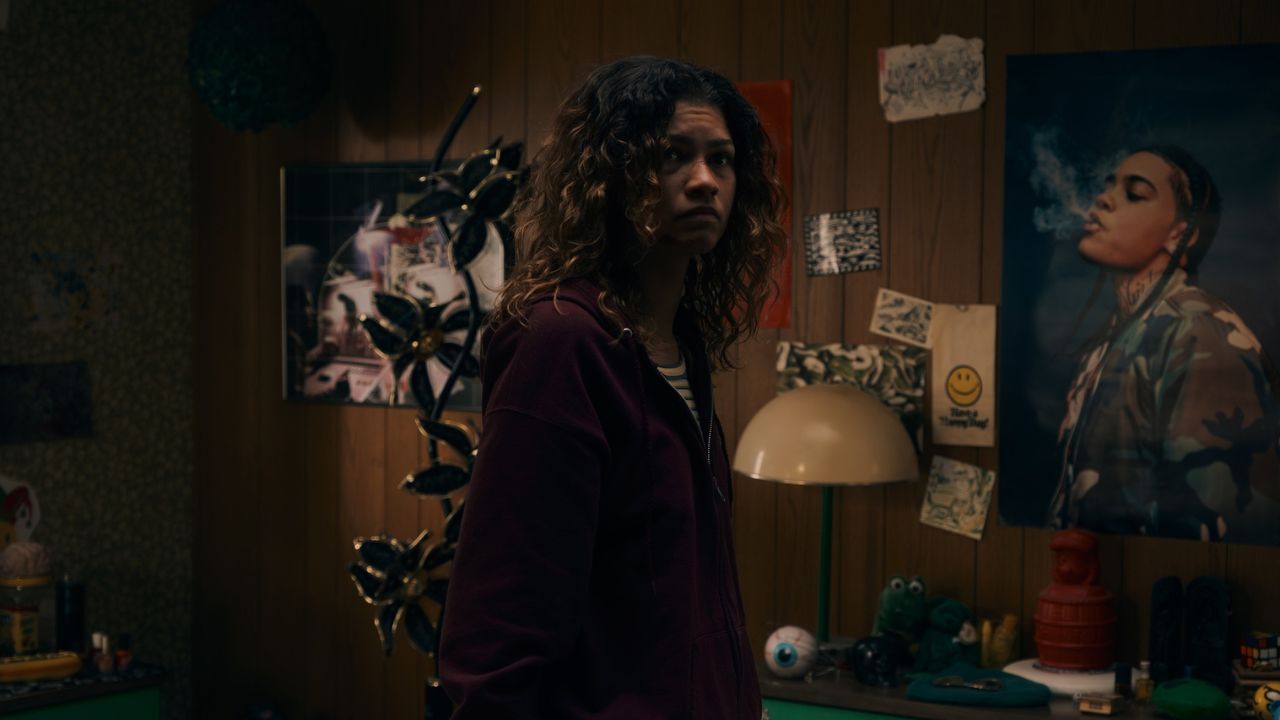
For nearly seven years, HBO’s Euphoria has been a dominant force in pop culture. It transformed the fictional East Highland High School into a television landscape synonymous with the raw realities of addiction, identity, love, trauma, and self-destruction.
Audiences have been captivated by the journeys of characters like Rue Bennett, grappling with addiction; Nate Jacobs, wielding control and insecurity; Cassie Howard, desperately seeking validation; and Jules Vaughn, searching for a sense of belonging in a constantly shifting world.
However, beneath the show’s signature neon-drenched aesthetic, Labrinth’s haunting score, and Sam Levinson’s distinctively American vision lies a fascinating origin story that many viewers are only now discovering. Euphoria wasn’t always an HBO flagship; it began its life in a completely different language, culture, and television ecosystem.
Unearthing the Israeli Connection
Even the most devoted Euphoria fans are often surprised to learn that the hit HBO drama is an adaptation of a 2012 Israeli miniseries, also titled Euphoria.
Created and written by Ron Leshem for the Israeli network Hot 3, the original series spanned ten episodes. It delved into many of the same complex themes that would later define its American counterpart. Substance abuse, sexuality, mental health challenges, violence, and the emotional turbulence of adolescence were all integral to the Israeli narrative.
While the American adaptation clearly borrowed the core DNA of the original, the specific storylines and characters diverge significantly. For instance, Rue’s parallel in the Israeli version is a character named Hofit.
Her addiction is rooted in profound guilt stemming from the murder of Ra’anan. This plotline was directly inspired by the real-life killing of an 18-year-old named Ra’anan Levy in 2004. Other familiar character archetypes from the HBO series are present in the Israeli version but often manifest in altered forms, offering a unique cultural lens on similar adolescent struggles.
A Tragic Ending Echoes the Series’ Core Message
The recent surge of interest in Euphoria‘s Israeli origins feels particularly poignant given the HBO series is now definitively heading towards its conclusion. After years of speculation, production setbacks, cast departures, and a relentless stream of fan theories, HBO has officially confirmed that Season 3 will mark the end of the groundbreaking drama.
This announcement arrived alongside one of the most shocking developments in the series’ history. The finale dramatically reshapes how audiences will remember Rue Bennett’s tumultuous journey.
According to creator Sam Levinson, Rue’s story concludes with her death from an overdose, a result of taking Percocet pills laced with fentanyl. For the countless viewers who have spent years rooting for Rue to finally break free from the cycle of addiction, this ending carries a devastating weight.
Levinson has explained that his original vision for the character was different. However, the tragic passing of Angus Cloud in 2023 profoundly influenced his decision, forcing him to confront the stark realities of addiction in contemporary America.
In many respects, this conclusion brings Euphoria full circle. From its inception and its initial inspiration, the series never promised easy victories or neat resolutions. Instead, it consistently presented addiction as a relentless and formidable force, illustrating the far-reaching ripple effects of grief, loneliness, and self-destruction that can permeate entire communities.

