

Iran Withdraws from Peace Talks Amidst Escalating Lebanon Conflict
Hopes for an immediate diplomatic resolution to a protracted three-month conflict have been significantly dampened as Iran has reportedly pulled out of negotiations with the United States. This withdrawal follows Israel’s decision to advance its military operations deeper into Lebanon, according to reports from Iranian media on Monday.
The semi-official Tasnim news agency indicated that Iran’s negotiation team has ceased communication with mediators regarding the ongoing clashes between Israel and Hezbollah in Lebanon, a parallel conflict to the west.
The news sent ripples through global markets, with oil prices surging by over $5 a barrel in the wake of the announcement. Reports suggest that Iran, alongside its allies within the “Resistance Front” – comprising forces in Yemen, Lebanon, and Iraq – has outlined a strategic agenda. This plan reportedly includes the complete blockade of the Strait of Hormuz and the activation of other critical maritime routes, such as the Bab El Mandeb Strait, as a punitive measure against Israel and its international supporters.
Escalating Threats and Regional Instability
Senior figures within Iran’s political and military establishment have issued stern warnings. Mohsen Rezaee, an advisor to Iran’s Supreme Leader, took to social media to state that the “patience of the armed forces … has its limits.” He further threatened that Iran would not tolerate the continued military blockade imposed by the US or the escalating tensions within Lebanon.
Iran’s central military command issued a stark advisory, urging residents of northern Israel to evacuate if they wished to avoid harm, should Israel proceed with attacks on Beirut. Concurrently, Iran’s state television suggested that the existing truce between Iran and the US was highly likely to be terminated if these attacks persisted.
Abbas Araghchi, Iran’s Foreign Minister, had previously emphasized on social media that the fragile ceasefire agreement with the US “unequivocally” encompassed Lebanon. He issued a pointed warning, holding “the US and Israel responsible for the consequences of any violation.”
Israel Intensifies Operations in Lebanon
These threats to the delicate peace process emerged as Israeli Prime Minister Benjamin Netanyahu reportedly ordered renewed strikes against the Hezbollah-controlled southern suburbs of Beirut. Netanyahu also indicated that Israel was deepening its ground operations within Lebanon, where Israeli forces have established a self-declared security zone in the southern territories.
The Israeli military issued evacuation orders for residents in Beirut’s southern districts, accompanied by a warning of impending strikes on the area if Hezbollah, an Iran-backed militia, continued its rocket fire into Israeli cities and towns.
This intensification of hostilities occurred despite overtures from Nabih Berri, the Speaker of the Lebanese Parliament. Mr. Berri had reportedly informed the Trump administration of Hezbollah’s readiness for a full and immediate ceasefire with Israel. Ali Hamdan, an advisor to Mr. Berri, conveyed to the US news outlet Axios that Lebanon had committed to guaranteeing the implementation of such a ceasefire.
Diplomatic Efforts and Missed Opportunities
US Secretary of State Marco Rubio engaged in discussions with both Lebanese President Joseph Aoun and Prime Minister Netanyahu concerning the ongoing diplomatic negotiations between Israel and Lebanon. A US official indicated that a plan proposing “gradual de-escalation” had been put forth.
Following significant strikes on Beirut’s southern suburbs in the early stages of the conflict, Israel had reportedly reduced its operations in the area to just two strikes since President Donald Trump announced a ceasefire for Lebanon on April 16. This occurred even as hostilities continued across the nation, displacing over a million individuals.
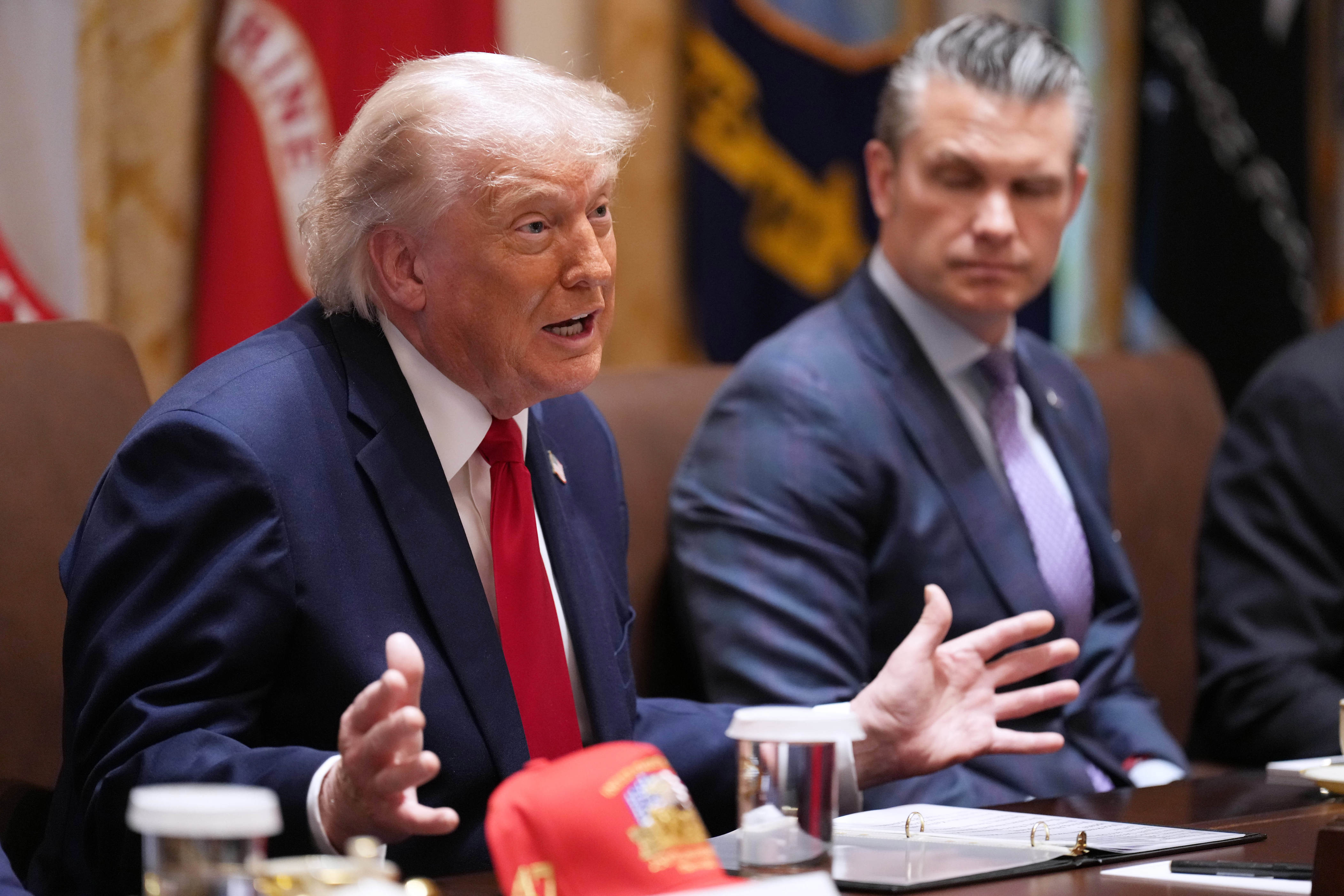
Earlier, President Trump had expressed his belief that Tehran remained amenable to reaching a deal to end the broader conflict. However, optimism for a breakthrough was tempered by Iranian officials’ critiques of the “constantly changing” US negotiating stance and reports of renewed strikes in the Persian Gulf region.
The US Central Command reported on Monday that American forces successfully intercepted two Iranian ballistic missiles launched towards US bases in Kuwait. The missiles were reportedly “immediately defeated,” with no American personnel sustaining injuries.
Kuwaiti authorities activated their air defence systems on Monday and condemned the Iranian missile and drone attacks, stating that such actions undermined regional de-escalation efforts. The Islamic Revolutionary Guard Corps (IRGC) of Iran claimed responsibility for an attack on a US air base, asserting it was a retaliatory measure for an attack on southern Iran, though the specific base was not identified.
Amidst mounting domestic pressure to conclude the conflict, President Trump publicly criticised “seemingly unpatriotic Republicans” for their negative commentary on the negotiation progress. He posted on his Truth Social platform, urging them to “sit back and relax, it will all work out well in the end – It always does!”


