
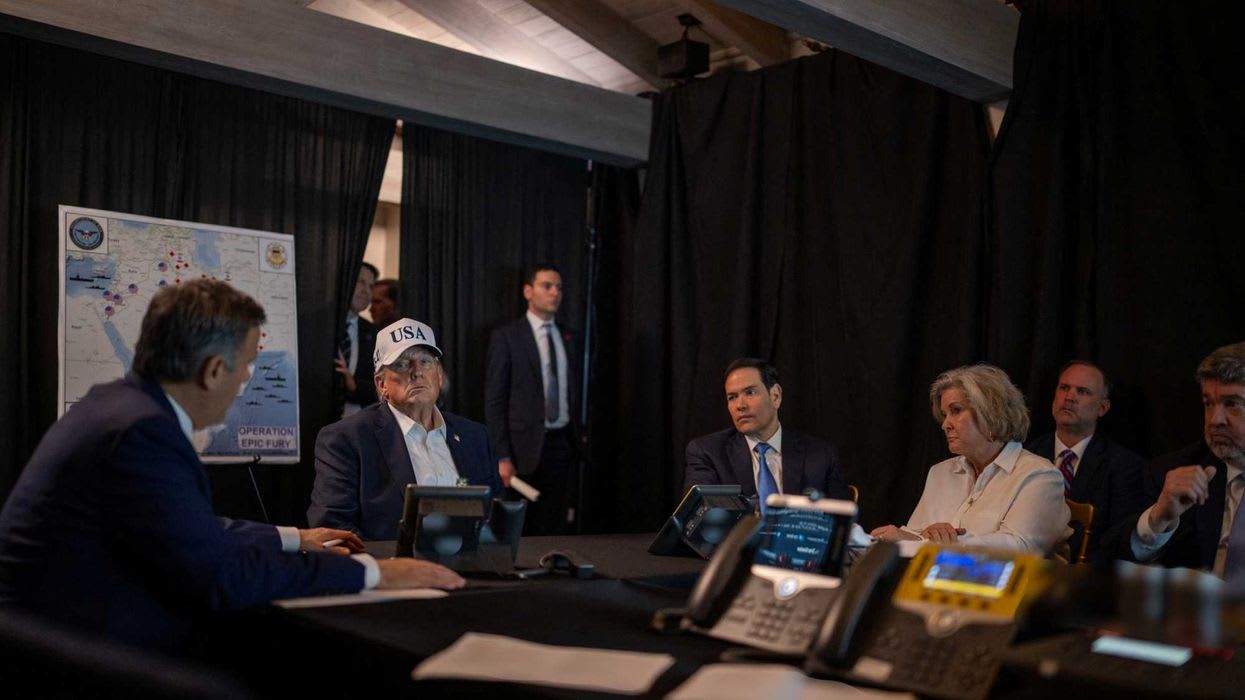
The Origins of the U.S. War Against Iran
Recent revelations have sparked a new wave of debate over the decision to initiate the U.S. war against Iran, with claims that external pressures played a significant role in shaping President Donald Trump’s actions. According to multiple insiders, the move was influenced by pressure from key figures outside the administration, including Israeli Prime Minister Benjamin Netanyahu and media mogul Rupert Murdoch.
The report, which surfaced in Bloomberg, suggests that Trump faced considerable influence from individuals who were eager to see a military response against Iran. One of these figures was Netanyahu, who is currently facing allegations of war crimes at the International Court of Justice. Another was Murdoch, the influential conservative media tycoon known for his role in establishing Fox News.
Pressure from Key Allies
According to one source who was privy to their interactions, Murdoch reportedly reached out to Trump on several occasions, urging him to take action against Iran. This communication highlights the extent to which external voices could shape the administration’s decisions, even if they were not part of the official policy-making process.
In contrast, some of Trump’s closest advisors appeared more cautious about engaging in armed conflict. These included Vice President JD Vance, Secretary of State Marco Rubio, and White House Chief of Staff Susie Wiles. Their reluctance suggests that there was a lack of consensus within the administration regarding the potential consequences of a military strike.
Reactions from the Trump Administration
When asked for a response, a spokesperson for the State Department dismissed the claims made by Bloomberg, stating that the sources “do not know what they are talking about” and were “pretending that they do.” The spokesperson, Tommy Piggot, emphasized that there was no division within the administration, asserting that Trump was working to make the world safer and that the entire team was aligned in this effort.
Despite this claim, evidence of internal disagreement has emerged. Notably, Joe Kent, the head of the National Counterterrorism Center, recently resigned from his position in protest. He alleged that Trump had been manipulated by Israel into launching the conflict, further highlighting the tensions within the administration.
The Impact of the Conflict
The war against Iran has led to widespread concern, with many questioning the rationale behind the decision. Critics argue that the conflict risks escalating tensions in the region and could have far-reaching consequences for global stability. The situation has also drawn attention from various political figures and media outlets, who have raised concerns about the potential fallout from such a move.
Ongoing Debates and Concerns
As the conflict continues, debates over its justification and implications remain at the forefront of public discourse. Some analysts suggest that Trump may be struggling to maintain control over the situation, with reports indicating that he is “out of ideas” and facing increasing pressure from both domestic and international sources.
With the situation evolving rapidly, it remains to be seen how the administration will navigate the challenges ahead. The involvement of external actors and the internal divisions within the government underscore the complexity of the decision-making process and the potential long-term effects of the conflict.


