
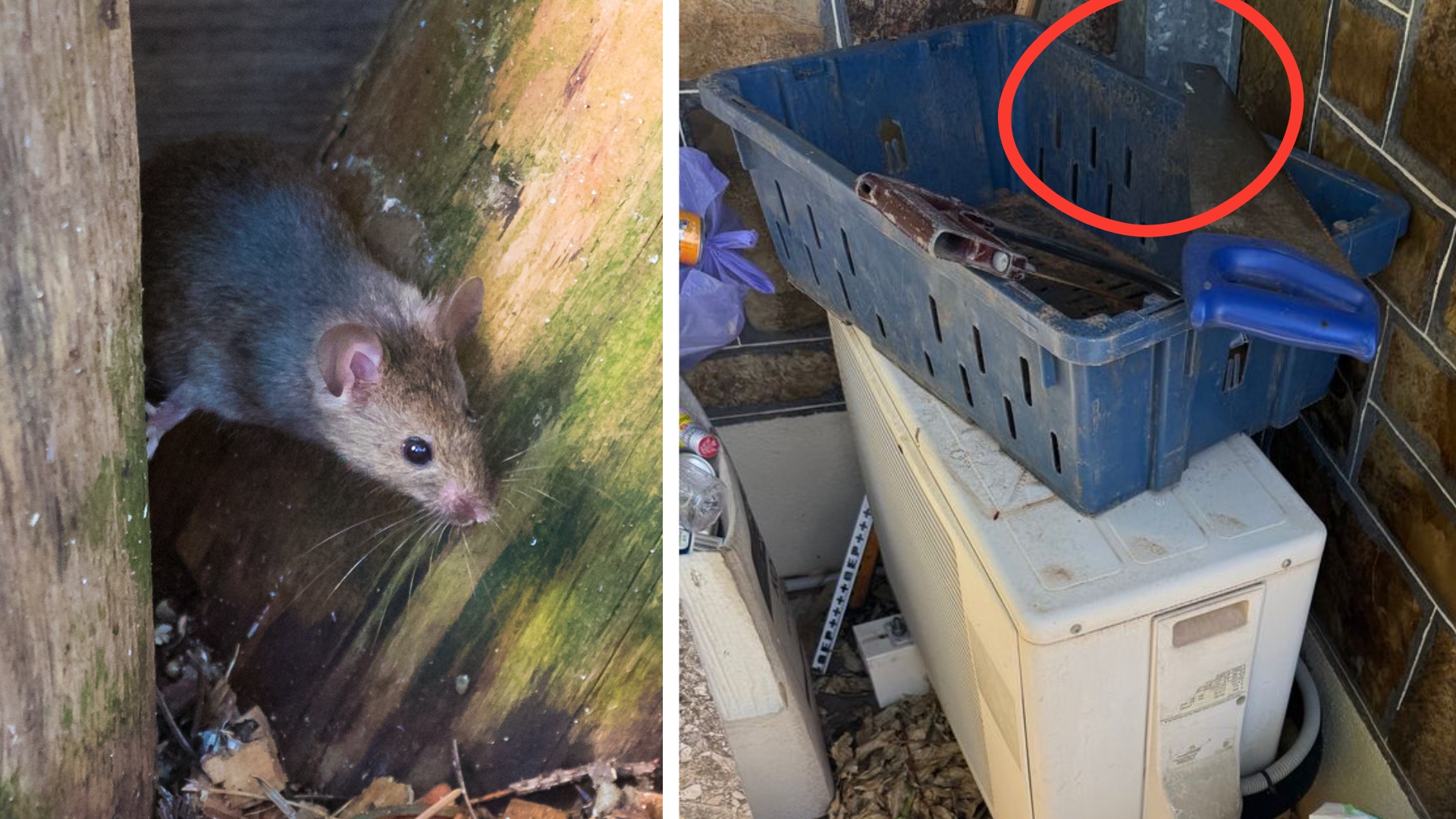
Australia is currently grappling with a significant rodent issue, with swathes of Western Australia and South Australia experiencing a severe mouse plague. In some areas, mouse populations have reached alarming densities of up to 8,000 per hectare, creating a distressing situation for thousands of residents. Pest management professionals are reporting a surge in demand for their services, with many homeowners encountering mouse problems for the first time.
The gravity of the situation has prompted emergency measures, including the granting of permits for farmers to use double-strength mouse bait. However, for those concerned about protecting their homes, a more nuanced approach is required. Experts in wildlife conservation and pest management offer practical, humane strategies to manage mouse infestations, ensuring the safety of children, pets, and native wildlife.
Understanding the Threat: Mouse Plagues in Australia
Mouse plagues are not a new phenomenon in Australia, but the current scale of infestation in parts of WA and SA is causing considerable concern. These events are typically driven by favourable weather conditions that lead to abundant food sources, allowing mouse populations to explode rapidly. The consequences for rural and regional communities can be devastating, impacting agriculture, infrastructure, and the general well-being of residents.
Steve Turner, a pest management technician with Jim’s Termite and Pest Control in Gawler, South Australia, notes a significant increase in callouts. “A lot of people are coming to me, saying ‘Can you help me?’ We’re hearing a lot from people with mouse problems who have never experienced them before,” he states. This highlights the widespread nature of the current plague and the need for accessible, effective solutions.
Key Takeaways for Managing Mouse Infestations
For homeowners facing a mouse plague, understanding the most effective strategies is crucial. The following points summarise the expert advice:
- Mouse plagues are affecting thousands of Australians right now, with concentrations of up to 8,000 mice per hectare recorded in parts of Western Australia and South Australia.
- Humane methods can effectively protect your home without putting children, pets, or native wildlife at risk.
- Expert help is available – if the problem feels overwhelming, a licensed pest management technician can provide fast, targeted support.
1. Seal Rodent Entry Points: The First Line of Defence
Professor Rob Davis, a wildlife conservation expert, stresses that the most critical step in protecting your home is to meticulously seal all potential entry points for rodents. “Plugging up holes in your roof and walls is the most effective strategy,” he advises.
Identifying these entry points can sometimes be challenging. Steve Turner points out a common oversight: “Mice can get through a hole about the size of your little finger.” This means even small gaps can provide access for these agile pests.
Where to Look for Mouse Entry Points:
- Stored goods, such as pet food, near the house can provide a place for mice to hide and build nests.
- Under doors.
- Through vents.
- Holes in timber flooring.
- Gaps in brickwork.
- Gaps in exterior cladding.
- Gaps in the roof void (especially if tree branches are hanging over the roof).
- Air conditioning unit conduit.
- Downpipes or any pipes leading into the house.
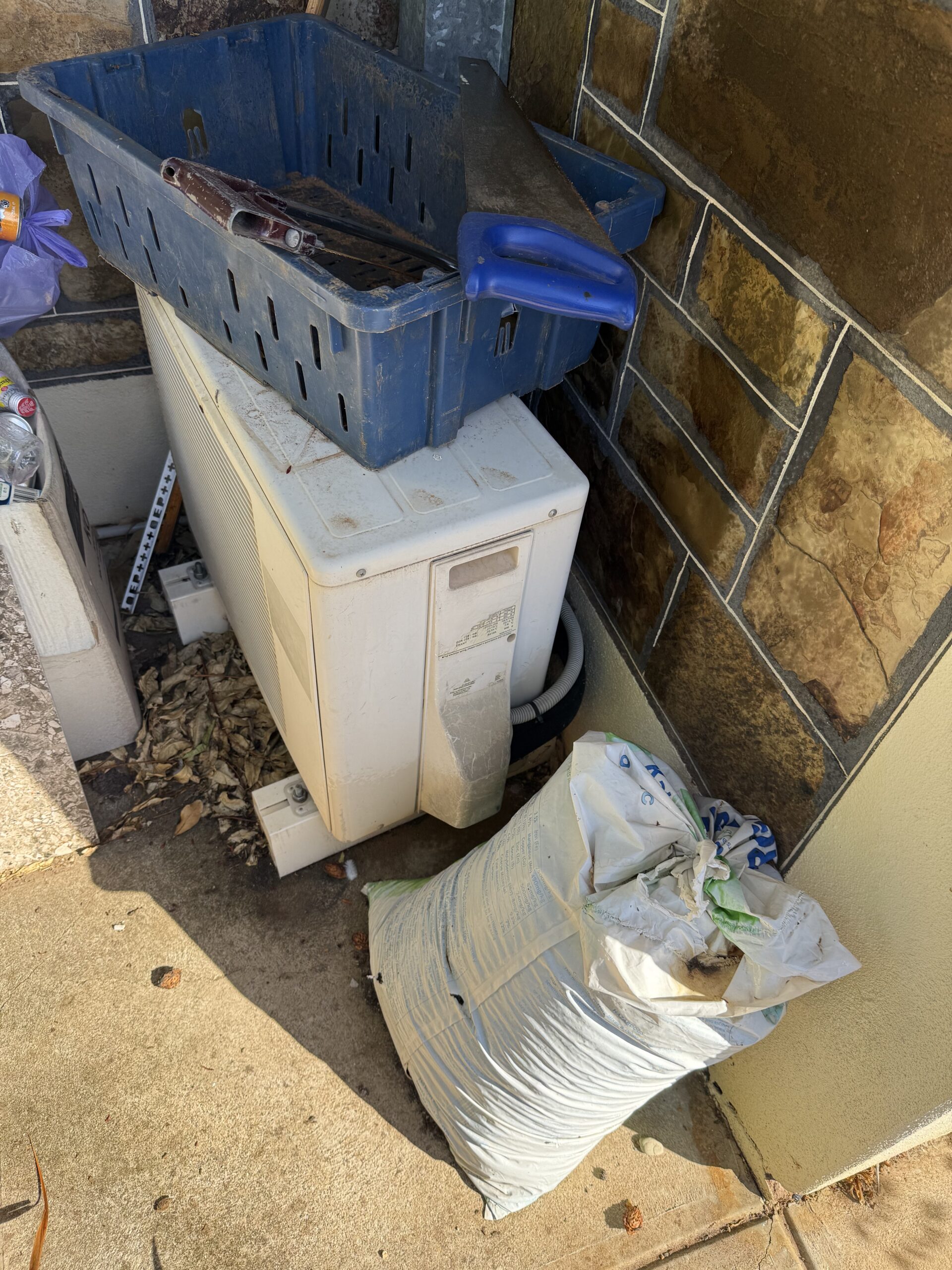
If you’ve exhausted all possibilities and are still unsure how mice are gaining access, engaging a professional can be invaluable. “When you use a professional, they have been trained in what to look for, where mice are getting in, and the best way to treat them,” explains Steve.
Essential Materials for Sealing Entry Points:
 Gorilla heavy duty expanding foam
- Raven RP3 door seal
- Xcluder rodent control fill fabric roll
- Selley’s No More Gaps tube
- Stainless steel rodent mesh
- Super fine steel wool
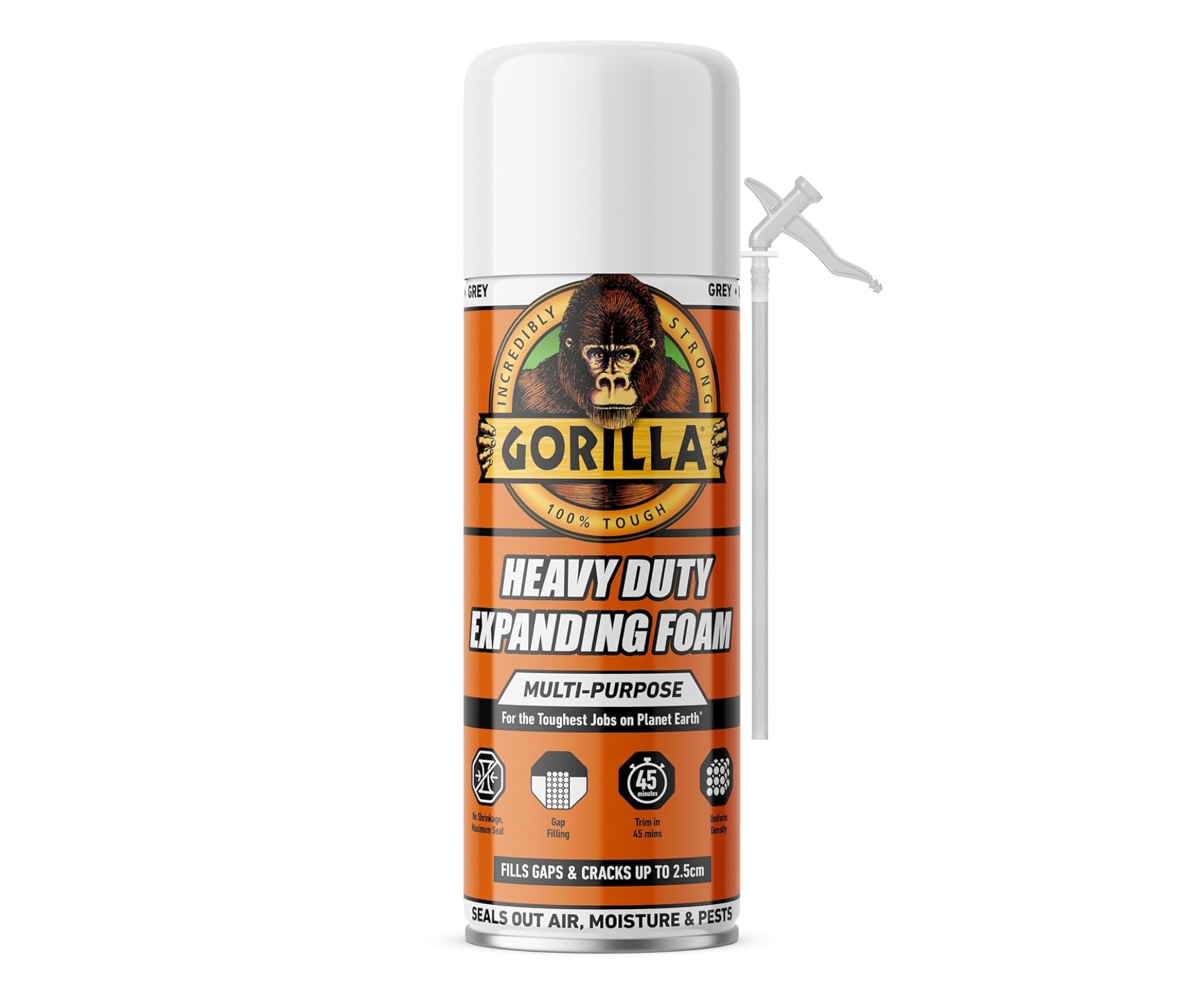 Gorilla heavy duty expanding foam
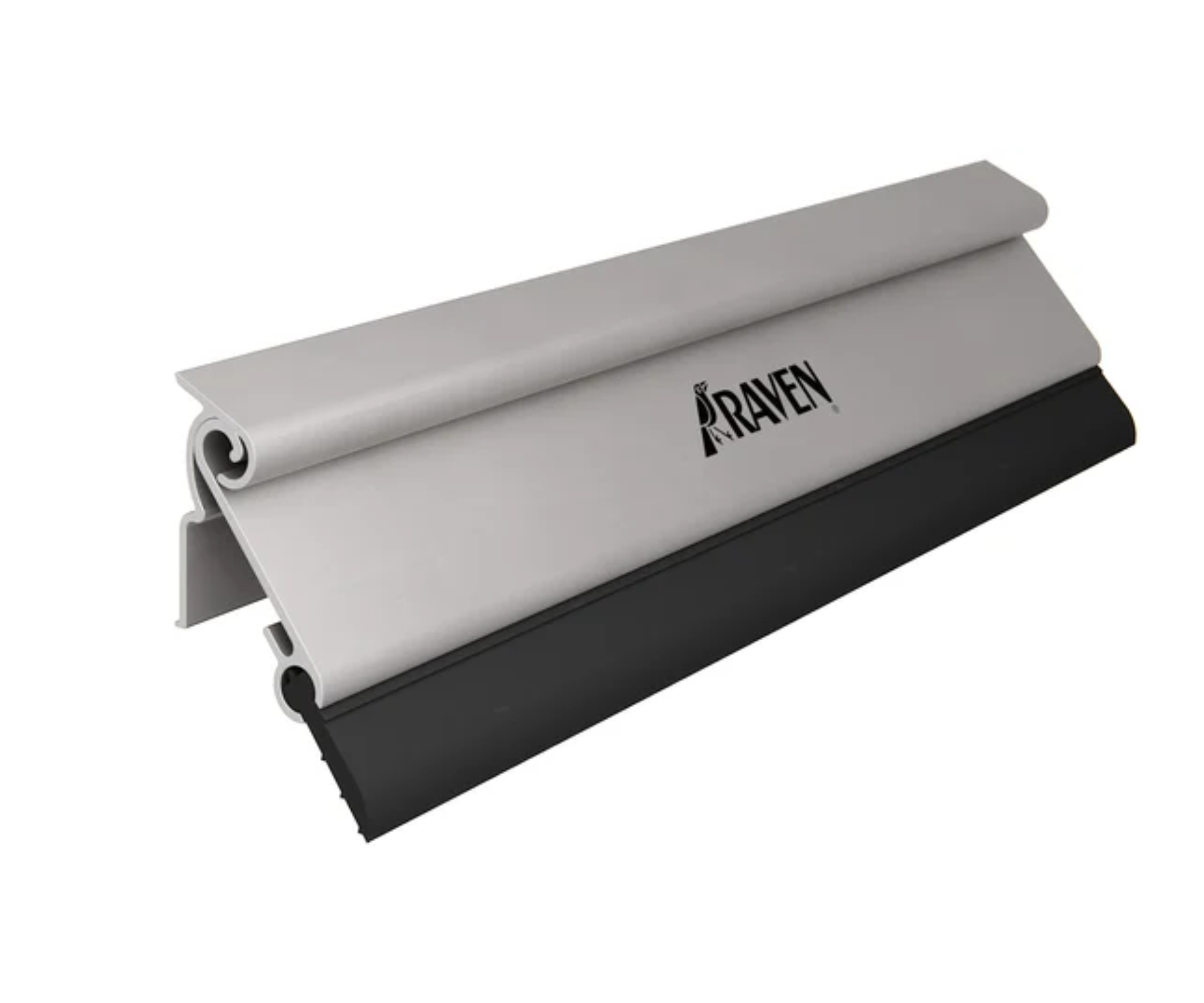 Raven RP3 door seal
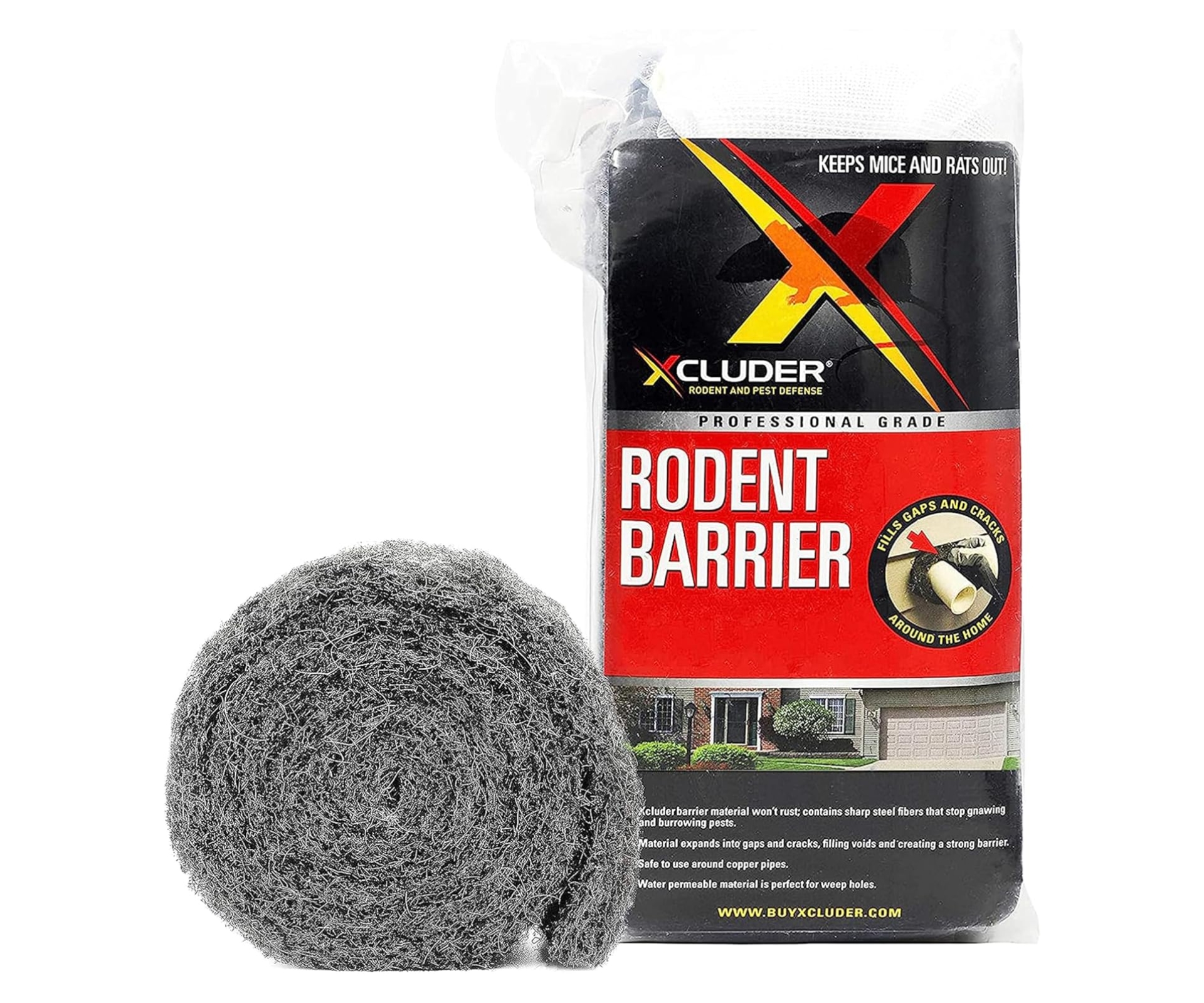 Xcluder rodent control fill fabric roll
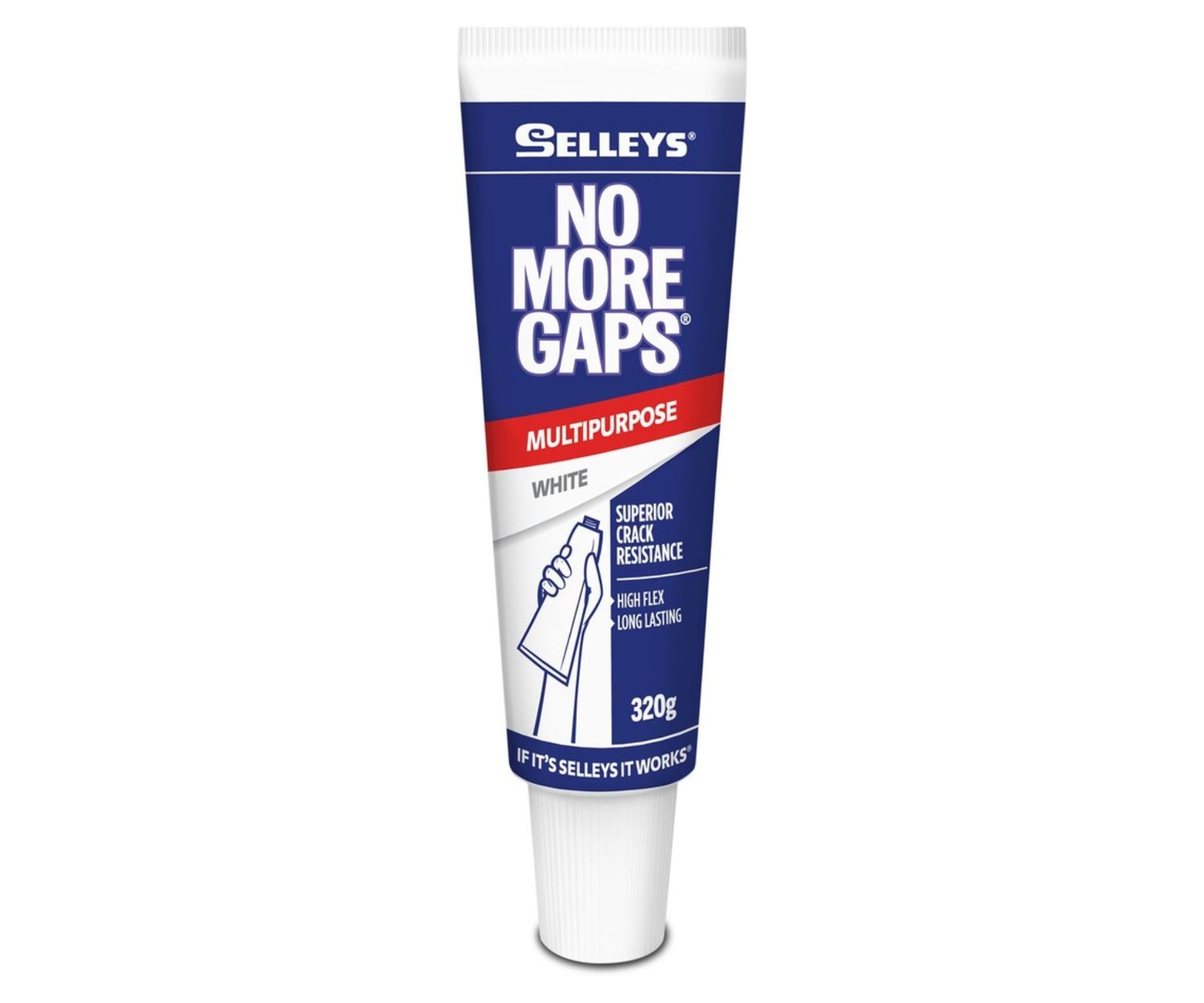 Selley’s No More Gaps tube
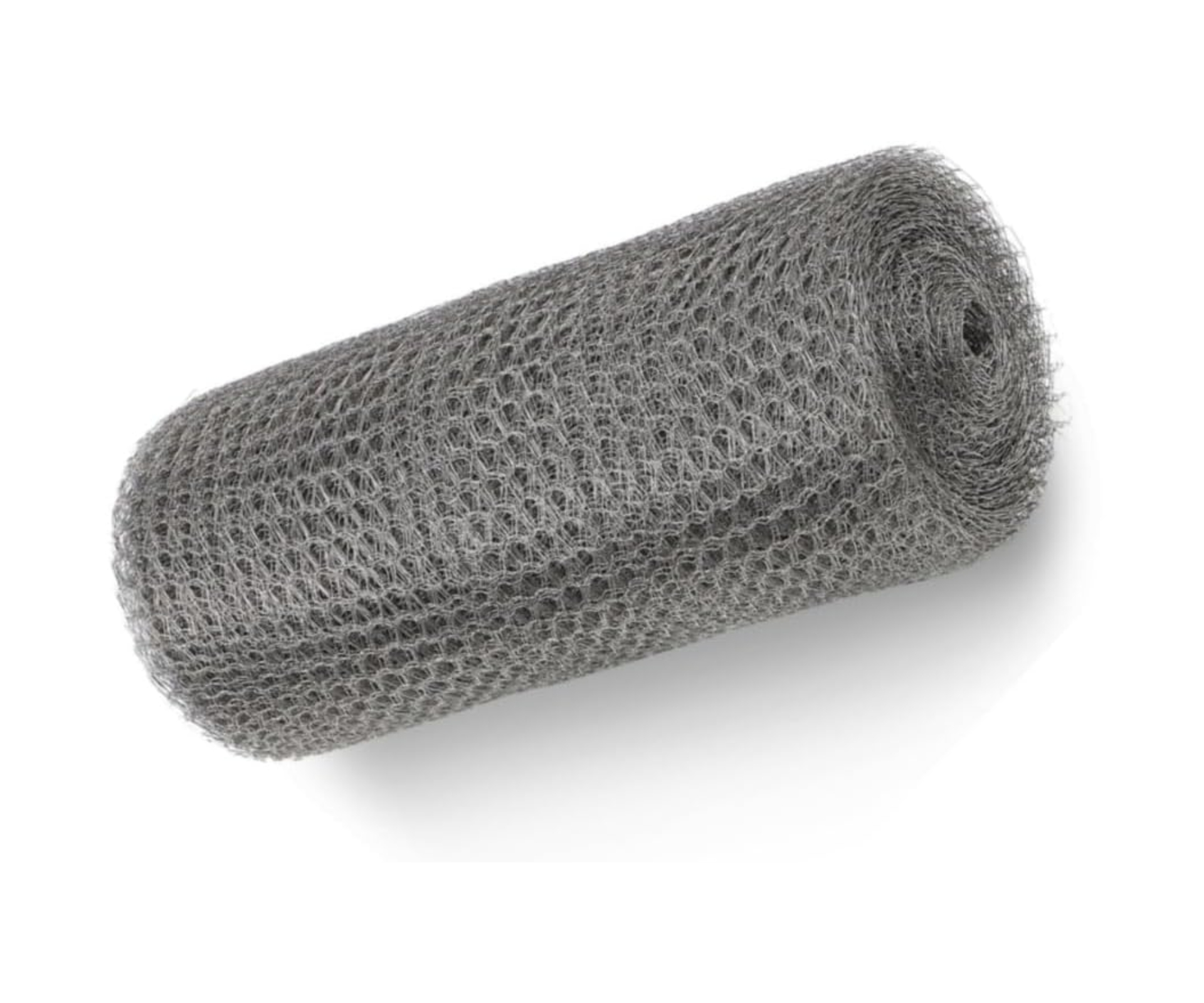 Stainless steel rodent mesh
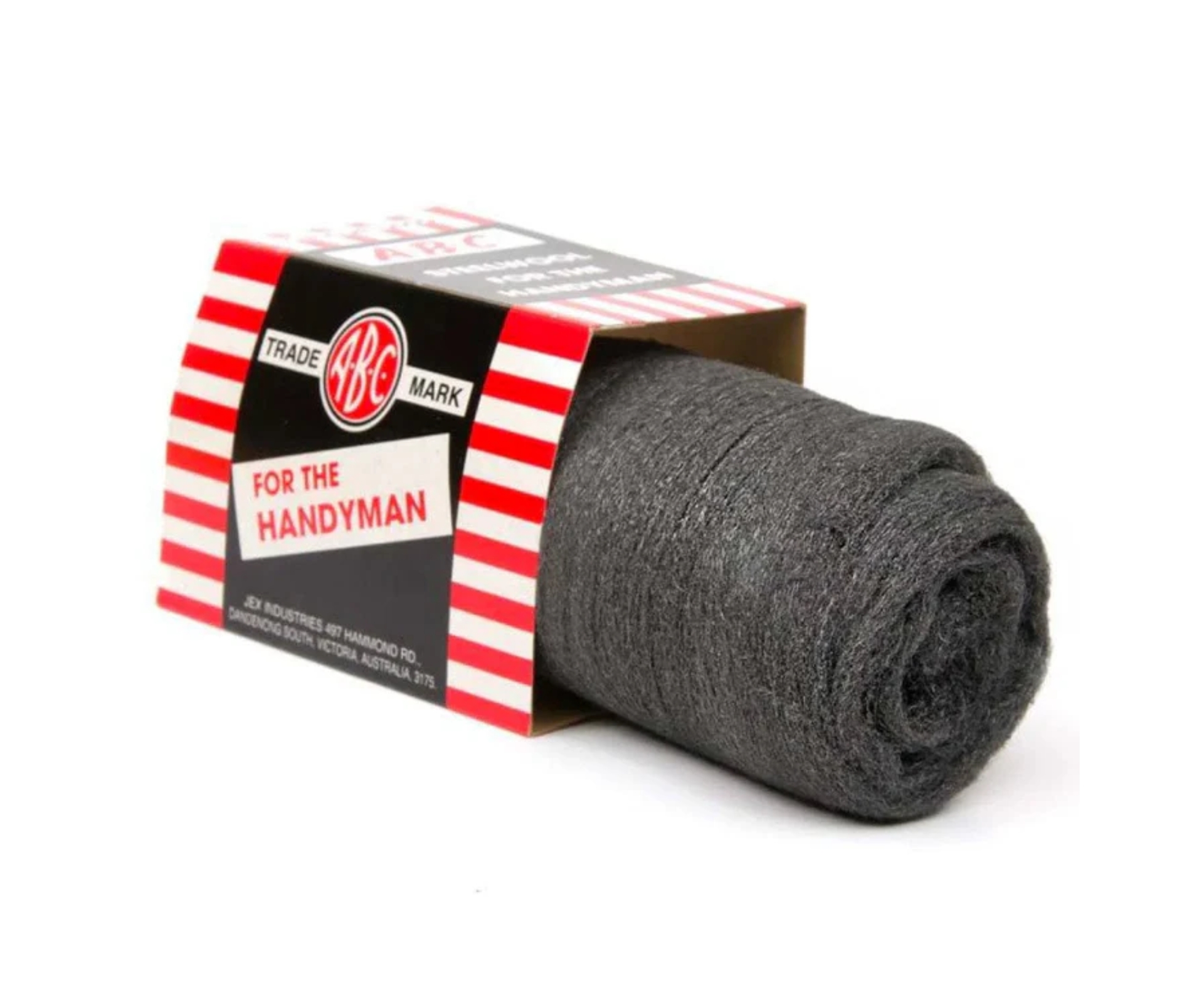 Super fine steel wool
2. Invest in Humane Mouse Traps: Managing Existing Infestations
Once mice have infiltrated your home, the next step is to address those already inside. While the presence of rodents can be unsettling, it’s important to opt for humane methods that cause minimal distress to the animals. Humane mouse traps are designed to be quick and effective.
Recommended Mouse Traps:
- Battery-powered electric mouse traps: Professor Davis is a proponent of these traps, noting they are “quite humane and work by stopping the heart of the mouse with an electric current.” They are particularly effective for managing lower-level infestations. Products like GoodNature’s electric mouse trap can automatically kill and reset multiple times, often coming with satisfaction guarantees.
A24 Smart Trap Kit
Goodnature electric mouse trap
Ratsak electronic mouse trap - Old-fashioned snap traps: While effective, Rob cautions that they can be “harder to control” and have the “potential to maim mice if they misfire.”
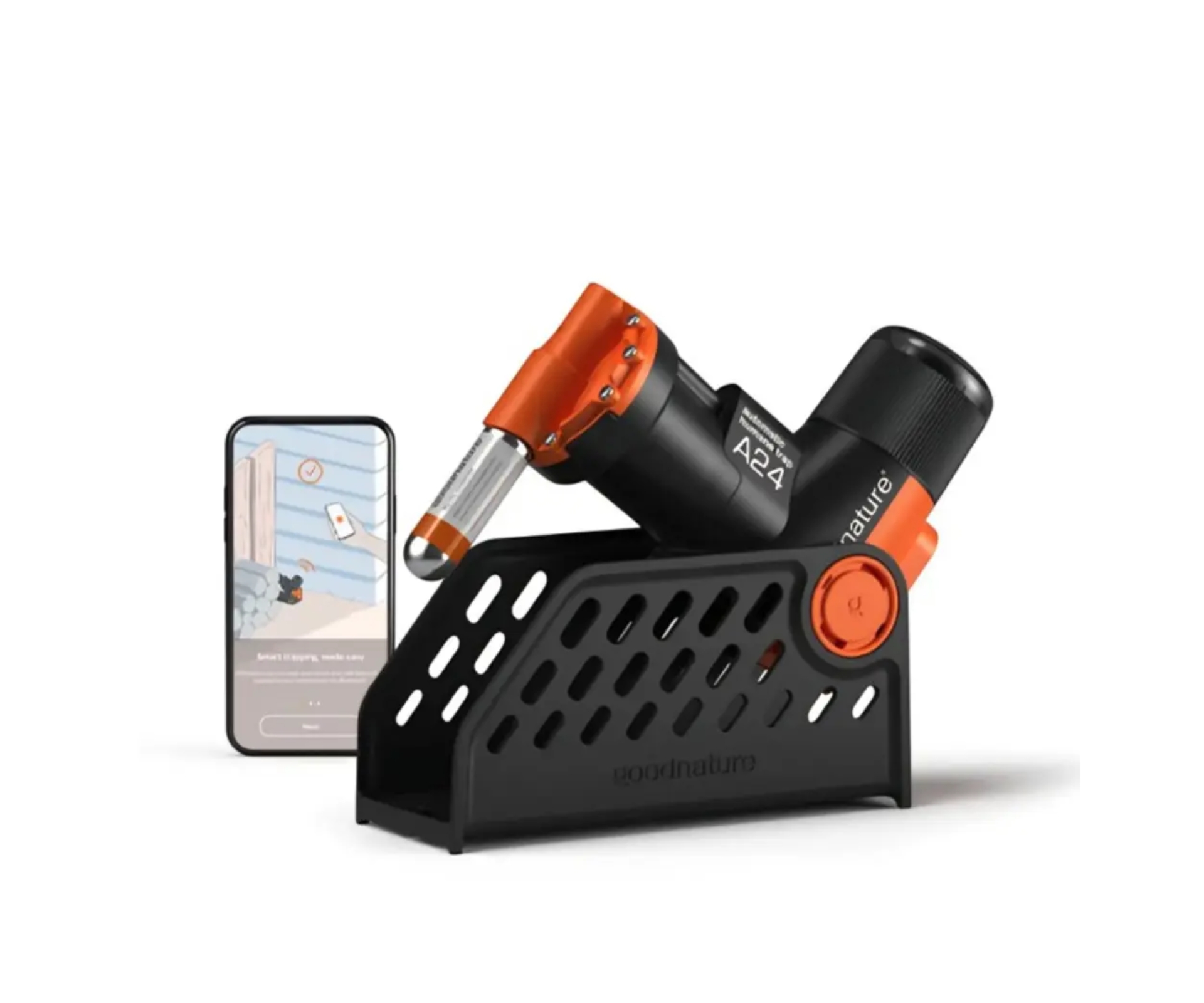 A24 Smart Trap Kit
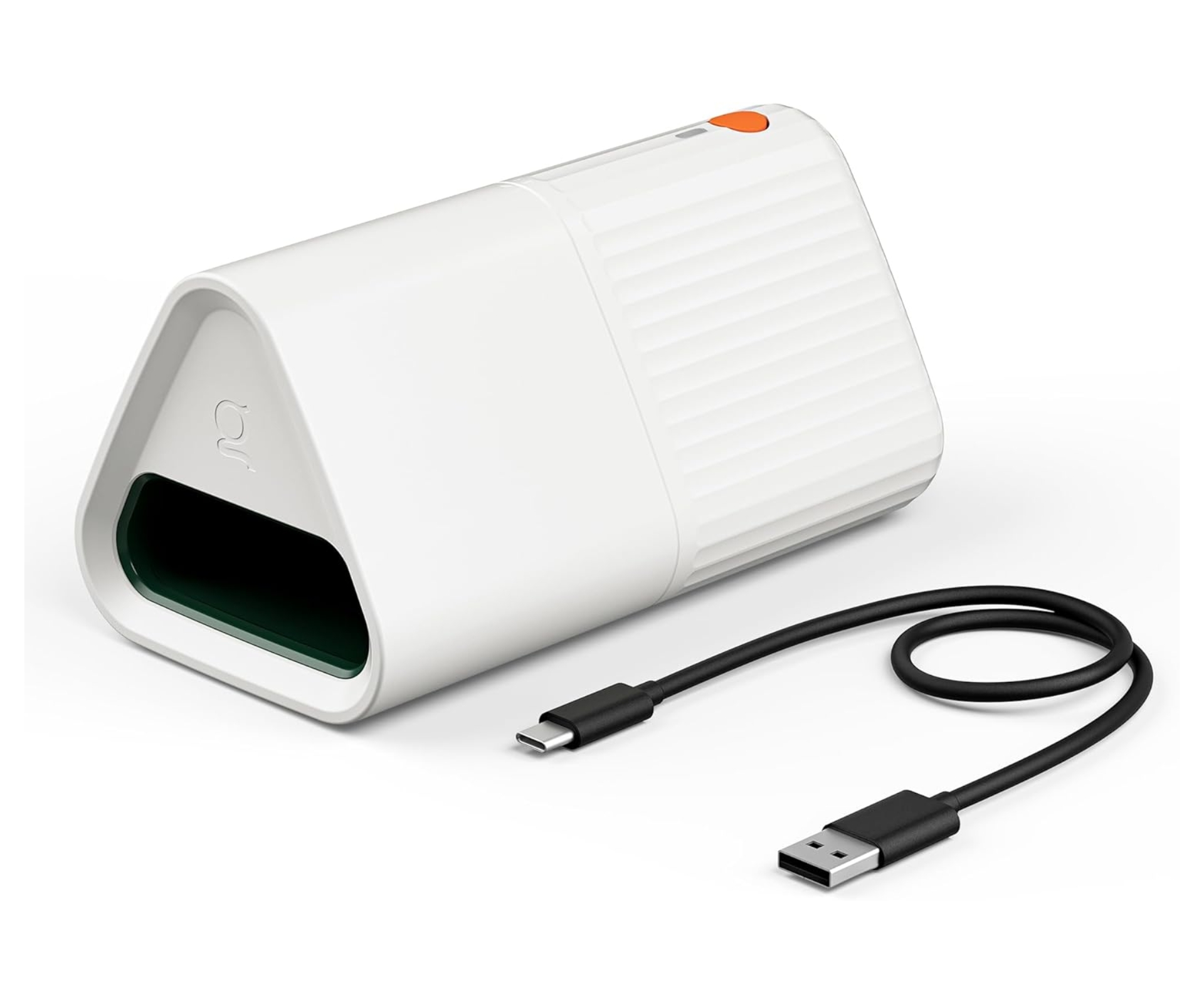 Goodnature electric mouse trap
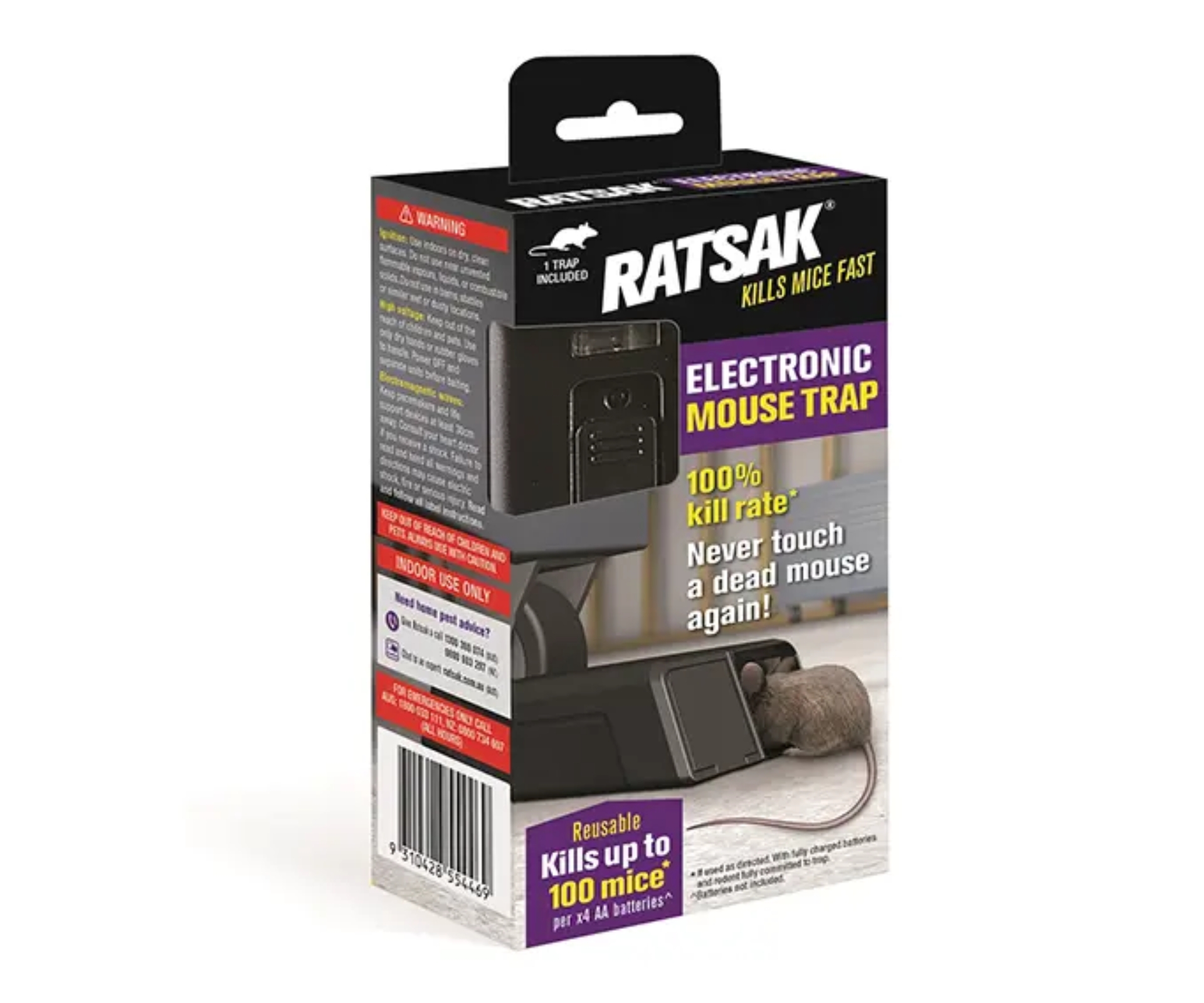 Ratsak electronic mouse trap
To maximise trap effectiveness, place them along walls or in corners. Peanut butter is an excellent, non-toxic bait. Crucially, Rob advises that “Traps should only be used indoors to avoid impacting wildlife.”
Mouse Traps to Avoid:
- Bucket mouse traps: Rob strongly advises against these DIY options, as they can lead to prolonged suffering for the animals. “Drowning is not ethical, and more humane choices like mechanical or electrical kill traps will result in a more humane end for the mice,” he states.
The Debate Around Mouse Bait:
Steve Turner notes the increased demand for baits during mouse plagues. However, he strongly recommends hiring a professional pest technician to minimise risks to children, pets, and wildlife. Professionals use “professional baits that are not available to the general public” and possess the expertise to place bait stations safely.
Professor Davis discourages public use of bait due to the significant risk to native Australian animals, including birds, possums, snakes, and insects, who can be poisoned directly or indirectly. He emphasises that “There are no approved methods for the public to bait outdoors.”
3. Remove Outdoor Food Sources: Deny Them Access
Leaving pet food on verandas or in accessible areas is an open invitation for mice. Steve Turner advises, “Keep pet food away from the outside of your house and store it in airtight containers. Keep household rubbish in bins with a lid, and keep them closed.”

4. Rodent-Proof Your Vegie Garden and Compost Bin
Outdoor compost bins situated directly on the ground are a prime target for mice. Professor Davis recommends ensuring your compost bin is rodent-proofed, ideally using stainless steel mesh.
Rodent-Proofing Your Compost Bin:
Connie Cao, a finalist in the Better Homes and Gardens Creator Awards, demonstrates how to mouse-proof a compost bin using aviary mesh.
Professor Davis also notes that netting can effectively protect vegie gardens from rodent intrusion.
5. Tidy Up the Garden: Reduce Cover and Access
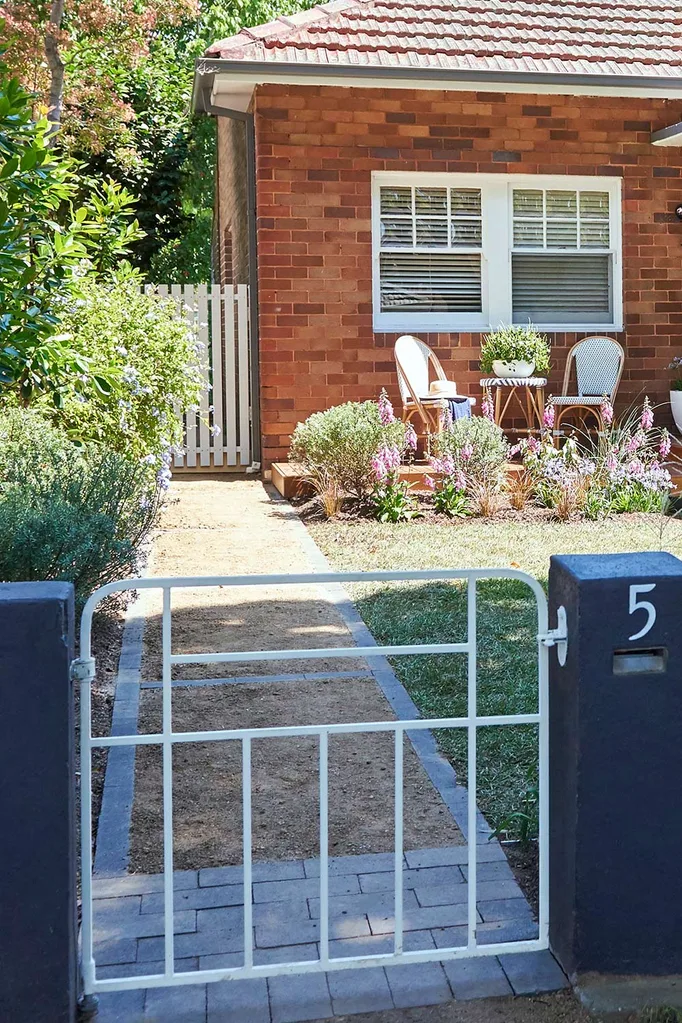
Overhanging tree branches can act as convenient bridges for mice to access your roof cavity. Pruning these branches reduces potential entry points into your home. Additionally, overgrown lawns provide safe hiding places for mice, shielding them from natural predators. Steve Turner advises, “Keep your lawn cut and remove weeds.”
6. Disinfect and Deodorise: Maintaining a Healthy Environment
Proper cleanup of mouse droppings and urine is essential to minimise the risk of virus and infection. The Western Australian Department of Health recommends wearing protective gear, including disposable gloves, waterproof clothing, closed footwear, and a face mask, when cleaning up after mice.
Warning: Individuals who are pregnant or immunocompromised should not undertake cleanup tasks due to the increased risk of Lymphocytic choriomeningitis virus (LCMV).
Cleaning Mouse Droppings:
Spray the affected area with a household disinfectant or a bleach and water solution (following dilution instructions). Wipe up with disposable cloths or paper towels, then mop the area with disinfectant. Avoid using a vacuum cleaner, as this can aerosolise disease-causing particles.
Cleaning Mouse Urine:
Apply a household disinfectant (that kills bacteria and viruses) and allow it to dwell as per the product label. Wipe clean with disposable cloths, then mop or wash with an enzymatic cleaner and disinfectant to eliminate odours.
Cleaning Products to Keep on Hand:
- Britex urine remover
- Enzyme Wizard no rinse floor cleaner
- Pine O Cleen antibacterial disinfectant
- For All Australia all-purpose cleaner
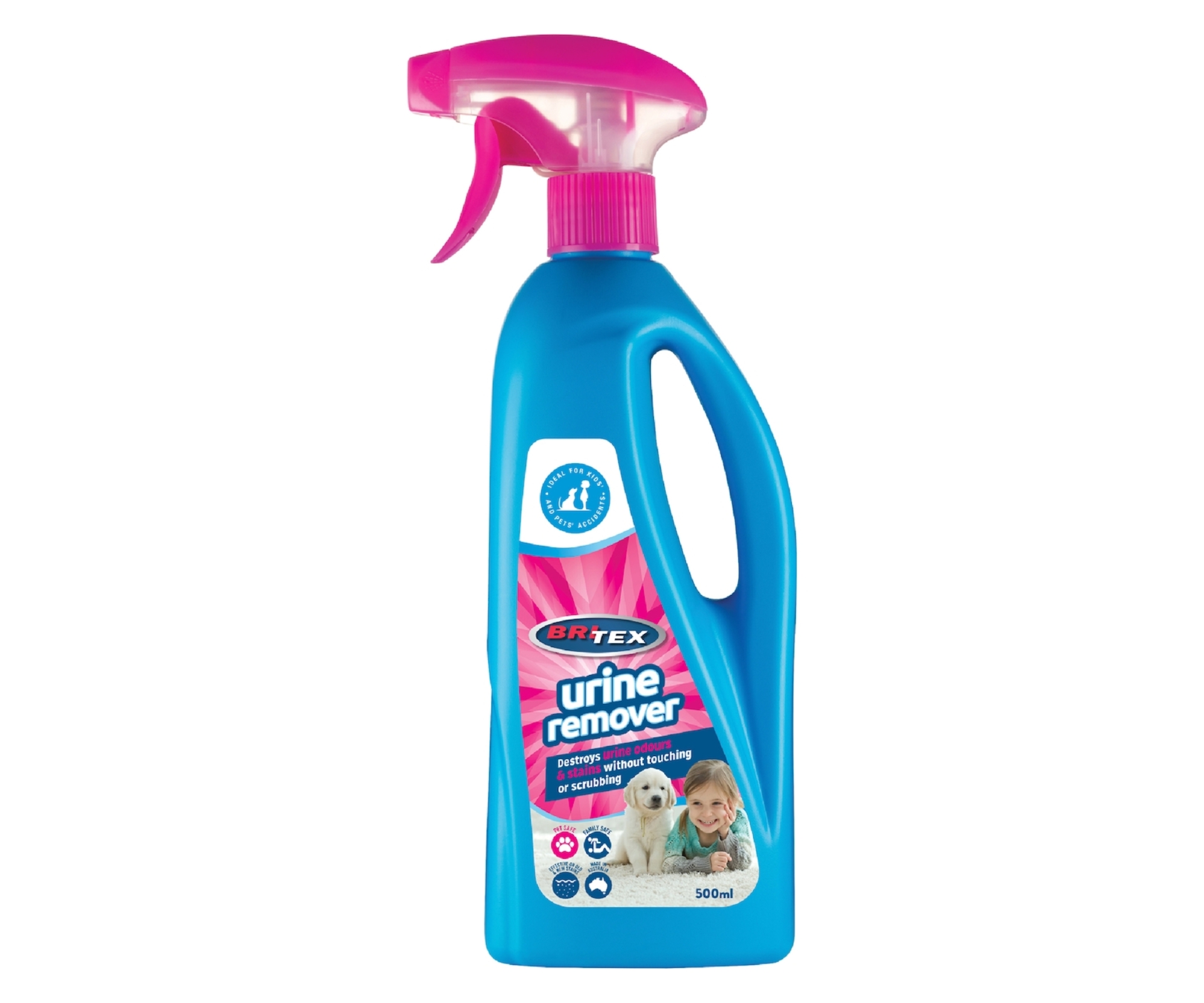 Britex urine remover
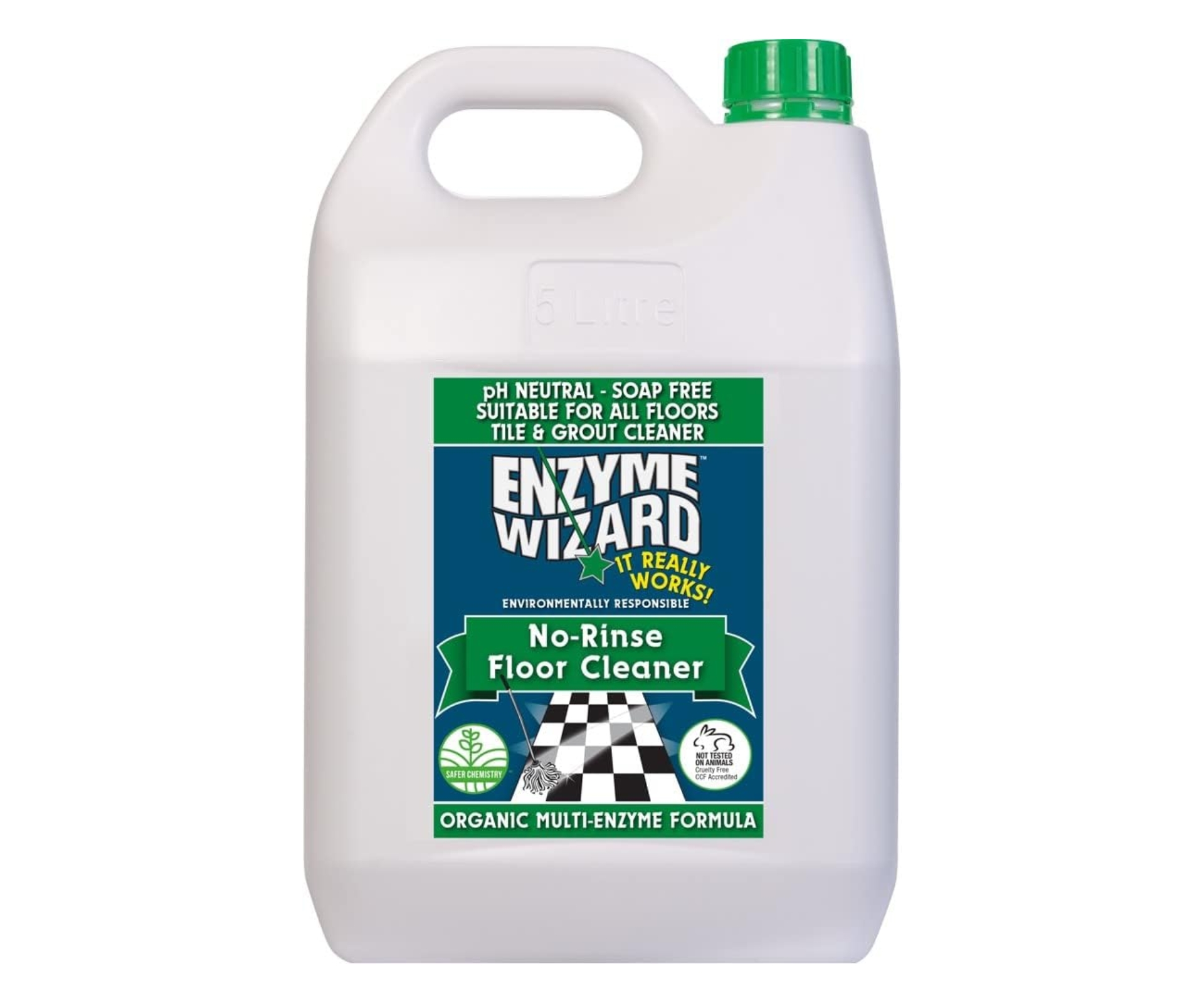 Enzyme Wizard no rinse floor cleaner
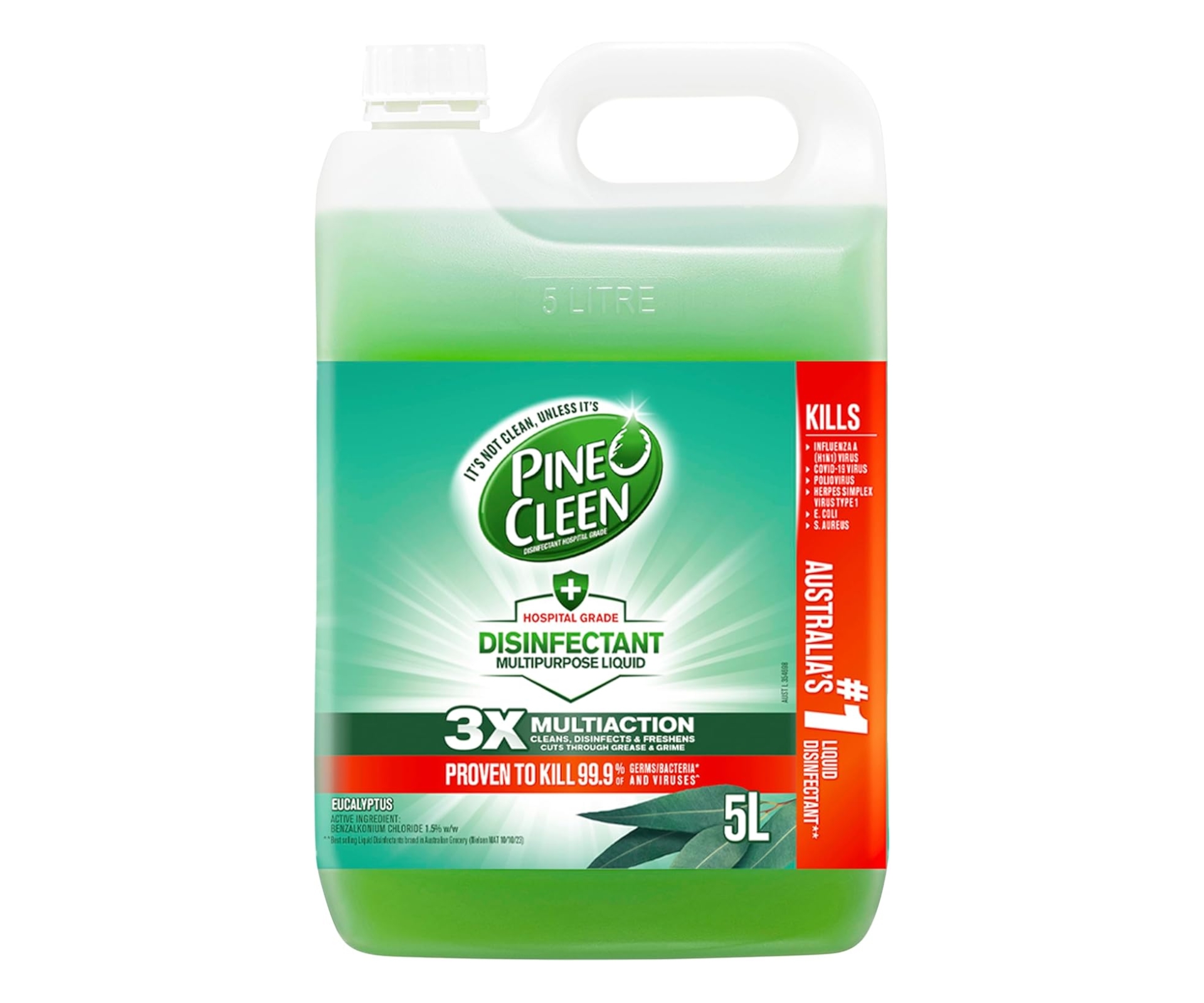 Pine O Cleen antibacterial disinfectant
 For All Australia all-purpose cleaner
Eliminating Mouse Odours:
For deceased mice in inaccessible locations, ventilation is key. Steve Turner advises, “Ventilation is key – open windows and place a fan in the area to push stale, smelly air out and bring fresh air in.” Products like StopOdours bags or odour-eliminating gels can also be effective.
Other Household Items for Odour Reduction:
- Activated charcoal
- Baking soda
- White distilled vinegar
- Fresh coffee grounds
7. Dispose of Mice Safely: Responsible Removal
When dealing with trapped mice, Professor Davis recommends handling them with gloves or by the tail. “Ideally, bury them in the garden or wrap them in a plastic bag and dispose of them in the bin,” he suggests. It’s important to be aware that mice may have ingested poison, posing a risk to other animals that might consume them.
Managing a mouse plague can be a daunting task, but by implementing these expert-recommended strategies, homeowners can effectively protect their properties and families. Consistency and a commitment to humane practices are paramount. Remember, professional pest management services are readily available to assist when the situation becomes overwhelming.
Further Reading:
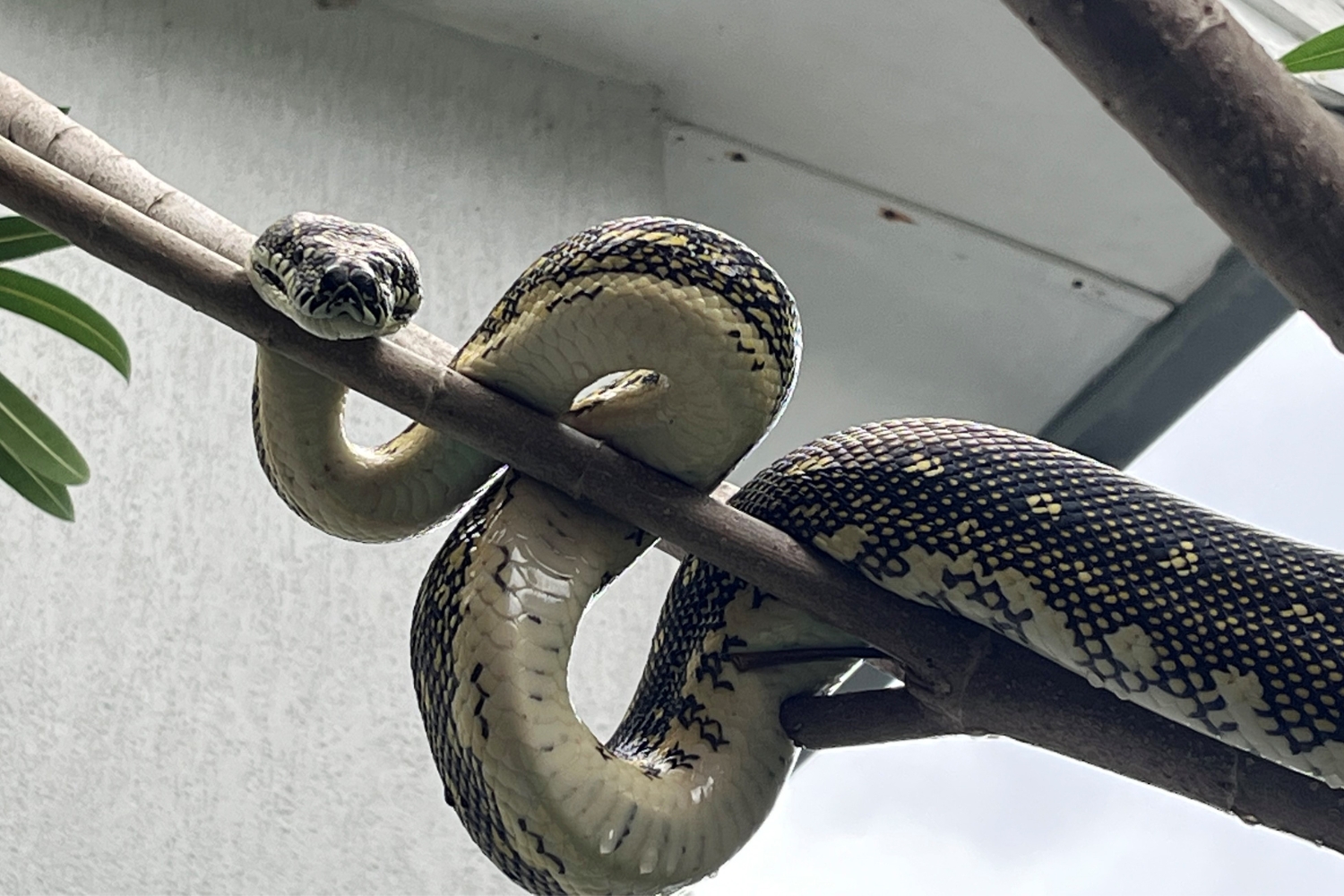
 Gardening: Where do snakes actually go in winter? A snake expert explains
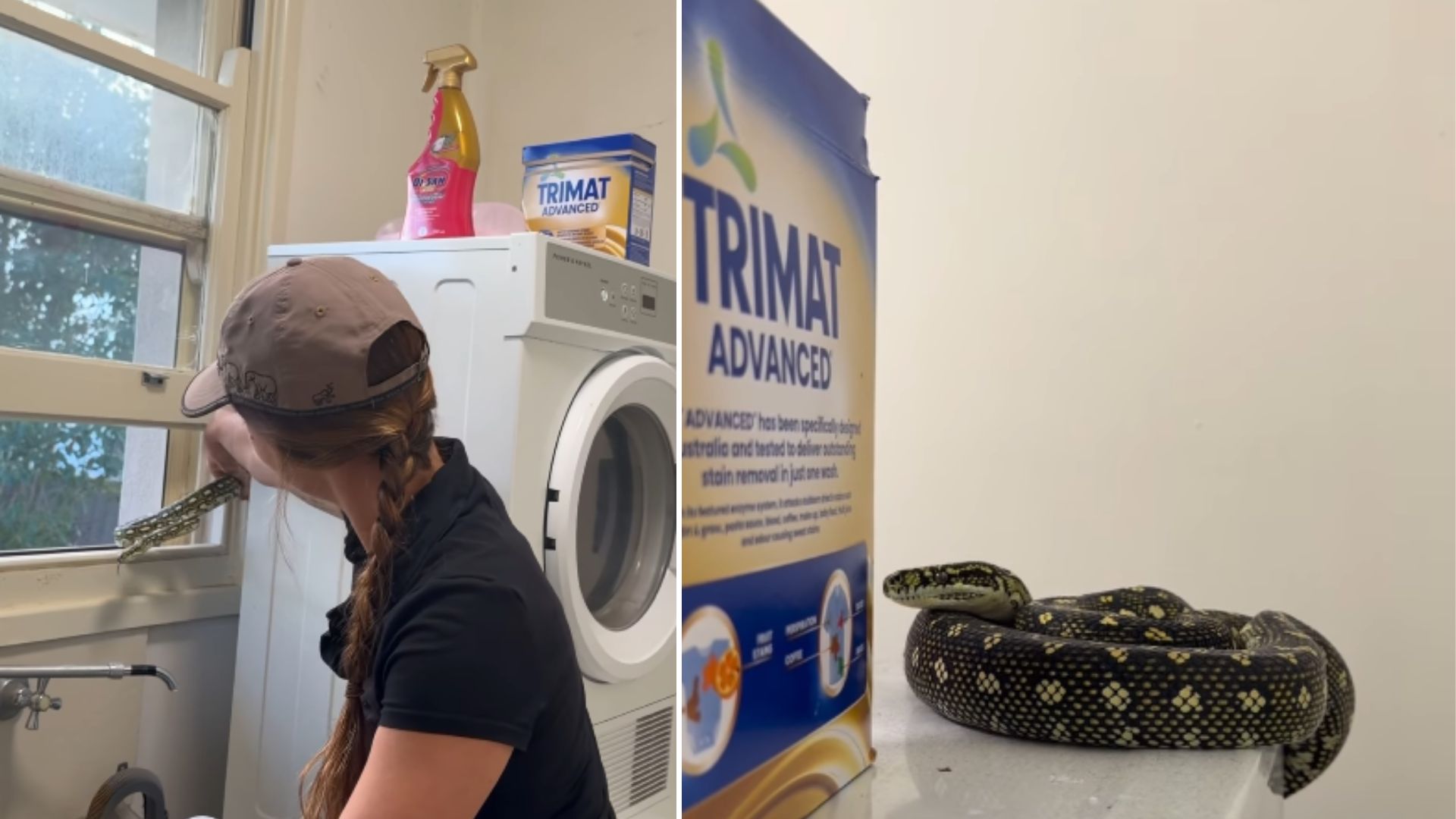
 Garden: Snake catcher’s winter warning: where they “snuggle up” inside your home
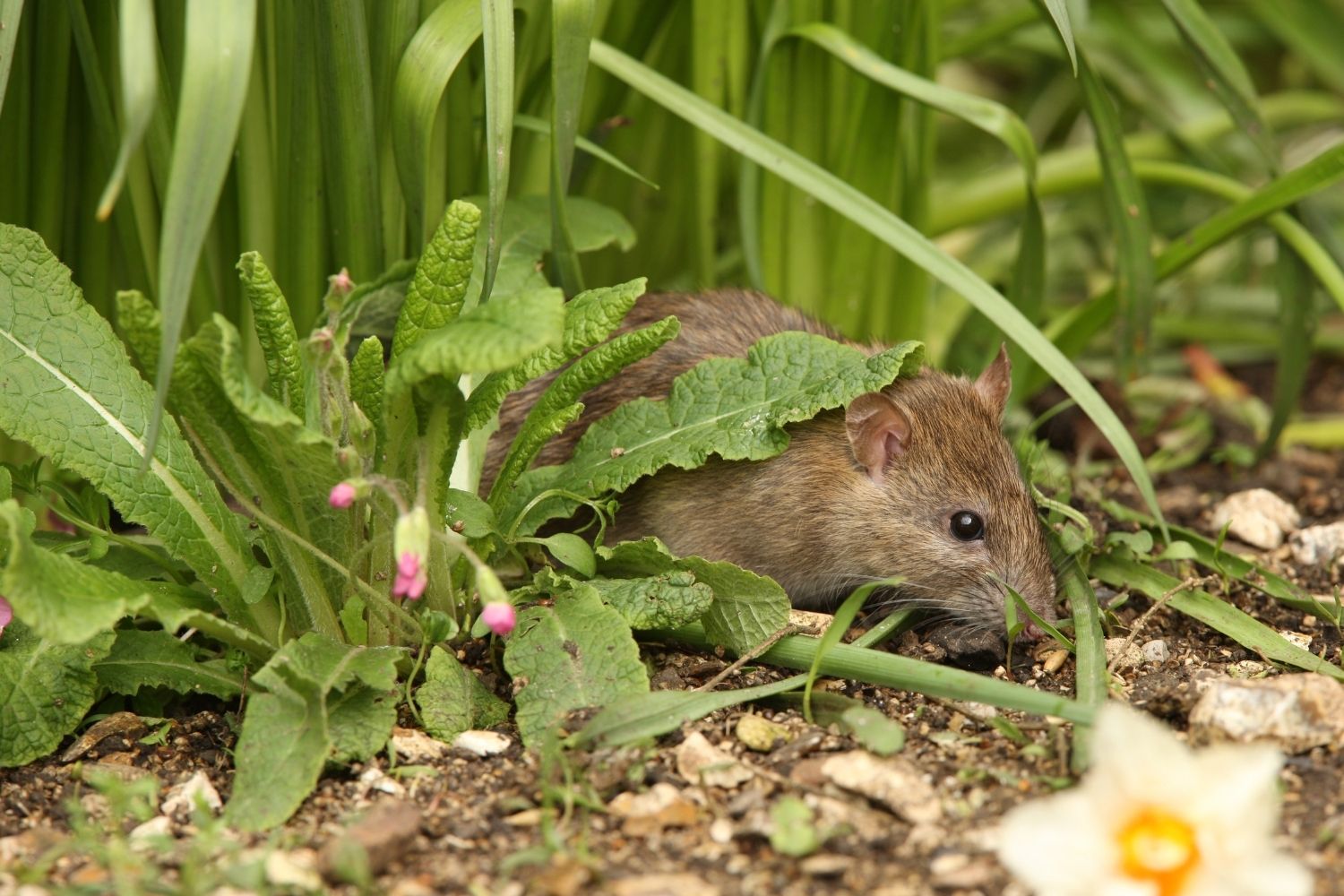
- Gardening: How to get rid of rats in your garden without poison or traps
 Gardening: Where do snakes actually go in winter? A snake expert explains
 Garden: Snake catcher’s winter warning: where they “snuggle up” inside your home
 Gardening: How to get rid of rats in your garden without poison or traps


