Formula 1 Ditches Middle East Races Amidst Escalating Regional Tensions
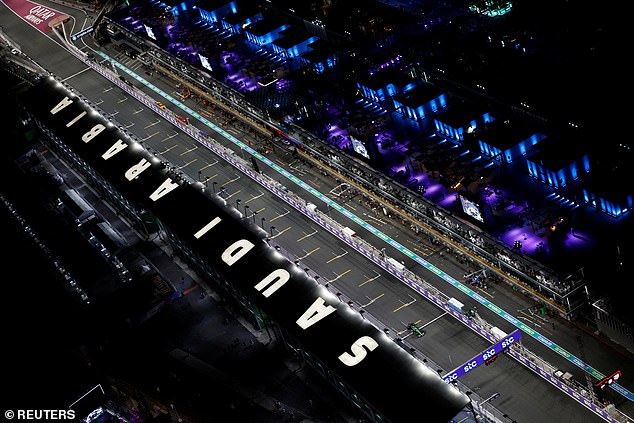
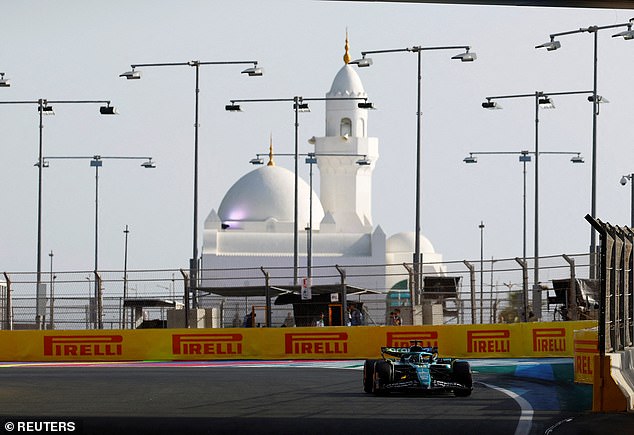
Formula 1 has officially confirmed the cancellation of two significant Middle Eastern Grand Prix events, the Bahrain Grand Prix and the Saudi Arabian Grand Prix, originally slated for April. This decision comes as a direct response to the escalating instability and heightened security concerns within the region. The sport’s governing bodies, in consultation with local promoters, have prioritised the safety of teams, personnel, and spectators, deeming the current circumstances untenable for holding the races.
In a formal statement released on Sunday morning (AEDT), Formula 1 articulated the rationale behind this difficult choice. “After careful evaluations, due to the ongoing situation in the Middle East region, the Bahrain and Saudi Arabian Grands Prix will not take place in April,” the statement read. The organisation also indicated that while various alternatives were explored, no substitute events will be scheduled to fill the void in April. The decision extends beyond the main Formula 1 spectacle, with the Formula 2, Formula 3, and F1 ACADEMY rounds also being postponed from their scheduled slots.

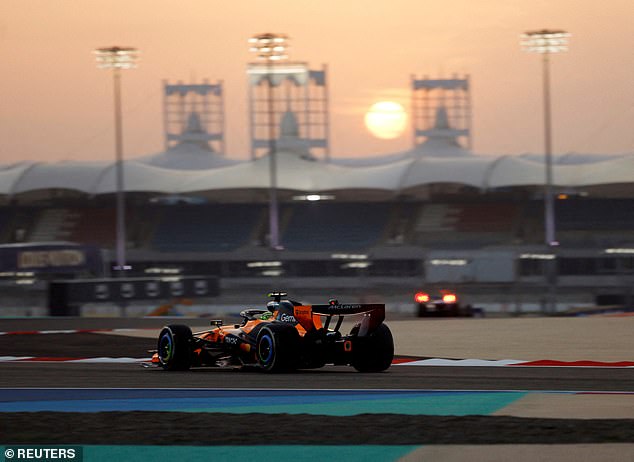
The Bahrain Grand Prix had been pencilled in for mid-April, with the Saudi Arabian Grand Prix scheduled to follow just a week later. However, the increasingly volatile geopolitical climate, marked by escalating conflict involving Iran, the United States, and Israel, has cast a long shadow over the Gulf region. Bahrain, geographically positioned across the Persian Gulf from Iran, has reportedly been subjected to repeated attacks in recent weeks. Saudi Arabia has also experienced strikes targeting critical infrastructure, further amplifying the security concerns.
Formula 1 leadership underscored that the paramount concern is the safety and well-being of its global racing community. FIA President Mohammed Ben Sulayem echoed these sentiments, stating, “The FIA will always place the safety and wellbeing of our community and colleagues first.”
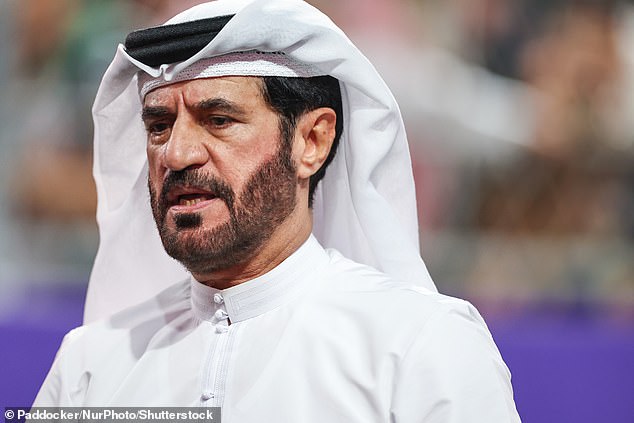
He elaborated on the decision-making process: “After careful consideration, we have taken this decision with that responsibility firmly in mind. We continue to hope for calm, safety and a swift return to stability in the region, and my thoughts remain with all those affected by these recent events.” Ben Sulayem also acknowledged the importance of the cancelled races to the Formula 1 calendar, expressing a strong desire to return to both Bahrain and Saudi Arabia as soon as circumstances permit. He extended his gratitude to the promoters, partners, and colleagues for their collaborative and constructive approach to reaching this conclusion.
Formula 1 CEO Stefano Domenicali acknowledged the gravity of the decision, describing it as a challenging but ultimately necessary step. “While this was a difficult decision to take, it is unfortunately the right one at this stage considering the current situation in the Middle East,” Domenicali commented. He also conveyed his appreciation to the FIA and the promoters for their understanding and continued support, despite their enthusiasm to host the events. “We cannot wait to be back with them as soon as the circumstances allow us to do so,” he added.
Calendar Adjustments and Future Outlook
Speculation had been rife regarding potential replacements for the cancelled Middle Eastern fixtures. Suggestions included an additional race in Melbourne, a double-header event in Japan, or a late addition to the European leg of the season. However, Formula 1 ultimately opted against introducing any substitute races.
This decision is projected to reduce the 2026 championship calendar from its planned 24 races to 22. The cancellations also create a notable hiatus in the schedule, with no races currently slated between the Japanese Grand Prix on March 29 and the Miami Grand Prix on May 4.
Despite the spring cancellations in Bahrain and Saudi Arabia, Formula 1 maintains an optimistic outlook for later events in the Middle East. The championship is still scheduled to make its return to the region with the Qatar Grand Prix in late November, followed by the traditional season-ending Grand Prix in Abu Dhabi in December. The hope is that by these later dates, the regional security situation will have stabilised sufficiently to allow for the safe and successful execution of these races.