Formula 1 Calendar Shaken by Middle East Unrest: Bahrain and Saudi Arabian Grands Prix Cancelled
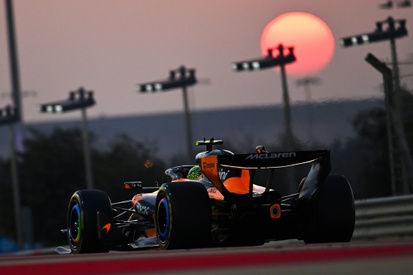
The pinnacle of motorsport, Formula 1, along with its governing body, the FIA, has made the difficult but necessary decision to withdraw from scheduled races in Bahrain and Saudi Arabia originally slated for April. This cancellation stems from the escalating geopolitical tensions in the Middle East, specifically the ongoing conflict impacting Iran and its surrounding regions.
The absence of these two Middle Eastern fixtures will create a significant five-week hiatus in the 2026 season. Following the Japanese Grand Prix in late March, the next event on the calendar will be the Miami Grand Prix in the first week of May. This extended break highlights the serious nature of the situation and the logistical challenges it presents for international sporting events.
The decision follows a period of heightened conflict in the Gulf region, reportedly triggered by the US-led action against Iran, which included the reported killing of Iran’s supreme leader, Ayatollah Ali Khamenei, on February 28th. This event has reportedly led to a wider spread of violence across the Gulf, with Bahrain identified as one of the nations facing retaliatory actions.
Formula 1 was under pressure to make a definitive call on the fate of the Bahrain Grand Prix, scheduled for April 12th, and the Saudi Arabian Grand Prix the following weekend, by an early logistical deadline. With no clear indication of when the conflict might subside, the sport’s organisers concluded that proceeding with these races would pose an unacceptable risk to the safety and security of its personnel, teams, and fans.
While alternative circuits were considered to fill the void in the April calendar, with venues like Imola in Italy and Portimao in Portugal reportedly explored, the complexities and costs associated with rearranging such a high-profile event proved insurmountable. Consequently, the decision has been made not to replace the Bahrain and Saudi Arabian races, impacting not only the Formula 1 schedule but also associated series like FIA Formula 2, Formula 3, and the F1 Academy, which were also due to hold events in the region.
A Statement on Safety and Responsibility
In a joint statement, Formula 1 and the FIA emphasised that the safety and well-being of their community remain their paramount concerns.
Formula 1’s CEO, expressing the gravity of the situation, stated: “While this was a difficult decision to take, it is unfortunately the right one at this stage considering the current situation in the Middle East. I want to take this opportunity to thank the FIA as well as our incredible promoters for their support and total understanding as they were looking forward to hosting us with their usual energy and passion. We cannot wait to be back with them as soon as the circumstances allow us to do so.”
The FIA President, Mohammed Ben Sulayem, echoed these sentiments, underscoring the organisation’s commitment to its stakeholders: “The FIA will always place the safety and wellbeing of our community and colleagues first. After careful consideration, we have taken this decision with that responsibility firmly in mind. We continue to hope for calm, safety and a swift return to stability in the region, and my thoughts remain with all those affected by these recent events. Bahrain and Saudi Arabia are incredibly important to the ecosystem of our racing season, and I look forward to returning to both as soon as circumstances allow. My sincere thanks to the promoters, our partners, and our colleagues across the championship for the collaborative and constructive approach that has led to this decision.”
Broader Impact on Motorsport
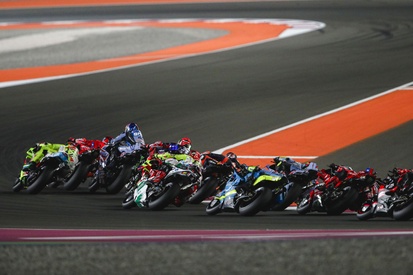
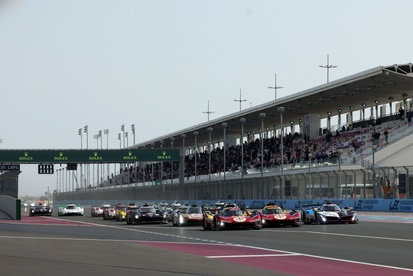
The ripple effect of the Middle East conflict is being felt across various motorsport disciplines. The FIA World Endurance Championship (WEC) had already announced the rescheduling of its Qatar round, initially set as the 2026 season opener on March 28th, to October 24th. Similarly, MotoGP, which was also scheduled to race in Doha on the same weekend as the now-cancelled Bahrain Grand Prix, is actively working on a revised date for its event.
The compressed nature of the 2026 Formula 1 calendar leaves little room for manoeuvre. With numerous existing Grand Prix dates and the logistical demands of international travel, there is no feasible option to slot the cancelled Bahrain or Saudi Arabian races into later dates within the current season. This underscores the significant disruption caused by the current geopolitical climate to global sporting calendars.