
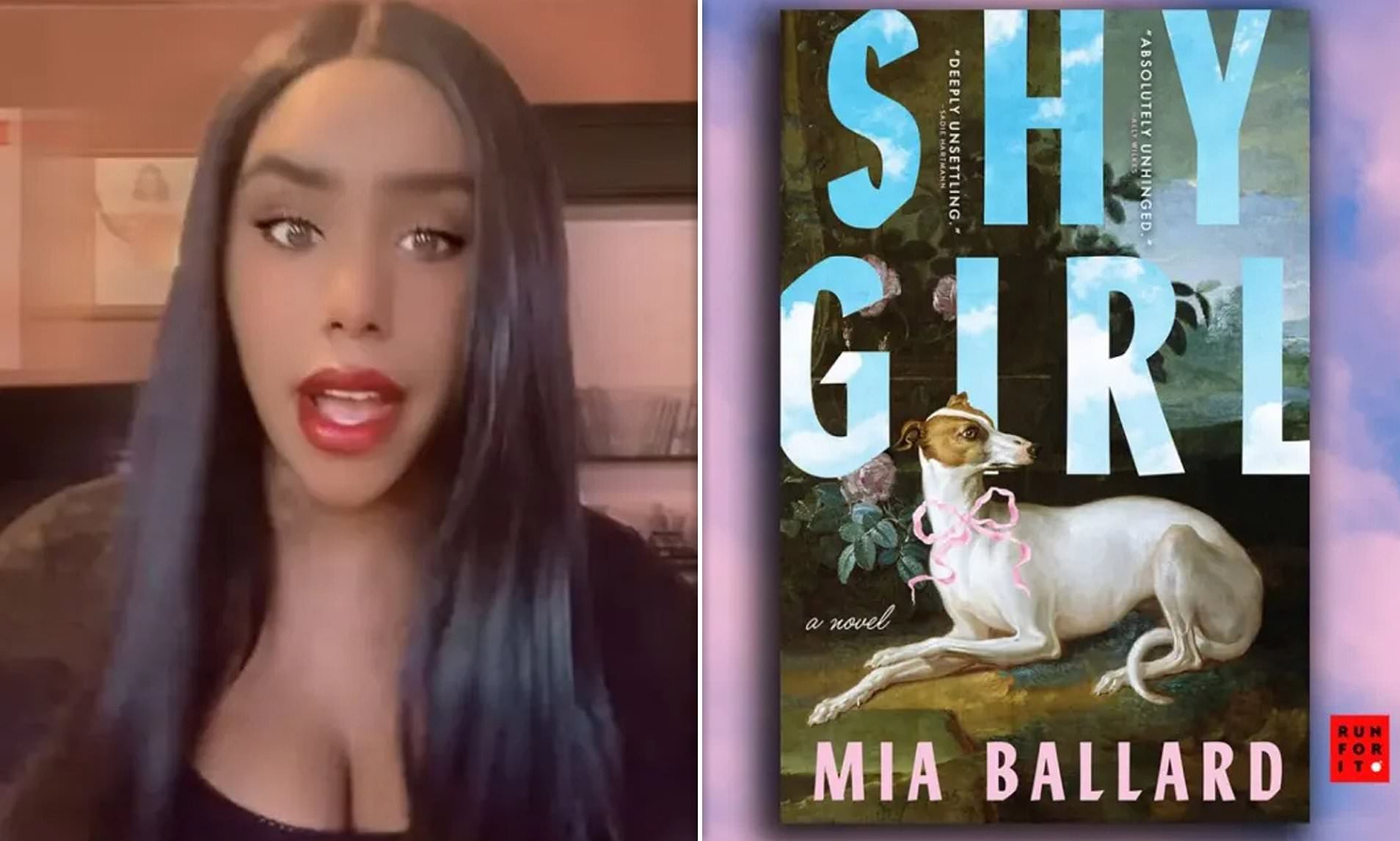
A Groundbreaking Decision in the UK Publishing Industry
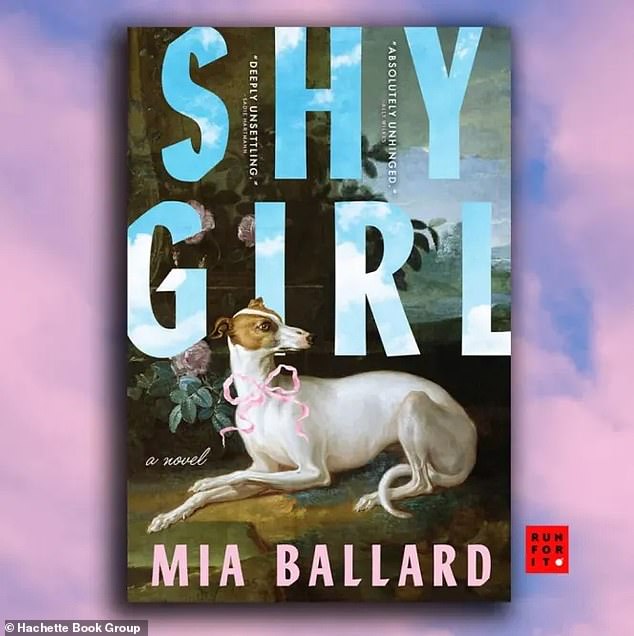
In a significant development for the UK publishing industry, a horror novel titled Shy Girl has become the first book to be withdrawn from British bookshops. This decision came after allegations that over 75% of its content was generated by artificial intelligence (AI). The move marks a pivotal moment in how the publishing world is grappling with the rise of AI-generated content.
The novel, authored by Mia Ballard, was originally acquired by Hachette, one of the world’s largest publishing houses. Hachette had taken an interest in Shy Girl after it gained attention on Amazon’s sales chart following its self-published debut in February 2025. The publisher praised the work as a “gory horror and razor-sharp revenge thriller,” highlighting their collaboration with Ballard to refine what they considered a brilliant debut.
However, the publication of Shy Girl was halted after internal reviews raised concerns about the book’s authorship. The title was scheduled for release in the US this spring under Hachette’s Orbit imprint. Before the scandal broke, the book had sold just under 1,900 copies in the UK and remained available on major retail platforms.
Hachette, part of the industry’s ‘Big Five’ global publishers, is believed to be the first major house to withdraw a novel post-publication due to allegations of AI authorship. This decision has sparked widespread debate about the role of AI in creative industries.

The Origins of the Controversy
Whispers of the scandal began circulating in online forums early this year, shortly after Hachette’s November UK re-release of the novel. A widely shared Reddit thread attracted hundreds of comments, with many users suggesting that the prose resembled output from AI tools.
A YouTube video titled “I’m pretty sure this book is AI slop” gained over 1.2 million views, further fueling the controversy. Max Spero, founder of an AI detection program called Pangram, tested the full text of Shy Girl and announced on social media that the results showed the book was 78% AI-generated.
Speaking to The New York Times, Spero expressed his confidence that the book was “largely AI-generated or very heavily AI-assisted.” According to the report, Ballard claimed she had hired an acquaintance to edit her original, self-published version, who had used AI technology.
Ballard told the newspaper that the controversy had significantly impacted her life, stating that her mental health was at an all-time low and her name was ruined for something she did not personally do. She also mentioned pursuing legal action.
The Author and the Book
Originally self-published in February 2025, Shy Girl has nearly 5,000 ratings on Goodreads with an average score of 3.51 stars. Hachette described Ballard as a Northern California-based poet and fiction writer who lives with her partner and dog. The publisher highlighted her passion for writing stories focused on feminine rage and her deep love for the horror genre.
At the time of the acquisition, Hachette spoke warmly of the collaboration, stating it had been “such a pleasure to work with Mia on refining her brilliant novel.”
Navigating the Double Standard in the Industry
The incident highlights a growing double standard within the publishing industry. While literary agents have begun rejecting AI submissions to protect human authorship, publishing houses are simultaneously adopting AI to streamline back-end operations such as audio narration and translations.
This situation raises important questions about the future of creativity and authorship in the digital age. As the industry continues to evolve, the balance between innovation and authenticity remains a critical concern.
Hachette has been contacted for a statement, but no official response has been released yet. The case of Shy Girl serves as a cautionary tale for publishers and authors alike, emphasizing the need for transparency and ethical considerations in the use of AI in creative processes.


