Aussie Drivers Scramble for Fuel as Farmers Warn of Looming Shortage
Fears of a widespread fuel shortage are gripping Australia, prompting a dramatic surge in the popularity of petrol price-checking applications. The nation’s agricultural sector is sounding the alarm, warning they are on the precipice of running out of essential diesel supplies, a situation that could have significant ramifications for food and fibre production.
The app “Petrol Spy,” a handy tool for Aussies hunting for the cheapest fuel, has rocketed to the top of app store charts. Concurrently, Google searches for the service have skyrocketed, reflecting a growing national anxiety around fuel availability and cost.
Petrol Spy currently offers real-time fuel price maps across New South Wales, Queensland, Victoria, South Australia, Western Australia, and the Northern Territory. It meticulously tracks prices from major fuel giants like Shell, Ampol, and BP, alongside smaller, independent service stations. As of this report, Petrol Spy holds the coveted number one spot for free iPhone apps in the Apple App Store and ranks third in the Google Play store. It appears to have become an indispensable resource for Australians striving to keep their vehicles fuelled without breaking the bank, especially in light of ongoing global geopolitical tensions.
Fuel Prices Skyrocket Amidst Global Conflict
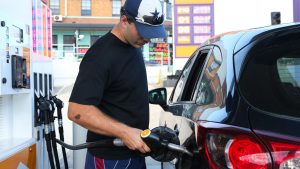
The surge in fuel prices is reaching alarming levels, with the average price of unleaded petrol in Sydney, Melbourne, and Brisbane soaring past the $2 per litre mark last week. Reports are now emerging of some locations charging as much as $3 per litre. This dramatic price increase has drawn criticism, with NRMA spokesperson Peter Khoury issuing a stern warning to oil companies, asserting that the conflict in the Middle East should not serve as a pretext for artificially inflating prices. Australian oil companies have faced accusations of profiteering from the ongoing situation in Iran.
Farmers on the Brink: A Looming Crisis
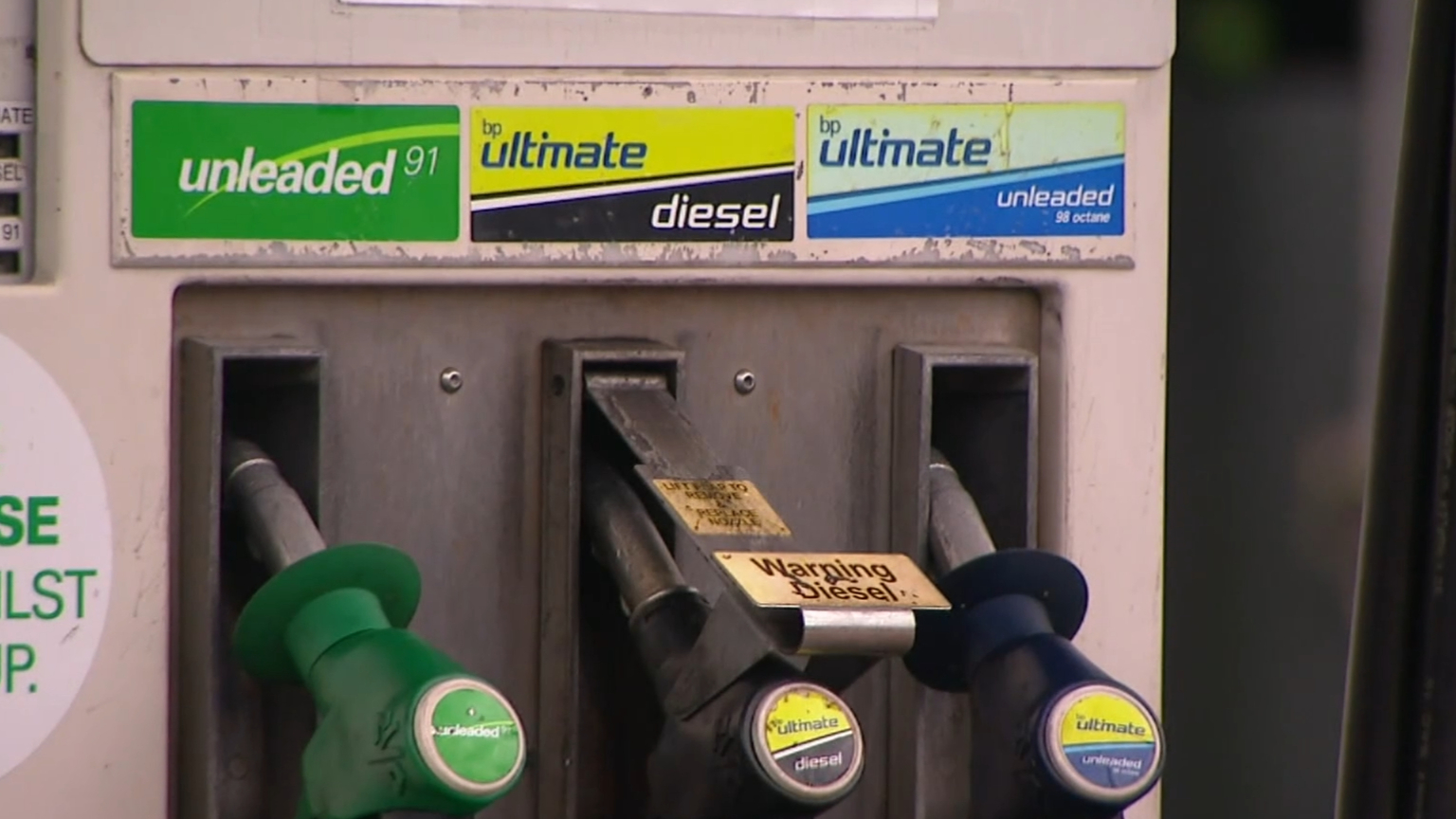
While everyday Australians grapple with the rising cost of filling their tanks, the nation’s farmers are facing a more dire reality. Many are reporting critically low levels of diesel, a vital resource for their operations. Nationals Leader David Littleproud voiced these concerns, highlighting the critical situation: “Australians should understand that while they can go to the servo and fill up, our farmers aren’t getting their supplies.” He stressed the potential consequences, stating, “If they run out, they can’t produce your food and fibre.”
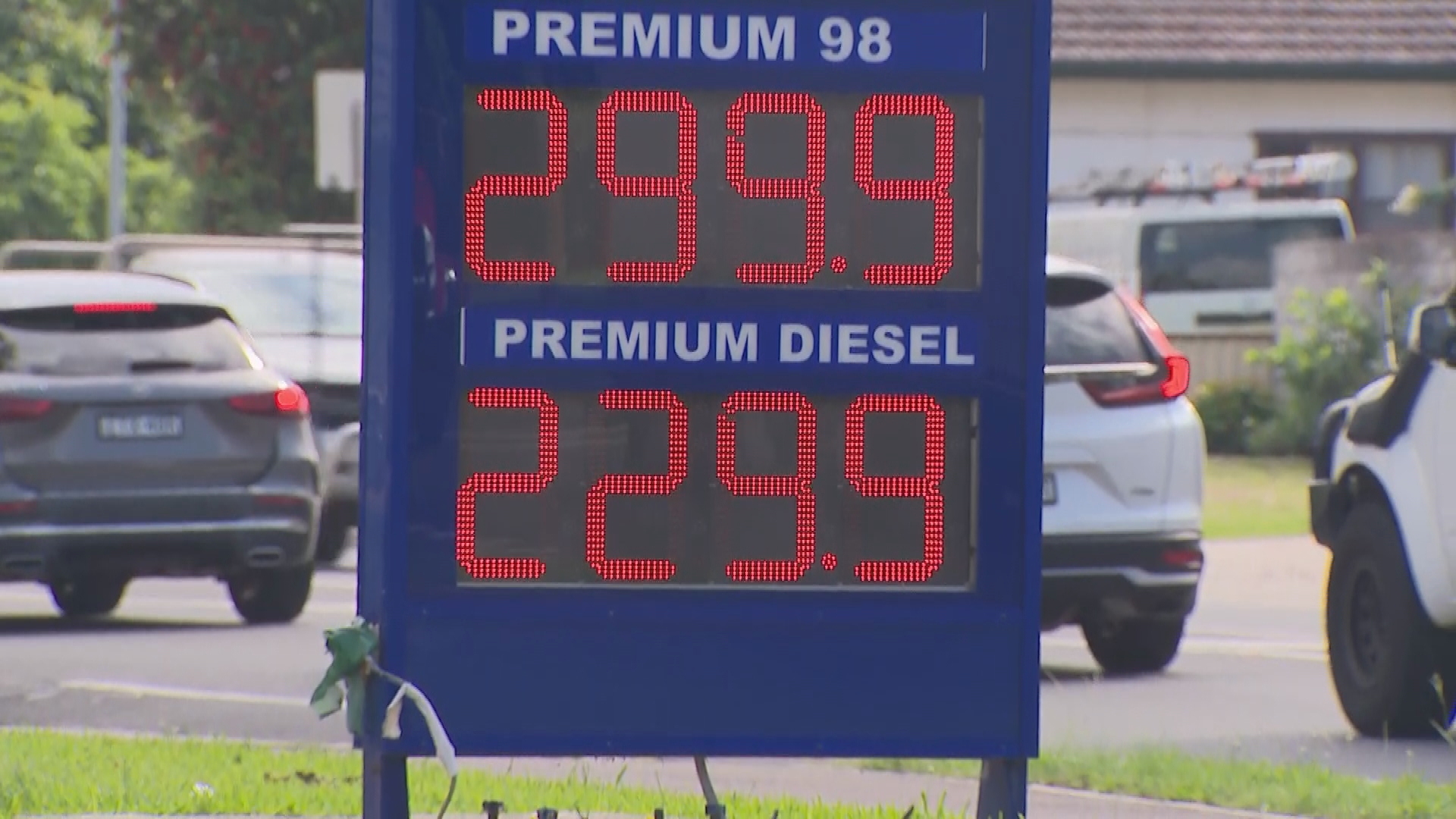
The current global oil supply chain disruptions, particularly with limited shipments traversing the Strait of Hormuz, are forcing some major refiners to prioritise retail bowsers over wholesale deliveries to essential sectors like agriculture. This strategic shift means that farms, which rely on bulk diesel deliveries, are being sidelined.
Calls for Government Intervention
In response to this escalating crisis, the opposition has formally written to the government, seeking assistance in monitoring fuel prices and ensuring that farmers receive the necessary supplies. The urgency of the situation underscores the interconnectedness of Australia’s economy, where disruptions in one sector can have far-reaching impacts on others.
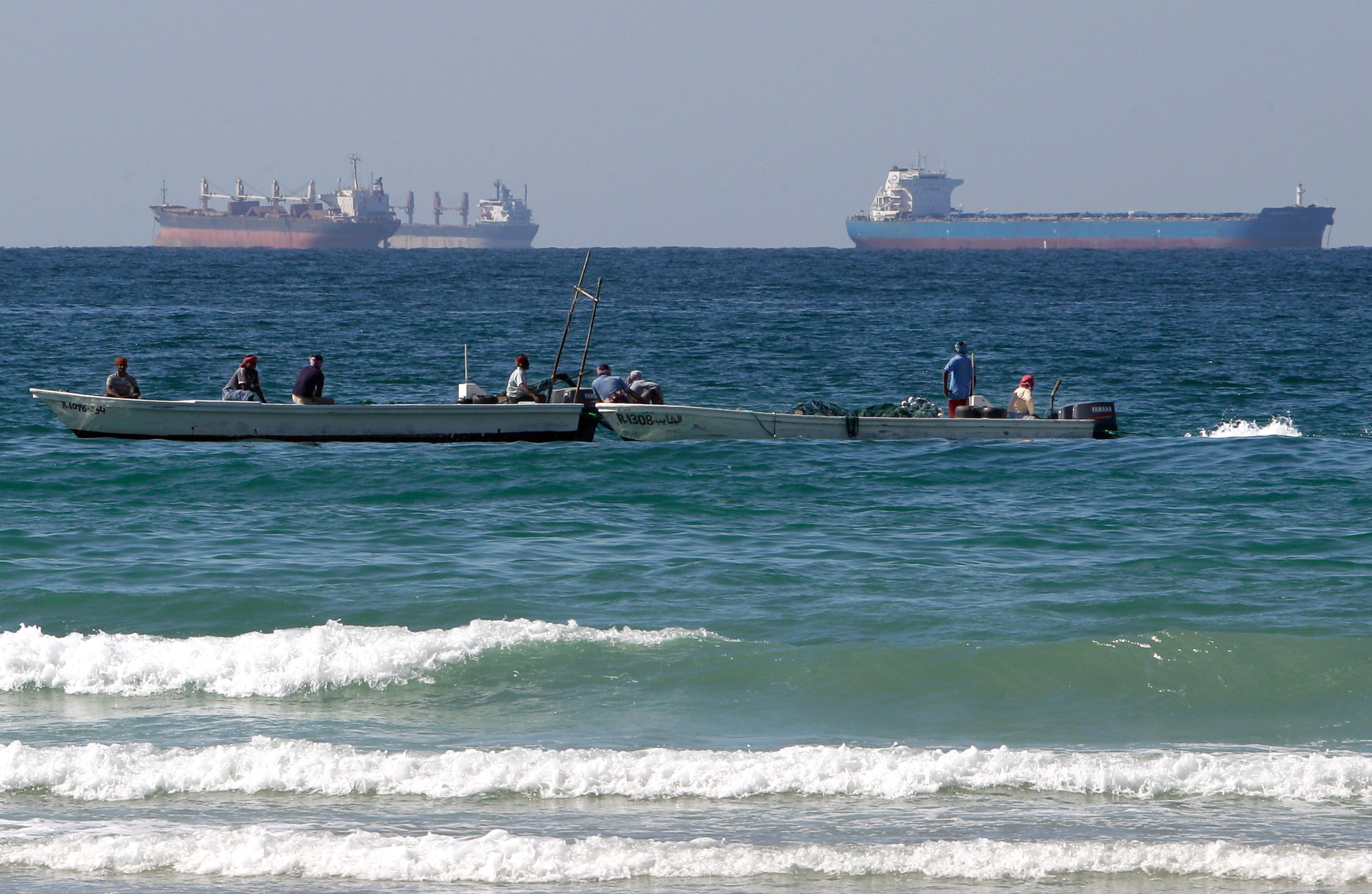
The current scenario serves as a stark reminder of the fragility of global supply chains and the critical importance of ensuring domestic access to essential resources. As Australians navigate the challenges of high fuel prices, the plight of the farming community highlights the need for proactive measures and robust support systems to safeguard the nation’s food security and economic stability.
- Key Concerns:
- Rising petrol prices impacting household budgets.
- Potential for widespread fuel shortages.
- Critical diesel shortages affecting agricultural output.
- Concerns of profiteering by oil companies.
- Government Action Sought:
- Monitoring of fuel prices to prevent exploitation.
- Prioritisation of fuel supplies for the agricultural sector.
The coming weeks will be crucial as the nation watches to see how effectively these challenges are addressed and whether the necessary steps are taken to avert a full-blown fuel crisis.