
Petrol Prices Drop as Diesel Prices Rise
The price of petrol in Australia has seen a notable decline, with an average reduction of 13.3 cents per litre across the country over the past week. This drop follows a series of government measures aimed at easing the financial burden on consumers.
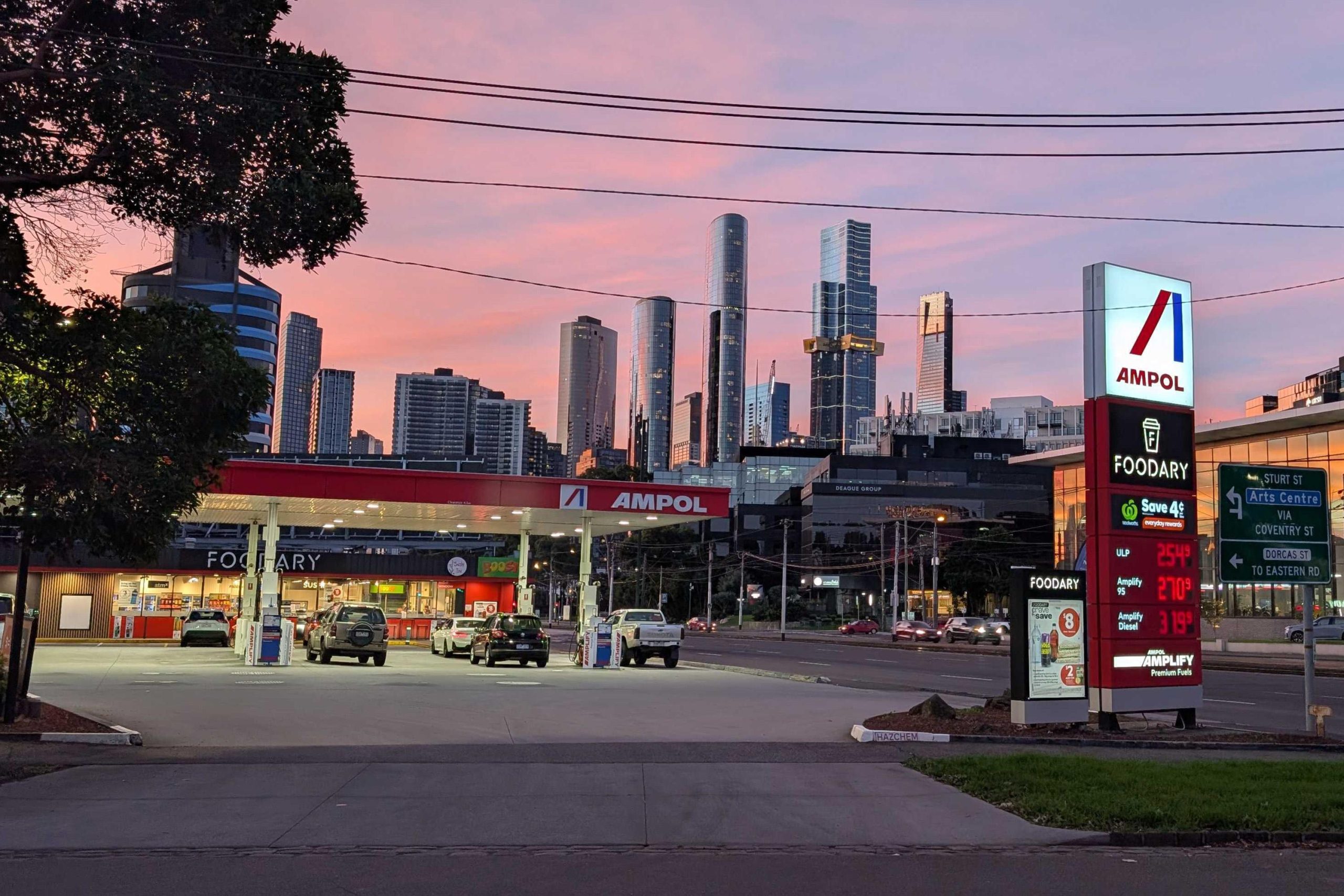
According to the Australian Institute of Petroleum (AIP), the national average price of petrol for the week ending on Easter Sunday (April 5) was 240.1 cents per litre (cpl), down from 253.4 cpl the previous week. In capital cities, the average petrol price fell by 14.9 cpl, from a record high of 252.9 cpl to 238.3 cpl.
This decrease is largely attributed to the federal government’s fuel excise cut, which came into effect on April 1 and reduced the tax by 26.3 cpl. A further reduction of 5.7 cpl was announced by states and territories on April 2. These measures have provided some relief to drivers, although the overall cost of fuel remains a concern for many Australians.
Despite the drop in petrol prices, diesel prices have continued to rise. The national average for diesel increased from 310.0 cpl to 312.7 cpl over the same period. In metropolitan areas, diesel prices climbed by 1.6 cpl to 310.3 cpl, while regional areas saw a larger increase of 3.5 cpl, pushing the national regional average to 314.6 cpl.
The federal government has also taken steps to ease the impact of rising fuel costs. It has paused the heavy vehicle road user charge – previously 32.4 cpl – for vehicles with a gross vehicle mass (GVM) above 4.5 tonnes until June 30, 2026. This measure is expected to provide some relief to transport operators who are facing higher operating costs due to increased diesel prices.
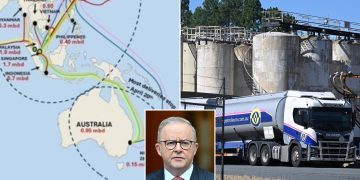
Fuel availability has improved in recent weeks, with the number of service stations without petrol or diesel falling from more than 800 sites to fewer than 600 last week, according to The Guardian.
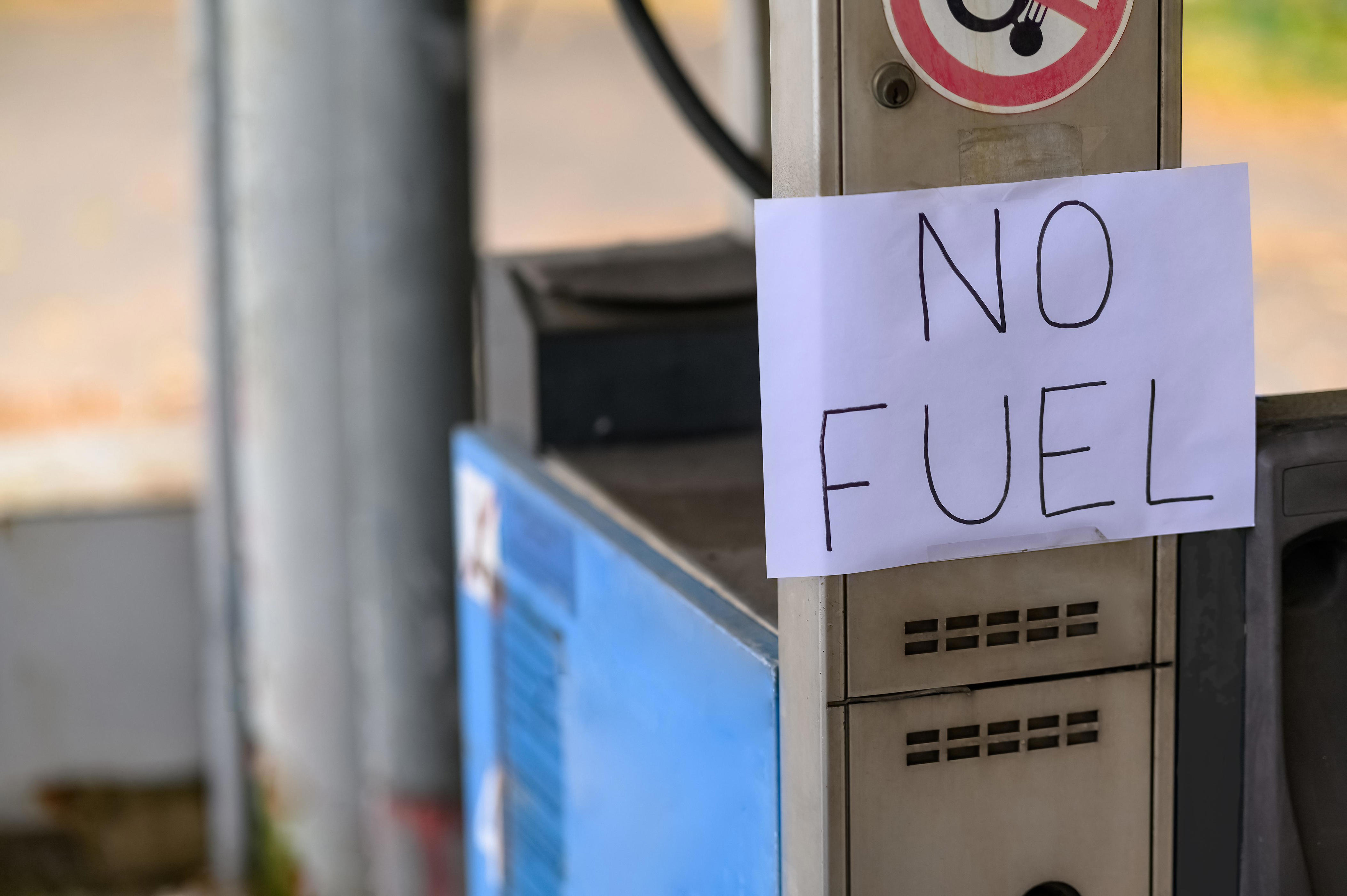
Federal energy minister Chris Bowen reported that 3.4 per cent of service stations nationwide had run out of diesel completely, including 142 sites in New South Wales, 51 in Victoria, and 38 in Queensland.
Speaking on ABC News Breakfast today, Attorney-General Michelle Rowland stated that Australia currently has 39 days of petrol, 29 days of diesel, and 30 days of jet fuel in reserve. When asked whether fuel rationing was being considered, she said: “We are not considering that. Our focus is on supply. We previously had security of supply until April. That has now been extended to May. We continue to engage with our international partners, including Singapore and Japan, to ensure those shipments continue to arrive.”
Key Developments in Fuel Prices
- Petrol Price Reduction: The national average petrol price dropped by 13.3 cents per litre over the past week.
- Diesel Price Increase: Despite the drop in petrol, diesel prices rose by 2.7 cents per litre nationally.
- Government Measures: The federal government introduced a fuel excise cut and paused the heavy vehicle road user charge to support the transport sector.
- Fuel Availability: The number of service stations without fuel decreased significantly, indicating improved supply.
- Reserve Levels: Australia has sufficient fuel reserves to cover several weeks of demand, with no plans for rationing at this time.
These developments highlight the ongoing efforts to manage fuel prices and availability across the country. While the drop in petrol prices offers some relief, the continued rise in diesel costs remains a challenge for many Australians.