Cuba Faces Extended Jet Fuel Crisis Amidst US Sanctions
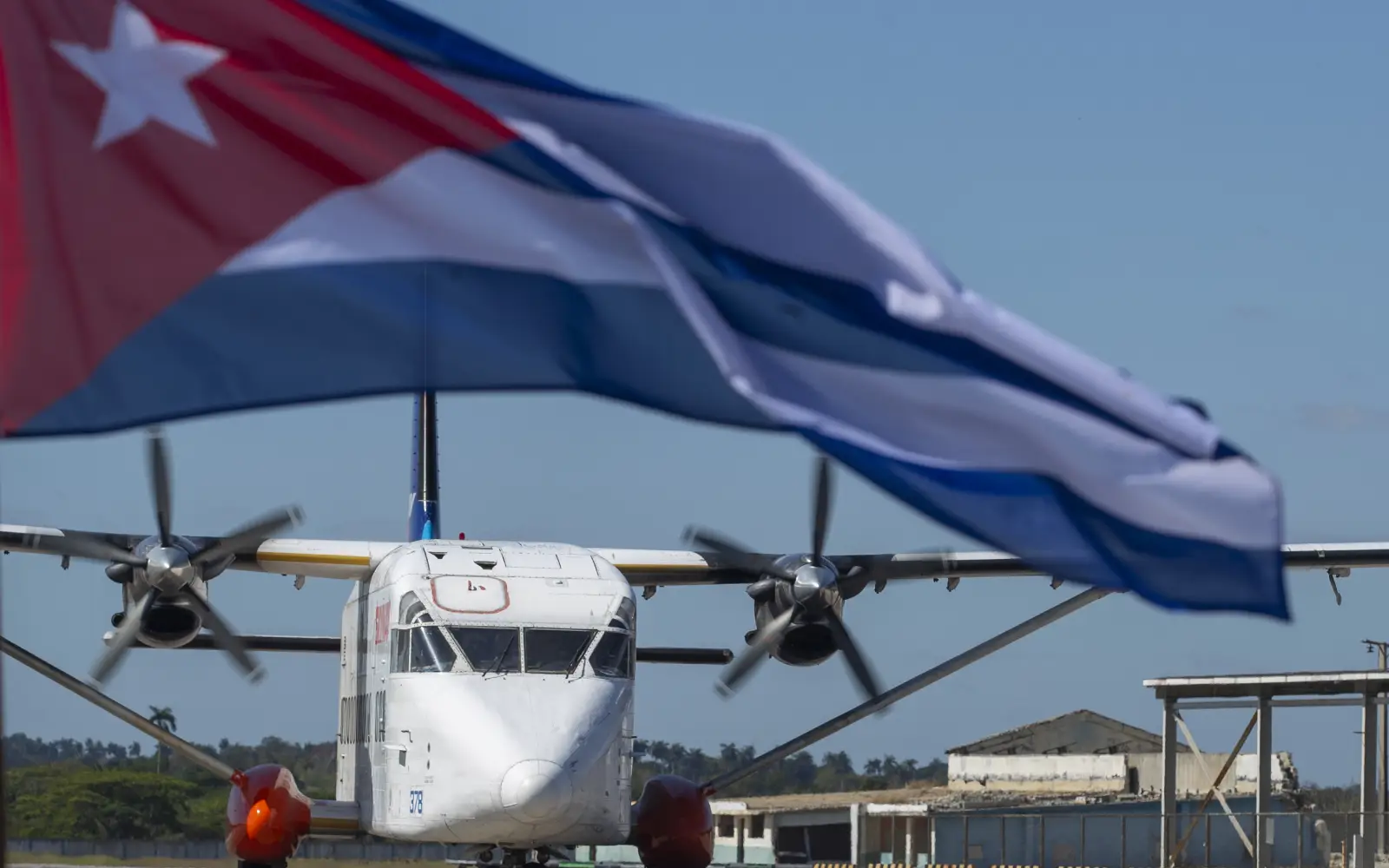
A critical shortage of jet fuel is set to persist in Cuba until April 10, impacting airlines and the nation’s vital tourism industry. Aviation authorities in Havana have informed airlines of the extended fuel rationing, a direct consequence of ongoing United States sanctions that have effectively curtailed the island’s energy supplies. This development has already led to significant disruptions, with several airlines ceasing operations to the Caribbean nation altogether. Others are resorting to complex logistical maneuvers, rerouting flights to refuel in alternative locations to maintain service to Cuba.
The current energy squeeze is an escalation of measures implemented by the US, stemming from its involvement in operations related to Venezuela, a primary oil provider for Cuba. Following a US military action that saw the seizure of Venezuelan President Nicolas Maduro, the United States tightened its grip, imposing what is described as a de facto energy embargo. This was further compounded by threats of substantial tariffs against Mexico, another significant energy supplier, should it continue to export energy resources to Cuba.
Cuba has been grappling with a protracted economic crisis for decades, exacerbated by a comprehensive US trade embargo in place since 1962. However, the recent and intensified energy blockade is proving particularly damaging to the island’s tourism sector. This industry is a cornerstone of Cuba’s economy, serving as its second-largest generator of foreign currency, trailing only behind its lucrative medical services exports.
US President Donald Trump has openly declared his administration’s objective of achieving “regime change” in Cuba. His administration has not shied away from employing economic leverage, including the threat of tariffs, against any nation that continues to supply oil to the island. Trump has publicly characterized Cuba as being “ready to fall,” underscoring the strategic intent behind these punitive measures.
Impact on Aviation and Tourism
The prolonged jet fuel shortage presents a multifaceted challenge for Cuba. For airlines, it translates into increased operational costs and logistical complexities. The necessity to refuel in other countries means longer flight times, potential delays, and a reduced capacity for carrying passengers and cargo. This, in turn, affects the reliability and attractiveness of Cuba as a travel destination.
The tourism sector, a critical engine for Cuba’s economic recovery and growth, is particularly vulnerable. Reduced flight availability and the potential for travel disruptions can deter tourists who rely on convenient and affordable air travel. With tourism being a primary source of foreign exchange, any significant downturn in this sector has ripple effects throughout the Cuban economy, impacting employment, infrastructure development, and the availability of essential goods and services.
Broader Economic Ramifications
Beyond aviation and tourism, the energy blockade has wider economic implications for Cuba. The nation’s reliance on imported fuel for transportation, industry, and power generation means that any disruption to its supply chain can lead to widespread shortages and increased prices for essential commodities. This further strains an economy already struggling under the weight of existing sanctions and internal challenges.
The international community has often voiced concerns over the extraterritorial impact of US sanctions, highlighting their potential to harm civilian populations and hinder economic development. The current situation in Cuba underscores these concerns, as the energy blockade directly affects the daily lives of its citizens and its ability to engage in international trade and tourism. The extended fuel shortage is a stark reminder of the precarious economic position Cuba finds itself in, caught in the crosshairs of geopolitical tensions and economic warfare.