

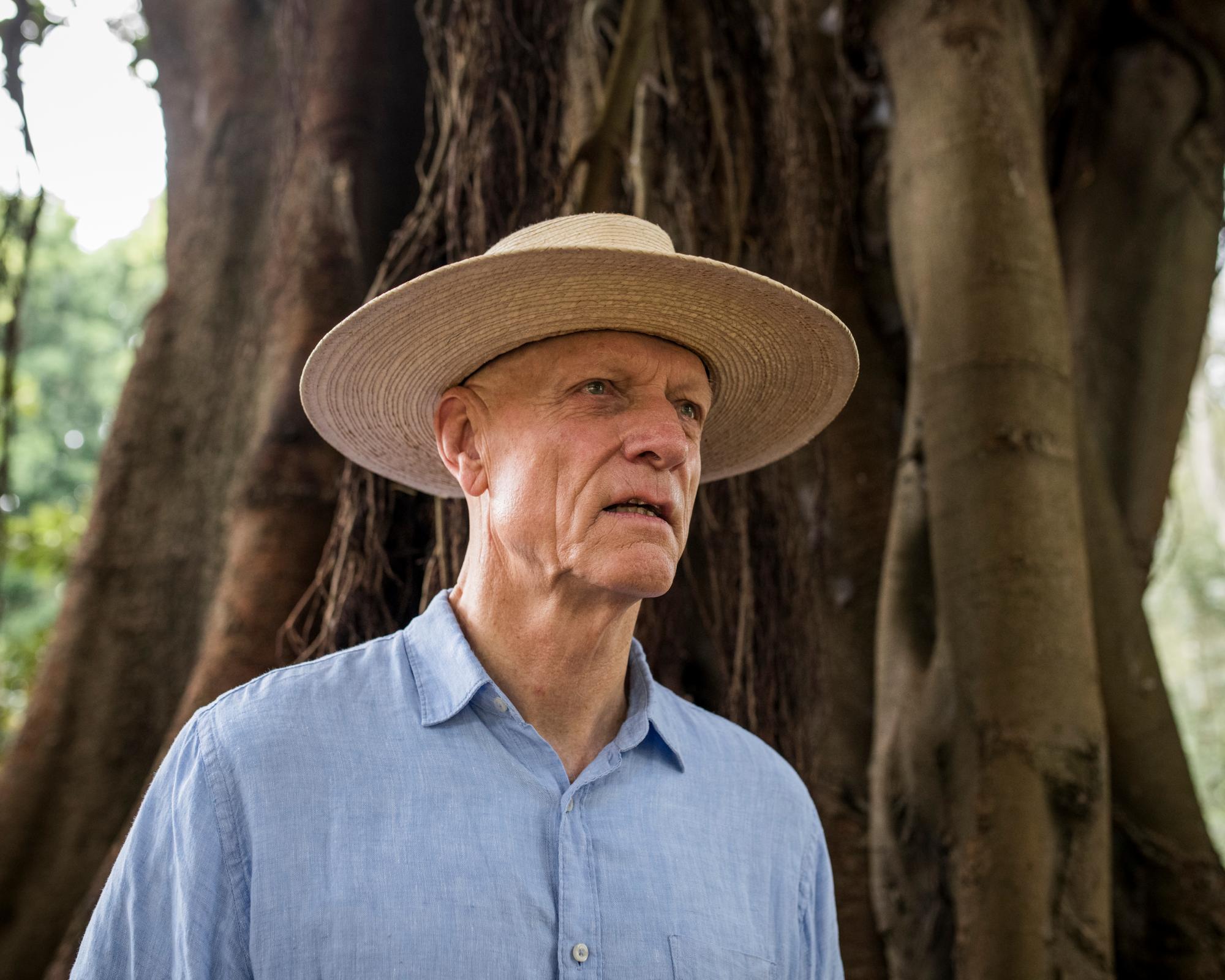
A significant independent inquiry into the Aukus defence pact is set to be led by former environment minister and well-known environmental campaigner, Peter Garrett. This initiative, spearheaded by a coalition of Labor veterans and prominent public figures, has been launched due to widespread concerns that the $368 billion defence plan has not undergone adequate scrutiny.
Garrett, also recognised as the frontman for the iconic band Midnight Oil, will serve as the lead commissioner for this five-month, community-driven investigation. The inquiry is scheduled to commence its work with public hearings and the acceptance of written submissions, with a final report anticipated by October 30.
The Aukus agreement, which facilitates Australia’s acquisition of nuclear-powered submarines in collaboration with the United States and the United Kingdom, was initially negotiated under the previous Morrison government and announced in 2021. A key component of this pact involves Australia funding upgrades to the US defence industrial base. Under the terms, Australia is slated to begin receiving secondhand nuclear submarines from the US in 2032. While the UK parliament conducted a year-long review of the trilateral partnership, and the Pentagon undertook its own inquiry in 2025, some within Australia, including former Prime Minister Paul Keating and various civil society organisations, have voiced strong reservations, arguing that Aukus may not be in the nation’s best interests.
Key Areas of Inquiry for Aukus
Peter Garrett, whose new inquiry is backed by trade unions and a range of non-profit organisations, has outlined the crucial questions the investigation will address:
- Timeliness and Budget: The inquiry will examine whether the nuclear submarines can be delivered according to the projected timelines and within the allocated budget.
- Nuclear Waste Management: A significant concern is how Australia will manage the considerable amount of nuclear waste that will be generated by the submarine fleet.
- Strategic Alignment: The investigation will assess whether Australia’s defence and strategic interests are genuinely and effectively served by the Aukus deal.
Garrett has been a vocal critic of Aukus, previously describing the plan as “stinking” and “the most costly and risky action ever taken by any Australian government.” He has expressed his belief that this community-led inquiry is essentially fulfilling the role that a proper parliamentary inquiry should have undertaken.
“How is it that there’s been inquiries about the submarine program in other countries and we haven’t had a full parliamentary inquiry here?” Garrett questioned, highlighting a perceived lack of comprehensive parliamentary oversight in Australia.
A dedicated group of commissioners is set to be appointed to lead the inquiry, which is being convened under the umbrella of the Australian Peace and Security Forum.
Broader Geopolitical and Environmental Considerations
The deliberations of the inquiry will critically consider the evolving geopolitical landscape, particularly the rise of China and the potential for increased conflict in the Indo-Pacific region. Beyond strategic and defence implications, the terms of reference also encompass:
- Nuclear Non-Proliferation: The inquiry will scrutinise the implications of the deal for global nuclear non-proliferation efforts.
- Employment Impacts: The potential effects on Australian jobs and the defence industry will be a key focus.
- Environmental Consequences: The environmental risks associated with nuclear technology and waste will be thoroughly examined.
Recent Developments and Funding Concerns
Despite the Albanese government’s expressed confidence in the Aukus pact since its election in 2022, recent announcements have introduced new considerations. Defence Minister Richard Marles revealed that Australia would acquire three secondhand American Virginia-class submarines, rather than the initially planned at least one brand-new vessel. This shift, announced after discussions with his US counterpart, was attributed to a desire for “simplicity” and not to production challenges faced by the US Navy.
While Marles conceded that the overall cost would not fundamentally change, he acknowledged that operating two different models of American-made submarines would introduce greater complexity and expense. The government’s preferred metric for the total cost of the deal remains 0.15% of GDP over its projected lifetime.
The first of these secondhand Virginia-class nuclear submarines is expected to arrive in Australia in 2032, with subsequent arrivals occurring every four years. This precedes the introduction of the Australian-built SSN Aukus model, which is slated for operational readiness in 2042.
A significant unresolved issue remains the absence of a identified permanent storage site for the nuclear waste generated by the submarine fleet. This includes high-level radioactive waste from reactor cores and spent fuel, which will retain its toxicity for millennia. In 2023, Marles committed to publicly outlining a process for identifying a waste site within 12 months. However, to date, no concrete plan or specific site has been identified.
Infrastructure and Capability Gaps
In preparation for the Aukus submarines, US and UK nuclear-powered submarines are scheduled to commence rotational visits to HMAS Stirling in Western Australia as early as 2027. Plans are also in place for the construction of an east coast base. To bridge any potential capability gaps before the Aukus fleet becomes fully operational, Australia is extending the service life of its current 30-year-old Collins-class submarines by an additional decade.
Furthermore, under the second pillar of the Aukus agreement, which focuses on advanced capabilities, Marles has announced plans for collaborative development of new weapons systems and sensors for underwater drones. These systems are intended to enhance the protection of undersea cables, conduct surveillance operations, and potentially strike enemy targets.


