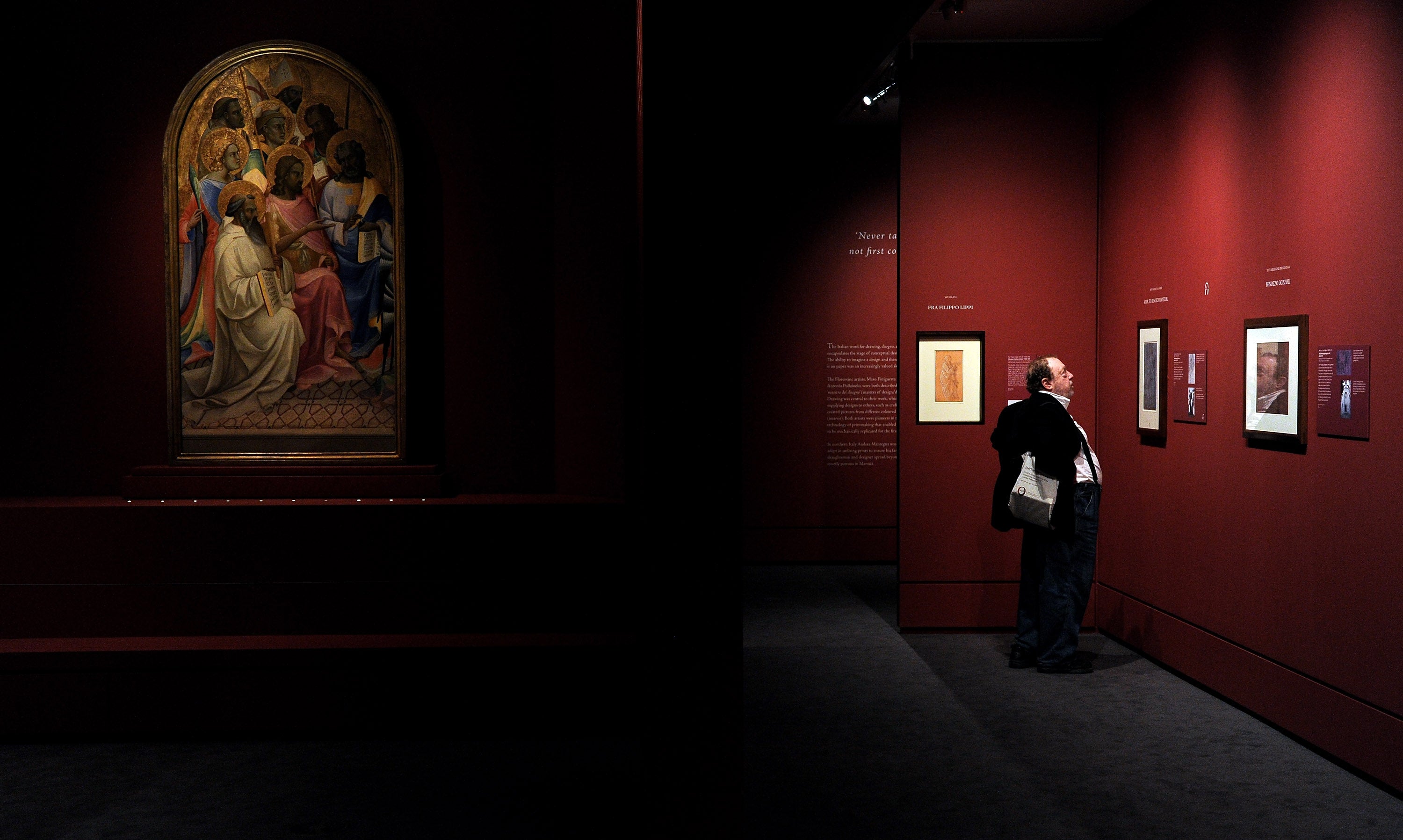
The Bich family, heirs to the fortune of the Bic pen empire, are embroiled in a legal battle to recover a 15th-century masterpiece that they claim was stolen over two decades ago. The painting, titled “Saint Sixtus” by the renowned Renaissance artist Fra Angelico, is at the center of the dispute, with the family alleging that it was taken by their former chauffeur and later sold through a series of questionable transactions.
The artwork, believed to be one of the last works created by Fra Angelico before his death in 1455, was originally part of a triptych. The other panel is now housed in the Fogg Art Museum in Cambridge, Massachusetts. The story of “Saint Sixtus” began in 1972 when Marcel Bich, the founder of the Bic company, purchased the painting for £130,000 at Sotheby’s auction house. It remained in the family until it mysteriously disappeared in 2006.
According to court documents, the painting was reportedly stolen by the family’s driver, Roy Morrow, either while it was displayed at the Bich residence or during a move to a new apartment. Despite the loss, the family did not publicly announce the disappearance for security reasons. However, the case has resurfaced after the painting was discovered to have been sold to a South American billionaire, Alvaro Saieh, who has refused to return it.
A Complex Legal Battle
The Bich family, represented by attorney Luke Nikas, has filed a lawsuit in New York County Supreme Court seeking the return of “Saint Sixtus” and damages from those involved in its sale. The suit also targets Richard Feigen, an art dealer who acquired the painting from Morrow and later sold it to Saieh for $5.4 million.
The complaint alleges that Feigen acted recklessly by purchasing the painting without proper documentation or proof of ownership. According to the filing, Feigen insured the artwork for $8.5 million, significantly more than the purchase price, suggesting he may have known the painting was stolen but chose to ignore the red flags.
Feigen died in 2021, and his estate is now involved in the legal proceedings. The Bich family is also seeking compensation from Feigen’s widow, Isabelle Harnoncourt-Feigen, and the executor of his estate.
The Legacy of the Bich Family
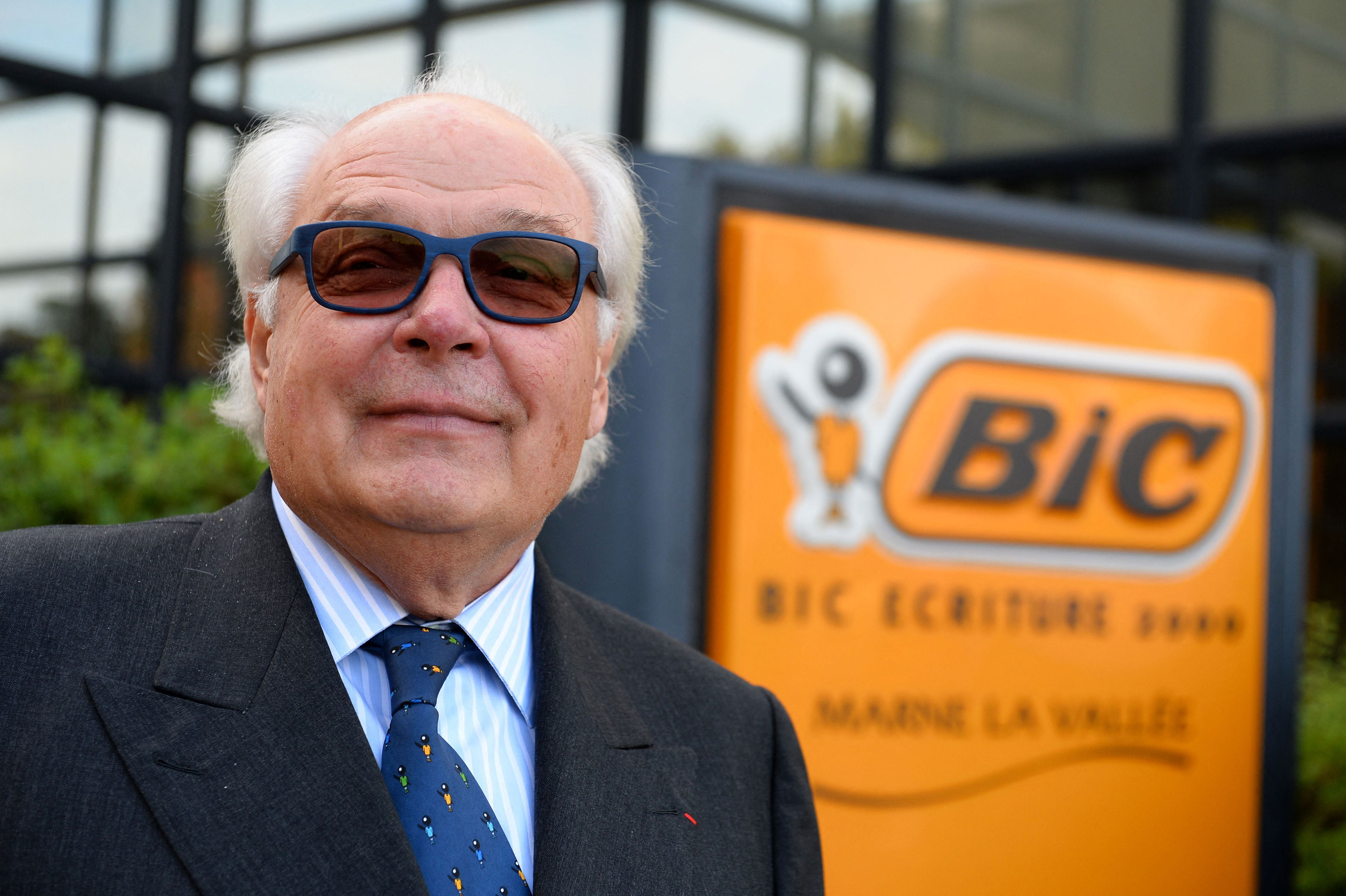
Marcel Bich, the patriarch of the family, was a pioneering entrepreneur whose inventions, including the ballpoint pen, disposable razor, and lighter, revolutionized everyday life. His legacy is reflected in the Bic brand, which remains a household name globally.
After Marcel’s death in 1994, his son Bruno inherited “Saint Sixtus,” placing it in trust for his three sons: Charles, Gonzalve, and Guillaume. The painting remained in the family until its disappearance in 2006. Bruno continued to search for the artwork until his death in 2021, never knowing its whereabouts.
The Bich family has faced other legal challenges in the past, including disputes over the ownership of other artworks and control of the family fortune. These conflicts highlight the complex dynamics within the family and the high stakes involved in their current legal battle.
The Impact of Stolen Art
The case of “Saint Sixtus” underscores the broader issue of stolen art and the challenges faced by victims of theft. Former FBI agent Robert Wittman, who founded the bureau’s Art Crime Team, noted that even good-faith buyers can become victims of art theft. He emphasized the ripple effect of such crimes, where all parties involved—buyers, sellers, and auction houses—are affected.
In this case, the Bich family is seeking justice not only for the loss of their heritage but also for the financial and emotional toll of the theft. They are asking the court to compel Saieh to return the painting, order the Feigen estate to return any profits from the sale, and seek compensatory and punitive damages.
The Road Ahead
As the legal proceedings unfold, the Bich family hopes to reclaim their lost masterpiece and restore their family’s legacy. The case also raises important questions about the responsibility of art dealers and auction houses in ensuring the legitimacy of the artworks they handle.
For now, the fate of “Saint Sixtus” remains uncertain, but the Bich family remains determined to pursue justice. Their story serves as a reminder of the enduring value of art and the lengths to which families will go to protect their cultural heritage.
The Broader Implications
The case of “Saint Sixtus” highlights the complexities of art ownership and the legal challenges that arise when valuable artworks are stolen. It also sheds light on the importance of due diligence in the art market, where the lack of transparency can lead to significant losses for both individuals and institutions.
As the legal battle continues, the Bich family’s fight for their heritage is a testament to the power of perseverance and the deep emotional connection people have to their cultural artifacts. Whether the painting will ultimately be returned remains to be seen, but the case has already sparked important conversations about the ethics of the art world.