The Evolving Canvas: Female Artists Redefining Figurative Art on the Global Stage
As the international art world converges, a new generation of female painters is capturing attention for their innovative approaches to figurative art. These artists are imbuing their work with personal narratives, psychological depth, and striking visual languages that resonate with contemporary audiences. Among them, Brooklyn-based Korean artist Eunnam Hong stands out for her meticulously crafted paintings that explore themes of identity, domesticity, and the performance of self.
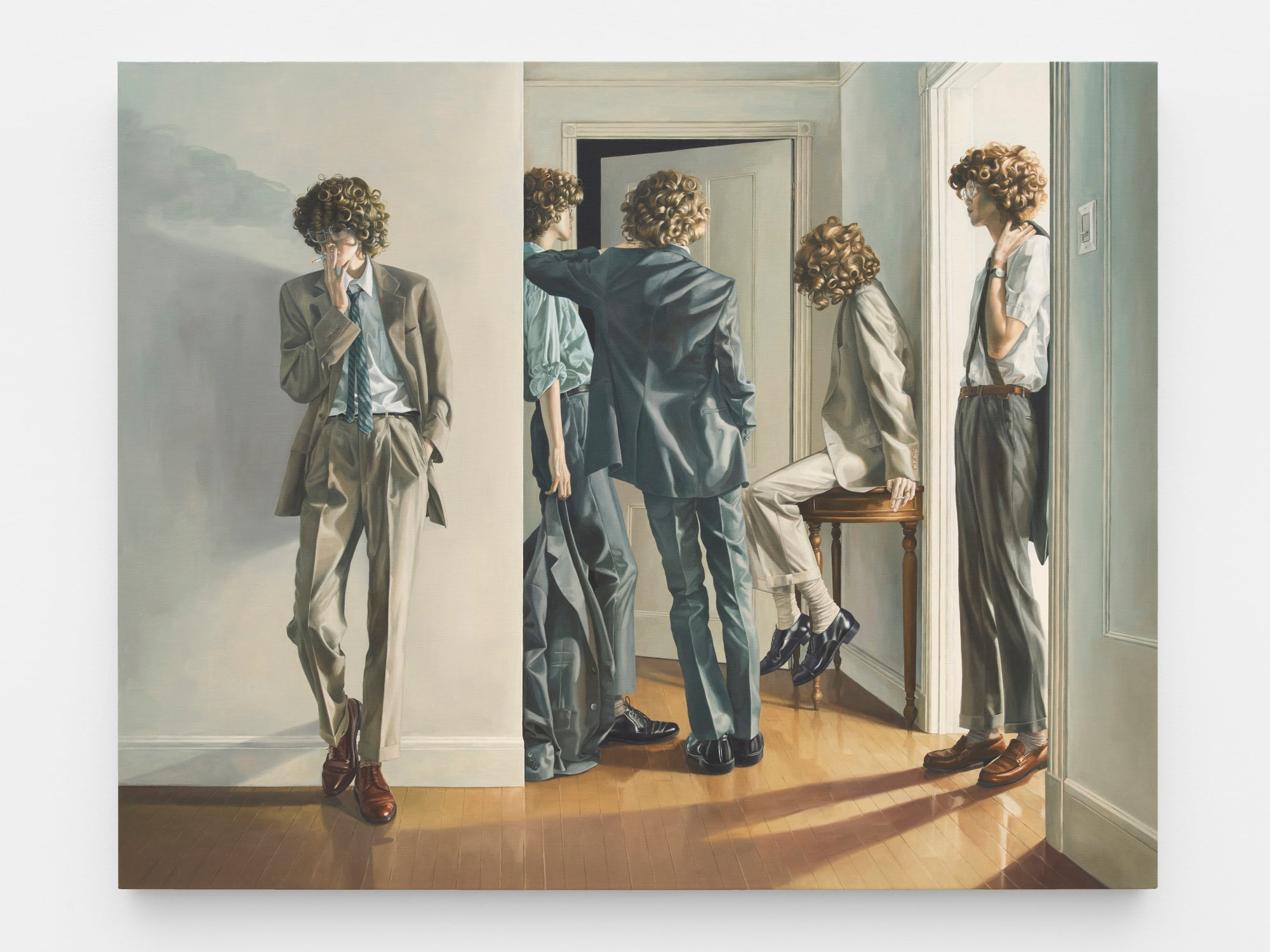
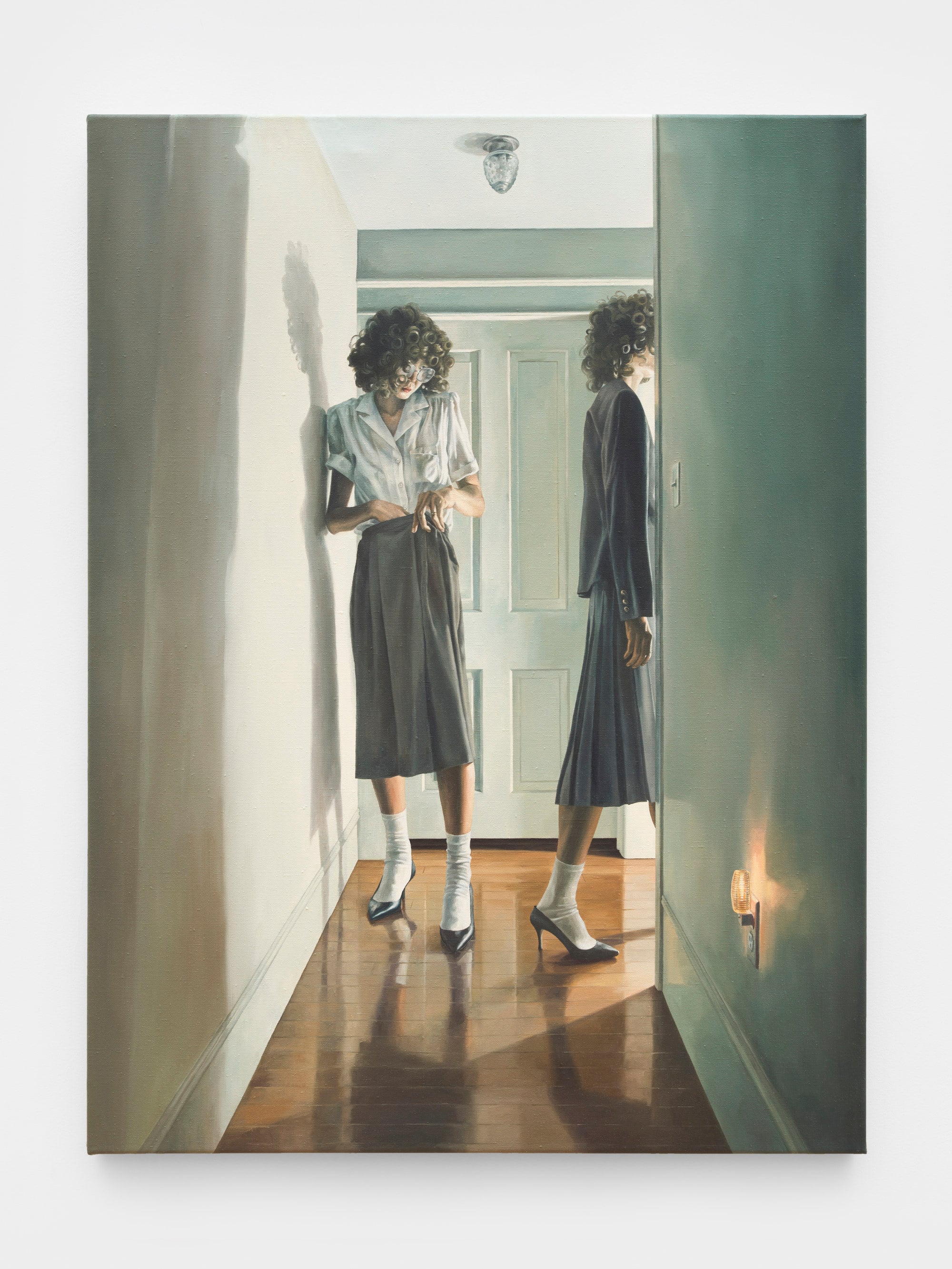
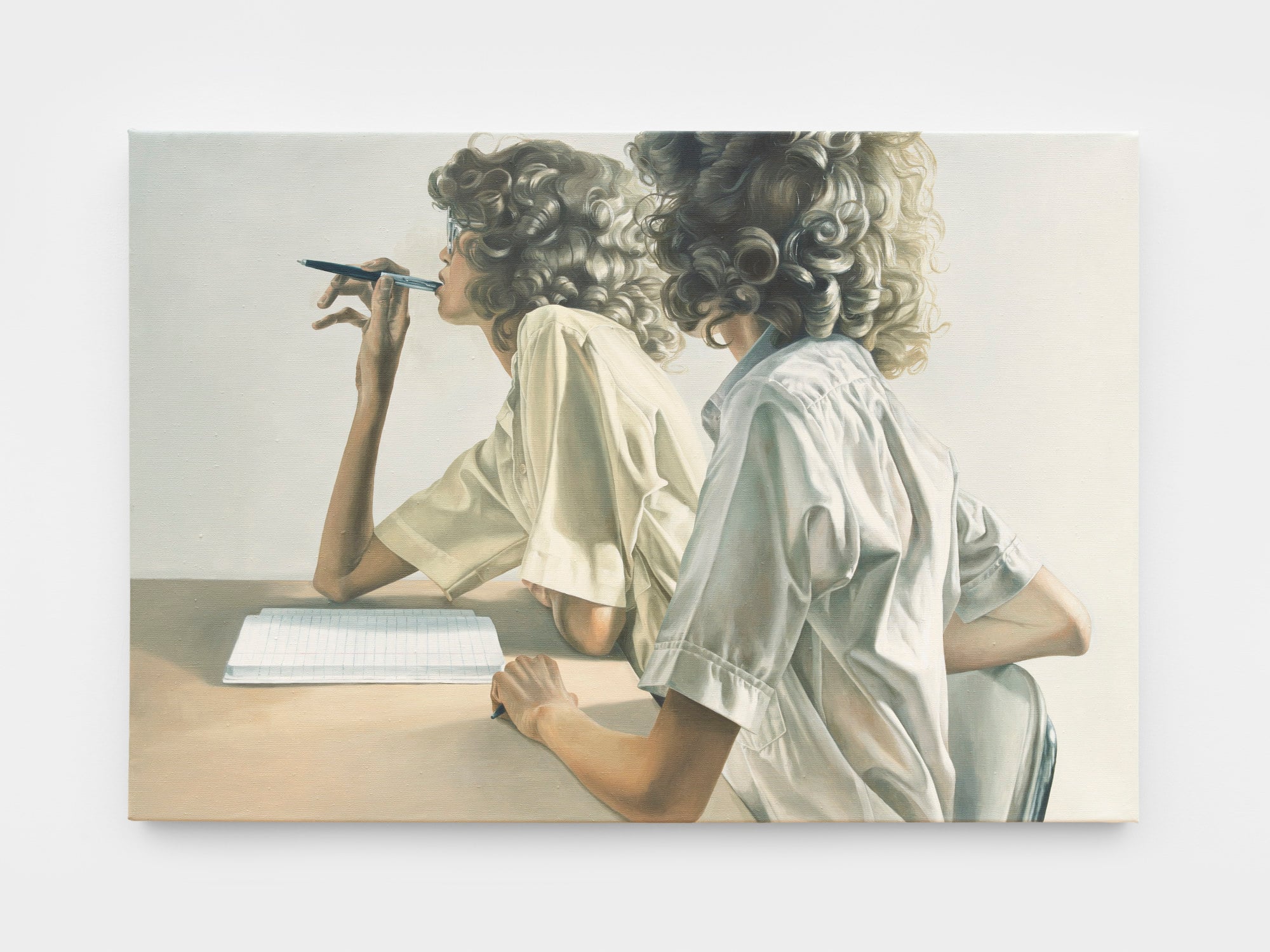
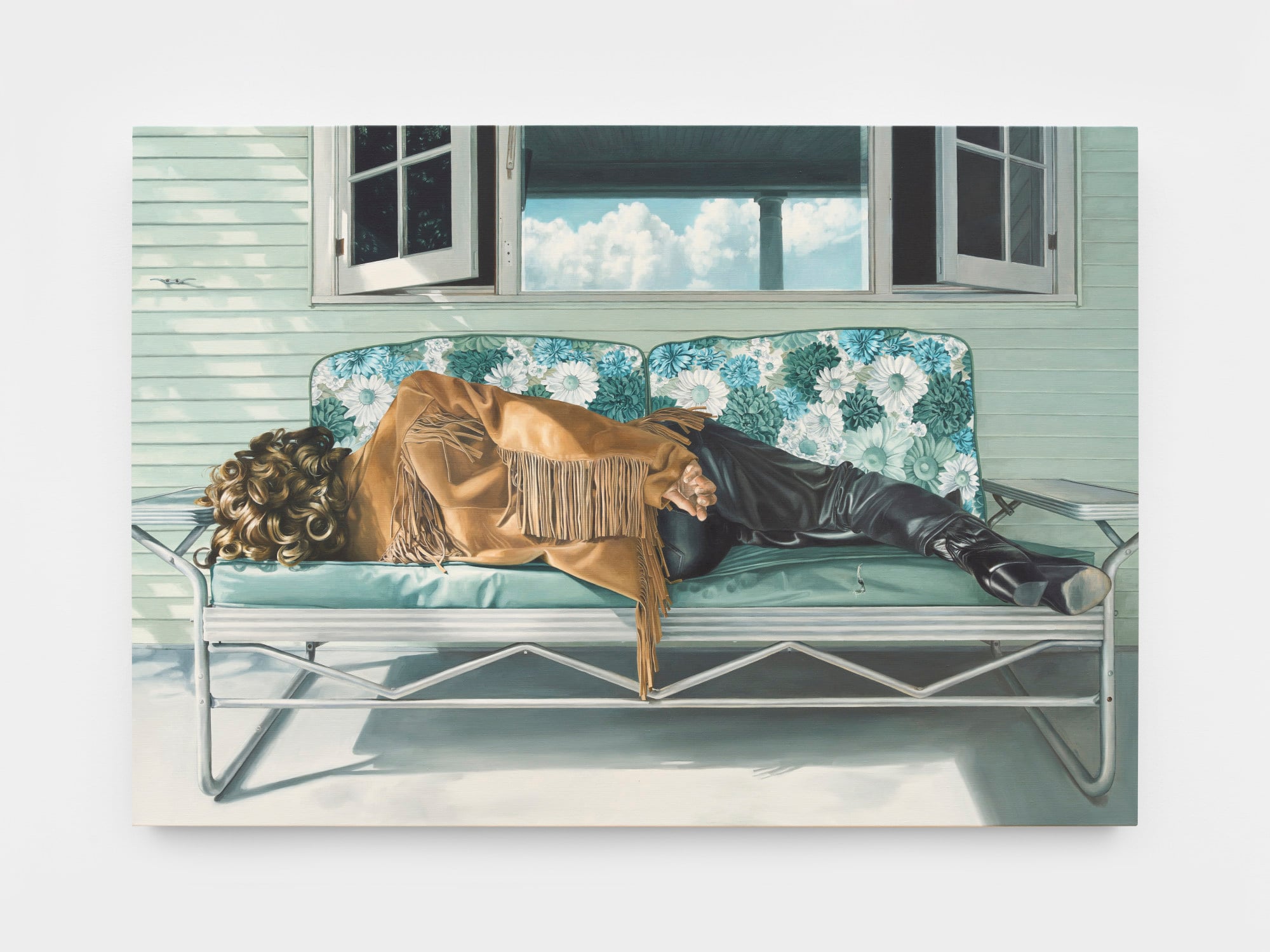
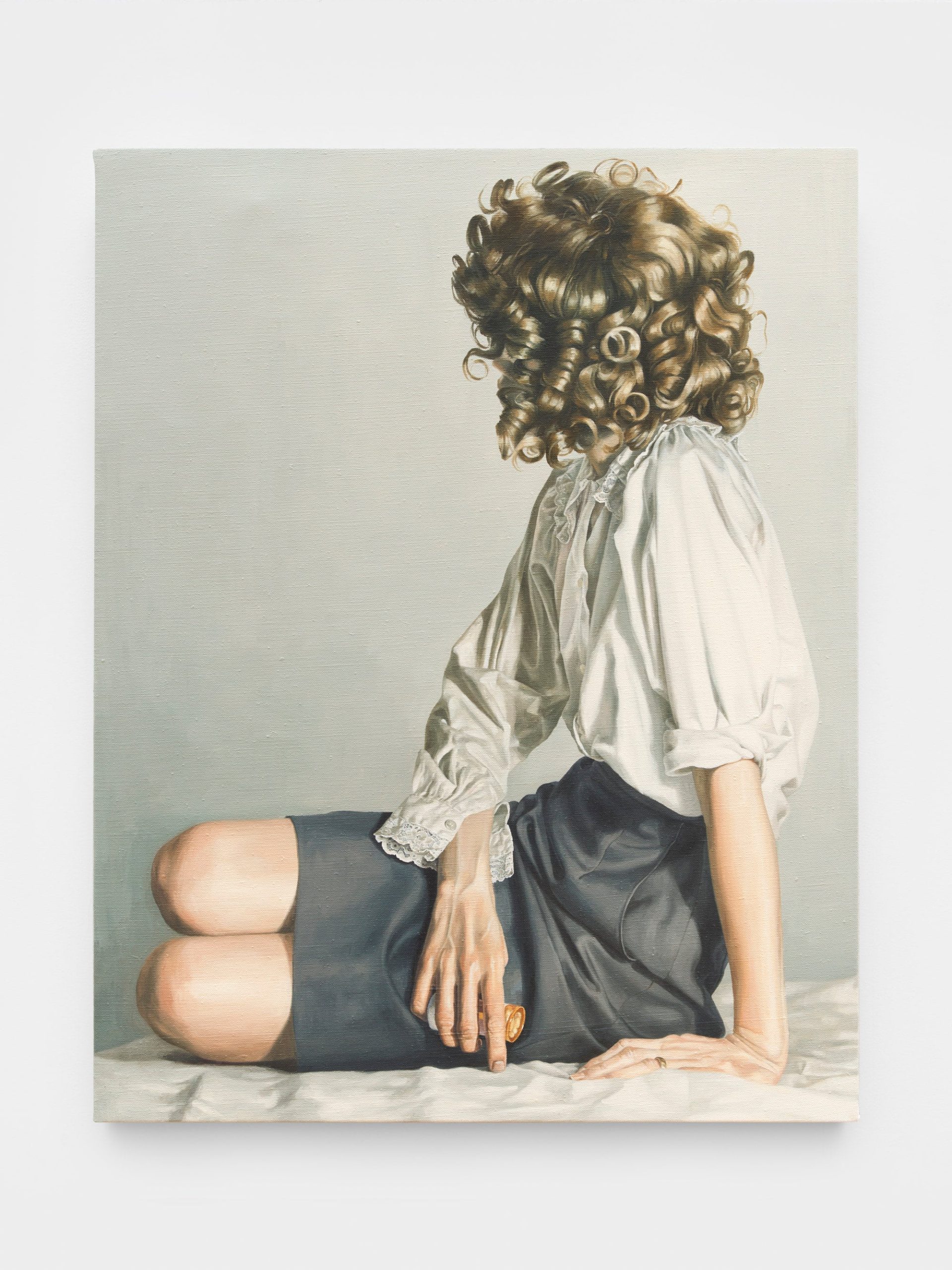
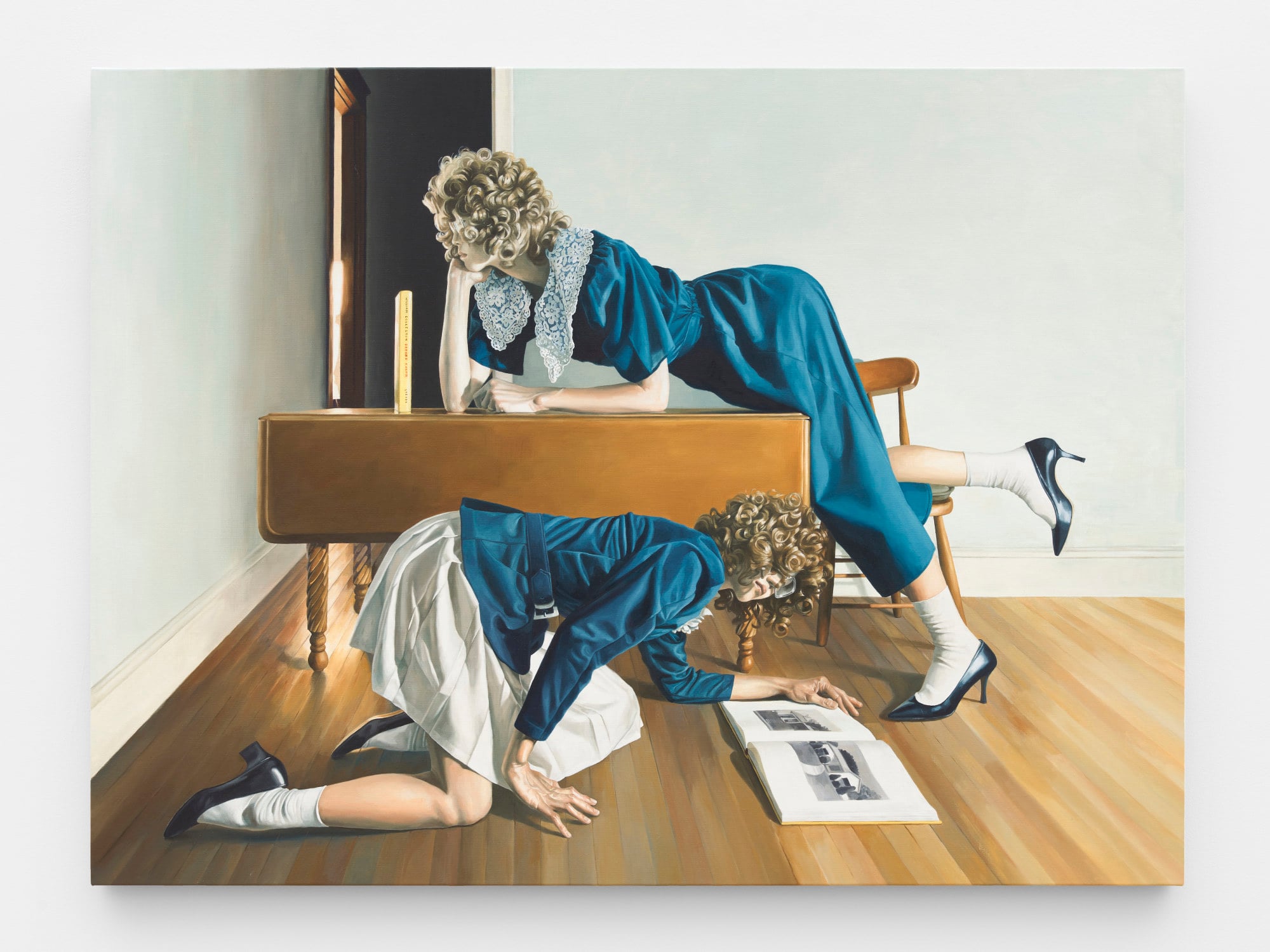
Hong’s distinctive style features a recurring, slender female figure, characterized by a voluminous cascade of curls. This enigmatic subject often appears caught in moments of quiet introspection or stillness, sometimes depicted asleep, other times hunched over a solitary table. In many compositions, multiple iterations of this same figure populate the canvas, creating a sense of multiplicity and internal dialogue.
The artist herself serves as the muse and model for these evocative works. Hong meticulously stages each scene, adopting various personas and costumes before capturing them through photography, which then informs her painting process. Her sartorial choices range from the undeniably feminine, such as a pastel pink dress, to the more assertive, like an edgy leather jacket paired with jeans and gloves, demonstrating a fluid engagement with different aspects of her identity.
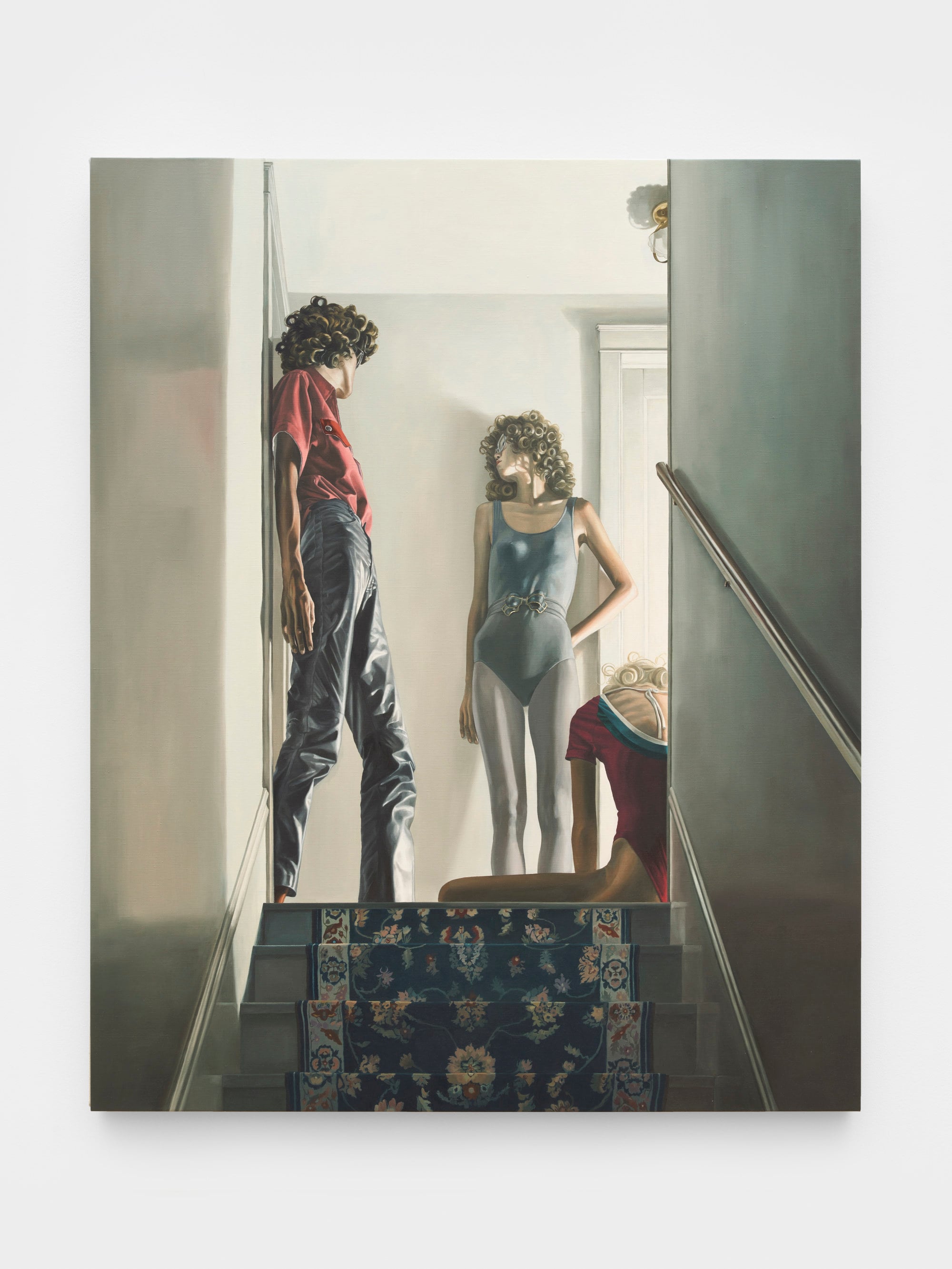
A palpable sense of unease permeates Hong’s imagery. The compositions often feel deliberately staged, bordering on awkward, and the settings are frequently confined. She masterfully employs tightly cropped, cinematic framing, placing her figures within doorways, narrow corridors, and intimate domestic spaces. This deliberate use of confined environments fosters a feeling of claustrophobia, drawing the viewer into the psychological landscape of the subjects.
Born in the Gangwon-do province of northeastern South Korea, Hong’s early exposure to film cultivated a deep appreciation for cinematic storytelling. While her parents initially discouraged a career in fine art, she pursued graphic design and worked as an art director. This professional background provided her with a unique skillset that she later harnessed when she transitioned to painting after a sabbatical in New York.
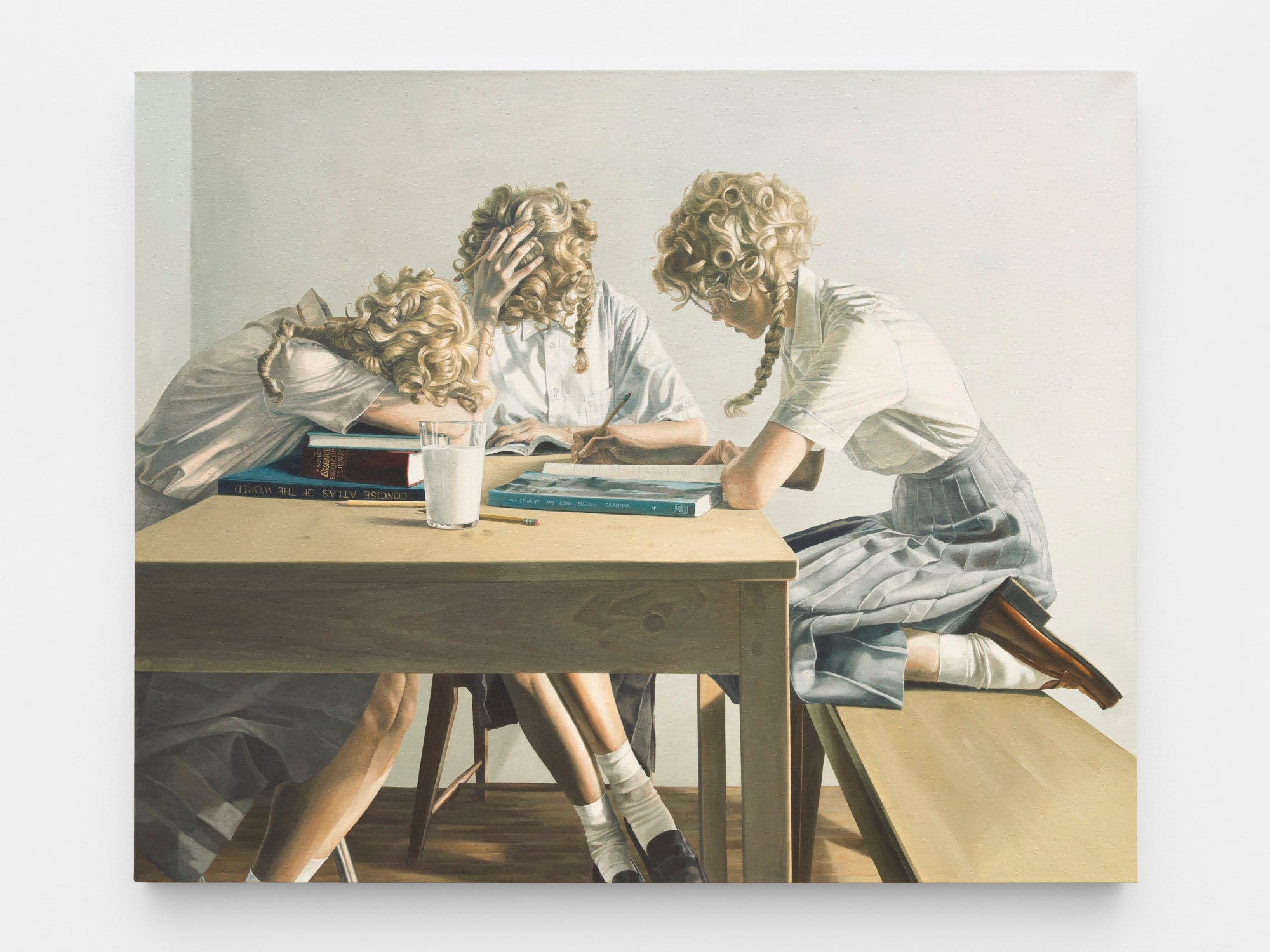
Initially, Hong’s artistic exploration centered on the ideals of beauty, and she was hesitant to paint herself. However, drawing upon her expertise as an art director, she began to transform herself into a multitude of characters, shedding her reluctance and embracing the act of self-representation as a tool for artistic inquiry.
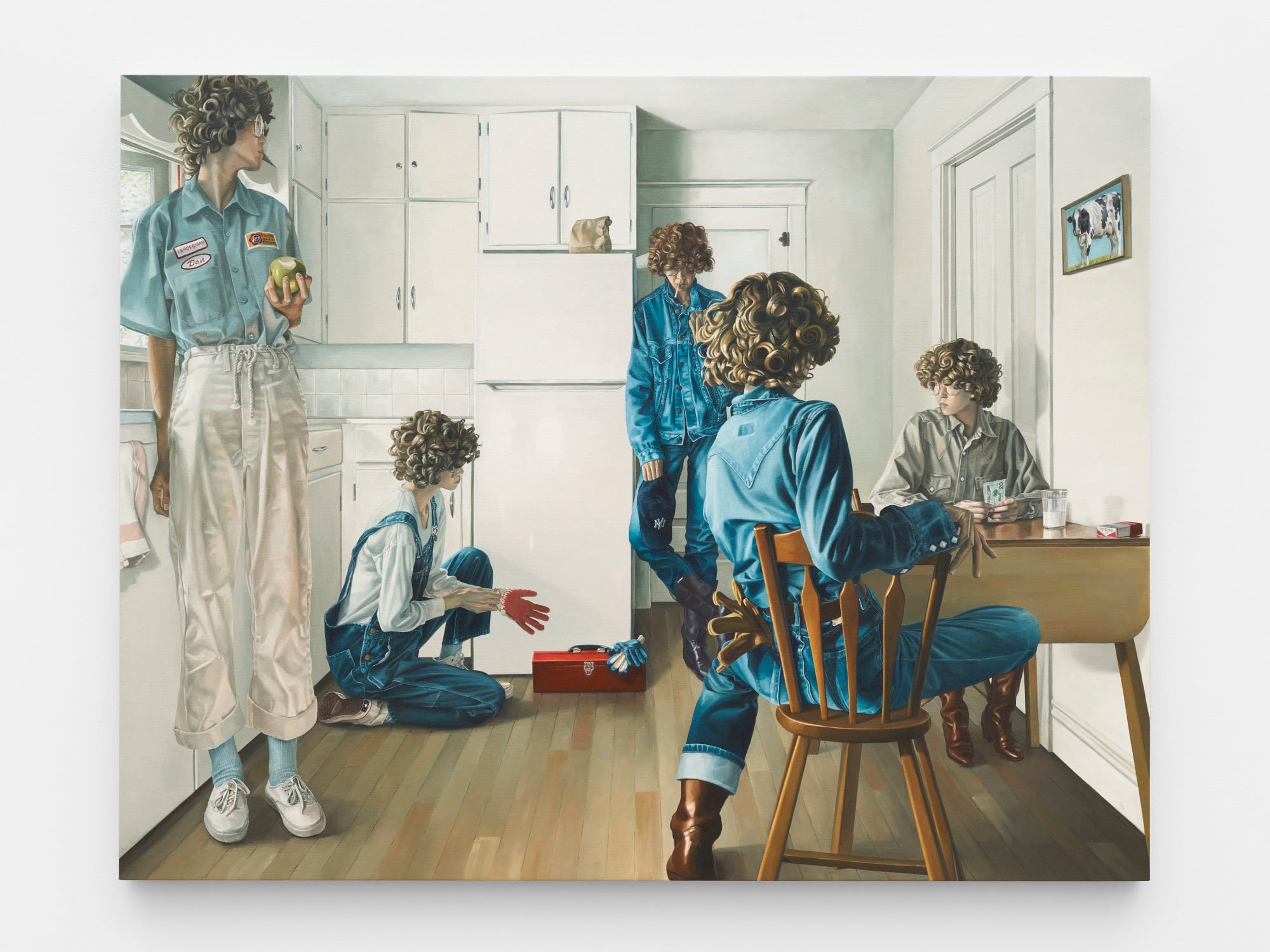
“These characters come from my interior world. I’ve been thinking a lot about the domestic environment and my life over the past decade,” Hong shared in an interview. “There are psychological uniforms that I’ve worn over the years – as an artist, a mother, a wife – in relation to the external world.” This statement underscores the deeply personal and introspective nature of her work, where the painted self becomes a vessel for exploring the multifaceted roles and expectations placed upon individuals, particularly women, within societal structures.
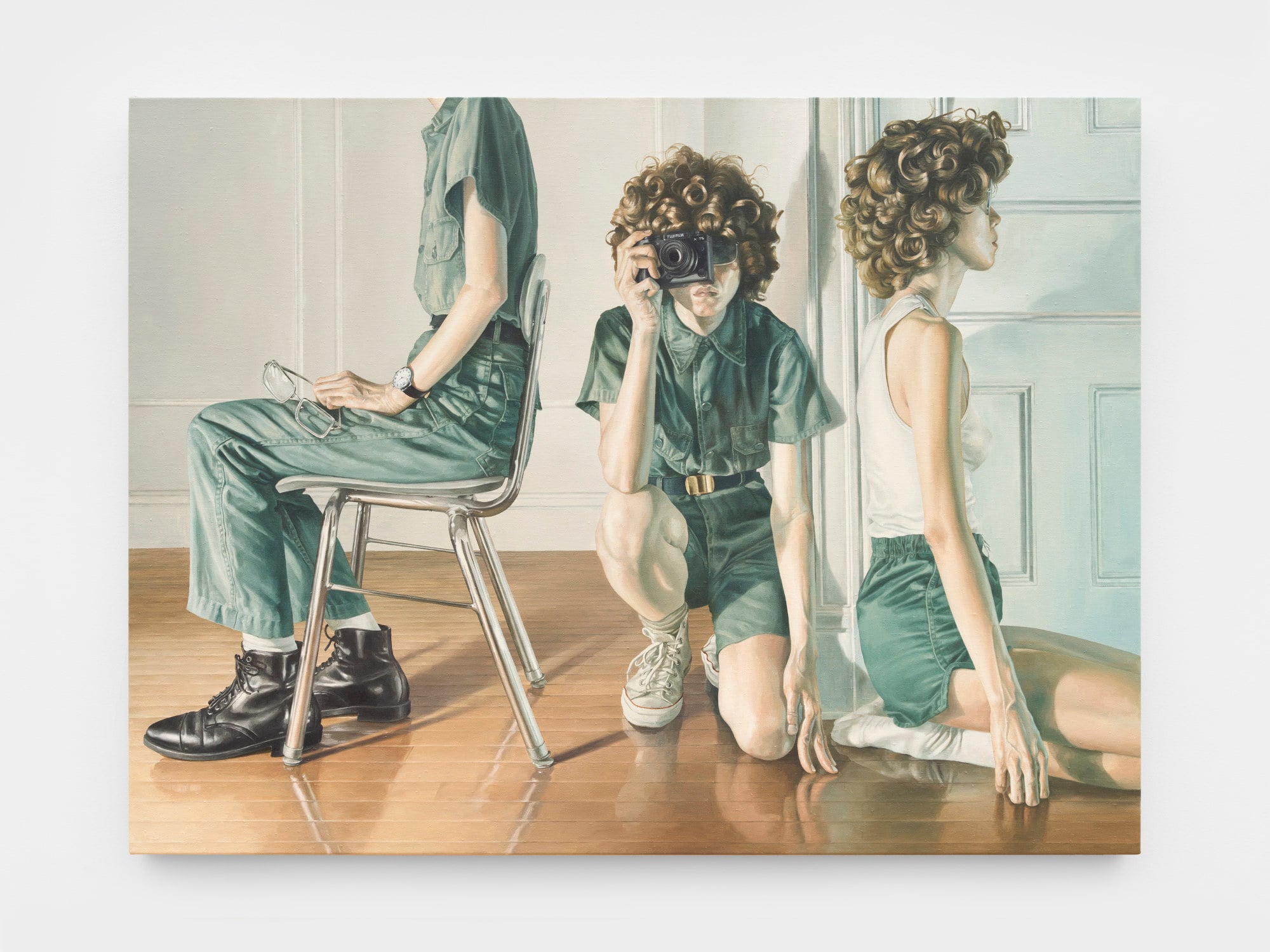
Over time, Hong has consistently returned to self-portraiture, but with an ever-expanding repertoire of guises. Her artistic influences are broad, drawing inspiration from a diverse range of disciplines including film, literature, and art history. She specifically cites the American painter Elizabeth Peyton, renowned for her intimate portraits; the Korean director Hong Sang-soo, known for his distinctive cinematic style; the influential American filmmaker John Cassavetes, a pioneer of independent cinema; and the celebrated Hong Kong director Wong Kar-wai, whose visually lush and emotionally resonant films have captivated audiences worldwide. These diverse inspirations coalesce to inform the rich, layered narratives present in her paintings.