
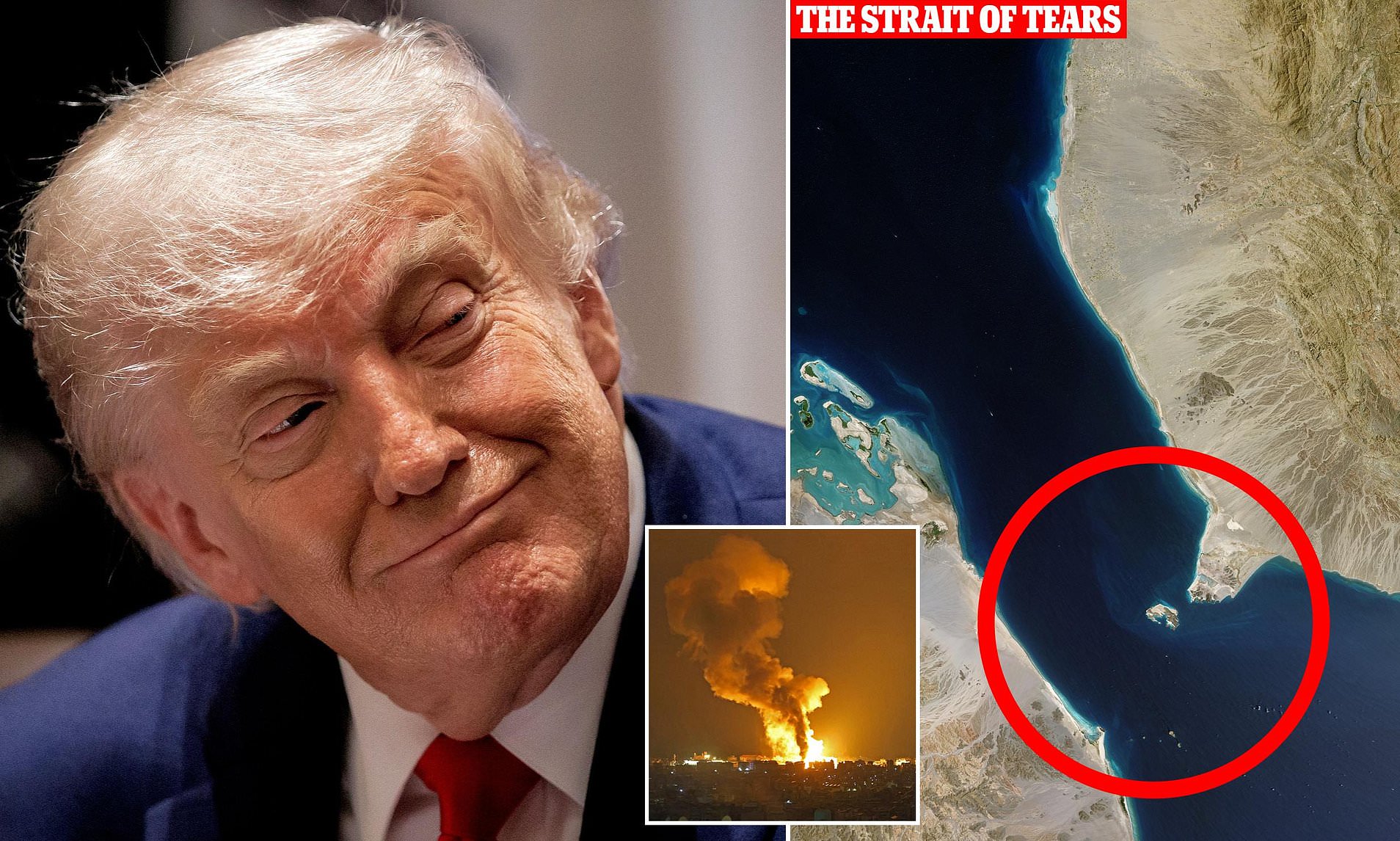
Global Shipping Lanes Under Threat as Iran Escalates Tensions
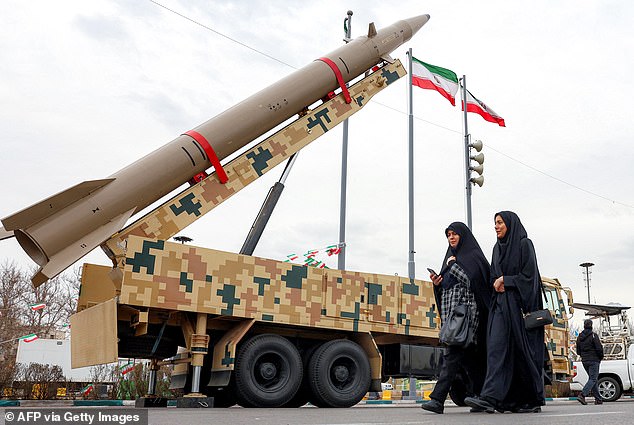
The delicate ceasefire between the United States and Iran is teetering on the brink, with Tehran issuing stark warnings that could plunge the global economy into a severe recession. The Iranian regime has declared a halt to all diplomatic talks with the US, citing Israeli actions in Lebanon as a breach of the existing truce, according to state media reports. This move, if followed through, could see vital international shipping routes threatened, with potentially catastrophic economic consequences.
The Strategic Importance of Key Waterways
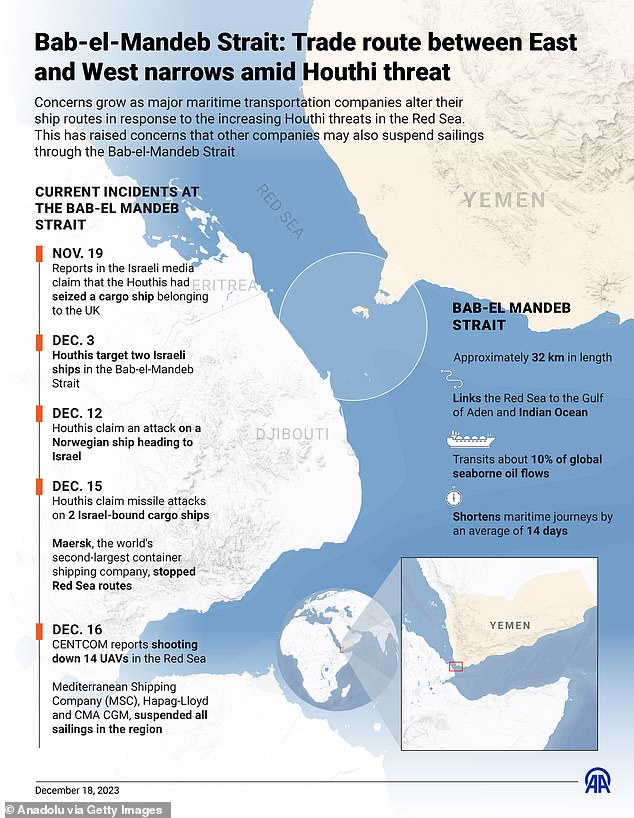
At the heart of the escalating tensions lies the potential closure of two critical maritime chokepoints: the Strait of Hormuz and the Bab el-Mandeb Strait.
- The Strait of Hormuz: This vital passageway is responsible for the transit of approximately one-fifth of the world’s oil supply. Its closure would immediately disrupt global energy markets, leading to significant price hikes and supply shortages.
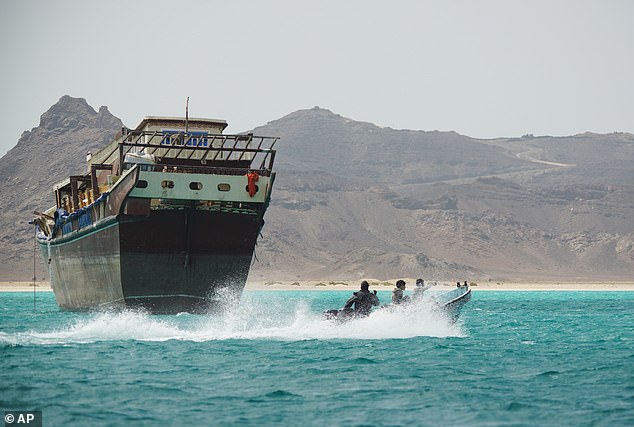
- The Bab el-Mandeb Strait: Translating to the ‘Strait of Tears’, this waterway is notorious for its challenging sailing conditions, including unpredictable winds, strong currents, and submerged reefs. It is a roughly 18-mile-wide bottleneck situated between Yemen and the Horn of Africa, connecting the Red Sea to the Gulf of Aden. Critically, it serves as the primary gateway for nearly all cargo and energy shipments traversing between Europe and Asia.
Potential Economic Fallout
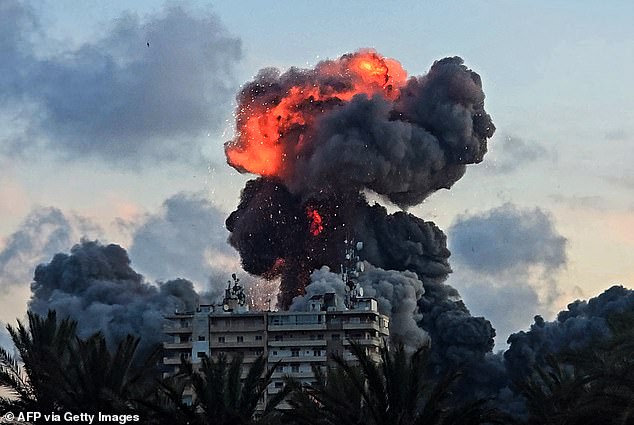
The implications of closing the Bab el-Mandeb Strait are dire. Energy analysts have cautioned that a complete breakdown in peace talks could send oil prices soaring to an estimated $180 per barrel. Jorge León, head of geopolitical analysis at Rystad Energy, has warned that such a scenario would inevitably trigger a severe global economic recession, with particularly devastating impacts on Europe and emerging Asian economies.
Iran’s Allies and the Threat of Wider Conflict
Reports suggest that Tehran intends to leverage its Shiite resistance allies in Yemen, Lebanon, and Iraq to enforce any potential blockade. The Houthi rebels in Yemen, in particular, are seen as a significant factor, with Reuters indicating that the Bab el-Mandeb Strait would be an obvious target should they open a new front in the ongoing conflict.
President Trump’s Response and Shifting Diplomacy
In the wake of Iran’s announcement to cut off diplomatic talks, President Donald Trump has expressed a dismissive attitude. He stated that he “really doesn’t care” if negotiations collapse and that he is “not worried about energy prices spiking.” Trump predicted that oil prices would “be dropping like a rock” in the near future.
The oil markets, however, reacted swiftly and dramatically to the news of the ceasefire’s potential collapse, with crude prices climbing by more than six percent.
Diplomatic Maneuvering and Regional Conflicts
Following Tehran’s announcement, President Trump engaged in a phone call with Israeli Prime Minister Benjamin Netanyahu to discuss the situation in Lebanon. Trump later indicated on social media that no US troops would be deployed to Beirut and that any forces en route had been recalled. He also claimed to have had a “very good call with Hezbollah,” asserting that an agreement had been reached for all shooting to cease, with Israel refraining from attacking and Hezbollah likewise agreeing not to attack Israel.
Despite these claims, Trump also stated that “talks are continuing, at a rapid pace, with the Islamic Republic of Iran.” This suggests a complex and fluid diplomatic landscape.
Israel, meanwhile, appears hesitant to include Lebanon in the broader ceasefire negotiations with Iran, viewing the conflict in Lebanon as distinct from the wider regional war. The US has been actively mediating between Israel and Lebanon, advocating for a temporary ceasefire to facilitate Trump’s negotiations for a long-term peace agreement with Tehran.
Recent developments have seen Israeli forces capture Beaufort Castle, a strategic medieval fortress in southern Lebanon, marking their deepest military incursion into the country in over 26 years. Israel had previously held the site until its withdrawal from Lebanon in 2000. The ongoing military actions in Lebanon add another layer of complexity to the already fragile regional stability and the ongoing diplomatic efforts.


