
Iran’s Widespread Strikes on Middle Eastern Military Bases Exceed US Admissions
Recent analysis of satellite imagery and video evidence suggests Iran has launched extensive attacks on at least 20, and possibly as many as 28, American military facilities throughout the Middle East. This comprehensive assessment, conducted by BBC Verify, paints a far broader picture of Iranian aggression than has been publicly acknowledged by the United States. The strikes have reverberated across eight nations, impacting key installations and inflicting significant damage estimated in the hundreds of millions of dollars.
The targeted countries include:
* Saudi Arabia
* United Arab Emirates
* Qatar
* Kuwait
* Iraq
* Jordan
* Bahrain
* Oman
Among the most substantial losses reported are three Terminal High Altitude Area Defense (THAAD) anti-missile batteries. Each of these sophisticated systems carries a price tag of approximately $1 billion, and their destruction or damage represents a severe blow to the regional defence network, which is not easily or quickly reconstituted.
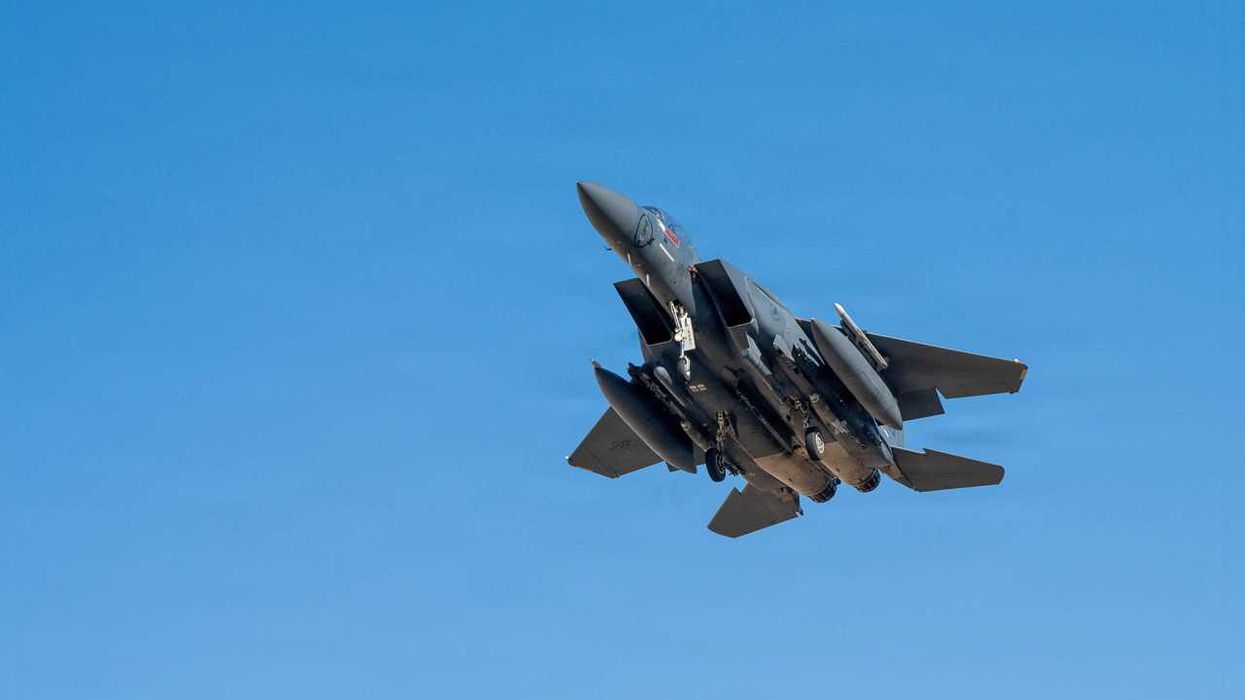
The scale of the damage is particularly evident at Prince Sultan Airbase in Saudi Arabia. Since February, an estimated 42 aircraft have been destroyed or sustained damage at this single location. The affected fleet includes high-value assets such as F-15s, F-35s, Reaper drones, and even an A-10 attack aircraft, with individual planes valued at up to $700 million. This illustrates a strategic shift in Iran’s approach, moving beyond broad missile barrages to more precise strikes aimed at crippling critical military capabilities.
While the Pentagon has not contested the findings presented by the BBC, the United States has reportedly placed restrictions on the release of satellite imagery from the affected region, suggesting a sensitivity surrounding the extent of the attacks.
Evolving Tactics and Significant Material Losses
Iran’s military strategy appears to have undergone a notable evolution. Early phases of engagement may have involved widespread missile volleys, but the current focus seems to be on meticulously targeting high-value assets that form the backbone of American military presence and operational capacity in the Middle East. This refined approach indicates a more sophisticated understanding of military vulnerabilities and a deliberate effort to maximise strategic impact with each strike.
The economic and operational implications of these attacks are considerable. The loss of advanced missile defence systems like THAAD directly impacts the ability to counter ballistic missile threats, leaving regional allies and US forces more exposed. Furthermore, the destruction of advanced aircraft at bases like Prince Sultan not only represents a significant financial setback but also degrades immediate combat readiness and tactical flexibility. Replacing these aircraft, especially advanced models like the F-35, involves long lead times and substantial budgetary allocations.
The disparity between the reported scale of damage and the public statements from US officials raises questions about transparency and the administration’s willingness to fully disclose the extent of the challenges faced in the region. The Pentagon’s silence on the BBC’s findings, coupled with requests for satellite imagery restrictions, suggests a complex situation where the full ramifications of Iran’s actions are being carefully managed, potentially for geopolitical reasons.
The implications for regional stability and future military engagements are profound. If Iran can effectively target and degrade critical US military infrastructure, it could embolden adversaries and necessitate a significant reassessment of defence strategies and resource allocation in the Middle East. The ongoing analysis of these incidents will be crucial in understanding the evolving dynamics of conflict in the region and the effectiveness of both offensive and defensive military capabilities.


