
SNP Power Centralised, Ex-MP Claims Amidst Financial Scandal
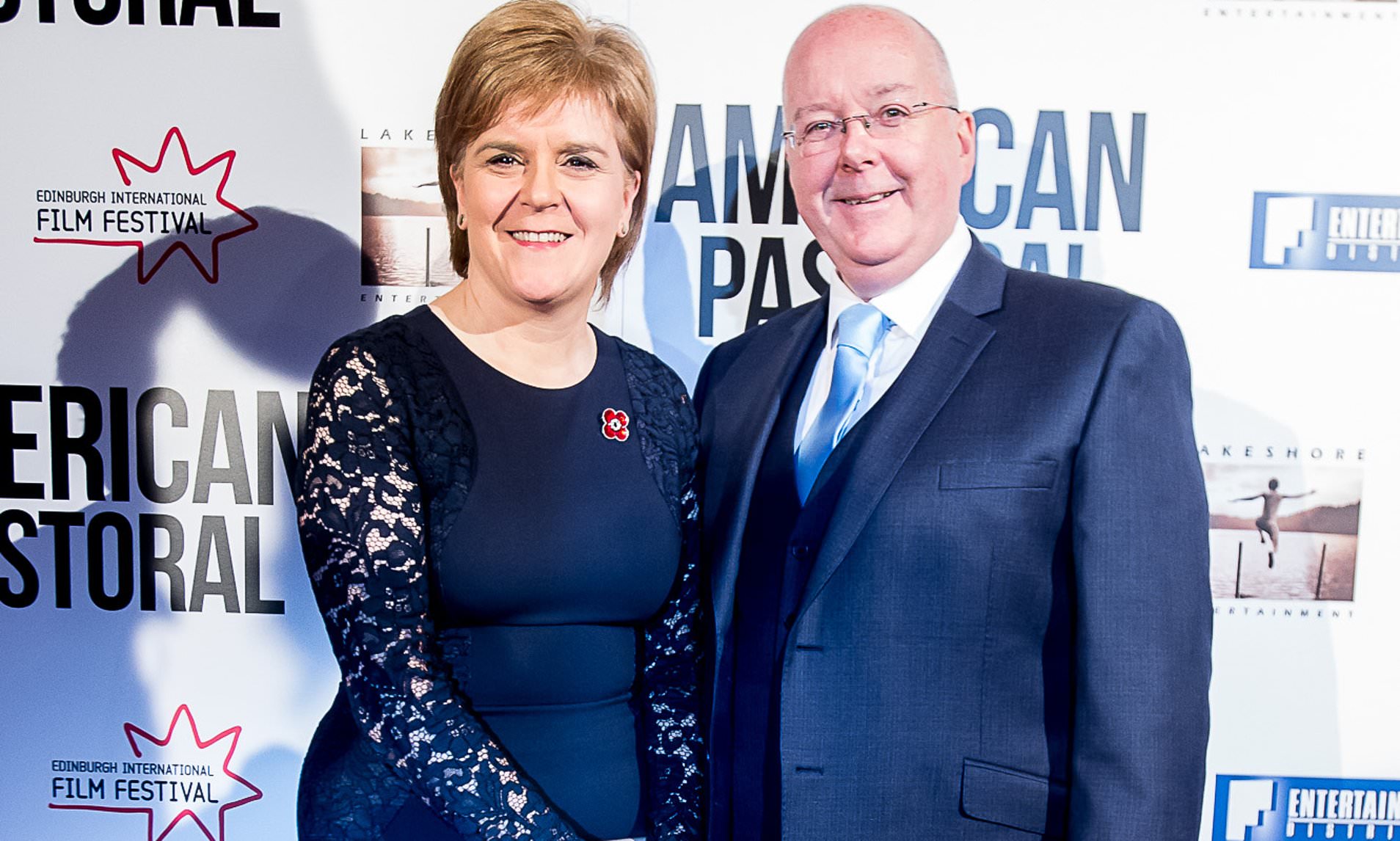
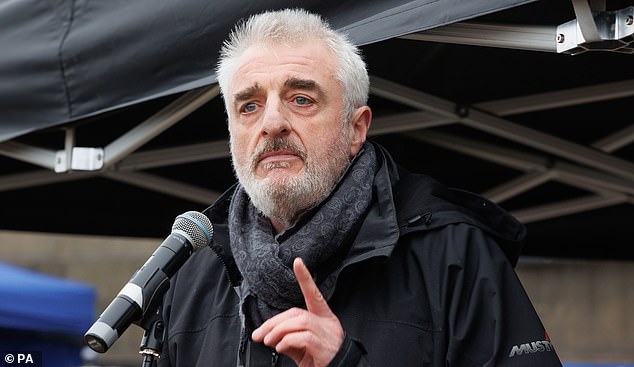
A former Member of Parliament for the Scottish National Party (SNP) has delivered a stark assessment of the party’s internal workings under the leadership of Nicola Sturgeon and Peter Murrell, describing a culture of “astonishing” power centralisation and a reluctance to embrace accountability. Tommy Sheppard, who served as an Edinburgh MP from 2015 to 2024, has voiced concerns that even senior figures within the party felt excluded from crucial decision-making processes.
Sheppard’s candid remarks, published in The National, paint a picture of a National Executive Committee (NEC) that was “not fit for purpose” during Sturgeon’s tenure. He highlighted a system where criticism was discouraged, and questioning was often equated with disloyalty, thereby undermining mechanisms for holding individuals accountable.
“Some of this dirt will stick. It will be hard to wash off,” Sheppard wrote, reflecting on the secrecy that shrouded the party’s finances. He recalled instances at NEC meetings where treasurer’s reports were distributed without prior notice, with numbered copies collected afterwards. This limited dissemination of information, coupled with an environment where questions were not welcomed, created an atmosphere of opacity.
The “Kitchen Table” of Power
Sheppard elaborated on the concentration of power, stating, “Power within the party was centralised to an astonishing degree. There were very few people round the kitchen table, and they kept themselves to themselves.” This meant that policy was often formulated at the centre and then disseminated downwards. He suggested that this level of control might have fostered a sense of invincibility among those in power, potentially allowing transgressions to occur.
These assertions have been met with strong reactions from political opponents. The Scottish Conservatives have labelled Sheppard’s testimony as “devastating” and “damning,” arguing that it directly contradicts claims made by Nicola Sturgeon. Sturgeon has previously stated she was unaware of her husband Peter Murrell’s alleged financial wrongdoings at the time.
Calls for an Inquiry Intensify
The former SNP chief executive, Peter Murrell, was recently jailed after pleading guilty to embezzling over £400,000 from party funds. This period of alleged theft coincided with Sturgeon’s eight years as First Minister. Despite the gravity of these revelations and the ongoing scrutiny, current SNP leader John Swinney has so far resisted calls for an independent inquiry into the party’s culture and its handling of the scandal. Swinney has argued that the extensive police investigation leading to Murrell’s plea has already uncovered all necessary information.
However, critics maintain that significant questions about SNP governance remain unanswered. Allegations persist that internal concerns regarding party finances were systematically suppressed by the leadership.
Opposition Demands for Transparency
Rachael Hamilton MSP, Deputy Leader of the Scottish Conservatives, has seized upon Sheppard’s account, stating, “Tommy Sheppard has torn apart the baseless claims from Nicola Sturgeon who says she didn’t tell those who were raising concerns over the party’s finances to effectively shut up.” Hamilton stressed the urgent need for a parliamentary inquiry to fully expose the extent of the SNP scandal and any alleged protection offered to Murrell by a “cabal within the SNP.”
The Scottish Conservatives have indicated they will push for a Westminster inquiry if the Scottish Parliament (Holyrood) fails to initiate one. Support for such an inquiry has also been voiced by a majority of MPs on the Scottish Affairs Committee.
An SNP spokesperson has responded to the mounting pressure by asserting that the party’s governance, financial structures, and processes have undergone review and enhancement in recent years. However, the detailed account from a former senior figure like Tommy Sheppard suggests that the path to restoring trust and transparency within the SNP may be a long and challenging one. The implications of his testimony are likely to fuel further debate and demands for accountability in the coming weeks and months.


