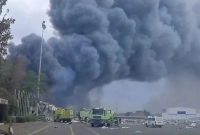
Missile Interceptions Over Doha Amidst Iranian Threats to Western Tech Giants
Doha, Qatar – Saturday saw a tense skies over the Qatari capital as defence systems successfully intercepted two projectiles. The incident occurred in the wake of explicit threats from Iran to target major Western corporations, with prominent tech firms like Google and Microsoft specifically named as potential targets.
Eyewitnesses reported seeing interceptors engaged in action over Doha, a city that hosts significant operational bases for numerous global technology companies. In response to the escalating threats, several of these corporations, including IBM, Palantir, Oracle, and Nvidia, took the precautionary measure of evacuating their staff from the region.
This latest development follows a pattern of similar threats issued earlier this month, which were linked to drone attacks launched by Iran against Amazon data centres and offices located in the United Arab Emirates (UAE) and Bahrain. The targeting of these economic and technological hubs underscores a broader strategy of economic disruption and intimidation.
Evacuations and Business Disruptions Across the Region
Qatari authorities responded swiftly to the immediate threat, initiating evacuations in several parts of Doha. This included government departments, a Google office, and sections of “Education City,” a significant hub housing satellite campuses for six major American universities. The scale of these evacuations highlights the perceived severity of the threats.
The ripple effect of these security concerns extended to the financial sector. HSBC, a prominent banking institution, closed its branches across Qatar. In Dubai, British bank Standard Chartered instructed its employees to work remotely as a safety measure. Similarly, workers at major financial and professional services firms Citi and Deloitte were also evacuated following threats directed at “economic centres” with perceived links to the United States and Israel.

Iranian Revolutionary Guards Issue Stern Warnings
Adding to the prevailing tension, Iran’s Revolutionary Guards issued a direct warning to the United States, urging them to “evacuate all American industries in the region.” The Guards further advised individuals residing in areas surrounding industrial facilities where Americans hold shares to vacate these locations to avoid potential harm. This statement indicates a deliberate effort to create widespread fear and disruption, aiming to impact not only corporate interests but also the civilian population in proximity to industrial assets.
UAE Cracks Down on Filming of Security Incidents
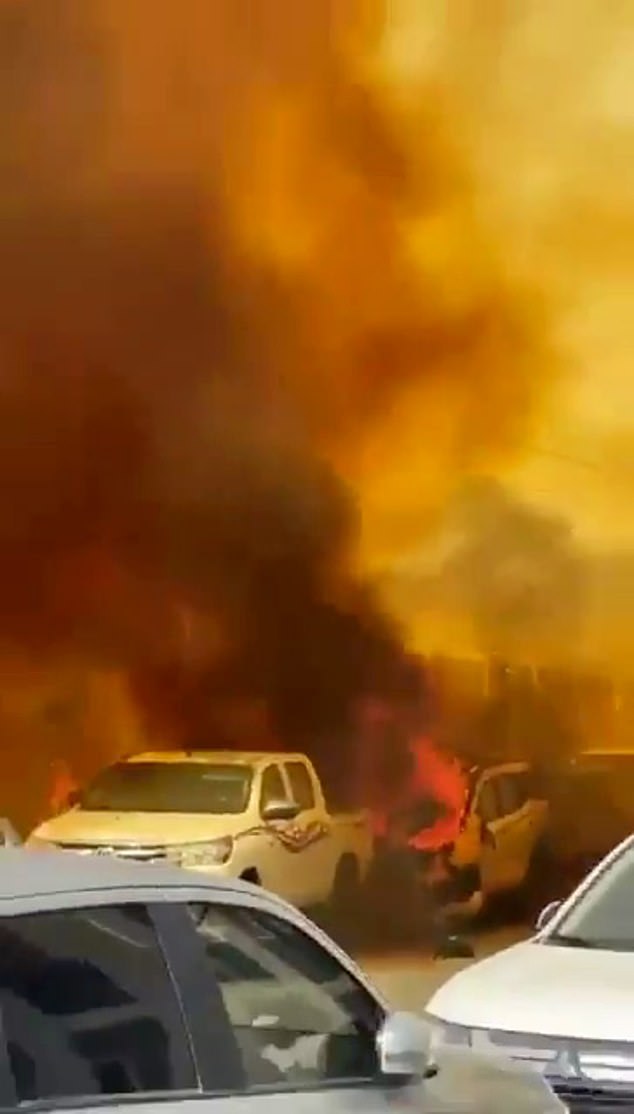
In a separate but related development, the UAE has taken a firm stance against the filming and dissemination of footage related to drone or missile strikes. Reports indicate that up to 100 individuals have been apprehended across the Emirates for documenting such events. Among those arrested was a 60-year-old British tourist.
Abu Dhabi police, in particular, have been active in this crackdown, detaining 45 people for capturing and subsequently sharing clips of security incidents on social media platforms. Authorities in the UAE have issued strong warnings, asserting that such actions could potentially “provoke public opinion and spread rumours.” The government in Abu Dhabi stated that its security agencies are actively monitoring social media to enforce a strict ban on posting images of the ongoing conflict and related security events.
Dubai Attempts to Reassure Tourists Amidst Regional Unrest
While security concerns cast a shadow over the region, tourism officials in Dubai are actively working to project an image of normalcy and safety. Efforts are underway to reassure visitors that it remains “business as usual.” This includes offering incentives such as complimentary tickets to popular attractions, including the waterpark at the Atlantis resort and various beach clubs. To further entice visitors and mitigate any negative perceptions, special promotions have been introduced, including unique offerings like “camel-hugging therapy.” These measures aim to demonstrate resilience and maintain the emirate’s appeal as a tourist destination despite the prevailing regional instability.