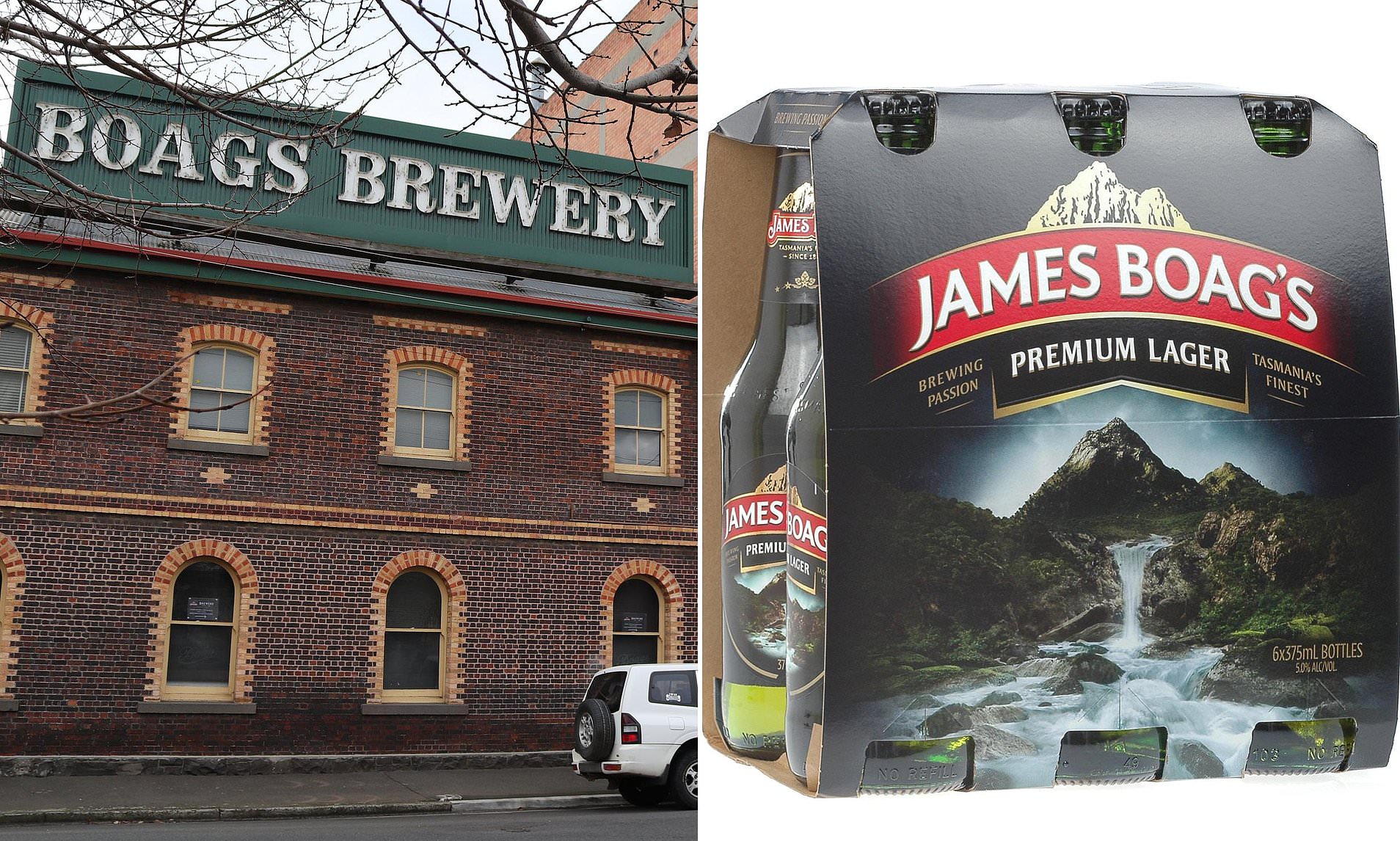
Historic James Boag’s Brewery Faces Closure in Launceston
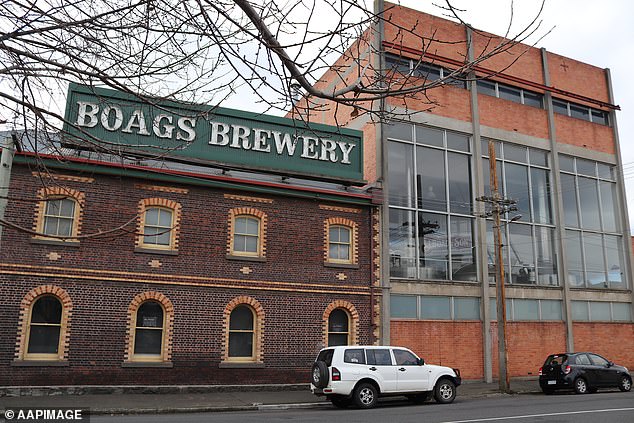
A significant chapter in Tasmania’s brewing history is set to close as James Boag’s, a beloved Launceston institution for 145 years, has announced plans to cease production at its historic site by the end of the year. The iconic brewery, which first opened its doors in 1881, is proposing to halt beer manufacturing by November, with operations to be relocated to Queensland and New South Wales.
This difficult decision by parent company Lion Australia stems from a protracted and challenging period for the national beer market. According to a company statement, the brewery has been operating significantly below capacity for many years, currently running at approximately one-fifth of its potential. This underutilisation, coupled with escalating cost inflation across the industry, has rendered the Launceston operation no longer commercially viable. While much of Boag’s production had already transitioned to the mainland, the local brewery had continued to supply the Tasmanian market until this point.
Impact on Employees and Community
The proposed closure will directly affect the 42 employees currently working at the Launceston brewery. Lion Australia has initiated “consultation conversations” with these staff members to discuss their futures. The company is actively exploring opportunities for redeployment within its extensive network of brands across Australia. For those employees who cannot be relocated, redundancy packages will be provided.
The news has understandably caused considerable concern. Tasmanian Premier Jeremy Rockliff expressed deep disappointment with Lion’s decision, highlighting the government’s long-standing support for the business. “Today’s announcement by Lion of its proposal to close the historic James Boag’s Brewery in Launceston will be deeply concerning for the 42 workers affected, their families, and the broader Northern Tasmanian community,” Premier Rockliff stated. He emphasised that the government’s immediate priority is the wellbeing of the workforce, and they will be working closely with Lion, unions, workers, and the hospitality industry to provide support.
Alina Bain, Chief Executive of the Launceston Chamber of Commerce, echoed these sentiments, acknowledging the profound impact the closure will have on the region. “It’s really difficult news, and we’re just processing it now. And then of course, increasing costs are causing difficulty,” she told the ABC, while also recognising the broader market trends impacting the beer industry.
Community Initiatives and Apologies
In response to the closure, Lion Australia has proposed the establishment of the James Boag’s Community Fund. This initiative aims to provide $500,000 in funding over five years, distributed through partnerships and grants to grassroots organisations within Launceston and northern Tasmania. Furthermore, Lion has committed to repaying the $1 million grant previously provided by the Tasmanian Government for the redevelopment of the Boag’s Brewhouse.
Anubha Sahasrabuddhe, Lion’s Chief Executive and Managing Director, issued a sincere apology for the negative impact of the announcement. “We know this is difficult news for our Boag’s Brewery team and the broader Launceston community,” she said in a statement. Sahasrabuddhe was keen to stress that the proposal is “no reflection on the incredible capability, passion and commitment of our brewery team members, and the many more who have come before them, who have worked hard to operate the brewery as efficiently as possible despite decreasing volumes.”
A Wider Industry Trend
The closure of James Boag’s Launceston brewery is being viewed as symptomatic of broader challenges facing the beverage industry. Neil Gillin from Phillip Island Brewing Company commented to the Daily Mail that this move to the mainland is not entirely unexpected. “We’re seeing a broader trend across the beverage industry where businesses are looking to consolidate operations, reduce overheads and bring production under a larger umbrella to improve efficiencies. It’s not just happening in the beer sector,” Gillin explained.
He further elaborated that similar pressures are being felt by wineries and distilleries, many of whom are also opting to centralise production or close sites to navigate rising costs and streamline operations. “Unfortunately, it’s a sign of the times and I think we’ll continue to see more businesses across the industry making these kinds of difficult decisions in the years ahead,” he concluded.
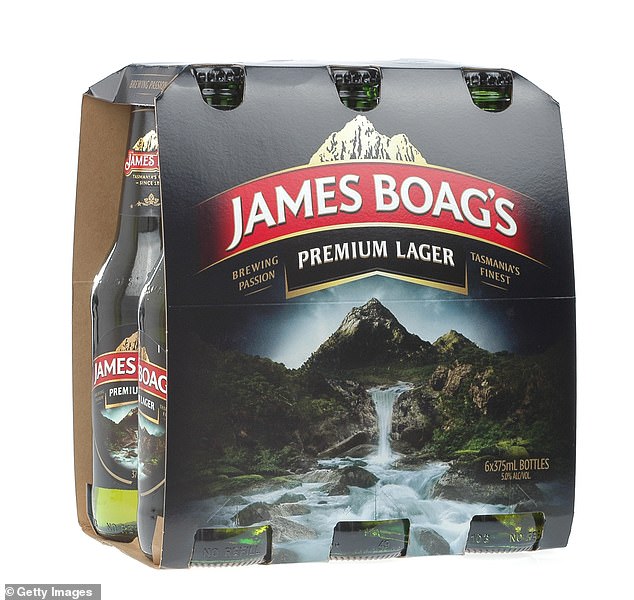
The decision marks the end of an era for a brewery deeply intertwined with Launceston’s identity. While production will cease locally, the legacy of James Boag’s will continue through its relocated operations and the proposed community fund, aiming to support the region that has been its home for generations.